

Country: United States
Art Subject: USA Ballpark Meals – The Taste of America
Gallery Location: Fan Culture Wing / Classic Ballpark Meals Hall / USA Gallery
Gallery Overview
The American ballpark is a temple of flavor. From the sizzle of grilled hot dogs to the satisfying crunch of peanuts and Cracker Jack, the tastes of American baseball are as iconic as the game itself. This gallery celebrates the classic dishes that have defined the American ballpark experience for over a century – hot dogs, peanuts, Cracker Jack, nachos, and the many regional specialties that make each stadium unique.
In the United States, the ballpark is more than a place to watch baseball – it is a destination for food lovers. The aroma of grilling sausages, the crack of peanut shells underfoot, the sweet and salty crunch of Cracker Jack – these sensory experiences are woven into the fabric of American baseball culture. This gallery explores the iconic dishes, the cultural significance, and the unique food experiences that define American baseball.
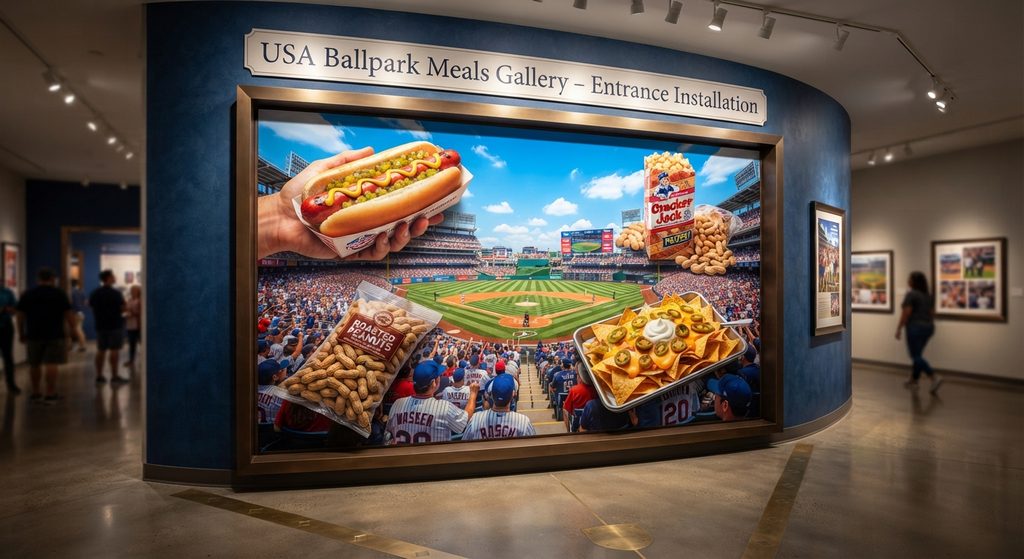
Figure 1. USA Ballpark Meals Gallery – Entrance Installation
Description: A dramatic entrance display featuring a large-scale composite image of iconic American ballpark foods. The image shows a classic hot dog with mustard and relish, a box of Cracker Jack, a bag of roasted peanuts, and a tray of loaded nachos with cheese and jalapeños. The display is set against a backdrop of a bustling MLB stadium with cheering fans and a bright summer sky.
1. Story & Evolution
American ballpark food culture has evolved alongside the game itself, from simple hand-held snacks to a multi-billion dollar culinary industry. The flavors of the ballpark are a story of immigration, innovation, and the American love affair with good food.
I. Origins: The Birth of Ballpark Concessions
In the early days of baseball, there were no concessions. Fans brought their own food or went without. The modern ballpark food tradition began in the late 19th century, when innovative concessionaires recognized an opportunity.
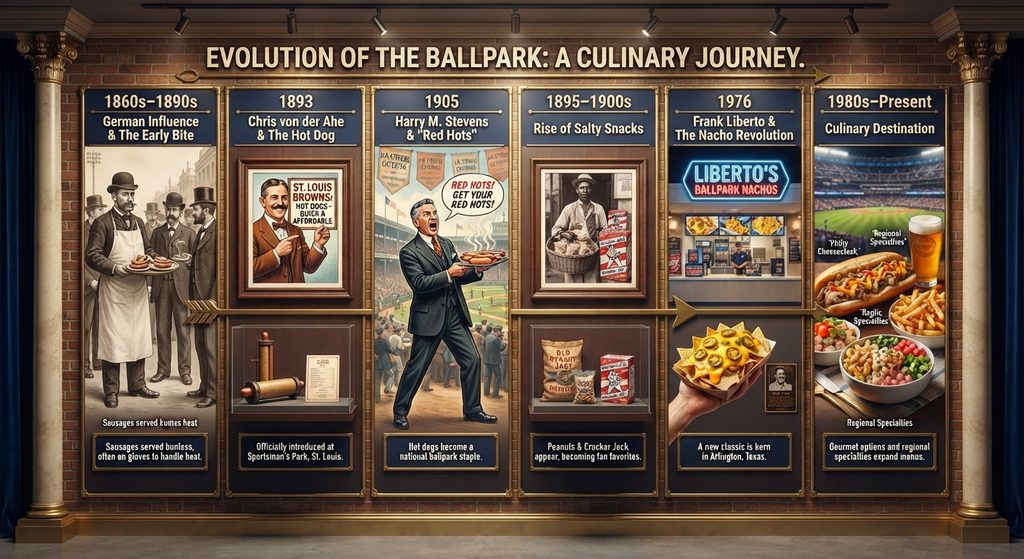
Figure 2. The The Evolution of American Ballpark Food
This table 1 traces the chronological development of American ballpark food culture, from the introduction of sausages in the 1860s to the diverse, innovative food offerings available in modern MLB stadiums.
Table 1. The Evolution of American Ballpark Food
| Period | Development | Cultural Context |
|---|---|---|
| 1860s–1890s | German immigrants introduce sausages to ballparks; served bunless with gloves | Early hand-held foods emerge |
| 1893 | Chris von der Ahe, owner of the St. Louis Browns, officially introduces hot dogs as a quick, affordable snack | The birth of the ballpark hot dog |
| 1905 | Harry M. Stevens introduces hot dogs to New York ballparks, selling them as “red hots” | Hot dogs become a national ballpark staple |
| 1895–1900s | Peanuts and Cracker Jack appear at ballgames | Salty snacks become fan favorites |
| 1976 | Frank Liberto creates ballpark nachos in Arlington, Texas | A new ballpark classic is born |
| 1980s–Present | Regional specialties and gourmet options expand ballpark menus | Ballpark food becomes a culinary destination |
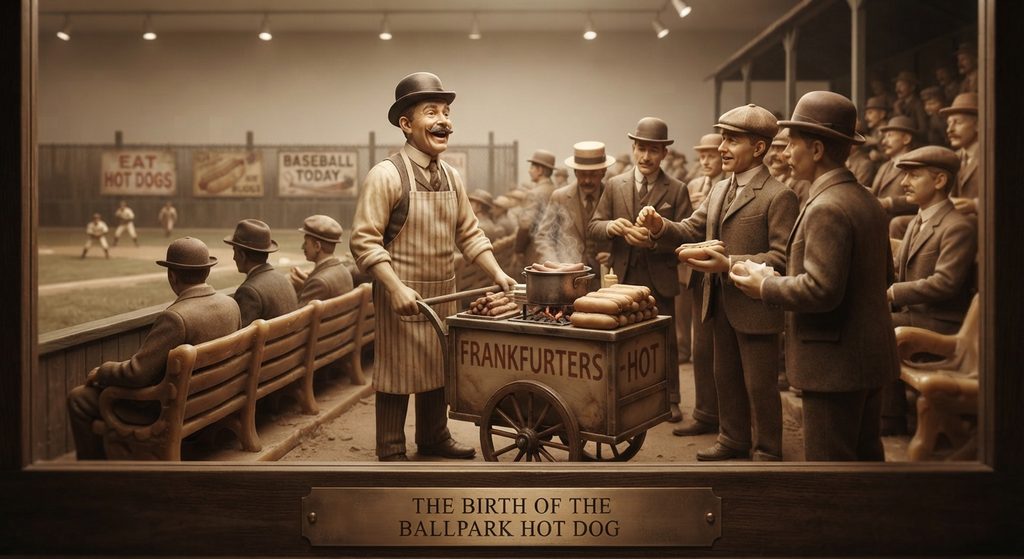
Figure 3. The Birth of the Ballpark Hot Dog
A vintage-style photograph showing early 20th-century vendors selling hot dogs at a baseball game. The image captures the humble origins of America’s most iconic ballpark food.
II. The Hot Dog: America’s Ballpark Icon
The hot dog is the undisputed king of American ballpark food. Its story is one of immigration, innovation, and the American dream.
Table 2. Hot Dog Facts: From Germany to the Ballpark
| Key Fact | Detail |
|---|---|
| Origins | German immigrants brought sausages to America in the 19th century |
| Ballpark Introduction | Chris von der Ahe introduced them at St. Louis in 1893 |
| New York Debut | Harry M. Stevens sold “red hots” at Giants games in 1905 |
| The Name | Legend says the hot dog got its name from a chilly April game |
| Cultural Status | “The quintessential American ballpark food since the early 1900s” |
| Fan Experience | “A must-have for every game; often eaten while keeping score” |
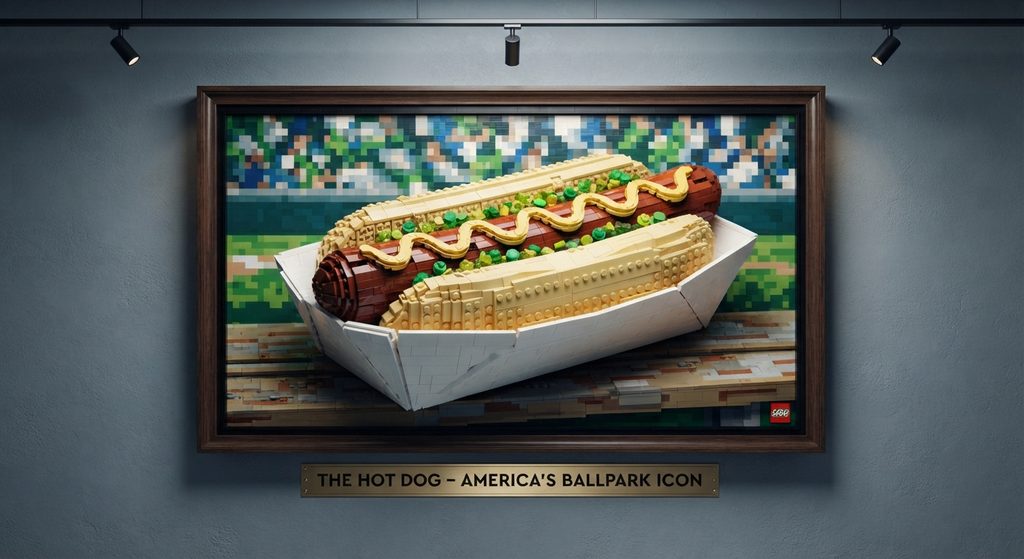
Figure 4. The Hot Dog – America’s Ballpark Icon
Description: A mouth-watering close-up photograph of a classic ballpark hot dog in a soft bun, topped with yellow mustard and bright green relish, served in a white paper tray. The image captures the simple perfection of America’s most iconic ballpark food.
III. Peanuts, Cracker Jack, and the Seventh-Inning Stretch
The song “Take Me Out to the Ball Game” forever tied certain snacks to the baseball experience. “Buy me some peanuts and Cracker Jack” is more than a lyric – it is a cultural institution.
Table 3. Snacks in History
| Snack | History | Cultural Significance |
|---|---|---|
| Peanuts | First sold at ballgames in 1895 by Harry Stevens | A salty, affordable snack that became a ballpark staple |
| Cracker Jack | Invented in 1896, connected to baseball forever by the 1908 song | The snack that comes with a prize – a childhood tradition |
| The Song | “Take Me Out to the Ball Game” (1908) | Cemented peanuts and Cracker Jack in American culture |
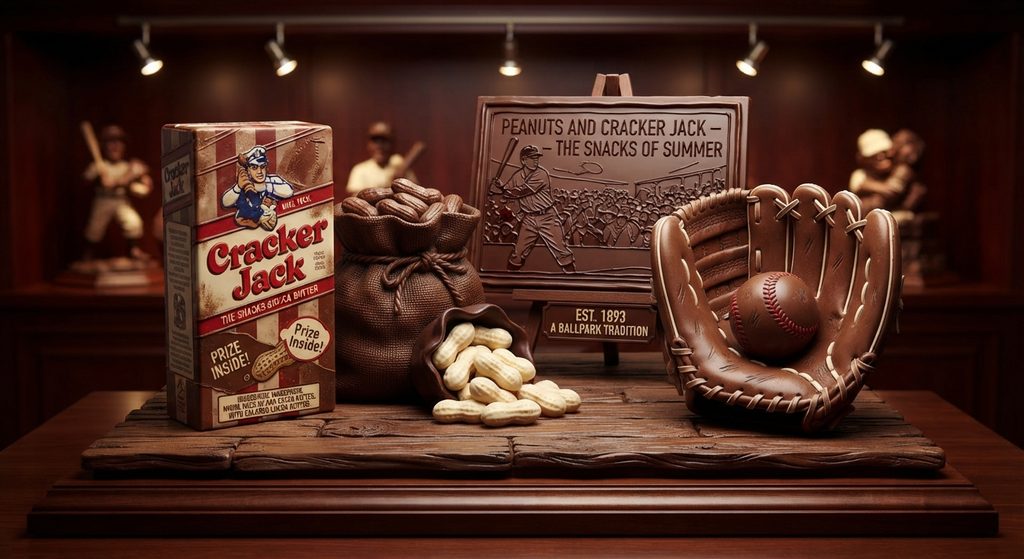
Figure 5. Peanuts and Cracker Jack – The Snacks of Summer
Description: A nostalgic display featuring a vintage Cracker Jack box, a bag of roasted peanuts, and a baseball mitt. All are in Chocolate sculpture art styles. The arrangement evokes the timeless tradition of enjoying these snacks during the seventh-inning stretch.
IV. The Rise of Ballpark Nachos
In 1976, a concessionaire named Frank Liberto changed ballpark food forever. At Arlington Stadium, he introduced a simple but revolutionary dish: tortilla chips topped with a pourable cheese sauce and jalapeños.
Table 4. The Ballpark Nachos
| Fact | Detail |
|---|---|
| Year | 1976 |
| Location | Arlington Stadium, Texas |
| Creator | Frank Liberto |
| Impact | Now sold in virtually every MLB ballpark |
| Legacy | Created a new ballpark classic that resonates with younger fans |
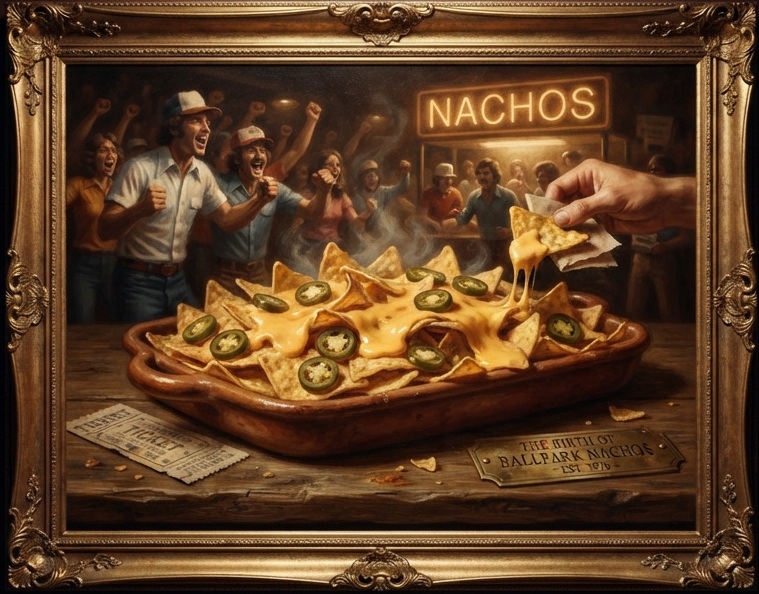
Figure 6. The Birth of Ballpark Nachos
Description: A photograph showing a tray of classic ballpark nachos – crispy tortilla chips topped with warm cheese sauce and sliced jalapeños. The image captures the simple genius of a dish that became an instant classic.
V. Regional Specialties and Modern Innovation
Today, American ballparks offer a stunning array of regional specialties. From Chicago’s jibarito to Philadelphia’s cheesesteaks, each stadium reflects its city’s culinary identity.
Table 5. Regional Sepcialities
| Region | Specialty | Stadium |
|---|---|---|
| Chicago | Jibarito, Italian Beef | Wrigley Field, Guaranteed Rate Field |
| Philadelphia | Cheesesteak | Citizens Bank Park |
| Texas | Texas Ribeye Sandwich, “9th Inning Rally Sombrero” | Globe Life Field |
| Milwaukee | Bratwurst, Beer | American Family Field |
| Baltimore | Crab Cakes | Oriole Park at Camden Yards |
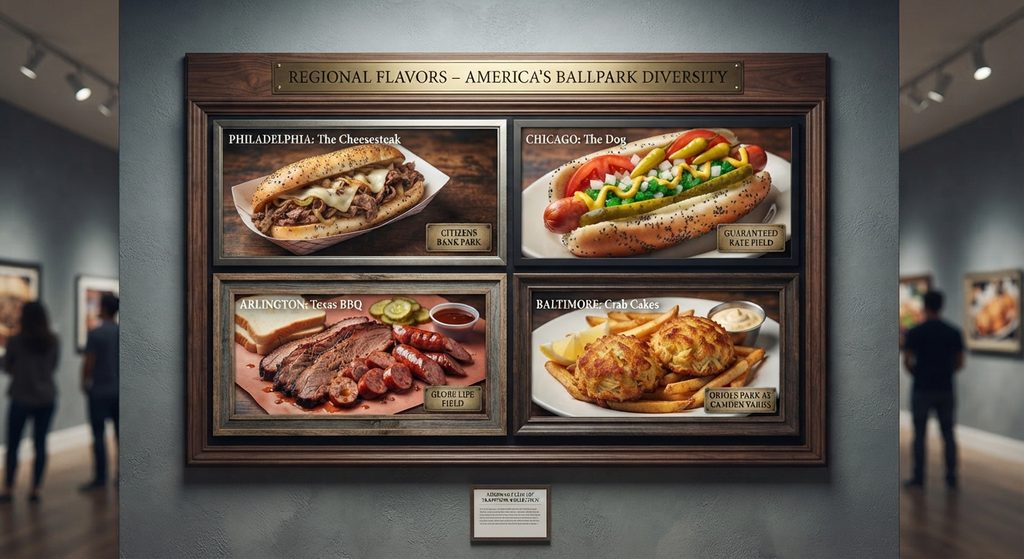
Figure 7. Regional Flavors – America’s Ballpark Diversity
Description: A collage of regional ballpark specialties – a Philly cheesesteak, a Chicago-style hot dog, Texas barbecue, and Maryland crab cakes. The display celebrates the diversity of American ballpark cuisine.
2. International Comparison
Comparing American ballpark food with other baseball cultures reveals the unique characteristics of American culinary traditions.
This table 6 compares the ballpark food traditions of the United States with those of Japan, Taiwan, and the Dominican Republic, highlighting the unique characteristics of each culture’s culinary offerings.
Table 6. Comparative Analysis of Ballpark Food Traditions
| Aspect | United States | Japan | Taiwan | Dominican Republic |
|---|---|---|---|---|
| Signature Dish | Hot Dog | Bento Box | Fried Chicken with Bubble Tea | Empanadas with Tostones |
| Flavor Profile | Savory, smoky, tangy | Umami, balanced, seasonal | Crispy, savory, sweet, chewy | Savory, crispy, hearty |
| Eating Style | Individual, handheld | Individual, carefully presented | Shared, social, portable | Shared, family-style |
| Cultural Influence | German immigration, American innovation | Japanese aesthetics and seasonality | Street food, night market culture | Spanish, African, Taíno fusion |
| Beverage Pairing | Beer, Soda | Green Tea, Beer | Bubble Tea | Beer, Tropical Juices |
| Iconic Song | “Take Me Out to the Ball Game” | Team fight songs | Fan-made cheer songs | Merengue and bachata rhythms |
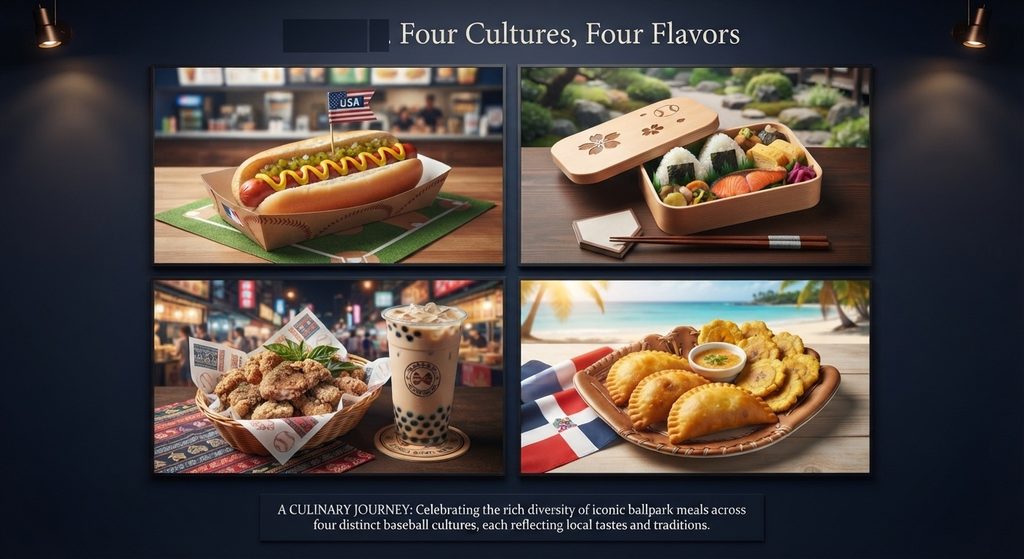
Figure 8. Ballpark Food Across Cultures
Description: A four-panel grid showing iconic ballpark meals from each culture. The USA panel features a classic hot dog, highlighting the simplicity and tradition of American ballpark food.
3. Comparing Baseball and Football
Comparing ballpark food with stadium food in American football reveals how different sports shape different food traditions.
This table 7 compares the stadium food traditions of baseball and football, highlighting the different culinary approaches inspired by each sport.
Table 7. Comparative Analysis of Stadium Food: Baseball and Football
| Aspect | Baseball | Football |
|---|---|---|
| Signature Food | Hot Dog | Burgers, Wings |
| Eating Style | Leisurely, multi-course over 3+ hours | Quick, hearty, between plays |
| Season | Summer (warm weather foods) | Fall/Winter (comfort foods) |
| Beverage | Beer, Lemonade | Beer, Hot Chocolate |
| Cultural Association | Nostalgia, tradition, “Take Me Out to the Ball Game” | Tailgating, parties, game-day rituals |
| Food Ritual | Seventh-inning stretch snacks | Pre-game tailgate feasts |
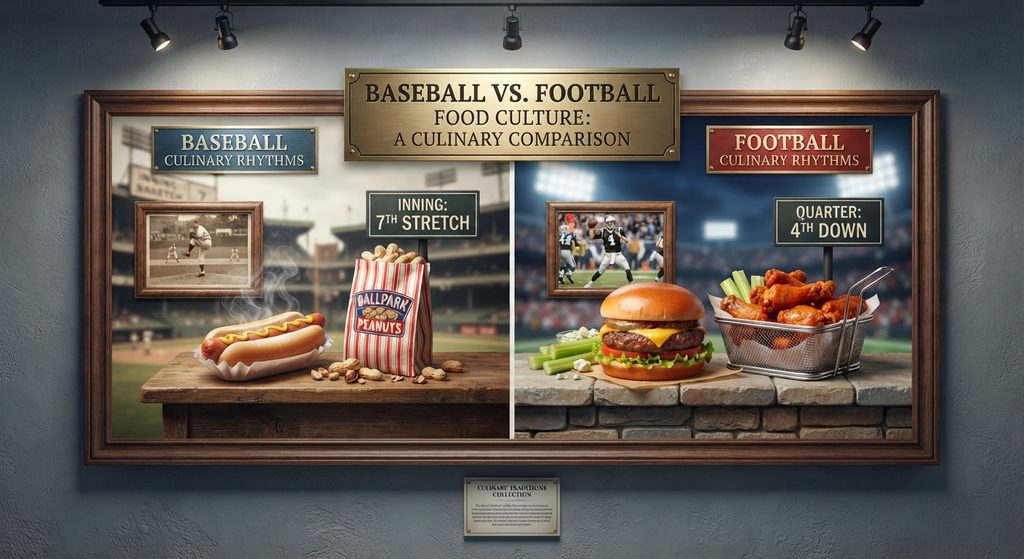
Figure 9. Baseball vs. Football Food Culture
Description: A side-by-side comparison of baseball and football food. The baseball side features a hot dog and peanuts; the football side features a burger and wings. The comparison highlights the different culinary rhythms of each sport.
4. Unique Artistic Analysis
The artistry of American ballpark food lies in its simplicity, its nostalgia, and its ability to evoke memories of summer days and childhood trips to the ballpark.
I. The Hot Dog – A Study in Simplicity
- Visual Appeal: The contrast between the golden bun, the red sausage, and the yellow mustard creates a classic, appetizing image.
- Texture: The snap of the casing, the softness of the bun, the crunch of relish – a symphony of textures.
- Cultural Meaning: The hot dog represents American ingenuity – taking a simple sausage and creating an icon.
II. The Peanut – A Sensory Experience
- Sound: The crack of peanut shells underfoot is the soundtrack of the ballpark.
- Taste: Salty, satisfying, and endlessly snackable.
- Tradition: The peanut connects generations – grandparents and grandchildren share the same experience.
III. Cracker Jack – The Element of Surprise
- Sweet and Salty: The perfect balance of molasses-coated popcorn and roasted peanuts.
- The Prize: The toy inside – a tradition that has delighted children for over a century.
- Nostalgia: Cracker Jack evokes childhood memories and the magic of the ballpark.
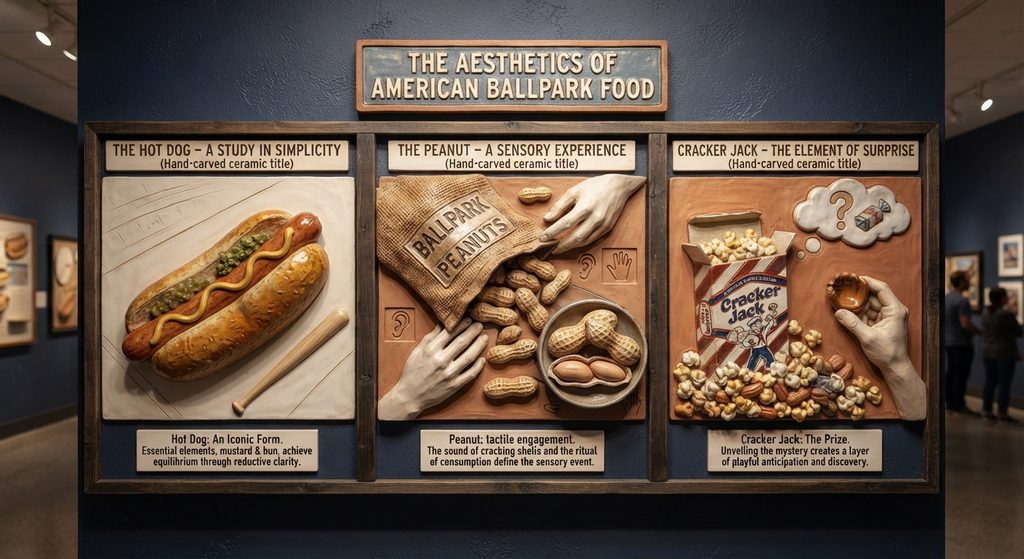
Figure 10. The Aesthetics of American Ballpark Food
Description: A three-panel educational display illustrating the aesthetic principles of American ballpark food: The Hot Dog – A Study in Simplicity, The Peanut – A Sensory Experience, and Cracker Jack – The Element of Surprise.
5. Artistic Transformation and Future Creation (Cross-Media Artistic Interpretation)
American ballpark food has inspired artists across multiple media, celebrating the flavors and traditions of American baseball culture.
Artistic Interpretation I: Food Photography – “The Taste of Summer”
- Concept: A series of high-quality food photographs showcasing American ballpark dishes in their natural stadium environment. Each photograph captures the food in action – fans eating, vendors serving, and families sharing.
- Visual Highlight: The photographs capture the vibrant colors, textures, and emotions of American ballpark food culture.
Artistic Interpretation II: Mixed Media – “Ballpark Memories”
- Concept: A series of mixed media artworks combining vintage baseball cards, food wrappers, and ticket stubs with paintings of ballpark foods. The works evoke nostalgia and the passage of time.
- Visual Highlight: The combination of ephemera and painting creates a rich, layered visual experience.
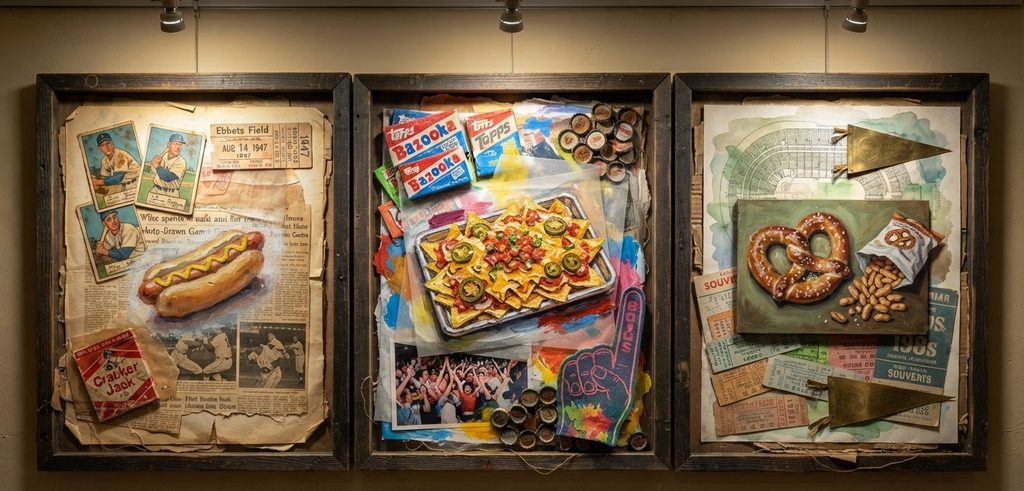
Figure 11. Ballpark Memories
Artistic Interpretation III: Sculpture – “The Ballpark Feast”
- Concept: A series of oversized sculptures of American ballpark foods – a giant hot dog, a larger-than-life box of Cracker Jack, a monumental bag of peanuts. The sculptures are playful, inviting, and celebrate the joy of ballpark food.
- Visual Highlight: The oversized food sculptures create a fun, immersive experience for visitors of all ages.
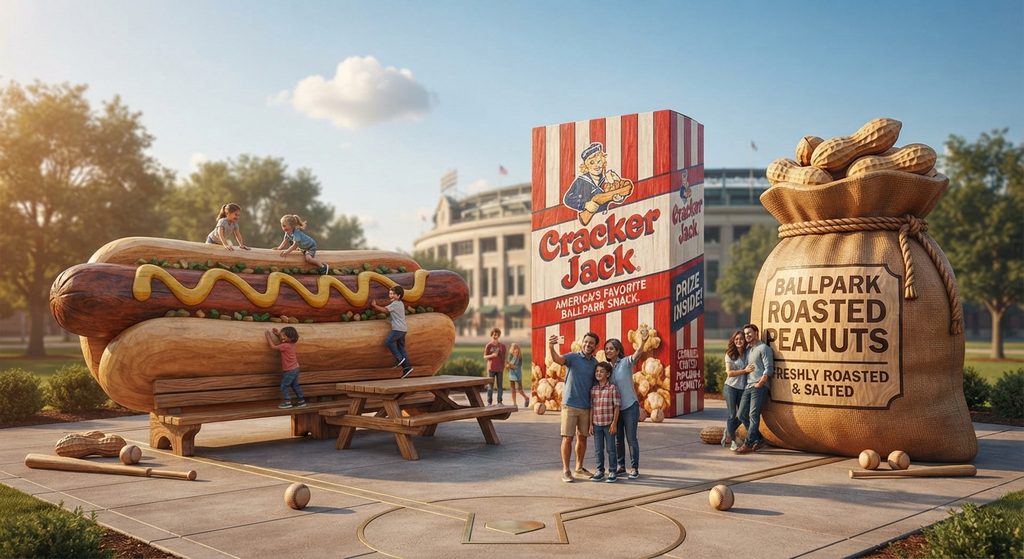
Figure 12. A Monumental Wood Carving
6. Art & SAT Education
7. Game Zone
Activity: “Build Your Ballpark Meal – USA Edition”
In this interactive zone, visitors build their own American ballpark meal by selecting dishes, drinks, and snacks.
References
ClickOnDetroit. (2022, July 21). Why the American classic hotdog would be nothing without Detroit. ClickOnDetroit.
Honest Cooking. (2014, April 18). Baseball food: A history of ballpark favorites. Honest Cooking.
Major League Baseball (MLB). (2020, October 13). Chicago food festival showcases unique spin on ballpark fare. MLB.com.
Major League Baseball (MLB). (2024). The history of the national anthem in baseball. Major League Baseball.
MLB.com. (2024). Ballpark music and traditions. Major League Baseball.
MLB.com. (2024). Fan Art and Creativity in Baseball. Major League Baseball.
Smithsonian Institution. (2022). Art and baseball: A cultural history. Smithsonian American History Museum.
Smithsonian Institution. (2023). Food and baseball: A cultural history. Smithsonian American History Museum.
Smithsonian Magazine. (2025, March 27). The salty, sweet and irresistible history of baseball’s most famous snack. Smithsonian Magazine.
Society for American Baseball Research (SABR). (2024, July 28). The Dodger Dog. Society for American Baseball Research.
Sports Illustrated. (2023). The art of baseball: Fan artists capture the game. Sports Illustrated Fan Culture Special Edition.
Tasting Table. (2026, March 31). 30 must-try foods in every MLB stadium. Tasting Table.
Texas Monthly. (2026, March 25). An iconic ballpark snack was born 50 years ago in Texas. Texas Monthly.
The Takeout. (2025, October 13). How peanuts became one of the most iconic baseball foods. The Takeout.
Wikipedia. (n.d.). Cracker Jack. In Wikipedia.
Yahoo Sports. (2026, April 2). Rangers unveil wild food items, new exhibit at media event. Yahoo Sports.