
Country: Japan
Art Subject: Japan Ballpark Meals – The Art of the Bento
Gallery Location: Fan Culture Wing / Classic Ballpark Meals Hall / Japan Gallery
Gallery Overview
In Japan, the ballpark is a culinary destination where food is elevated to an art form. From meticulously arranged bento boxes to stadium-exclusive ekiben, from sizzling yakisoba to takoyaki and okonomiyaki, Japanese baseball fans enjoy a dining experience that reflects the nation’s rich culinary heritage, attention to detail, and seasonal sensibility.
The Japanese ballpark experience is defined by the bento – a beautifully packaged meal that is as much about visual presentation as it is about taste. The tradition of “球弁” (kyūben – ballpark bento) has evolved into a sophisticated culinary culture, with each stadium offering unique regional specialties, player-inspired menus, and limited-edition collaborations. This gallery celebrates the artistry, tradition, and cultural significance of Japanese ballpark cuisine.
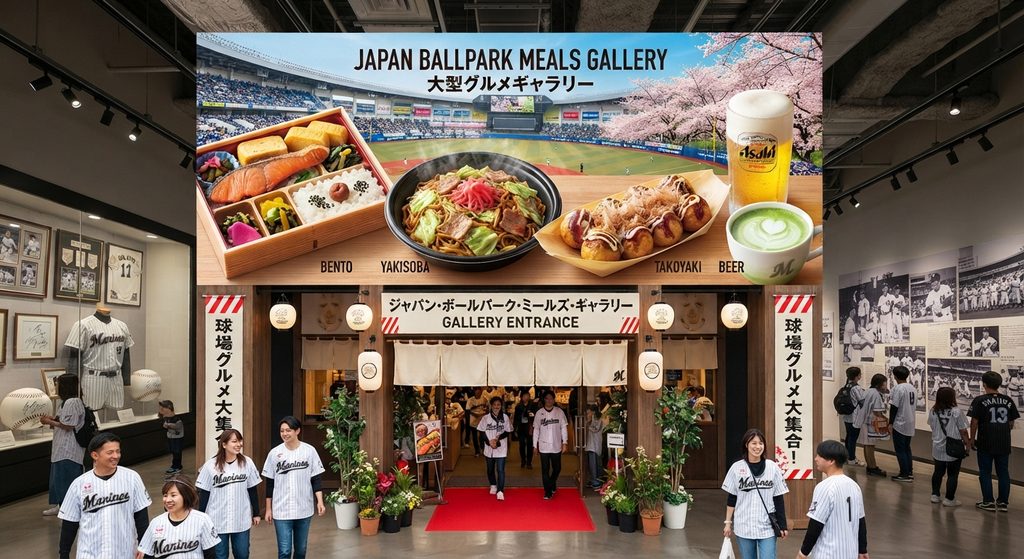
Figure 1. Japan Ballpark Meals Gallery – Entrance Installation
Description: A dramatic entrance display featuring a large-scale composite image of iconic Japanese ballpark foods. The image shows a beautifully arranged bento box with grilled salmon, tamagoyaki, and pickled vegetables; a steaming bowl of yakisoba; a plate of takoyaki with bonito flakes; and a cup of matcha or beer. The display is set against a backdrop of a Japanese baseball stadium with cherry blossom trees visible beyond the stands.
1. Story & Evolution
Japanese ballpark food culture has evolved alongside professional baseball itself. What began as simple snacks in the 1950s has transformed into a sophisticated culinary experience that celebrates regional ingredients, player personalities, and the artistry of Japanese cuisine.
I. Origins: From Simple Snacks to Stadium Staples
The history of ballpark food in Japanese professional baseball dates back to the 1950s. In those early days, the menu was limited to a few simple items – yakisoba, takoyaki, oden, and beer. These became established as “companions to watching baseball” and iconic features of the ballpark experience. Beer vendors, known as “beer girls,” have been beloved stadium fixtures since the 1960s.
However, stadium dining during this era prioritized convenience over quality. The general perception was that stadium food was something one “had to settle for,” and many fans would eat outside the stadium before heading to games.
This table 1 traces the chronological development of Japanese ballpark food culture, from simple snacks in the 1950s to the sophisticated gourmet stadiums of today.
Table 1. The Evolution of Japanese Ballpark Food
| Period | Development | Cultural Context |
|---|---|---|
| 1950s | Simple snacks: yakisoba, takoyaki, oden, beer | Early days of professional baseball; food as basic sustenance |
| 1960s | Beer vendors (beer girls) become stadium fixtures | Hospitality culture emerges in Japanese baseball |
| 1970s–1990s | Bento boxes become popular; each stadium develops signature items | Growing demand for portable, convenient meals |
| 2000s | Player-produced menus and collaborations begin | Food becomes part of the fan experience |
| 2009 | MAZDA Zoom-Zoom Stadium Hiroshima revolutionizes ballpark food | Regional gourmet culture enters stadiums |
| 2010s–Present | Gourmet stadiums; regional specialties; sustainability initiatives | Ballpark food becomes a culinary destination |
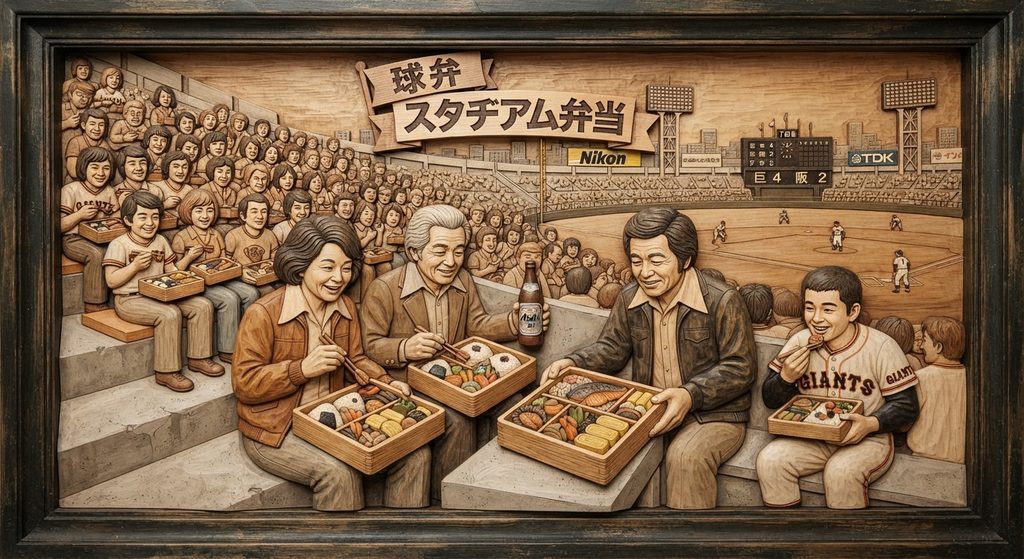
Figure 2. The Birth of Ballpark Bento
Description: A vintage-style photograph showing fans enjoying bento boxes at a Japanese baseball stadium in the 1970s. The image captures the early days of the “球弁” (kyūben) tradition, when boxed meals became a staple of the ballpark experience.
II. The Art of the Bento
The bento box is the heart of Japanese ballpark cuisine. More than just a meal, it is a carefully curated artistic expression that reflects seasonality, regional identity, and culinary craftsmanship.
This table 2 examines the cultural and artistic dimensions of the Japanese ballpark bento, from visual presentation and seasonal ingredients to player collaborations and limited editions.
Table 2. The Art of the Ballpark Bento
| Aspect | Description | Cultural Significance |
|---|---|---|
| Visual Presentation | Meticulously arranged compartments with color-balanced ingredients | Reflects Japanese aesthetics of harmony and beauty |
| Seasonal Ingredients | Ingredients chosen based on the season – sakura in spring, chestnuts in autumn | Connects the fan to the rhythm of the Japanese calendar |
| Regional Identity | Each stadium features local specialties – Hiroshima okonomiyaki, Sendai gyutan, Hakata ramen | Celebrates Japan’s diverse regional food cultures |
| Player Collaborations | Bento boxes named after and inspired by players | Brings fans closer to their favorite athletes |
| Limited Editions | Seasonal and commemorative bento boxes | Creates exclusivity and collector’s value |
| Ballpark Exclusivity | Many bento boxes are only available at the stadium | Enhances the unique value of the ballpark experience |
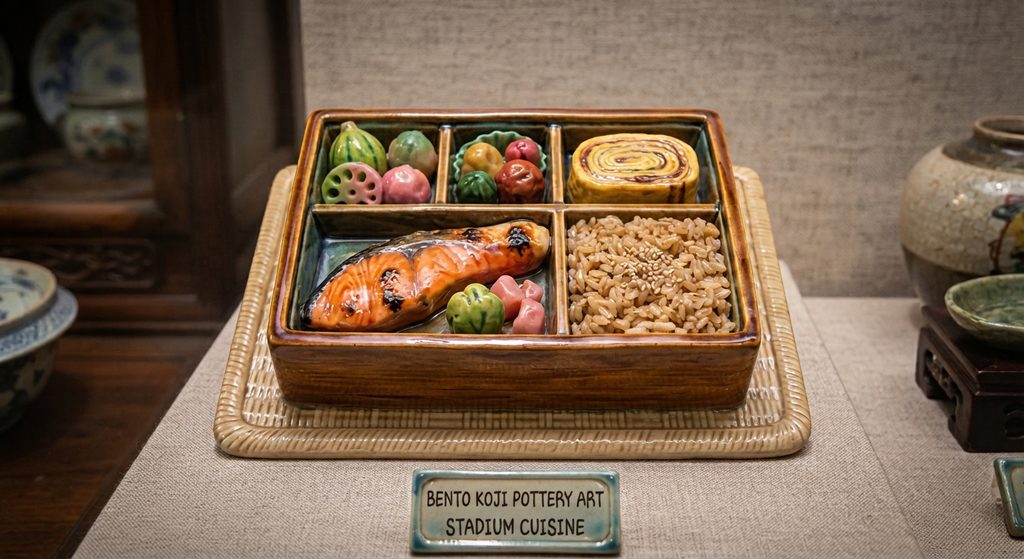
Figure 3. The Art of the Bento – A Culinary Masterpiece
Description: A mouth-watering close-up photograph of a beautifully arranged ballpark bento box. The image shows compartments with grilled salmon, tamagoyaki (rolled omelet), pickled vegetables, and seasoned rice, all presented with the precision and artistry that defines Japanese cuisine.
III. Stadium Signature Dishes
Each Japanese ballpark has its own signature dishes that fans eagerly anticipate. These regional specialties have become as important to the stadium experience as the game itself.
This table 3 presents the iconic signature dishes found in Japanese baseball stadiums, highlighting the regional diversity and culinary creativity of ballpark cuisine.
Table 3. Signature Dishes Across Japanese Ballparks
| Stadium | Signature Dish | Description |
|---|---|---|
| MAZDA Zoom-Zoom Stadium (Hiroshima) | Hiroshima-style Okonomiyaki | Savory pancake with noodles, cabbage, and toppings; local restaurants operate inside the stadium |
| Fukuoka PayPay Dome | Hakata Ramen | Rich tonkotsu broth with thin noodles; also motsunabe (offal hot pot) |
| Sapporo Dome | Soup Curry, Genghis Khan Lamb | Hokkaido specialties reflecting the region’s cold climate |
| Tokyo Dome (Yomiuri Giants) | Player-Produced Bento | Bento boxes inspired by players’ favorite foods |
| Meiji Jingu Stadium | Jingu Karaage (じんカラ) | Famous fried chicken; a stadium icon |
| Koshien Stadium | Koshien Curry | Curry rice served since the stadium opened in 1924 |
| Yokohama Stadium | Mikan Koori (Mikan Ice), Bay Kara | Mandarin orange shaved ice; signature fried chicken |
| ZOZO Marine Stadium | Seafood Specialties | Reflecting Chiba’s coastal location |
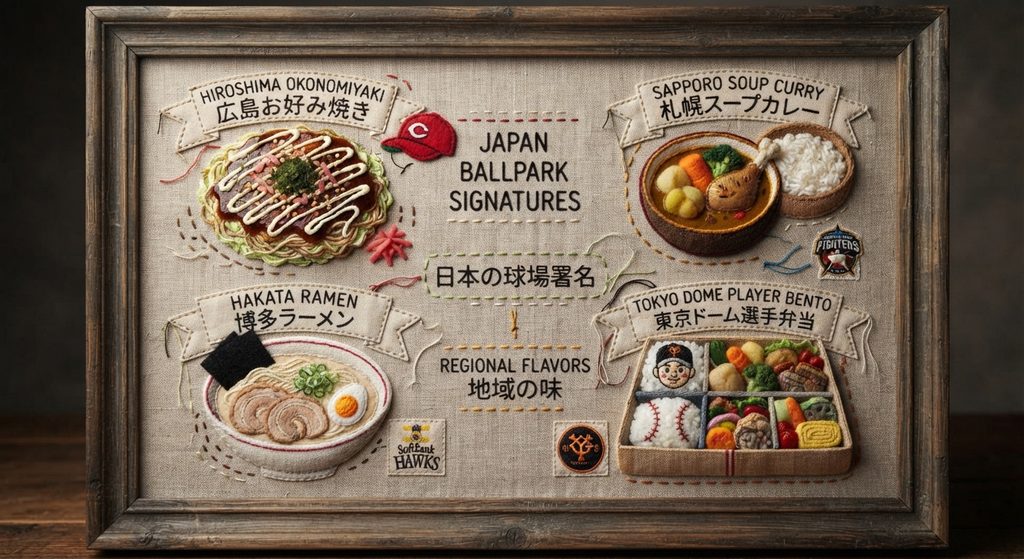
Figure 4. Stadium Signatures – Regional Flavors
Description: A collage of signature dishes from Japanese ballparks – Hiroshima okonomiyaki, Sapporo soup curry, Hakata ramen, and Tokyo Dome player bento. Each dish represents the unique culinary identity of its region.
IV. Player-Produced Menus and Fan Connection
One of the most beloved traditions in Japanese ballpark cuisine is the player-produced menu. These dishes allow fans to connect with their favorite players through food.
Table 4. Player-Produced Menus
| Element | Description | Example |
|---|---|---|
| Player Bento | Bento boxes named after and featuring a player’s favorite foods | Yomiuri Giants’ player bento boxes |
| Player Numbers | Menu items numbered with the player’s uniform number | Each player gets a signature dish with their number |
| Collector Stickers | Fans receive stickers featuring the player | A memento of the culinary experience |
| Collaboration Projects | Menus conceived by players or featuring local specialties from their hometowns | Chiba Lotte Marines’ “Player Meals” project |
| Limited Edition Menus | Seasonal or anniversary-limited menus | Special collaborations with anime, movies, or local chefs |
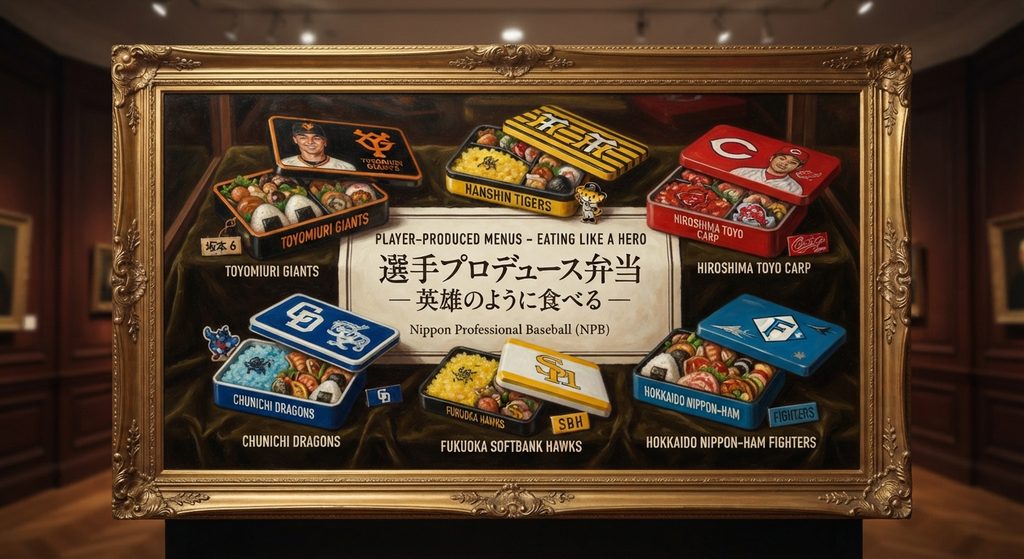
Figure 5. Player-Produced Menus – Eating Like a Hero
Description: A display featuring player-produced bento boxes from various NPB teams, showcasing the packaging, player names, and themed designs that make each meal unique.
2. International Comparison
Comparing Japanese ballpark food with other baseball cultures reveals the unique characteristics of Japanese culinary traditions.
This table 5 compares the ballpark food traditions of Japan with those of the United States, Taiwan, and the Dominican Republic, highlighting the unique characteristics of each culture’s culinary offerings.
Table 5. Comparative Analysis of Ballpark Food Traditions
| Aspect | Japan | United States | Taiwan | Dominican Republic |
|---|---|---|---|---|
| Signature Dish | Bento Box | Hot Dog | Fried Chicken with Bubble Tea | Empanadas with Tostones |
| Flavor Profile | Umami, balanced, seasonal, refined | Savory, smoky, tangy | Crispy, savory, sweet, chewy | Savory, crispy, hearty |
| Eating Style | Individual, carefully presented, often eaten with chopsticks | Individual, handheld | Shared, social, portable | Shared, family-style |
| Cultural Influence | Japanese aesthetics, seasonality, regional pride | German immigration, American innovation | Street food, night market culture | Spanish, African, Taíno fusion |
| Beverage Pairing | Green Tea, Beer, Sake | Beer, Soda | Bubble Tea | Beer, Tropical Juices |
| Key Feature | Player-produced menus; regional specialties; visual artistry | Hot dog as icon; regional specialties | Night market energy; social sharing | Family-style dining; tropical flavors |
| Dining Environment | Aesthetic presentation; chopsticks; beer girls | Casual; paper trays; finger food | Social; shared; portable | Family-style; communal |
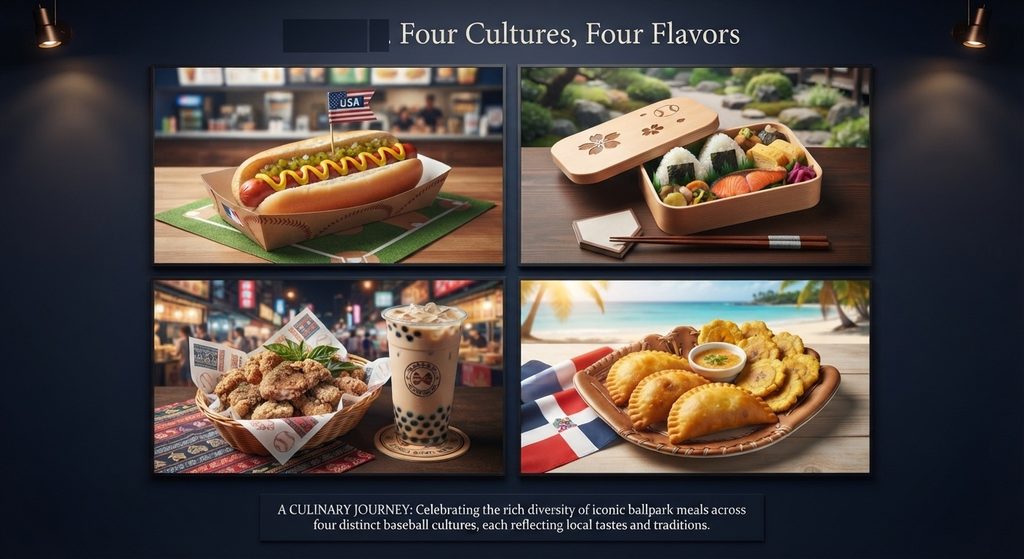
Figure 6. Ballpark Food Across Cultures
Description: A four-panel grid showing iconic ballpark meals from each culture. The Japan panel features a beautifully arranged bento box, highlighting the artistry, seasonality, and regional pride of Japanese ballpark cuisine.
3. Comparing Baseball and Soccer
Comparing ballpark food with stadium food in Japanese soccer reveals how different sports shape different food traditions.
This table 6 compares the stadium food traditions of baseball and soccer in Japan, highlighting the different culinary approaches inspired by each sport.
Table 6. Comparative Analysis of Stadium Food: Baseball and Soccer
| Aspect | Baseball | Soccer |
|---|---|---|
| Signature Food | Bento Box, Yakisoba, Takoyaki | Stadium Curry, Bento, Grilled Meat |
| Eating Style | Leisurely, multi-course over 3+ hours | Quick, often eaten standing or between halves |
| Season | Year-round (indoor/outdoor) | Year-round |
| Beverage | Beer, Green Tea, Sake | Beer, Soft Drinks |
| Cultural Association | Tradition, regional pride, player connection | Passion, team loyalty, atmosphere |
| Food Ritual | Purchasing player bento; collecting stickers | Pre-match meals; post-match celebrations |
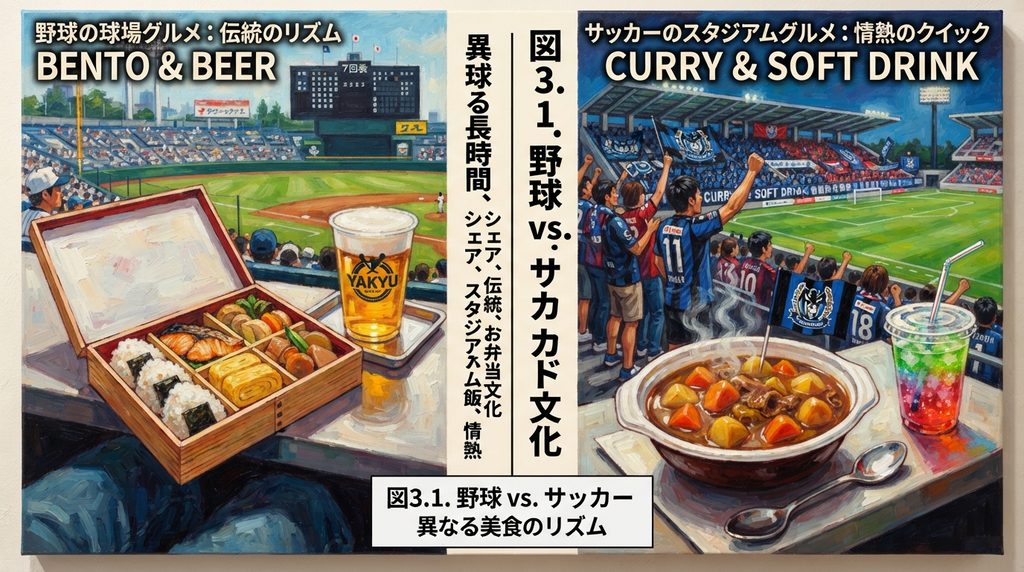
Figure 7. Baseball vs. Soccer Food Culture
Description: A side-by-side comparison of baseball and soccer food in Japan. The baseball side features a bento box and beer; the soccer side features stadium curry and a soft drink. The comparison highlights the different culinary rhythms of each sport.
4. Unique Artistic Analysis
The artistry of Japanese ballpark food lies in its visual presentation, seasonal sensitivity, and the cultural meaning embedded in every meal.
I. The Bento as an Art Form
- Color Harmony: The careful arrangement of colors – white rice, red pickled plum, green vegetables, golden egg – creates a visual masterpiece.
- Texture Variety: Soft rice, crisp vegetables, tender meat, and chewy tamagoyaki provide a symphony of textures.
- Composition: Each ingredient is placed with intention, creating a balanced and aesthetically pleasing composition.
II. Seasonal Sensitivity
- Spring: Cherry blossom motifs, fresh vegetables, light flavors
- Summer: Cooling dishes, refreshing pickles, chilled soba noodles
- Autumn: Mushrooms, chestnuts, hearty flavors, warming broths
- Winter: Hot pot-style bento, warming soups, comfort foods
III. The Ritual of Eating at the Ballpark
- Pre-Game Shopping: Fans arrive early to explore food options and purchase their preferred bento
- The Bento as Souvenir: Limited-edition bento boxes and stickers become collectibles
- Shared Experience: Families and friends share and compare their bento choices
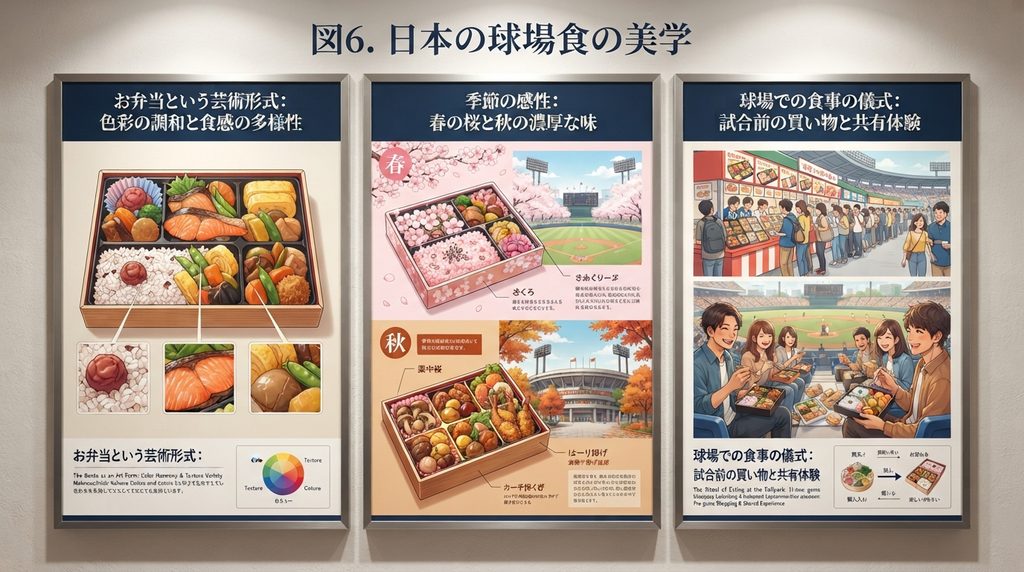
Figure 8. The Aesthetics of Japanese Ballpark Food
Description: A three-panel educational display illustrating the aesthetic principles of Japanese ballpark food: The Bento as an Art Form (color harmony and texture variety), Seasonal Sensitivity (cherry blossoms in spring, hearty flavors in autumn), and The Ritual of Eating at the Ballpark (pre-game shopping and shared experience).
5. Artistic Transformation and Future Creation (Cross-Media Artistic Interpretation)
Japanese ballpark food has inspired artists across multiple media, celebrating the flavors and traditions of Japanese baseball culture.
Artistic Interpretation I: Photography – “The Bento Collection”
- Concept: A series of high-quality photographs showcasing the artistry of ballpark bento boxes from across Japan. Each photograph captures the bento in its stadium setting, highlighting the colors, textures, and cultural context.
- Visual Highlight: The photographs celebrate the bento as both a meal and a work of art.
Artistic Interpretation II: Illustration – “Stadium Flavors”
- Concept: A series of illustrations depicting the signature dishes of each NPB stadium. Each illustration captures the essence of the dish and the atmosphere of the ballpark.
- Visual Highlight: The illustrations transform ballpark food into vibrant, stylized art.
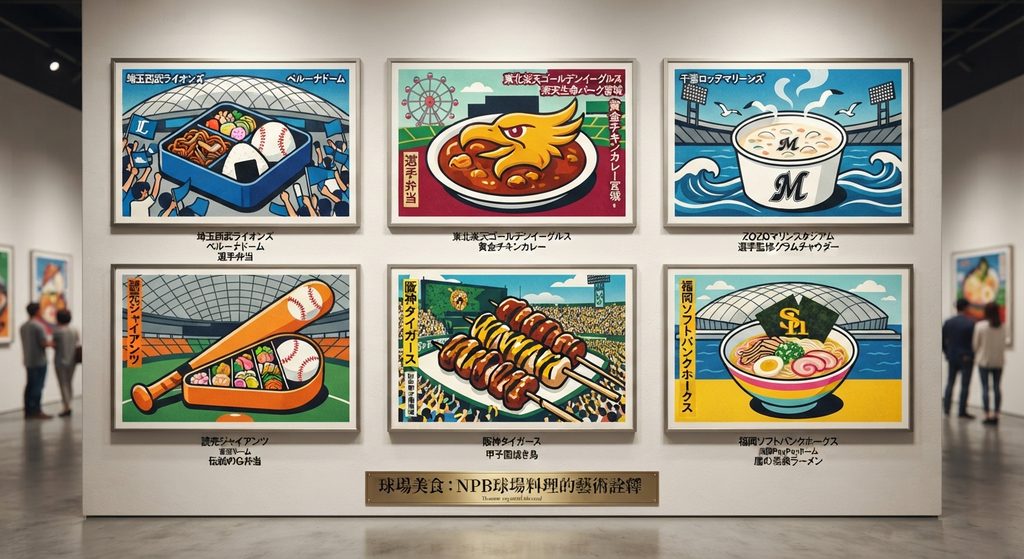
Figure 9. Stadium Flavors: Artistic NPB Ballpark Cuisine Series
Artistic Interpretation III: Sculpture – “The Ballpark Bento”
- Concept: A series of oversized sculptures of iconic Japanese ballpark foods – a giant bento box, a towering bowl of yakisoba, a massive takoyaki. The sculptures are playful and celebrate the joy of ballpark food.
- Visual Highlight: The oversized food sculptures create a fun, immersive experience for visitors of all ages.
6. Art & SAT Education
7. Game Zone
Activity: “Build Your Kyūben – Create Your Ballpark Bento”
In this interactive zone, visitors build their own Japanese ballpark bento by selecting dishes, regional specialties, and drinks.
References
Baseball Art Museum. (2026). Japan Ballpark Meals Gallery Exhibition Guide. Baseball Art Museum.
CHAKAS Bento. (2026). プロ野球観戦と弁当文化|球場グルメはなぜ定着したのか. CHAKAS Bento.
NPB Chronicle. (2025). The evolution of ballpark food – Stadium cuisine and regional culture. NPB Chronicle.
SJMC Japan. (2024). A culinary grand slam: Ballpark food at Tokyo Dome. SJMC Japan.
三立新聞網. (2019, March 15). 球迷必吃!巨人續推陽岱鋼便當 還有「陽」風熱狗堡. 三立新聞網.
朝日新聞. (2024, August 7). スタジアムグルメの元祖・甲子園カレー 愛され続けて100年の味. 朝日新聞デジタル.
日刊スポーツ. (2024, July 23). 100歳 甲子園球場物語 – 甲子園カレーも親しまれ、愛されて1世紀. スポニチ Sponichi Annex.
Asia Society. (2013, April 2). Photos: A look at baseball food culture in Japan. Asia Society.
Wikipedia. (n.d.). Ekiben. In Wikipedia.
日本プロ野球球場グルメ. (2026). 12球団スタジアムグルメ(球場飯)完全ガイド. Teams.one.