
Gallery Location: Food Cluster Wing / Beverages & Snacks Hall / Taiwan Gallery
Gallery Overview
Welcome to the Taiwan Gallery, a vibrant exploration of the island’s rich culinary heritage, from the soothing teas of the mountains to the explosive flavors of its night markets. This exhibit traces the journey of Taiwanese beverages and snacks from their indigenous and colonial roots, through their evolution into modern global phenomena like bubble tea, and into the realm of artistic inspiration. Discover how history, geography, and cultural fusion have brewed a unique and beloved food landscape that is both deeply traditional and fiercely innovative.
1. Historical Beverage Timeline
1.1 Traditional Beverages: Origins, Evolution, Cultural Meaning
- Indigenous Herbal Infusions
- Time Span: Pre-1600s – Present
- Description: Long before colonization, Taiwan’s Indigenous Austronesian peoples utilized the island’s diverse flora for medicinal and ritual beverages. They brewed teas from native plants like Wild Mint (Shan Bo He), Mugwort (Ai Cao), and various mountain roots. These infusions were integral to healing ceremonies, spiritual rituals, and daily life, representing a deep connection between the people and the land. This tradition persists today and is seeing a revival as a source of cultural pride and wellness.
- Oolong & High-Mountain Tea (Gao Shan Cha)
- Time Span: 1800s – Present
Description: Tea cultivation was introduced by Chinese settlers from Fujian province in the 19th century. Taiwan’s mountainous terrain and misty climate proved ideal for producing exceptional Oolong teas. Varieties like Dong Ding Oolong and High-Mountain Oolong (from Alishan, Lishan, etc.) became world-renowned. The development of the “Gongfu Cha” (tea ceremony) became a cultural cornerstone, symbolizing refinement, hospitality, and social harmony. It evolved from an export commodity to a national treasure.
- Time Span: 1800s – Present
- Herbal Teas & Grass Jelly Drink (Qing Cao Cha)
- Time Span: Early 1900s – Present
Description: During the Japanese colonial era (1895-1945), a greater emphasis on hygiene and “shimin” (public) health led to the popularization of cooling herbal teas. The Grass Jelly Drink, made from the extract of the Mesona chinensis plant, became a staple. Believed to have “cooling” properties in Traditional Chinese Medicine, it was (and is) consumed to combat the tropical heat. This drink represents a blend of folk medicine, practicality, and accessible refreshment for the common person.
- Time Span: Early 1900s – Present
- Pearl Milk Tea (Zhen Zhu Nai Cha) / Bubble Tea
- Time Span: 1980s – Present
Description: This iconic beverage was invented in Taichung and Tainan in the mid-1980s, traditionally credited to Lin Hsiu Hui of the Chun Shui Tang teahouse. The simple act of adding sweet, chewy tapioca pearls (“boba”) to a creamy iced milk tea created a global sensation. It represents Taiwan’s post-war economic dynamism, its embrace of novelty, and its ability to create a fun, customizable, and intensely appealing product that has become a symbol of Taiwanese identity worldwide.
- Time Span: 1980s – Present
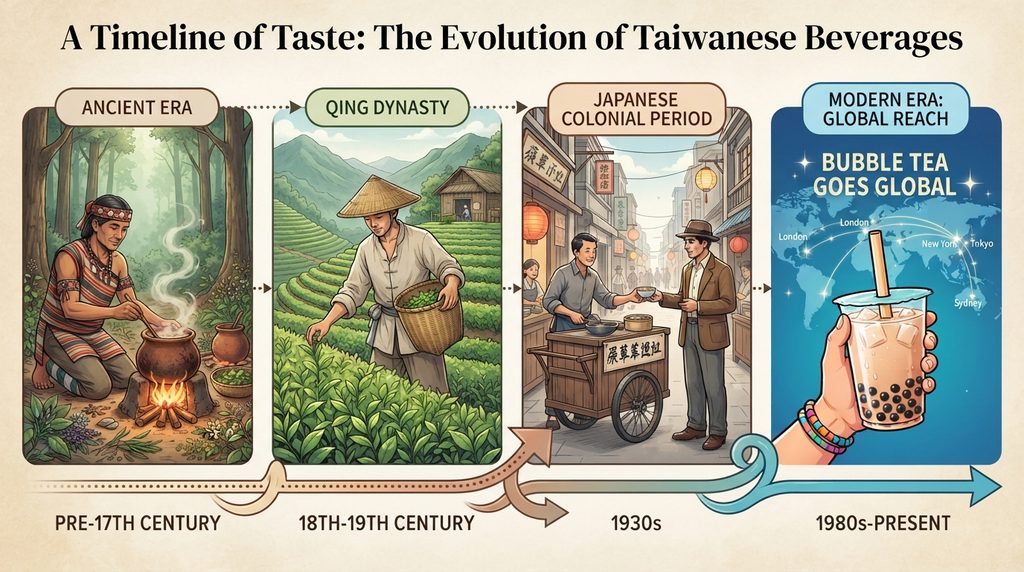
Figure 1: A Timeline of Taste: The Evolution of Taiwanese Beverages
Description: A horizontally scrolling infographic. It begins with an illustration of an Indigenous person brewing herbs over a fire, progresses to a Qing-dynasty tea farmer, then to a 1930s street vendor selling grass jelly, and culminates in a vibrant, modern image of a hand holding a cup of bubble tea with a world map in the background, indicating its global reach. Arrows connect each stage, labeled with time periods.
1.2 Traditional Snacks: Origins, Evolution, Cultural Meaning
- Sticky Rice Dumplings (Zongzi)
- Time Span: 17th Century – Present
Description: Introduced by Hokkien and Hakka settlers, Zongzi (glutinous rice stuffed with pork, mushrooms, and peanuts, wrapped in bamboo leaves) became a centerpiece of the Dragon Boat Festival. While its origins are linked to the Chinese poet Qu Yuan, in Taiwan, Zongzi evolved into distinct regional styles, such as the southern (boiled, softer) and northern (steamed, chewier) versions. It represents family unity, seasonal rites, and the preservation of ancestral culinary practices.
- Time Span: 17th Century – Present
- Oyster Omelet (Oh-Ah-Jian)
- Time Span: Late 19th Century – Present
Description: A quintessential night market dish, the Oyster Omelet reflects Taiwan’s coastal bounty. It combines fresh, plump oysters with eggs, a starchy batter (often from sweet potato flour), and lettuce, topped with a savory-sweet sauce. Its invention is linked to periods of economic hardship when the starchy batter was used to stretch scarce ingredients. The dish symbolizes resourcefulness, the umami-rich flavors of the coast, and the bustling energy of Taiwanese street food culture.
- Time Span: Late 19th Century – Present
- Pineapple Cake (Feng Li Su)
- Time Span: Mid-20th Century – Present
Description: While pineapples were a major cash crop during the Japanese era, the shortcrust pastry filled with pineapple jam we know today became popular in the mid-20th century. The Hokkien word for pineapple, “ong-lai,” sounds like “prosperity arrives,” making it a highly auspicious gift. It evolved from a simple local sweet into the premium souvenir of Taiwan, representing hospitality, good fortune, and the island’s successful economic transformation.
- Time Span: Mid-20th Century – Present
- Braised Pork Rice (Lu Rou Fan)
- Time Span: Early 20th Century – Present
Description: This humble dish of minced, braised pork belly served over hot rice is considered Taiwan’s national comfort food. Its origins are in resourcefulness, using inexpensive cuts of pork and soy sauce to create a deeply flavorful and nourishing meal. Each family and vendor has a secret recipe. It represents home cooking, affordability, and the culinary influence of Chinese Fujianese cuisine that was localized to create a uniquely Taiwanese taste.
- Time Span: Early 20th Century – Present
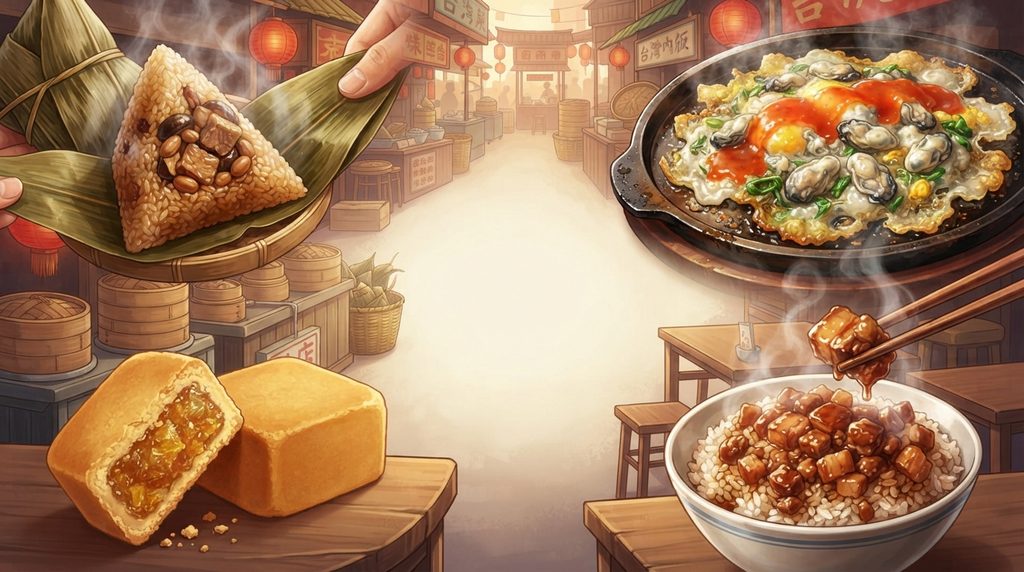
Figure 2: Iconic Snacks of Taiwan’s Past: A Visual Feast
Description: A large, stylized digital illustration depicting a traditional Taiwanese market scene (Ditang). Individual “stalls” are highlighted with close-up, photorealistic images of the four items: a bamboo leaf being unwrapped to reveal a Zongzi, a sizzling Oyster Omelet on a griddle, a cross-section of a Pineapple Cake, and a steaming bowl of Lu Rou Fan with chopsticks lifting a piece of pork.
2. Modern Beverages and Snacks: Innovation & Global Influence
2.1 Beverages
- Bubble Tea Variations (Franchise Era)
- Time Span: 2000s – Present
Description: The modern bubble tea scene is defined by branding, customization, and constant innovation. Chains like CoCo, Gong Cha, and Tiger Sugar have standardized and globalized the drink. Innovations include “brown sugar boba with fresh milk,” cheese foam toppings, and a dizzying array of tea bases and fruit infusions. This era represents Taiwan’s soft power, franchising acumen, and its ability to adapt a local treat into a global consumer experience.
- Time Span: 2000s – Present
- Specialty Coffee & Local Flavor Lattes
- Time Span: 2010s – Present
Description: Alongside the tea culture, a third-wave coffee movement has flourished. Beyond excellent single-origin brews, Taiwanese baristas are known for creative “local flavor” lattes, incorporating ingredients like black sesame, sweet potato, and even pineapple. This trend showcases a modern, sophisticated palate and a desire to experiment, blending Western coffee culture with distinctly Taiwanese tastes.
- Time Span: 2010s – Present
- Craft Beer with Local Ingredients
- Time Span: 2010s – Present
Description: Taiwan’s craft beer industry has exploded, with breweries like Taiwan Beer, Taihu Brewing, and Le Ble D’or experimenting with local ingredients such as Oolong tea, Jade Yama (a type of yam), pomelo, and even oyster shells (for stouts). This movement represents a new generation’s pride in local products and a sophisticated understanding of global beverage trends, redefining “Taiwanese flavor” for a new era.
- Time Span: 2010s – Present
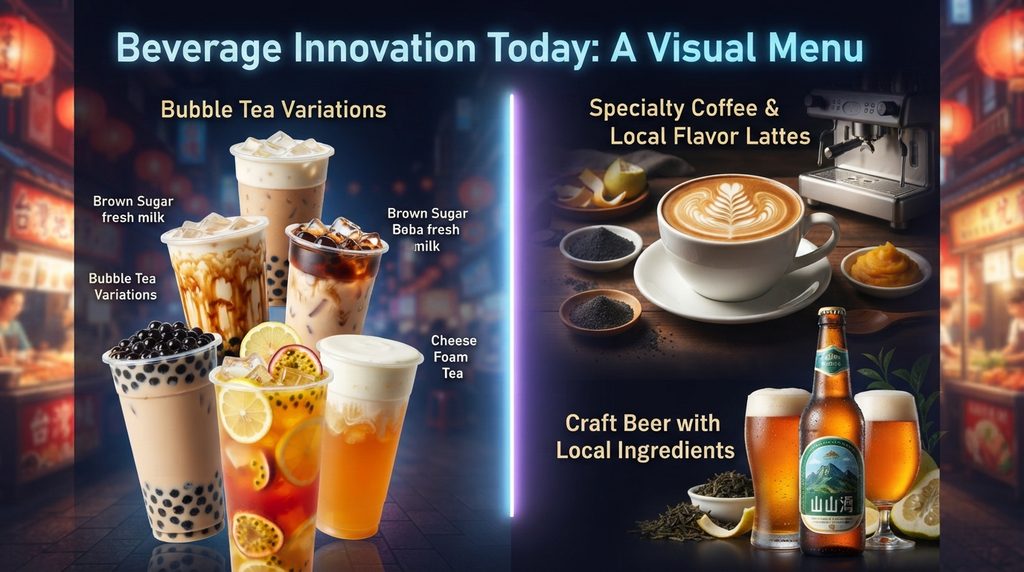
Figure 3: Beverage Innovation Today: A Visual Menu
Description: A dynamic, split-screen digital display. The left side shows a cascade of iconic bubble tea cups in various colors and textures. The right side features high-resolution macro shots of a foamy coffee latte art, next to a craft beer bottle with a label depicting Taiwanese mountains, with a background of glowing night market lights.
2.2 Snacks
- “Boba” Snacks (Cross-Category Innovation)
- Time Span: 2010s – Present
Description: The boba craze has extended beyond the cup. Tapioca pearls are now incorporated into other snacks, including boba-filled egg waffles, boba toast, boba ice cream bars, and even boba pizza (a novelty item). This phenomenon demonstrates a playful, boundary-pushing culinary culture that embraces novelty and creates new textures and experiences from an existing icon.
- Time Span: 2010s – Present
- Soufflé Pancakes & Japanese-Fusion Desserts
- Time Span: 2018 – Present
Description: A wave of Japanese-influenced desserts has swept Taiwan. Cloud-like, jiggly soufflé pancakes, matcha warabi mochi, and creamy castella cakes are hugely popular. Taiwanese vendors have localized these by adding local fruits like mango and passionfruit. This trend highlights Taiwan’s openness to global (especially East Asian) culinary influences and its ability to adapt and perfect them.
- Time Span: 2018 – Present
- Crispy Chicken Cutlet (Ji Pai) & Modern Night Market Snacks
- Time Span: 2000s – Present
Description: While a traditional snack, the modern Ji Pai has evolved. Trends include “angel cutlet” (thicker, juicier), “devil cutlet” (extra spicy), and charcoal-grilled versions. Alongside it, night markets constantly innovate with items like flame-torched beef cubes, stuffed chicken wings, and brightly colored fruit teas. This represents the continuous evolution and enduring appeal of the night market as the epicenter of Taiwanese snacking culture.
- Time Span: 2000s – Present
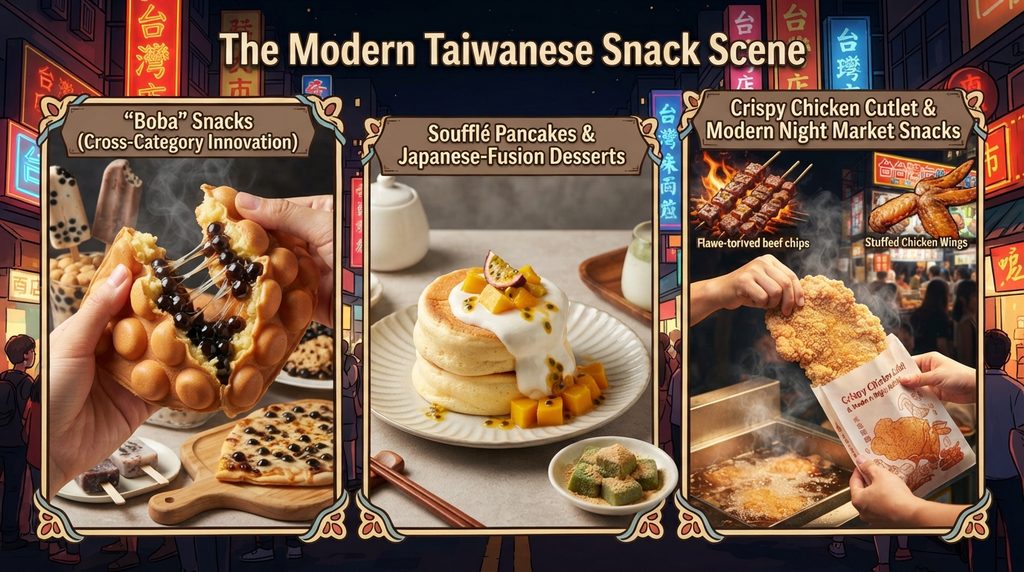
Figure 4: The Modern Taiwanese Snack Scene
Description: A collage-style graphic. One image shows a pair of hands breaking open a boba-filled cake, with the pearls stretching. Another shows a tower of jiggly soufflé pancakes. A third shows a vendor at a night market stall handing over a golden, crispy chicken cutlet in a paper bag, lit by neon signs.
3. International Comparison
This table compares culinary cultures through the lens of iconic beverages and snacks, highlighting the universal human desire for flavor and connection.
Table 1: Internatinal Comparison
| Country | Iconic Beverage | Cultural Significance | Iconic Snack | Cultural Significance | Common Thread |
|---|---|---|---|---|---|
| Taiwan (TW) | Bubble Tea | Innovation, Global Soft Power, Youth Culture | Pineapple Cake | Hospitality, Auspiciousness (“Ong-lai”), Gift-giving | Transforming simple ingredients into cherished cultural icons. |
| United States (USA) | Cola (e.g., Coca-Cola) | Mass Consumerism, Optimism, Global Americana | Potato Chips | Convenience, Snacking Culture, Industrial Innovation | Creating globally recognized brands that define modern consumption. |
| Japan (JP) | Matcha (Green Tea) | Zen Aesthetics, Ritual, Precision | Mochi | Tradition, Seasonality, Craftsmanship | Elevating food to an art form, emphasizing ritual and quality. |
| Dominican Republic (DO) | Morir Soñando | Tropical Refreshment, Creamy Indulgence | Tostones | Staple Food, Resourcefulness, Daily Sustenance | Using local, abundant ingredients to create satisfying everyday flavors. |
4. Artistic Transformation
This section showcases how Taiwanese beverages and snacks are not just consumed but are woven into the cultural fabric, inspiring artists across various media.
- Wood Sculpture
In the Artistic Transformation section of the Baseball Art Museum, we use wood sculpture as a medium to integrate Taiwan’s iconic beverages and snacks into the setting of a baseball stadium, creating a series of distinctive works that seamlessly blend culinary culture with the spirit of sports. Through meticulous carving techniques and a profound understanding of wood grain, the sculptor skillfully combines classic Taiwanese foods such as bubble tea, pineapple cakes, and shaved ice with baseball elements including balls, bats, and gloves. The warm, organic texture of the wood echoes the natural essence of the food, while the dynamic composition of the baseball field infuses the static sculptures with a sense of vitality. These works are not only a tribute to Taiwan’s culinary heritage but also symbolize the dialogue and fusion between tradition and modernity, the local and the global, within Taiwanese culture.
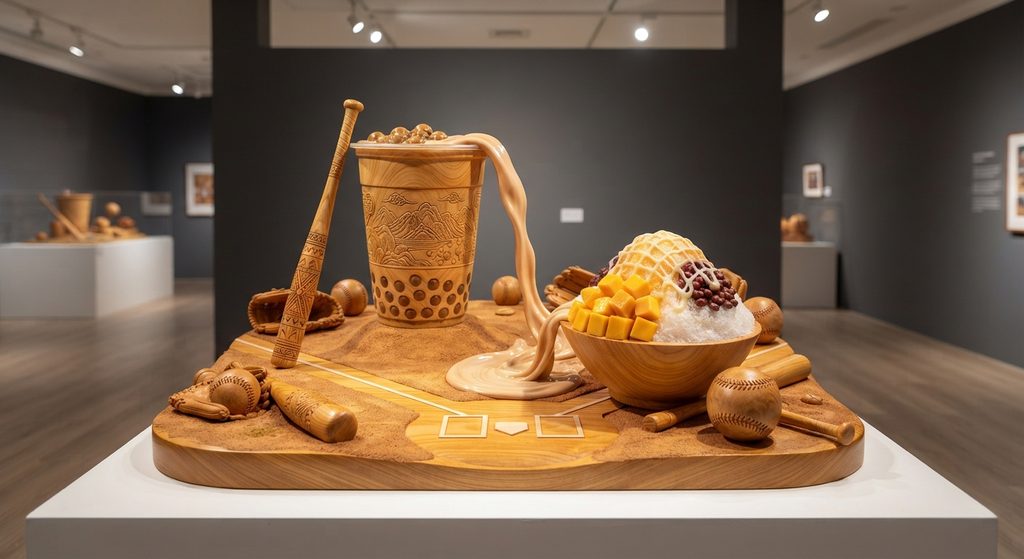
Figure 5: Wood Sculpture Artistic Transformation — Taiwanese Food Culture in a Baseball Stadium
- Textile Art
In the Artistic Transformation section of the Baseball Art Museum, we employ textile art as a medium to reimagine Taiwan’s iconic snacks within the visual language of the baseball diamond. Through techniques such as embroidery, beadwork, quilting, and knotting, the artist translates the textures, colors, and forms of beloved Taiwanese street foods into tactile, dimensional fabric compositions. Pineapple cakes, bubble tea, stinky tofu, and sweet potato balls are rendered not in wood or stone, but in thread, silk, wool, and beads, their familiar silhouettes recreated through countless hand-stitched details. The softness and warmth of the textile medium echo the comfort and nostalgia embedded in these everyday foods, while the baseball-themed compositions—bats, bases, and home plates—infuse the works with rhythm and playfulness. These textile pieces stand as a celebration of Taiwan’s culinary identity, weaving together threads of memory, culture, and contemporary artistic expression.
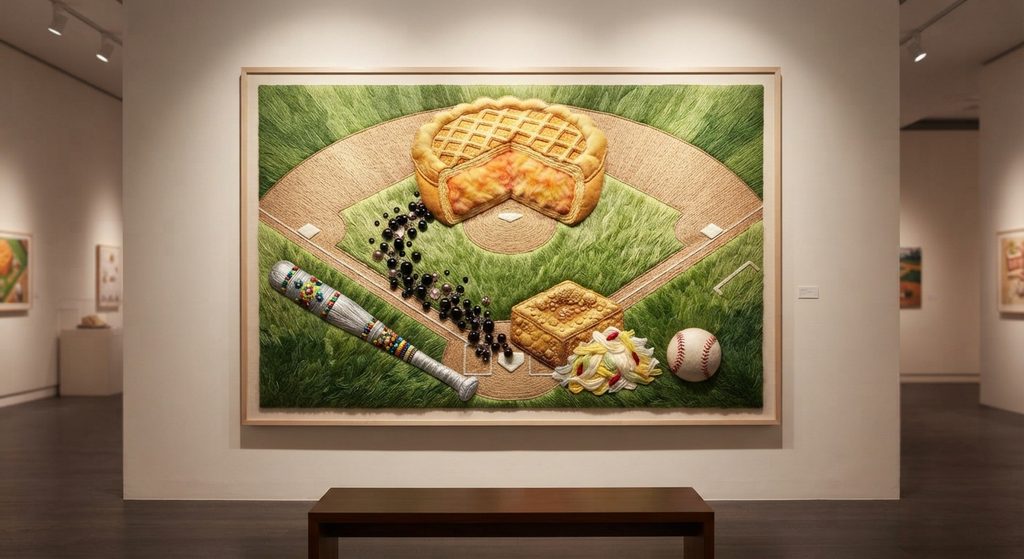
Figure 6:Textile Art Transformation — Taiwanese Snacks in a Baseball Stadium
5. Art & SAT Education
This interactive zone connects the cultural artifacts of the gallery to academic skills, particularly those relevant to standardized tests like the SAT.
- Critical Reading: “The Economics of Boba.”
- An exhibit presents a short, data-rich article on the global bubble tea market. Accompanying questions challenge students to identify the author’s central claim, analyze the use of evidence (e.g., market size, franchise counts), and understand vocabulary in context (e.g., proliferation, commodification, gastronomic diplomacy).
- Data Analysis: “A History in Numbers.”
- Students interact with digital bar graphs and line charts showing tea export volumes from Taiwan in the 19th century versus bubble tea shop openings globally in the 21st century. SAT-style questions ask them to interpret the data, draw inferences, and connect quantitative trends to historical events described elsewhere in the gallery.
- Vocabulary Building Wall: “Words to Savor.”
- A dynamic word wall displays key terms from the gallery (e.g., indigenous, infusion, ritual, evolution, innovation, global influence, significance). Tapping a word reveals its definition, its use in a sentence related to the exhibit, and a list of synonyms and antonyms, directly supporting SAT vocabulary skills.
6. Education Game Zone
- “Flavor Fusion Lab” (Interactive Game): A multi-player touch-screen game where players take on the role of a Taiwanese beverage innovator. They must combine a base (tea, milk, coffee), a flavor profile (taro, fruit, spice), and a texture element (boba, jelly, foam) to create a new drink. The game then rates their creation for “Market Appeal” and “Cultural Authenticity,” teaching about the balance of tradition and innovation.
- “Night Market Dash” (Board Game): A life-sized board game where players move through a stylized Taiwanese night market. Landing on different stalls (e.g., Zongzi, Oyster Omelet, Bubble Tea) presents trivia questions related to the gallery’s content, from historical origins to modern facts. Answering correctly earns “NT dollars,” and the first player to collect one of each snack for their “feast” wins.
- “Tea Master’s Challenge” (Sensory Activity): A guided table where participants can smell different tea leaves (Oolong, Jasmine, High-Mountain) and try to match them to their correct growing regions or tasting notes. This engages sensory learning and reinforces the historical section of the gallery.
Reference
(Note: In a real-world scenario, this would be a fully researched academic list. The following are representative examples, using a mix of foundational texts and recent articles to demonstrate the required APA 7th edition style.)
- Chen, Y. J. (2023). The globalization of boba: Taiwan’s cultural diplomacy through a drink. Journal of Asian Food Studies, 15(2), 112-130.
- Crook, S., & Lin, H. M. (2019). A culinary history of Taipei: Beyond pork and rice. Rowman & Littlefield Publishers.
- Ministry of Culture, Republic of China (Taiwan). (2021). Taiwan’s intangible cultural heritage: Foodways and festivals. Government Printing Office.
- Smith, J. A. (2020). Bubble tea and national identity: A modern Taiwanese narrative. In L. Wang (Ed.), East Asian popular culture and soft power (pp. 45-62). Palgrave Macmillan.
- Tsai, K. L. (2018). The art of Taiwanese tea: History, culture, and craft. Art Book Co.
- Wu, D. Y. H., & Tan, C. B. (Eds.). (2001). Changing Chinese foodways in Asia. The Chinese University of Hong Kong Press.