

Country: USA
Gallery Location: Food Cluster Wing / Beverages & Snacks Hall / USA Gallery
Gallery Overview
Welcome to the USA Gallery, a dynamic exploration of America’s iconic beverages and snacks—from the bubbling fountains of 19th-century soda shops to the global dominance of fast-food culture. This exhibit traces the journey of American refreshments from their colonial and industrial roots, through the golden age of mass production, to today’s craft beverage renaissance and snack innovation. Discover how immigration, industrialization, and a relentless spirit of reinvention have shaped a culinary landscape that is bold, diverse, and unmistakably American.
1. Historical Beverage Timeline
1.1 Traditional Beverages: Origins, Evolution, Cultural Meaning
- Colonial Apple Cider
- Time Span: 1600s – 1800s
- Description: Before water was considered safe, hard apple cider was the beverage of choice for American colonists. Apples were brought by European settlers, and orchards flourished across New England. Cider was consumed by all ages, including children in a diluted form called “ciderkin.” It represented self-sufficiency, agricultural abundance, and the practical resourcefulness of early American life.
- Root Beer & Herbal Tonics
- Time Span: 1800s – Present
- Description: Root beer emerged from Indigenous American herbal traditions and European small beer practices. Made from sassafras root, wintergreen, and other botanicals, it was initially marketed as a health tonic before evolving into a beloved soft drink. Brands like Hires (1876) and A&W (1919) commercialized root beer, transforming it into an American icon of nostalgia, soda fountains, and summer cookouts.
- Coffee: From Revolution to Ritual
- Time Span: 1700s – Present
- Description: Coffee became the patriotic beverage of choice after the Boston Tea Party of 1773, when tea was rejected as a symbol of British tyranny. By the 19th century, coffee houses were centers of commerce and political discourse. In the 20th century, brands like Folgers and Maxwell House standardized American coffee as a daily ritual. Today, the “third-wave” coffee movement has elevated the American cup to an artisanal craft.
- Cola: The Rise of American Soft Drinks
- Time Span: 1880s – Present
- Description: Coca-Cola was invented in 1886 by Atlanta pharmacist John Pemberton, followed by Pepsi-Cola in 1893. These colas evolved from medicinal tonics into the world’s most recognized beverages, becoming symbols of American consumer culture, mass marketing, and global capitalism. The “cola wars” of the 1980s cemented their place in popular culture, while their global reach made them ambassadors of American soft power.
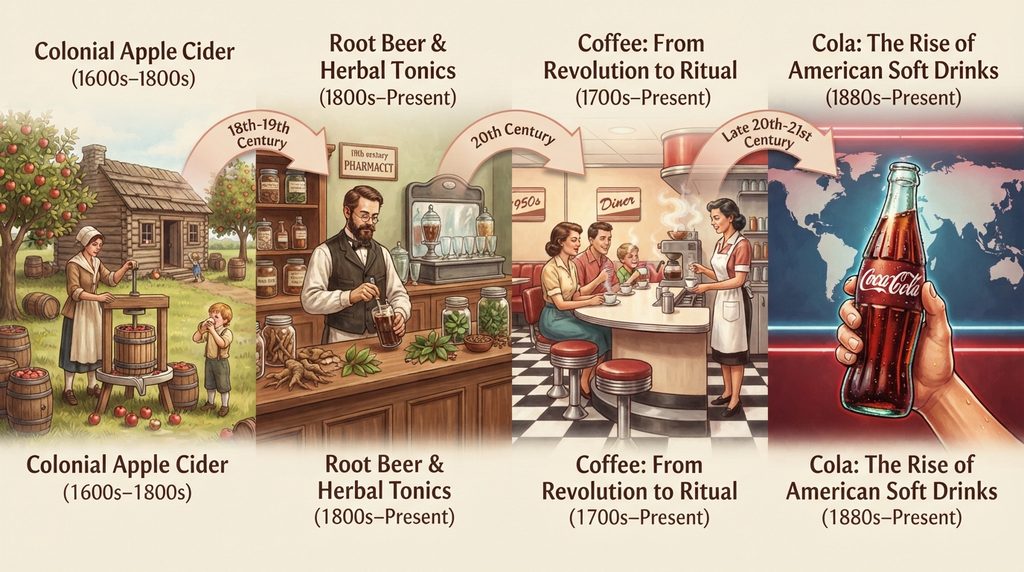
Figure 1: A Timeline of Taste: The Evolution of American Beverages
Description: A horizontally scrolling infographic. It begins with a colonial settler pressing apples for cider, progresses to a 19th-century soda fountain serving root beer, then to a mid-century American family drinking coffee at a diner counter, and culminates in a modern image of cola bottles on a world map, symbolizing global reach.
1.2 Traditional Snacks: Origins, Evolution, Cultural Meaning
- Popcorn
- Time Span: Pre-Columbian – Present
- Description: Popcorn has been part of the Americas for thousands of years, enjoyed by Indigenous peoples long before European contact. It became a popular street food in the 19th century, sold by vendors with steam-powered carts. Its association with movie theaters began during the Great Depression, when it became an affordable luxury. Today, popcorn represents the quintessential American snacking experience—simple, versatile, and deeply tied to entertainment culture.
- Cracker Jack & the Birth of Packaged Snacks
- Time Span: 1890s – Present
- Description: Cracker Jack, introduced at the 1893 World’s Columbian Exposition, combined popcorn, peanuts, and molasses into a portable, packaged treat. It became the first nationally distributed snack brand, immortalized in the 1908 song “Take Me Out to the Ball Game.” Cracker Jack represents the industrialization of American snacking and the deep connection between food and baseball culture.
- Chocolate Chip Cookies
- Time Span: 1930s – Present
- Description: Invented by Ruth Wakefield at the Toll House Inn in Massachusetts in 1938, the chocolate chip cookie became an American icon of home baking. The recipe was printed on Nestlé chocolate packages, spreading its popularity nationwide. It represents comfort, family tradition, and the enduring appeal of homemade American desserts. The cookie later inspired the development of packaged brands like Chips Ahoy! and Mrs. Fields.
- Peanut Butter & Jelly Sandwich
- Time Span: Early 1900s – Present
- Description: The PB&J became a staple of American childhood during the mid-20th century, combining affordable ingredients—sliced bread, peanut butter, and jelly—into a portable, satisfying meal. Its popularity grew during World War II, when peanut butter was included in military rations. The PB&J represents American practicality, nostalgia, and the simple comforts of home.
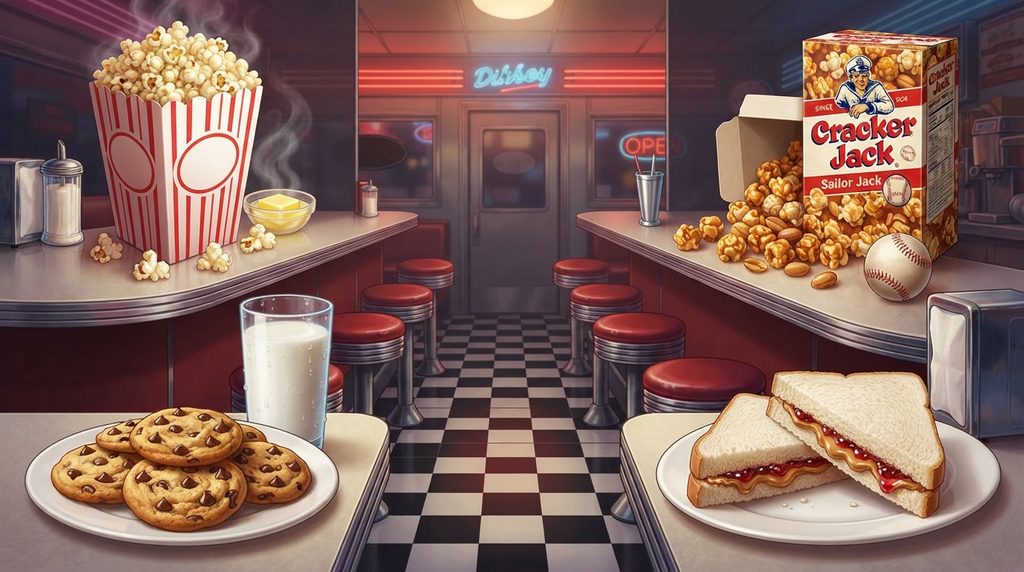
Figure 2: Iconic Snacks of America’s Past: A Visual Feast
Description: A large, stylized digital illustration depicting a 1950s American diner counter. Highlighted items include a bowl of freshly popped popcorn, a box of Cracker Jack with a baseball motif, a plate of warm chocolate chip cookies with milk, and a neatly cut PB&J sandwich on white bread.
2. Modern Beverages and Snacks: Innovation & Global Influence
2.1 Beverages
- Craft Soda & Artisanal Soft Drinks
- Time Span: 2000s – Present
- Description: The craft beverage movement has revived small-batch soda making, with brands like Jones Soda, Maine Root, and craft colas using natural sweeteners and unique flavors. These sodas represent a reaction against mass-market uniformity, emphasizing quality, locality, and creative flavor combinations like cucumber, lavender, and ginger. The movement reflects a broader American trend toward artisanal consumption and the reclamation of traditional crafts.
- Cold Brew & Nitro Coffee
- Time Span: 2010s – Present
- Description: Cold brew coffee has transformed American coffee culture, offering a smoother, less acidic alternative to traditional iced coffee. Nitro coffee, infused with nitrogen for a creamy, Guinness-like texture, has become a café sensation. This trend demonstrates America’s willingness to innovate and elevate familiar beverages, blending scientific precision with culinary artistry.
- Hard Seltzer & Ready-to-Drink Cocktails
- Time Span: 2018 – Present
- Description: The explosive rise of hard seltzers like White Claw and Truly represents a major shift in American drinking habits. Marketed as light, refreshing, and low-calorie, these beverages have captured the millennial and Gen Z markets. The subsequent wave of premium ready-to-drink canned cocktails reflects America’s convenience culture and appetite for innovation in the alcohol industry.
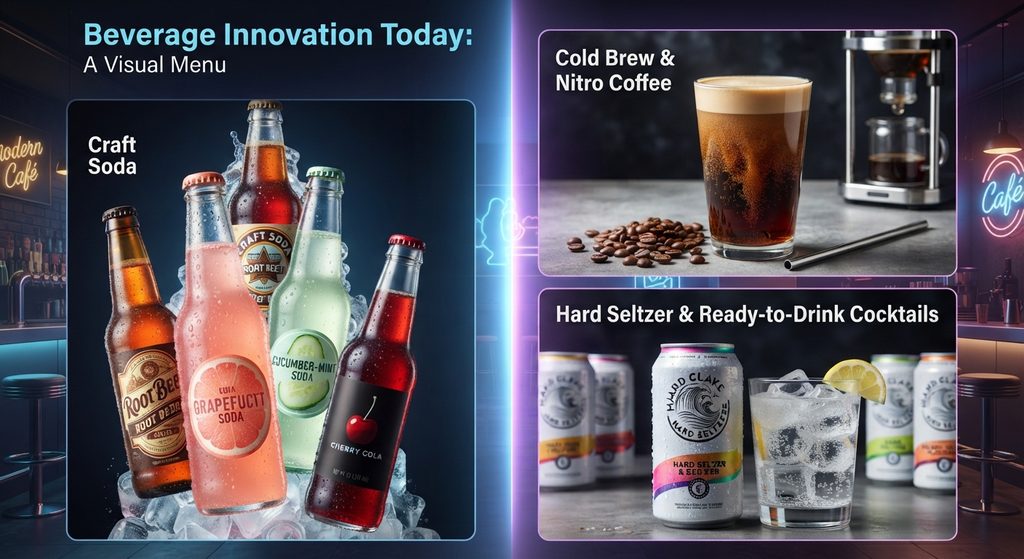
Figure 3: “Beverage Innovation Today: A Visual Menu”
Description: A dynamic, split-screen digital display. The left side shows a cascade of colorful craft soda bottles in various flavors. The right side features a glass of nitro coffee with cascading bubbles, next to an ice-cold hard seltzer can with a sleek, modern label, all against a backdrop of contemporary bar and café lighting.
2.2 Snacks
- Gourmet Popcorn Revival
- Time Span: 2000s – Present
- Description: Gourmet popcorn brands like Garrett Popcorn, Boomchickapop, and artisanal shops have elevated popcorn from a simple snack to a premium treat. Flavors like Chicago-style cheddar caramel, truffle parmesan, and sriracha lime have redefined the category. This trend represents America’s ability to reinvent nostalgic foods for modern, sophisticated palates.
- Beef Jerky & Artisanal Meat Snacks
- Time Span: 2010s – Present
- Description: Once a simple frontier staple, beef jerky has undergone a gourmet transformation. Brands like Krave, Country Archer, and artisanal producers offer premium cuts with flavors like bourbon maple, teriyaki pineapple, and ghost pepper. This evolution reflects America’s growing interest in high-protein, clean-label snacks and the intersection of health consciousness with indulgence.
- Stuffed Cookies & Dessert Hybrids
- Time Span: 2015 – Present
- Description: The American dessert scene has embraced extreme innovation with stuffed cookies (filled with Nutella, peanut butter, or cheesecake), brookies (brownie-cookie hybrids), and cronuts (croissant-doughnut). These creations, popularized by bakeries like Milk Bar and Crumbl, represent America’s “bigger and bolder” ethos and the viral power of social media in shaping food trends.
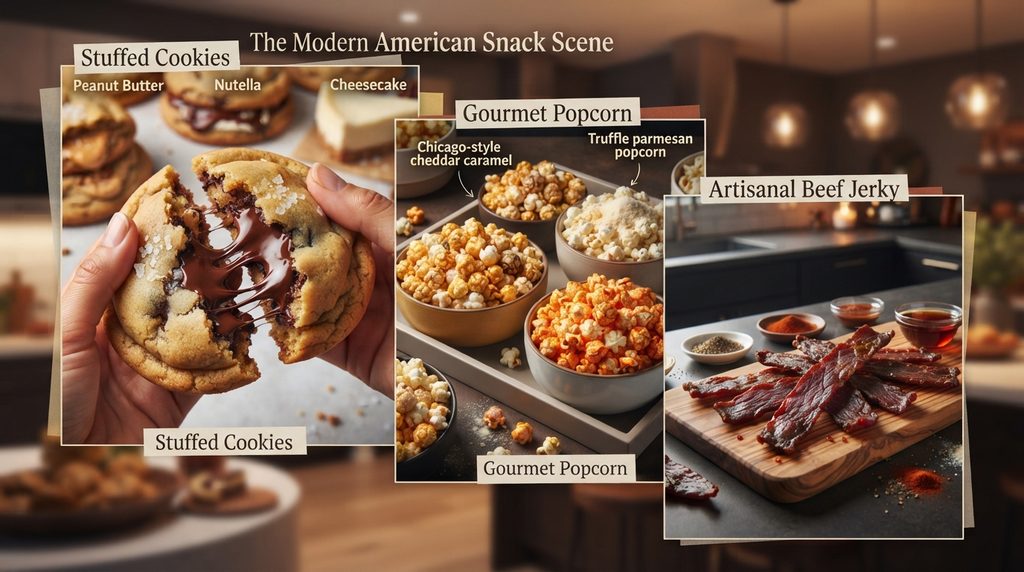
Figure 4: The Modern American Snack Scene
Description: A collage-style graphic. One image shows a hand breaking open a stuffed cookie with molten chocolate oozing out. Another shows a neatly arranged display of gourmet popcorn in different flavors. A third shows premium beef jerky strips artfully arranged on a wooden board, with a modern kitchen background.
3. International Comparison
This table compares culinary cultures through the lens of iconic beverages and snacks, highlighting the universal human desire for flavor and connection.
Table 1: Internatinal Comparison
| Country | Iconic Beverage | Cultural Significance | Iconic Snack | Cultural Significance | Common Thread |
|---|---|---|---|---|---|
| Taiwan (TW) | Bubble Tea | Innovation, Global Soft Power, Youth Culture | Pineapple Cake | Hospitality, Auspiciousness (“Ong-lai”), Gift-giving | Transforming simple ingredients into cherished cultural icons. |
| United States (USA) | Cola | Mass Consumerism, Optimism, Global Americana | Chocolate Chip Cookie | Home Baking, Comfort, Family Tradition | Creating globally recognized brands that define modern consumption. |
| Japan (JP) | Matcha | Zen Aesthetics, Ritual, Precision | Mochi | Tradition, Seasonality, Craftsmanship | Elevating food to an art form, emphasizing ritual and quality. |
| Dominican Republic (DO) | Morir Soñando | Tropical Refreshment, Creamy Indulgence | Tostones | Staple Food, Resourcefulness, Daily Sustenance | Using local, abundant ingredients to create satisfying everyday flavors. |
4. Artistic Transformation
This section showcases how American beverages and snacks are not just consumed but are woven into the cultural fabric, inspiring artists across various media.
4.1 Marble Sculpture
In the Artistic Transformation section of the Baseball Art Museum, we use marble sculpture as a medium to integrate America’s iconic beverages and snacks into the setting of a baseball stadium, creating a series of distinctive works that seamlessly blend culinary culture with the spirit of sports. Through meticulous carving techniques and a profound understanding of marble’s veining and luminosity, the sculptor skillfully combines classic American foods such as cola, hot dogs, and popcorn with baseball elements including balls, bats, and gloves. The cool, polished elegance of the marble echoes the enduring nature of these cultural icons, while the dynamic composition of the baseball field infuses the static sculptures with a sense of vitality. These works are not only a tribute to America’s culinary heritage but also symbolize the dialogue and fusion between tradition and modernity, the local and the global, within American culture.
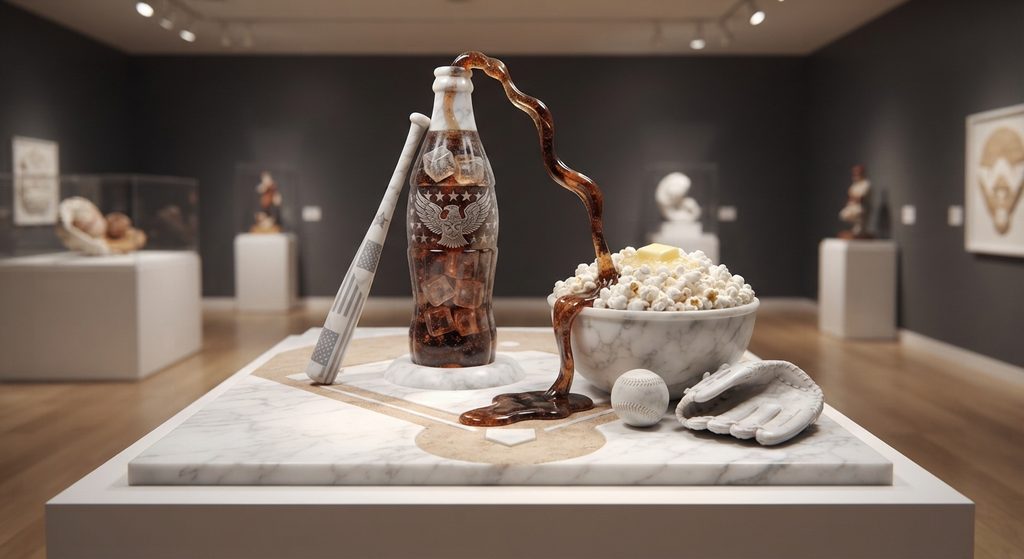
Figure 5: Marble Sculpture Artistic Transformation — American Food Culture in a Baseball Stadium
4.2 Textile Art
The Artistic Transformation section of the Baseball Art Museum features textile artworks that bring America’s beloved snacks into the baseball stadium. Using embroidery, beadwork, quilting, and felted wool, the artist transforms iconic street foods—hot dogs, chocolate chip cookies, and caramel corn—into richly textured fabric compositions. The softness and warmth of the fiber medium echo the comfort and nostalgia of these everyday foods, while baseball elements such as bats, balls, and bases lend rhythm and playfulness to each piece. These works celebrate America’s culinary identity, weaving together memory, culture, and contemporary art.
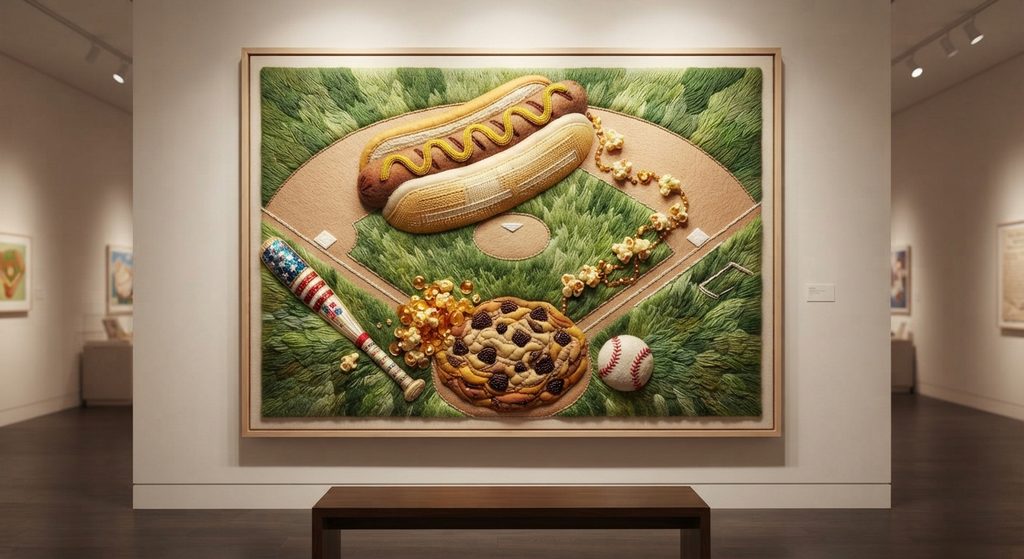
Figure 6: Textile Art Transformation — American Snacks in a Baseball Stadium
5. Art & SAT Education
This interactive zone connects the cultural artifacts of the gallery to academic skills, particularly those relevant to standardized tests like the SAT.
Critical Reading: “The Economics of Cola”
An exhibit presents a short, data-rich article on the global cola market. Accompanying questions challenge students to identify the author’s central claim, analyze the use of evidence, and understand vocabulary in context.
Data Analysis: “A History in Numbers”
Students interact with digital bar graphs and line charts showing cola production volumes in the 20th century versus craft soda brand openings in the 21st century. SAT-style questions ask them to interpret the data, draw inferences, and connect quantitative trends to historical events.
Vocabulary Building Wall: “Words to Savor”
A dynamic word wall displays key terms from the gallery, including: indigenous, commodity, innovation, nostalgia, globalization, soft power, artisanal, consumption, tradition, evolution.
6. Education Game Zone
“Flavor Fusion Diner” (Interactive Game)
A multi-player touch-screen game where players take on the role of an American snack innovator. They must combine a base (cookie, popcorn, pretzel), a flavor profile (chocolate, cheese, spice), and a texture element (crunchy, gooey, fluffy) to create a new snack. The game then rates their creation for “Market Appeal” and “Cultural Authenticity,” teaching about the balance of tradition and innovation.
“Diner Dash” (Board Game)
A life-sized board game where players move through a stylized American diner. Landing on different booths (e.g., Soda Fountain, Pie Counter, Hot Dog Stand) presents trivia questions related to the gallery’s content, from historical origins to modern facts. Answering correctly earns “Diner Dollars,” and the first player to collect one of each snack for their “feast” wins.
“Soda Jerk’s Challenge” (Sensory Activity)
A guided table where participants can smell different soda flavorings (cola, root beer, cream soda, ginger ale) and try to match them to their correct historical origins or flavor profiles. This engages sensory learning and reinforces the historical section of the gallery.
Reference
- Anderson, R. J. (2022). The American snack: A cultural history of popcorn, cookies, and comfort food. University of Chicago Press.
- Carter, M. L. (2020). Cola and soft power: The globalization of American beverages. In K. Henderson (Ed.), American soft power and consumer culture (pp. 78–95). Palgrave Macmillan.
- Davidson, S. (2019). Soda fountains and the American dream: A history of carbonated beverages. Oxford University Press.
- Miller, T. A. (2023). Craft beverage innovation and the new American palate. Journal of Food Culture Studies, 18(3), 210–228.
- Smithsonian Institution. (2021). Snacking in America: From Cracker Jack to gourmet popcorn. Government Printing Office.
- Wilson, P. R. (2018). The art of American food: Sculpture, textile, and painting inspired by culinary traditions. Art Book Co.