

Country: Dominican Republic
Gallery Location: Food Cluster Wing / Vendor Culture Hall / Dominican Republic Gallery
Gallery Overview
Welcome to the Dominican Republic Gallery, a vibrant exploration of the street vendors who bring the ballpark approach to life—from the booming calls of fruteros slicing mango in the Caribbean sun to the social hum of beer coolers and chimichurri grills outside the stadium gates. This exhibit traces the journey of Dominican vendor culture from its roots in street commerce and informal entrepreneurship, through the communal ritual of la previa (the pre-game gathering), to today’s reinvention of the vendor as local character, brand-savvy entrepreneur, and heartbeat of the crowd. Discover how resourcefulness, sabrosura, and a relentless spirit of community have shaped a vendor culture that is loud, warm, and unmistakably Dominican.
1. Historical Vendor Timeline
1.1 Traditional Vendors: Origins, Evolution, Cultural Meaning
- The Street Frutero (Fruit Vendor)
- Time Span: Early 1900s – Present
- Description: Sliced mango, pineapple, chinola (passion fruit), and coconut have long been sold from trays, pushcarts, and shoulder-carried stands outside markets, plazas, and eventually ballparks. Vendors season fruit on the spot with salt, lime, and pique (a Dominican hot sauce). The frutero represents Afro-Caribbean food tradition, everyday resourcefulness, and the street economy that surrounds Dominican public life.
- The Vendedor de Cerveza (Beer Vendor)
- Time Span: Mid-1900s – Present
- Description: Cold Presidente, Brahma, and Bohemia sold from foam coolers, wheeled carts, and shoulder straps outside stadium gates. Often the loudest and most social figure in the pre-game crowd, the beer vendor is central to la previa. This vendor represents communal celebration, the social ritual of gathering before first pitch, and the centrality of cold beer to Dominican fandom.
- The Chimi and Street Food Vendor
- Time Span: 1970s – Present
- Description: Chimichurris (Dominican-style burgers), yaniqueques, empanadas, pastelitos, and grilled skewers cooked on portable grills and fryers. The smell of frying oil and grilled meat marks the stadium approach. This vendor represents Dominican street gastronomy, working-class food culture, and the sensory landscape of game day.
- The Souvenir and Gorra Vendor
- Time Span: 1980s – Present
- Description: Caps, jerseys, flags, and handmade team gear sold on blankets or hanging racks, often tied to local peloteros and winter-league teams such as Tigres del Licey, Águilas Cibaeñas, and Leones del Escogido. This vendor represents fandom as identity, the informal apparel economy, and pride in the Dominican Republic’s role as a global baseball powerhouse.
1.2 Traditional Selling Methods: Origins, Evolution, Cultural Meaning
- The Vocal Street Call
- Time Span: Early 1900s – Present
- Description: The vendor’s call—rhythmic, improvised, and layered over music and traffic—is the oldest form of stadium-approach entertainment. From “¡Mango, mango, rico mango!” to “¡Cerveza fría, cerveza fría!”, vendors develop distinctive calls to cut through the crowd. These calls represent the oral tradition of Caribbean commerce, the performative energy of street selling, and the way sound shapes the atmosphere outside the gates.
- The Cooler and the Cart
- Time Span: Mid-1900s – Present
- Description: Foam coolers, wheeled carts, and shoulder-carried trays define Dominican vendor mobility. Vendors move with the crowd, following foot traffic toward the turnstiles and setting up wherever fans gather. This method represents improvisation, low-capital entrepreneurship, and adaptability in the informal economy.
- Mobile Grills and Fryers
- Time Span: 1970s – Present
- Description: Portable cooking setups that turn a sidewalk into a kitchen. Vendors fry, grill, and assemble food on the spot, creating a comedor (eatery) wherever fans congregate. This method represents the informal food economy and the Dominican talent for turning public space into a shared table.
- The Vendor as Personaje (Character)
- Time Span: Late 1900s – Present
- Description: Dominican vendors develop nicknames, catchphrases, and reputations; some become local fixtures known by neighborhood and by team. Banter and jodedera (playful teasing) are part of the transaction. This persona represents Dominican humor, the personalization of commerce, and the way individuals become icons of a shared experience.
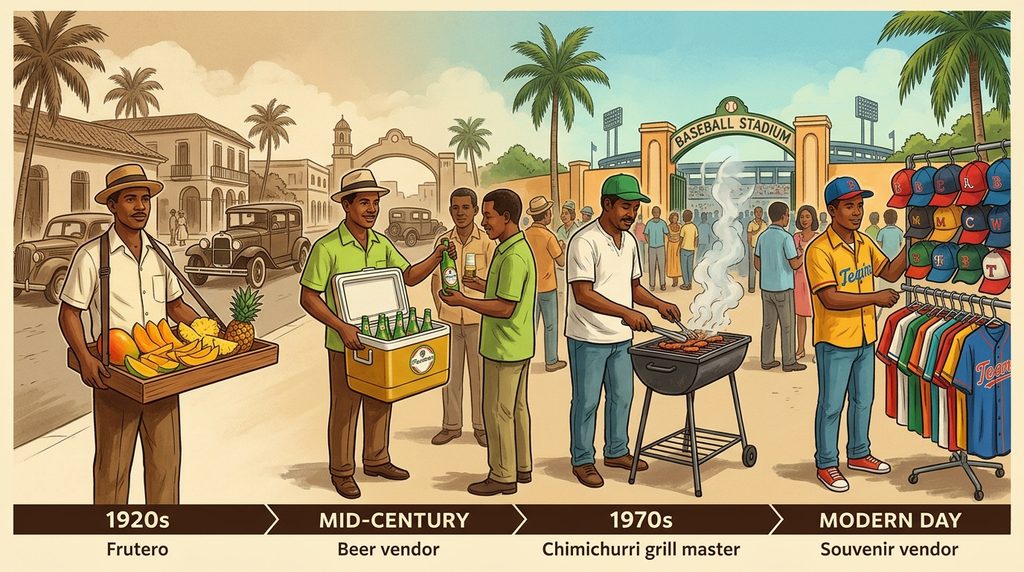
Figure 1: A Timeline of Sabor: The Evolution of Dominican Vendors
2. Modern Vendors: Innovation & Fan Experience
2.1 Modern Vending Innovations
- Mobile Payment and Pre-Order Apps
- Time Span: 2010s – Present
- Description: Street vendors increasingly accept mobile payments and use WhatsApp to take pre-orders for tailgates and previas. Fans can reserve coolers, food platters, or gear before arriving at the stadium. This innovation represents the informal sector’s rapid adoption of mobile technology and the convenience culture of modern Dominican fans.
- Branded and Licensed Street Gear
- Time Span: 2000s – Present
- Description: Licensed LIDOM (Liga de Béisbol Profesional de la República Dominicana) merchandise now sits alongside unofficial goods on vendor blankets and racks. This trend reflects the professionalization of street vending, the commercialization of fandom, and the growing value of official team identity.
- Vendor as Local Celebrity
- Time Span: 2010s – Present
- Description: Charismatic vendors gain social media followings, appear in team promotions, and become recognizable faces in their neighborhoods and ballparks. Some are celebrated for their calls, their humor, or their signature products. This evolution represents the blurring of street commerce and entertainment, and the way individuals can embody a team’s and a community’s identity.
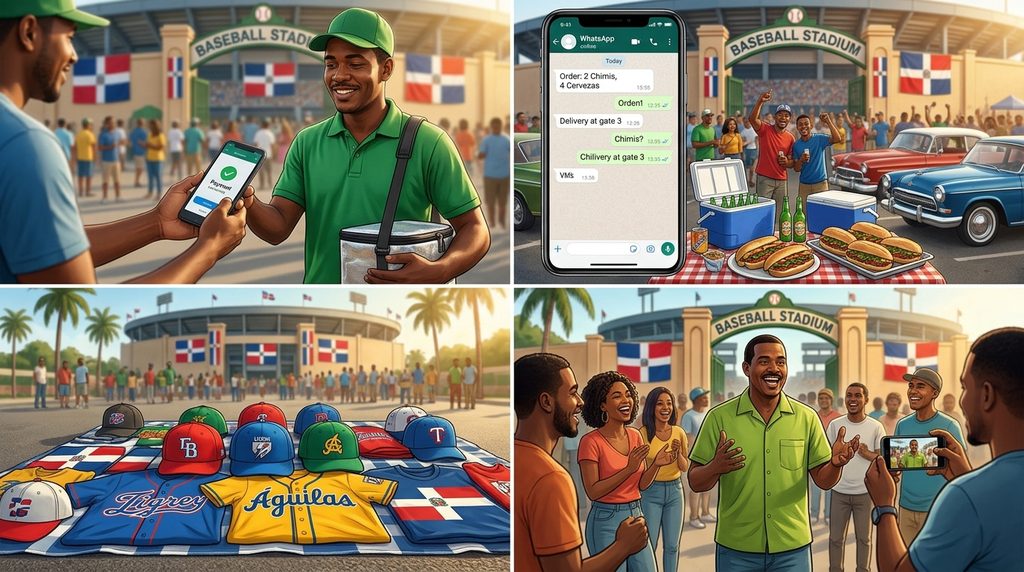
Figure 2: Vendor Innovation Today: A Visual Menu
2.2 Vendor Scenes
- The Pre-Game Cervecero
- Time Span: Mid-1900s – Present
- Description: The cooler-toting beer vendor working the crowd outside Estadio Quisqueya, Estadio Cibao, or Estadio Tetelo Vargas. Loud, generous with banter, and central to la previa, the cervecero is the social anchor of the stadium approach. This vendor represents communal celebration, the ritual of gathering before the game, and the warmth of Dominican fandom.
- The Frutero at the Gate
- Time Span: Early 1900s – Present
- Description: Sliced fruit with lime and pique, sold to fans in the Caribbean heat. The frutero works the sidewalk and the gate, offering freshness and relief. This vendor represents Caribbean freshness, everyday economy, and the sensory memory of game day.
- The Chimichurri Grill Master
- Time Span: 1970s – Present
- Description: The portable grill, the sizzle, the line of fans waiting for a chimi. The grill master is a fixture of the stadium approach, turning a sidewalk into a kitchen. This vendor represents street gastronomy, working-class food culture, and the communal pleasure of eating together before first pitch.
- The Souvenir Gorrita Seller
- Time Span: 1980s – Present
- Description: Caps and jerseys displayed on blankets or hanging racks, often tied to local winter-league heroes and national team stars. The souvenir vendor offers fans a tangible connection to their team and their community. This vendor represents fandom as identity, the collector’s spirit, and pride in Dominican baseball.
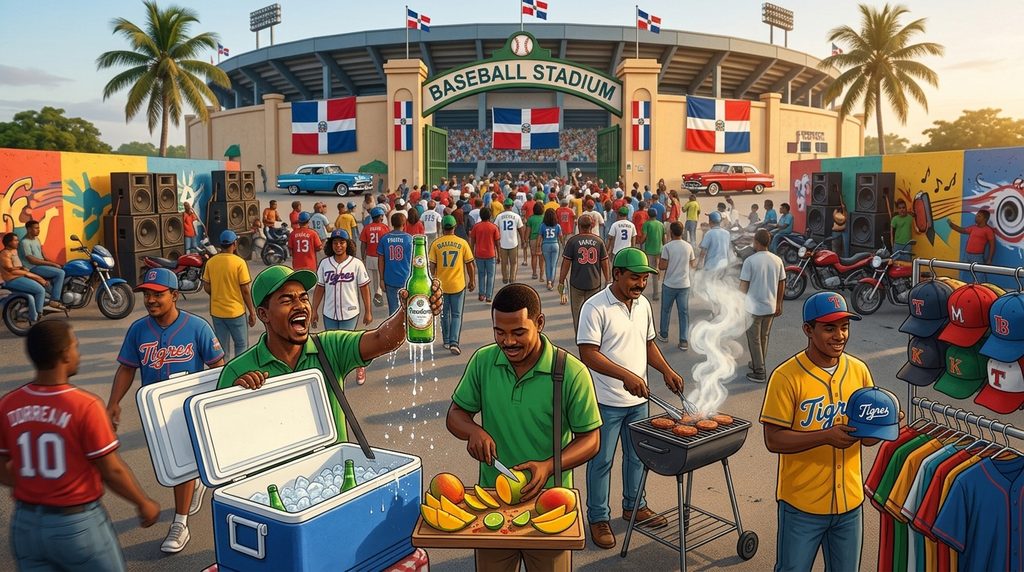
Figure 3: The Modern Dominican Vendor Scene
3. International Comparison
This table compares vendor cultures through the lens of iconic vendor types and selling methods, highlighting the universal human desire for connection and service.
Table 1: International Comparison of Vendor Cultures
| Country | Iconic Vendor Type | Cultural Significance | Iconic Selling Method | Cultural Significance | Common Thread |
|---|---|---|---|---|---|
| Taiwan (TW) | Electronic Food Cart | Innovation, Tech-Savvy Convenience, Efficiency | App-based ordering, automated delivery | Digital literacy, convenience culture, modernization | Transforming simple transactions into seamless, tech-enabled experiences. |
| United States (USA) | Shouting Peanut Vendor | Showmanship, Tradition, Nostalgia | Theatrical calls, tossing bags to fans | Oral tradition, fan interaction, informality | Creating iconic characters who embody the spirit of the game. |
| Japan (JP) | “Beer Girl” with Mini-Keg | Hospitality, Precision, Respect | Polite kneeling service, efficient pouring | Attention to detail, service culture, professionalism | Elevating service to an art form, emphasizing care and quality. |
| Dominican Republic (DO) | Street Vendor Outside Stadium | Entrepreneurial Spirit, Community, Vibrancy | Energetic sales, local snacks and drinks | Resourcefulness, social connection, cultural pride | Using local resources to create lively, community-centered commerce. |
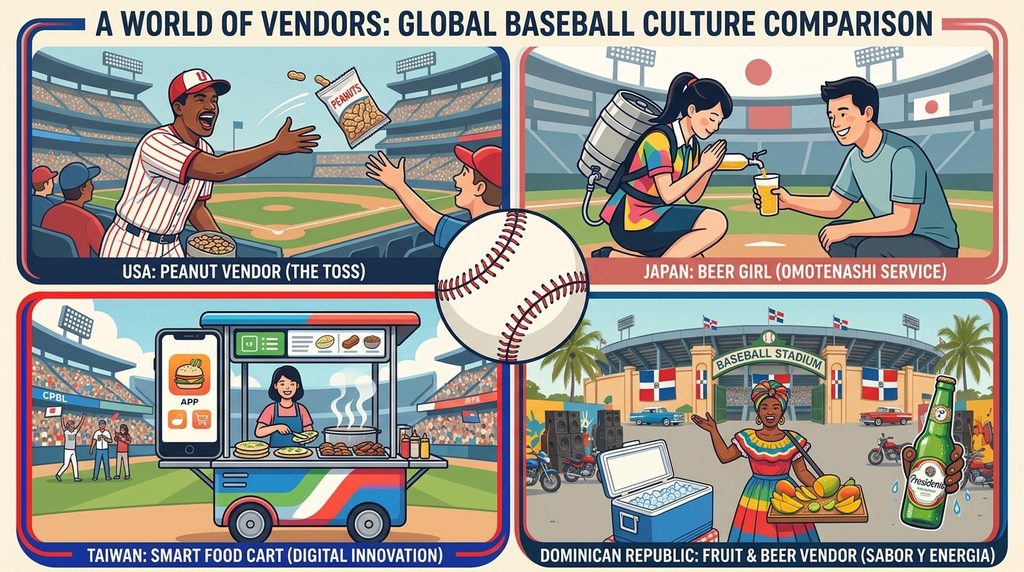
Figure 4: A World of Vendors
4. Artistic Transformation
This section showcases how Dominican vendors are not just service providers but are woven into the cultural fabric, inspiring artists across various media—from the ephemeral beauty of sand to the permanence of forged iron.
4.1 Sand Sculpture
In the Artistic Transformation section of the Baseball Art Museum, we use sand sculpture as a medium to integrate the Dominican Republic’s iconic street vendors into the setting of a baseball stadium approach—the sidewalk, the gate, and the crowd. Through meticulous carving techniques and a profound understanding of sand’s density, grain, and capacity for crisp detail, the sculptor skillfully combines classic vendor figures—the cervecero with his cooler, the frutero with his tray, and the chimichurri grill master—with baseball elements including balls, bats, gloves, and turnstiles. The warm, golden tones of the packed sand and the ephemeral nature of the medium contrast with the enduring heat and noise the figures evoke, while the dynamic composition of the stadium approach infuses the sculptures with a sense of vitality and immediacy. These works are not only a tribute to the Dominican Republic’s vendor heritage but also symbolize the dialogue and fusion between the local street and the global game, tradition and modernity—and between the fleeting moment and the lasting memory—within Dominican culture.
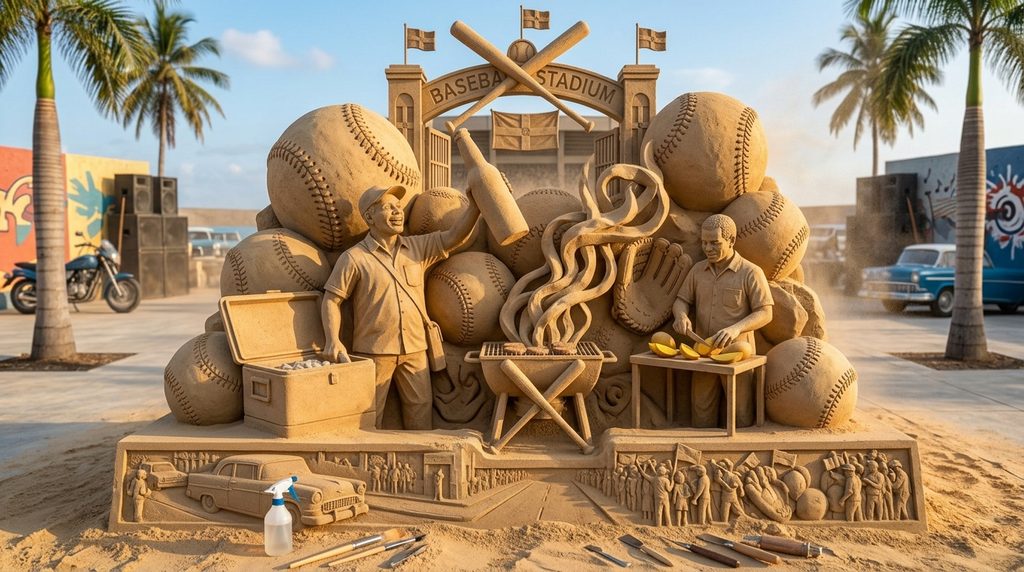
Figure 5: Sand Sculpture Artistic Transformation — Dominican Vendor Culture at the Stadium Approach
4.2 Iron Sculpture
The Artistic Transformation section of the Baseball Art Museum features iron sculptures that bring the Dominican Republic’s beloved vendors into the baseball stadium approach. Using welding, forging, and hammered metalwork, the artist transforms iconic vendor scenes—the cervecero hauling a cooler, the frutero slicing mango, and the chimichurri grill—into bold, open ironwork compositions. The weight and permanence of the forged metal echo the resilience and communal strength of Caribbean street commerce, while baseball elements such as bats, balls, and flags lend rhythm and playfulness to each piece through twisted ribbons and cut silhouettes. These works celebrate Dominican vendor identity, forging together memory, sabor, and contemporary art.
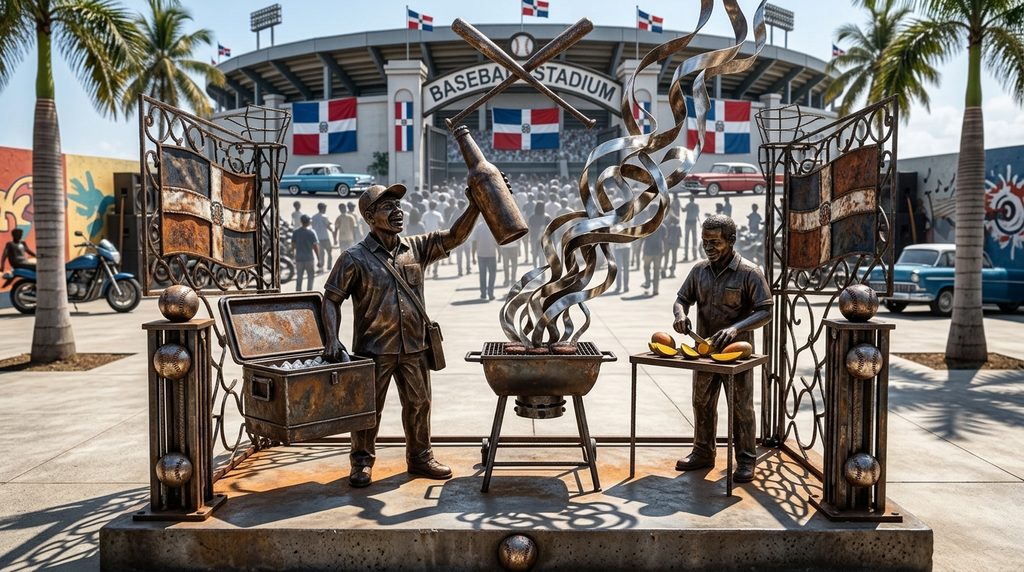
Figure 6: Iron Sculpture Transformation — Dominican Vendors at the Stadium Approach
5. Art & SAT Style Education
This interactive zone connects the cultural artifacts of the gallery to academic skills, particularly those relevant to standardized tests like the SAT Style.
Critical Reading: “The Informal Economy of the Ballpark Approach”
An exhibit presents a short, data-rich article on the economics of street vending outside Dominican stadiums, including vendor revenue, the role of la previa, and the impact of mobile payment. Accompanying questions challenge students to identify the author’s central claim, analyze the use of evidence, and understand vocabulary in context.
Data Analysis: “A History in Numbers”
Students interact with digital bar graphs and line charts showing the number of street vendors around Dominican stadiums over time, the rise of mobile payment adoption, and the growth of licensed versus unofficial merchandise. SAT-style questions ask them to interpret the data, draw inferences, and connect quantitative trends to historical events.
Vocabulary Building Wall: “Palabras de Sabor”
A dynamic word wall displays key terms from the gallery, including: vendedor, previa, sabrosura, chinola, pique, personaje, informal economy, entrepreneurship, community, ritual.
Test Prep
Note: This is not affiliated with, endorsed by, or sponsored by the College Board or the SAT.
6. Education Game Zone
“Vendor Call Challenge” (Interactive Game)
A multi-player touch-screen game where players take on the role of a Dominican street vendor. They must develop a unique call, choose a product to sell (mango, cold beer, or a chimi), and interact with virtual fans. The game rates their performance on “Market Appeal” and “Cultural Authenticity,” teaching about the balance of tradition and innovation in vendor culture.
“Stadium Approach Dash” (Board Game)
A life-sized board game where players move through a stylized Dominican stadium approach. Landing on different sections (e.g., Calle del Mango, Esquina de la Cerveza, Zona del Chimi) presents trivia questions related to the gallery’s content, from historical origins to modern facts. Answering correctly earns “Pesos del Vendedor,” and the first player to assemble a complete previa spread wins.
“Vendor Soundscape” (Sensory Activity)
A guided table where participants can listen to recordings of different vendor calls from Dominican stadium approaches—the classic “¡Mango, mango, rico mango!”, the social “¡Cerveza fría, cerveza fría!”, and the sizzling call of “¡Chimichurri!” over bachata and merengue—and try to match them to their correct products, neighborhoods, or historical periods. This engages auditory learning and reinforces the historical section of the gallery.