

The Smoky Grills and Folding Tables of the Stadium Parking Lot
From the first plume of smoke off a tailgate grill to the last folding chair packed away, from coolers loaded with ice to burgers flipped in a sea of team jerseys – every American ballpark has its own parking-lot ritual. The USA Gallery collects digital art for the tailgate tradition, inviting visitors to explore the sights, sounds, and flavors that turn a concrete lot into a neighborhood before the gates even open.
Hall Overview
Hours before the first pitch, the stadium parking lot becomes a small city. Grills fire up, canopies go up, chairs unfold, and strangers become neighbors over a shared plate. These are the moments when the game begins long before anyone enters the ballpark.
From the smoky grills of a stadium parking lot to the folding tables crowded with food, from the coolers of cold drinks to the cornhole boards set up between cars – these tailgate traditions are as much a part of American baseball as the game itself. This gallery celebrates the communal eating rituals of the American tailgate through digital art.
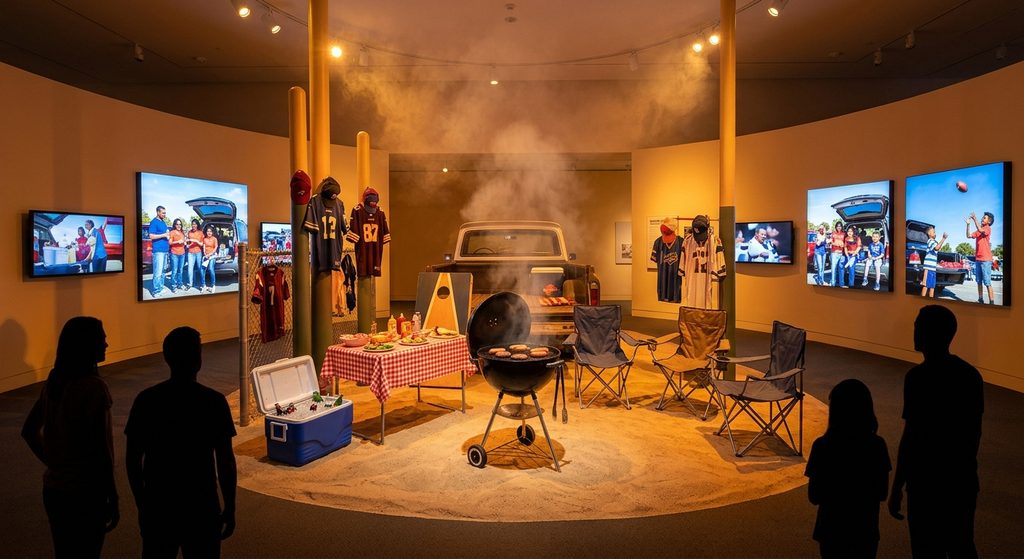
Figure 1. USA Gallery – Entrance Installation
What You’ll Discover
The USA Gallery explores the smoky grills and folding tables of the stadium parking lot – America’s tailgate tradition. Here, hours before first pitch, fans transform asphalt into a temporary neighborhood, sharing food, games, and conversation in a ritual that is arguably unique among major American sports.
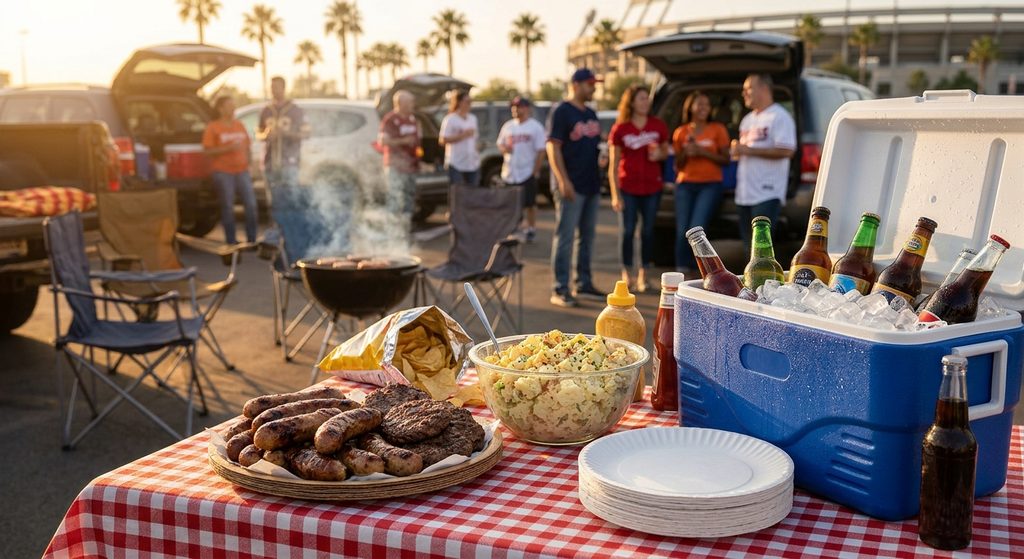
Figure 2. The American Tailgate Table
Plan Your Visit
- Location: Food Cluster Wing / Communal Eating Hall / USA Gallery
- Suggested Time: 15–20 minutes
- Best For: Food lovers, baseball fans of all ages
Why This Gallery Matters
The tailgate is the soul of the American ballpark day. It does more than feed a crowd – it carries tradition, hospitality, and the joy of sharing. From the burgers flipped on a grill in the parking lot to the chairs pulled into a circle, from the coolers passed around to the cornhole boards between cars – these shared meals weave the warmest connections between fans, across generations. They remind us that baseball in America is not just a game played on the field, but a living culture shared around a grill.
1. Historical Communal Eating Timeline
1.1 Traditional Communal Eating: Origins, Evolution, Cultural Meaning
- The Parking Lot Tailgate
- Time Span: 1920s – Present
- Description: Tailgating traces its roots to the early 20th century, when fans arriving by car would open their trunks and share food before college football games . By the 1950s, the practice had migrated to baseball parking lots, where grills, coolers, and folding chairs turned asphalt into a communal dining room. The tailgate represents American car culture, suburban hospitality, and the democratization of the pre-game meal.
- The Folding Table Feast
- Time Span: 1950s – Present
- Description: As tailgating grew, so did the spread. Folding tables covered with checkered cloths held burgers, hot dogs, potato salad, chips, and dips . Families and friends contributed dishes potluck-style, turning the table into a shared buffet. This represents American abundance, the potluck tradition, and the way food becomes a social equalizer.
- The Portable Grill
- Time Span: 1950s – Present
- Description: From charcoal kettle grills to modern propane models, the portable grill is the centerpiece of the tailgate. The smell of smoke and sizzling meat is the unofficial signal that game day has begun. In Milwaukee, brats are often boiled in beer before grilling – a local technique that has become a point of pride . The grill represents American ingenuity, the ritual of cooking outdoors, and the sensory memory of baseball.
- The Cooler and the Beverage Station
- Time Span: 1960s – Present
- Description: Coolers loaded with ice, soda, water, and beer anchor the tailgate. The beverage station becomes a gathering point, where fans refill cups and trade predictions. This represents American hospitality, the centrality of cold drinks on a hot day, and the social function of sharing a drink.
1.2 Traditional Communal Eating Methods: Origins, Evolution, Cultural Meaning
- The Potluck Contribution
- Time Span: 1950s – Present
- Description: Every tailgate has its contributors – the uncle who brings the famous chili, the neighbor with the secret burger blend, the friend who always brings dessert. The potluck method represents American community, the sharing of family recipes, and the way food becomes a form of identity.
- The Circle of Chairs
- Time Span: 1960s – Present
- Description: Folding chairs arranged in a circle create a temporary living room in the parking lot. Fans sit, eat, and talk, welcoming passersby. Anthropologist John Sherry describes this as “turning households inside out” – bringing the kitchen and living room to the pavement so that “thousands of mini households are on public display” . This method represents American informality, the value of conversation, and the way physical arrangement creates community.
- The Cornhole and Lawn Game Setup
- Time Span: 1990s – Present
- Description: Cornhole boards, ladder toss, and footballs turn the tailgate into a playground. Games between cars build camaraderie and friendly competition. This represents American playfulness, the integration of recreation and dining, and the way shared activity strengthens bonds.
- The Team Uniform and Tailgate Identity
- Time Span: 1970s – Present
- Description: Jerseys, caps, and team flags mark territory and identity. Fans decorate their tailgate setup with team colors, creating a visual community. This represents American fandom, the pride of affiliation, and the way shared identity fuels communal eating.
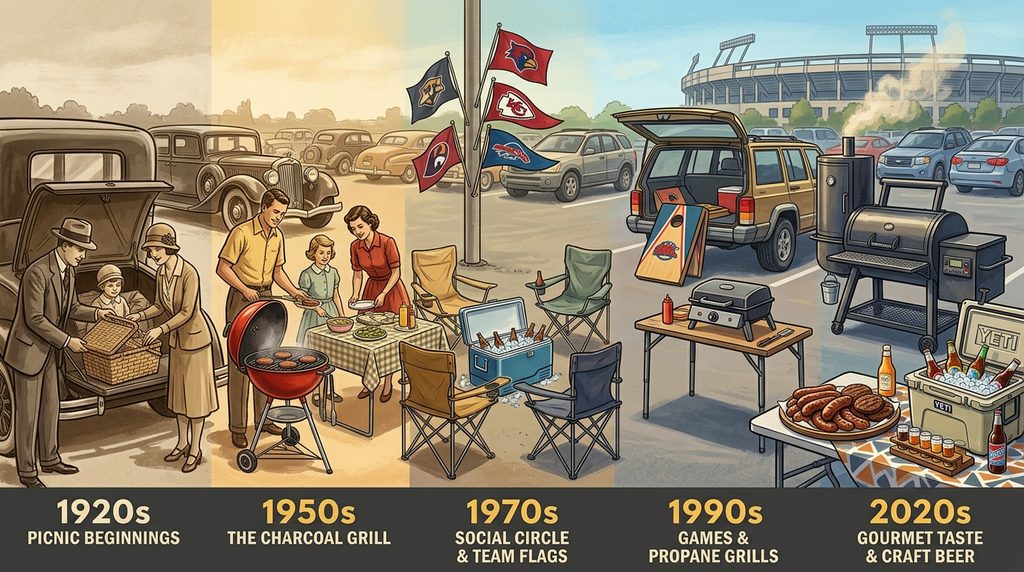
Figure 3: A Timeline of Taste: The Evolution of American Tailgating
2. Modern Communal Eating: Innovation & Fan Experience
2.1 Modern Communal Eating Innovations
- The Gourmet Tailgate
- Time Span: 2000s – Present
- Description: Beyond burgers and hot dogs, modern tailgates feature craft beer, artisanal sausages, smoked brisket, and even sushi. Fans invest in high-end grills, smokers, and portable kitchens. A National Geographic report notes that tailgating has undergone a “food renaissance,” with fans bringing “charcuterie boards with artisanal cheese” and “expensive BBQs” . This innovation represents American food sophistication, the craft food movement, and the elevation of the tailgate into a culinary event.
- The Organized Tailgate Community
- Time Span: 2000s – Present
- Description: Tailgate groups now organize online, reserve spots, and plan themed menus. Some groups have hundreds of members and host pre-game parties with music, games, and charity fundraisers. This represents the professionalization of tailgating, the power of digital community, and the way shared meals become institutions.
- The Family-Friendly Tailgate
- Time Span: 2010s – Present
- Description: Modern tailgates increasingly include activities for children – face painting, lawn games, and kid-friendly menus. Families arrive early and stay late, treating the parking lot as a day-long destination. This represents the evolving American family, the integration of generations, and the tailgate as a safe, welcoming space.
- The Sustainable Tailgate
- Time Span: 2010s – Present
- Description: Recycling stations, reusable plates, and locally sourced food are becoming common at tailgates. Fans pack out what they pack in, minimizing waste. This represents American environmental awareness, the greening of sports culture, and the adaptation of tradition to modern values.
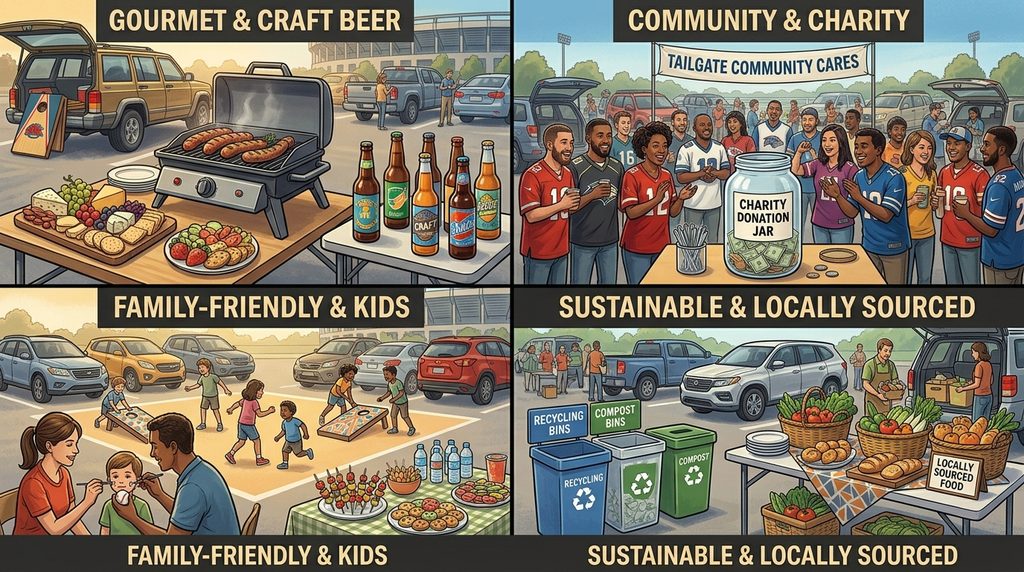
Figure 4: “Tailgate Innovation Today: A Visual Menu”
2.2 Communal Eating Scenes
- The Smoke-Filled Parking Lot
- Time Span: 1950s – Present
- Description: Rows of cars with trunks open, grills smoking, canopies flapping in the breeze. The scene is a sensory feast – smoke, sizzle, laughter, and the crack of a baseball on a nearby radio. At Milwaukee’s American Family Field, fans start showing up four and a half hours before game time, with “bratwursts, the koozies stuffed with bottles of PBR and Miller High Life” . This scene represents American abundance, the transformation of space, and the collective anticipation of the game.
- The Family Table
- Time Span: 1960s – Present
- Description: Multiple generations gathered around a folding table – grandparents, parents, children – sharing food and stories. The family table is the heart of the tailgate, where recipes are passed down and memories are made. This scene represents American family values, the continuity of tradition, and the joy of shared meals.
- The Cornhole Circle
- Time Span: 1990s – Present
- Description: Fans of all ages gathered around cornhole boards, tossing bean bags and cheering. The game is casual, inclusive, and endlessly repeatable. The Encyclopedia of Milwaukee notes that fans pass the time “playing a number of games, including bean bag toss and ladder golf or by playing catch with baseballs, Frisbees, or even footballs” . This scene represents American playfulness, the integration of recreation and dining, and the way shared activity builds community.
- The Post-Game Cool-Down
- Time Span: 1970s – Present
- Description: After the final out, fans return to the parking lot for one last drink and a recap of the game. Grills are cleaned, chairs folded, and stories swapped. This scene represents American ritual, the extension of the game into the night, and the way the tailgate bookends the day.
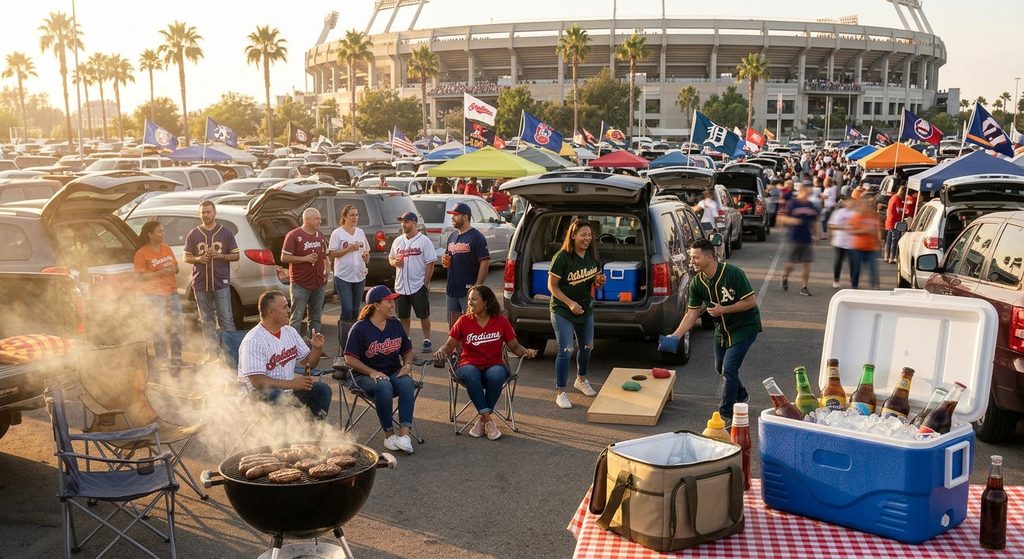
Figure 5: The Modern American Tailgate Scene
3. Artistic Transformation
This section showcases how American tailgating is not just a pastime but is woven into the cultural fabric, inspiring artists across various media—from the delicate translucency of sugar to the rich depth of chocolate.
3.1 Sugar Sculpture
In the Artistic Transformation section of the Baseball Art Museum, we use sugar sculpture as a medium to integrate America’s iconic tailgate scenes into the setting of a baseball stadium parking lot. Through meticulous techniques of boiling, pulling, blowing, and casting sugar, and a profound understanding of sugar’s translucency, gloss, and capacity for delicate detail, the sculptor skillfully combines classic tailgate figures—the grill master flipping burgers, the family gathered around a folding table, the cornhole players—with baseball elements including balls, bats, gloves, and cars. The warm amber and golden tones of the pulled sugar and the fragile, ephemeral nature of the medium contrast with the enduring tradition the figures evoke, while the dynamic composition of the parking lot scene infuses the sculptures with a sense of vitality and immediacy. These works are not only a tribute to America’s tailgate heritage but also symbolize the dialogue and fusion between the fleeting and the lasting, the sweet and the communal, within American culture.
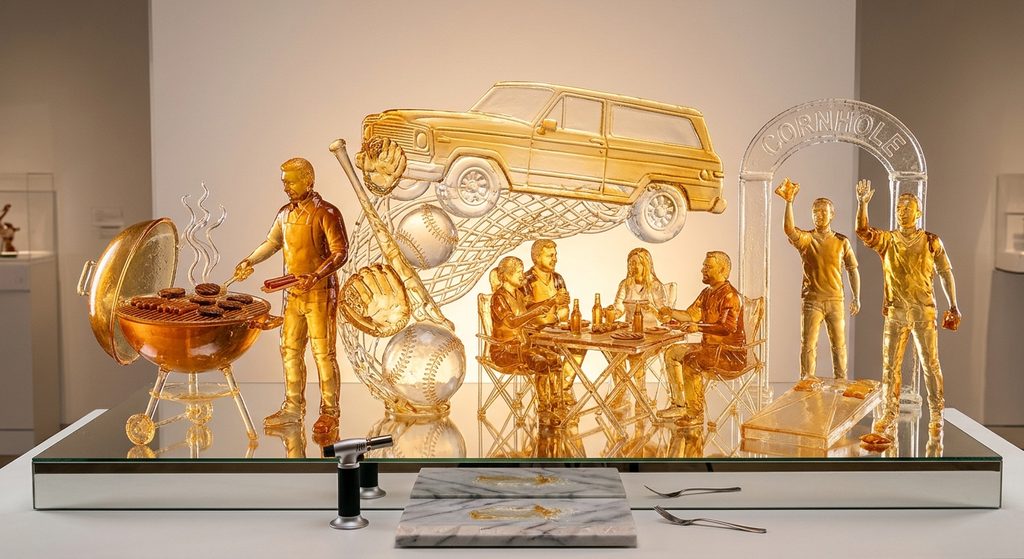
Figure 6: Sugar Sculpture Artistic Transformation — American Tailgate Culture in the Parking Lot
3.2 Chocolate Sculpture
The Artistic Transformation section of the Baseball Art Museum features chocolate sculptures that bring America’s beloved tailgate traditions into the stadium parking lot. Using tempering, molding, carving, and hand-piping techniques, the artist transforms iconic tailgate scenes—the grill master, the folding table, the cornhole circle—into rich, detailed chocolate compositions. The depth and warmth of the dark, milk, and white chocolate echo the resilience and communal strength of American tailgate culture, while baseball elements such as bats, balls, and cars lend rhythm and playfulness to each piece through carved relief and piped detail. Some surfaces are polished to a high gloss, others left matte or textured to suggest smoke and grass. These works celebrate American tailgate identity, molding together memory, tradition, and contemporary art.
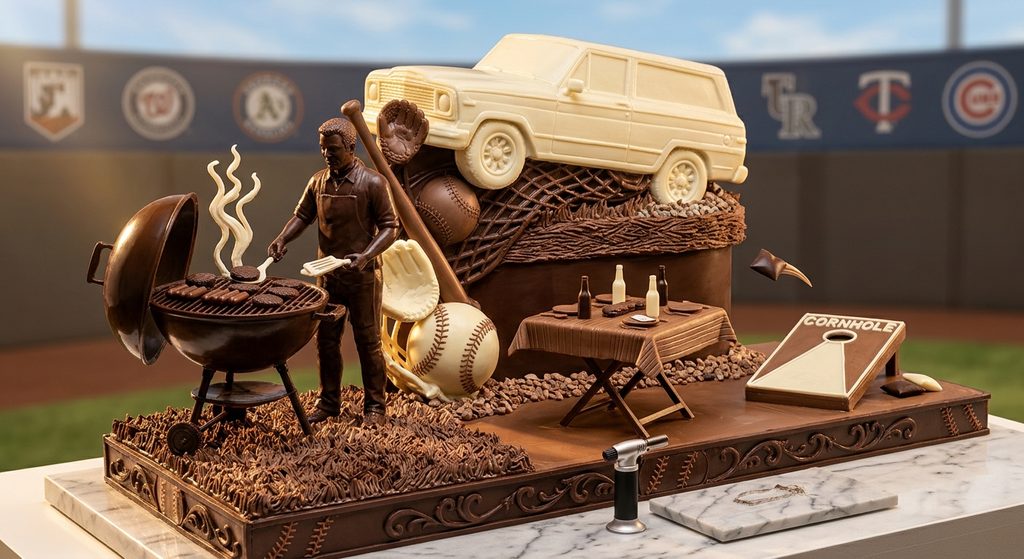
Figure 7: Chocolate Sculpture Transformation — American Tailgaters in the Parking Lot
4. Art & SAT Style Education
This interactive zone connects the cultural artifacts of the gallery to academic skills, particularly those relevant to standardized tests like the SAT Style.
Critical Reading: “The Economics of Tailgating”
An exhibit presents a short, data-rich article on the economics of tailgating, including spending on food, equipment, and parking, and the impact of organized tailgate communities. Accompanying questions challenge students to identify the author’s central claim, analyze the use of evidence, and understand vocabulary in context.
Data Analysis: “A History in Numbers”
Students interact with digital bar graphs and line charts showing the growth of tailgating over time, spending trends, and the rise of gourmet and sustainable tailgates. SAT-style questions ask them to interpret the data, draw inferences, and connect quantitative trends to historical events.
Vocabulary Building Wall: “Words to Savor”
A dynamic word wall displays key terms from the gallery, including: tailgate, potluck, communal, tradition, hospitality, abundance, informality, community, ritual, gathering.
Test Prep
Note: This is not affiliated with, endorsed by, or sponsored by the College Board or the SAT.
5. Education Game Zone
“Tailgate Challenge” (Interactive Game)
A multi-player touch-screen game where players take on the role of a tailgate host. They must plan a menu, set up a grill, and interact with virtual guests. The game rates their performance on “Hospitality” and “Cultural Authenticity,” teaching about the balance of tradition and innovation in tailgate culture.
“Parking Lot Dash” (Board Game)
A life-sized board game where players move through a stylized stadium parking lot. Landing on different sections (e.g., Grill Row, Cooler Corner, Cornhole Court) presents trivia questions related to the gallery’s content, from historical origins to modern facts. Answering correctly earns “Tailgate Dollars,” and the first player to assemble a complete tailgate spread wins.
“Tailgate Soundscape” (Sensory Activity)
A guided table where participants can listen to recordings of different tailgate sounds—the sizzle of a grill, the pop of a cooler lid, the crack of a bean bag on a cornhole board, and the distant roar of a crowd—and try to match them to their correct activities or regional styles. This engages auditory learning and reinforces the historical section of the gallery.
Reference
- Hansen, K. (2005). Tailgating, an American tradition: An in depth look at traditions in tailgating within the American Culture. William A. Wilson Folklore Archives.
- Moose, D. (n.d.). Fan Fare: 100 Classic and Regional Recipes for the Game-Day Feast.
- Lacques, G. (2026, October 23). Brats, beers and best friends: World Series tailgates prove Brewers are Wisconsin’s team. USA Today.
- Mathis, T. (2026). The Southern Tailgating Cookbook: A Game-Day Guide for Lovers of Food, Football, and the South. University of North Carolina Press.
- National Geographic. (2014, May 10). History of Tailgating. National Geographic.
- Encyclopedia of Milwaukee. (2016, September 11). Tailgating. University of Wisconsin-Milwaukee.
- Sherry, J., & Bradford, T. (2012). A Cultural Analysis of Tailgating. University of Notre Dame.
- ESPN. (n.d.). Hardball Havens: Miller Park tailgating unique. ESPN.
- SeatGeek. (2026, March 24). MLB tailgating guide: Best stadiums, tips and what to bring. SeatGeek.