
The Post-Game Family Feast and Shared Street Meal
From the steam rising off a pot of sancocho to the sizzle of a chimi on a street cart, from the family gathered around a table after the final out to the neighbor receiving a covered plate at the door – every Dominican gathering has its own way of eating together. The Dominican Republic Gallery collects digital art for the communal table tradition, inviting visitors to explore the warmth, generosity, and deep family bonds that turn a simple meal into a shared celebration.
Hall Overview
In the Dominican Republic, food is never just fuel. It is the primary vehicle for social gathering—a reason to come together, talk, laugh, and share . The sancocho, a thick stew cooked in enormous pots meant for sharing, is the centerpiece of celebrations . The chimi, a street burger sold from carts outside baseball stadiums, is the late-night fuel of fans . And the tradition of sending a covered plate to a neighbor before sitting down to eat speaks to a generosity that extends beyond the family table .
From the family feast after a LIDOM game to the street vendors feeding fans outside Estadio Quisqueya, from the shared pot of sancocho on a Sunday afternoon to the chimi cart firing up at dusk – these traditions are as much a part of Dominican baseball culture as the game itself. This gallery celebrates the communal eating rituals of the Dominican table through digital art.
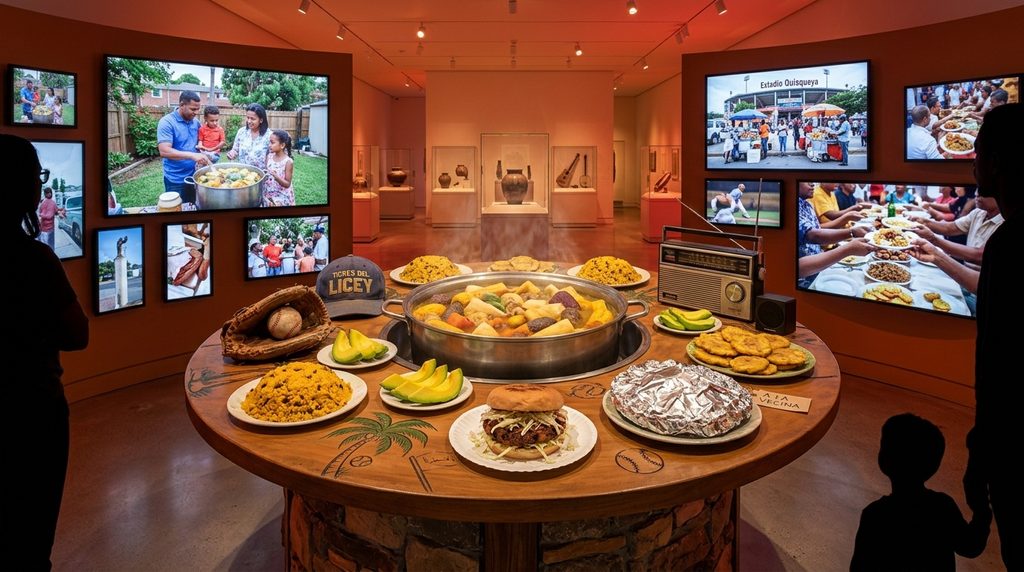
Figure 1. Dominican Republic Gallery – Entrance Installation
What You’ll Discover
The Dominican Republic Gallery explores the post-game family feast and shared street meal – the Caribbean’s warm, communal table. Here, eating together is an act of love, a gesture of hospitality, and a reason to gather for hours, whether at home, at a street cart, or in the shadow of a baseball stadium.
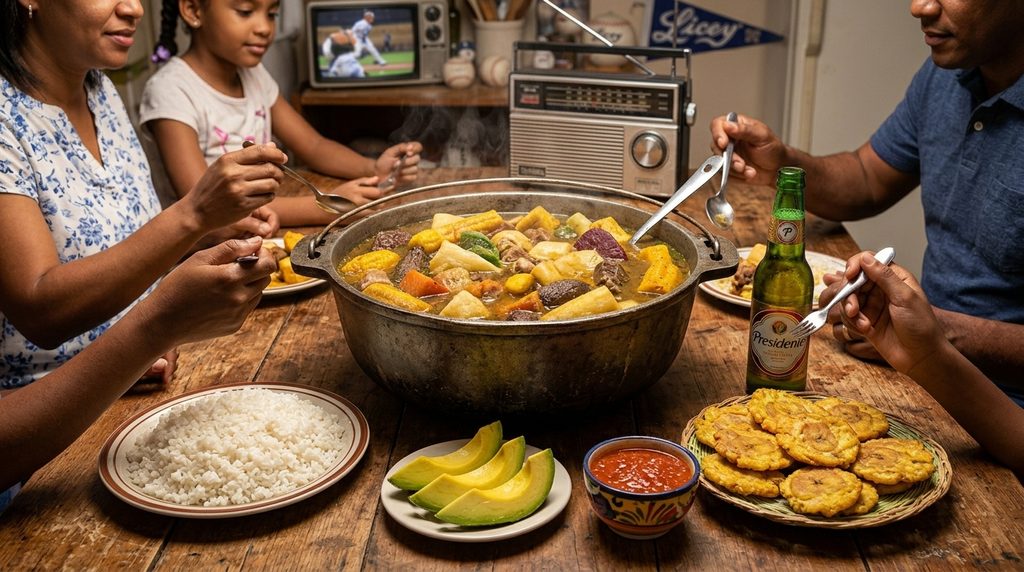
Figure 2. The Dominican Communal Table
Plan Your Visit
- Location: Food Cluster Wing / Communal Eating Hall / Dominican Republic Gallery
- Suggested Time: 15–20 minutes
- Best For: Families, food lovers, baseball fans of all ages
Why This Gallery Matters
The communal table is the soul of Dominican life. It does more than feed a family – it carries tradition, generosity, and the joy of sharing. From the sancocho cooked slowly for hours to the covered plate sent to a neighbor before anyone sits down , from the chimi cart outside the stadium feeding fans after the game to the family gathering that lasts long after the final out – these meals weave the warmest connections between people. They remind us that in the Dominican Republic, baseball is not just a game played on the field, but a living culture shared around a pot, a table, and a street corner.
1. Historical Communal Eating Timeline
1.1 Traditional Communal Eating: Origins, Evolution, Cultural Meaning
- The Sancocho
- Time Span: Long-standing – Present
- Description: Sancocho is the Dominican Republic’s national stew, a thick, hearty dish made with multiple meats (chicken, beef, pork, longaniza), root vegetables (yuca, yautía, ñame, plantain), and pumpkin (auyama), seasoned with Dominican oregano, cilantro, and bitter orange . It is cooked in enormous pots designed to be shared—never for one person . Sancocho is the centerpiece of celebrations, Sunday gatherings, and post-game meals. It represents generosity, family unity, and the Dominican spirit of hospitality.
- La Bandera Dominicana
- Time Span: Long-standing – Present
- Description: The “Dominican Flag” is the quintessential everyday lunch: white rice, red beans, and stewed meat (usually chicken or beef), often served with a simple salad . While simpler than sancocho, la bandera is the daily anchor of Dominican communal eating—the meal that brings families together around the table on ordinary days, not just celebrations.
- The Chimi (Chimichurri Dominicano)
- Time Span: Late 20th Century – Present
- Description: The chimi is the Dominican Republic’s iconic street burger—a seasoned beef or pork patty on a soft bun, loaded with shredded cabbage, tomato, onion, and a generous drizzle of ketchup and mayonnaise . Chimi vendors set up their carts on busy corners, outside nightclubs, and near baseball stadiums, serving fans from dusk until early morning . The chimi represents the informal street economy, late-night communal eating, and the integration of food with baseball fandom.
- The Post-Game Street Meal
- Time Span: Long-standing – Present
- Description: Outside Estadio Quisqueya and other LIDOM ballparks, vendors sell chicharrones, mariscos, domplines, empanadas, and frikitaki to fans before, during, and after games . The street around the stadium becomes a shared dining space, where players and fans alike eat from the same carts. This tradition represents the extension of the communal table beyond the home and into the public sphere of baseball.
1.2 Traditional Communal Eating Methods: Origins, Evolution, Cultural Meaning
- The Shared Pot
- Time Span: Long-standing – Present
- Description: Dominican meals are often served from a central pot or caldero, with everyone taking their portion from the same source. The sancocho pot is the ultimate expression of this—a single vessel feeding a crowd, with each person receiving a bowl from the same simmering stew. This method represents equality, sharing, and the Dominican value of togetherness over individual portions.
- The Covered Plate for the Neighbor
- Time Span: Long-standing – Present
- Description: A deeply rooted Dominican tradition, especially at Nochebuena, is sending a covered plate of food to a neighbor before the family sits down to eat . The gesture reflects the Dominican belief that “the neighbor is our closest family” . This method represents hospitality, community bonds, and the extension of the family table beyond blood relations.
- The Street Cart Gathering
- Time Span: Late 20th Century – Present
- Description: Chimi carts and street food stands create informal gathering spaces where strangers become acquaintances over a shared meal. Fans congregate around carts outside stadiums, eating standing up, talking about the game, and sharing the experience . This method represents the democratization of communal eating—accessible, affordable, and open to all.
- The Extended Sunday Meal
- Time Span: Long-standing – Present
- Description: Dominican Sundays are built around the shared meal, often a sancocho cooked slowly while family gathers, talks, and plays dominó . The meal is not rushed; it extends over hours, with courses added gradually and conversation flowing freely. This method represents the Dominican rejection of efficiency in favor of connection, and the meal as an event rather than a transaction.
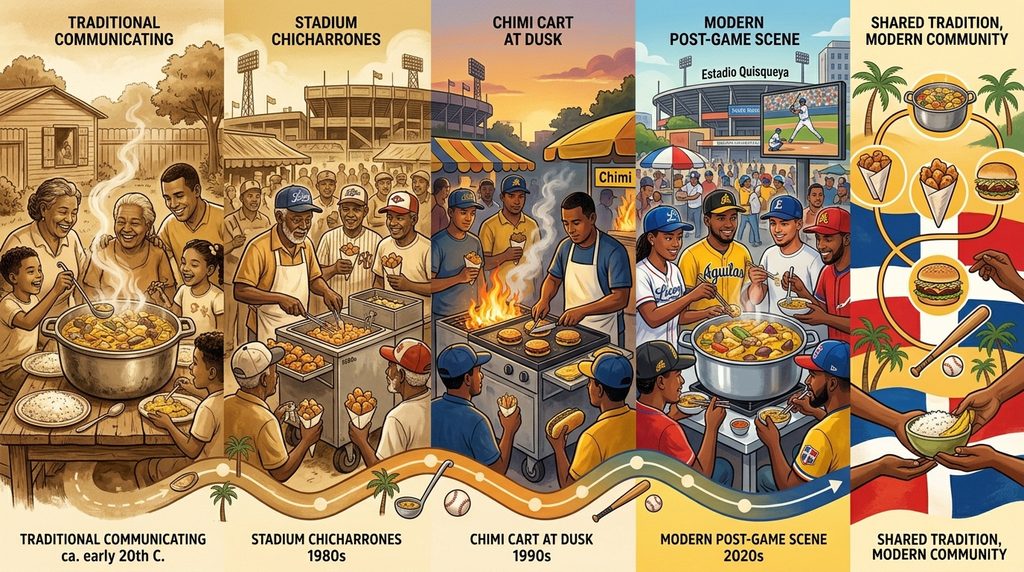
Figure 3: A Timeline of Taste: The Evolution of the Dominican Communal Table
2. Modern Communal Eating: Innovation & Fan Experience
2.1 Modern Communal Eating Innovations
- The Chimi Goes Global
- Time Span: 2020s – Present
- Description: The Dominican chimi has crossed borders. In 2023, Café Rubio introduced the “Dominican Burger” (chimi) to Citi Field, home of the New York Mets, via a Coca-Cola program supporting small businesses . The chimi is served with plantain chips and a secret sauce, bringing Dominican street food to an MLB stadium. This innovation represents the globalization of Dominican food, the recognition of immigrant cuisine in American sports culture, and the chimi as a cultural ambassador.
- The Stadium Food Scene
- Time Span: 2000s – Present
- Description: Inside Estadio Quisqueya, vendors sell beers, pizzas, hamburgers, hot dogs, empanadas, and pica-pollos to fans in the stands . The stadium food experience extends the communal eating tradition into the ballpark itself, with vendors navigating aisles and fans eating together while watching the game. This represents the integration of street food culture with stadium entertainment.
- The Post-Game Restaurant Gathering
- Time Span: 2010s – Present
- Description: After LIDOM games, fans gather at restaurants like La Cocina de Papá for authentic Dominican dishes, or at sports bars like Pal Play Drinks for live music and communal celebration . The post-game meal extends the communal experience beyond the stadium, turning the entire evening into a shared event. This represents the integration of baseball into the broader rhythm of Dominican social life.
- The Preserved Neighborhood Tradition
- Time Span: Long-standing – Present
- Description: Despite modernization, the tradition of sharing food with neighbors remains strong. Dominicans continue to send covered plates to neighbors, especially during holidays, reinforcing community bonds . This represents the resilience of communal values in a changing world, and the enduring belief that food is meant to be shared.
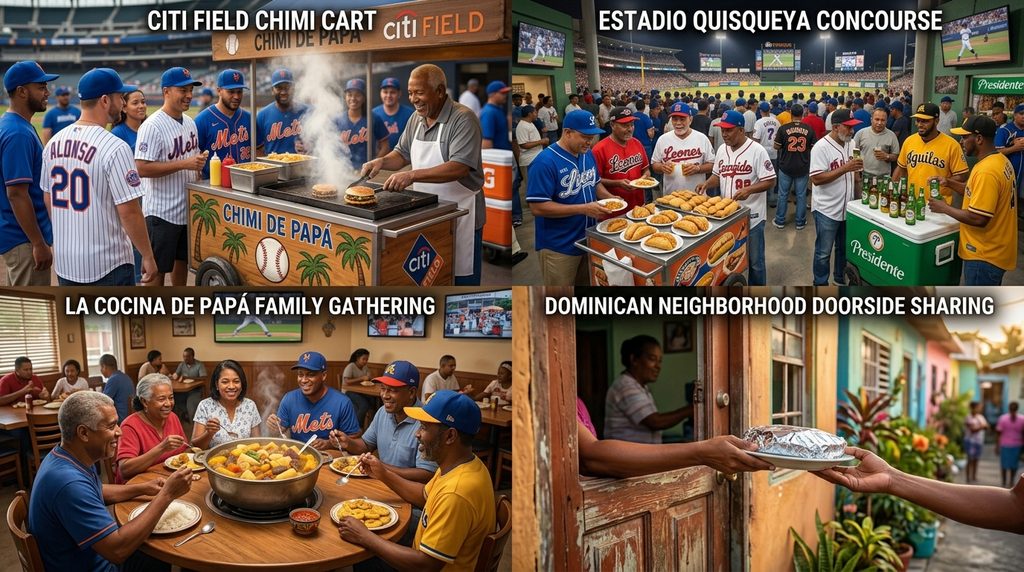
Figure 4: Communal Eating Innovation Today: A Visual Menu
2.2 Communal Eating Scenes
- The Family Table After the Game
- Time Span: Long-standing – Present
- Description: Multiple generations gathered around a table after a LIDOM game, a pot of sancocho or a plate of la bandera in the center, the game discussed and replayed in conversation. Grandparents, parents, and children eat together, the radio still on in the background. This scene represents family bonds, the continuity of tradition, and the meal as the true end of the game day.
- The Street Cart Outside the Stadium
- Time Span: Late 20th Century – Present
- Description: Fans crowded around a chimi cart or a chicharrón stand outside Estadio Quisqueya, eating standing up, talking about the game, the smell of grilling meat and fried food filling the air . Players and fans alike stop by, sharing the same space and the same food. This scene represents the democratization of communal eating, the integration of street food with baseball culture, and the joy of a shared meal in the open air.
- The Sunday Sancocho
- Time Span: Long-standing – Present
- Description: A family gathered around a large pot of sancocho on a Sunday afternoon, the stew cooking slowly for hours, the house filled with the smell of oregano and bitter orange. Dominoes on the table, laughter in the air, multiple generations under one roof . This scene represents the Dominican Sunday ritual, the centrality of family, and the meal as the anchor of the day.
- The Neighbor’s Plate
- Time Span: Long-standing – Present
- Description: A covered plate, still warm, carried down the street or across the hallway to a neighbor’s door. The gesture is simple but profound: before the family eats, the neighbor eats . This scene represents Dominican generosity, the extension of family beyond blood, and the belief that food is a bridge between homes.
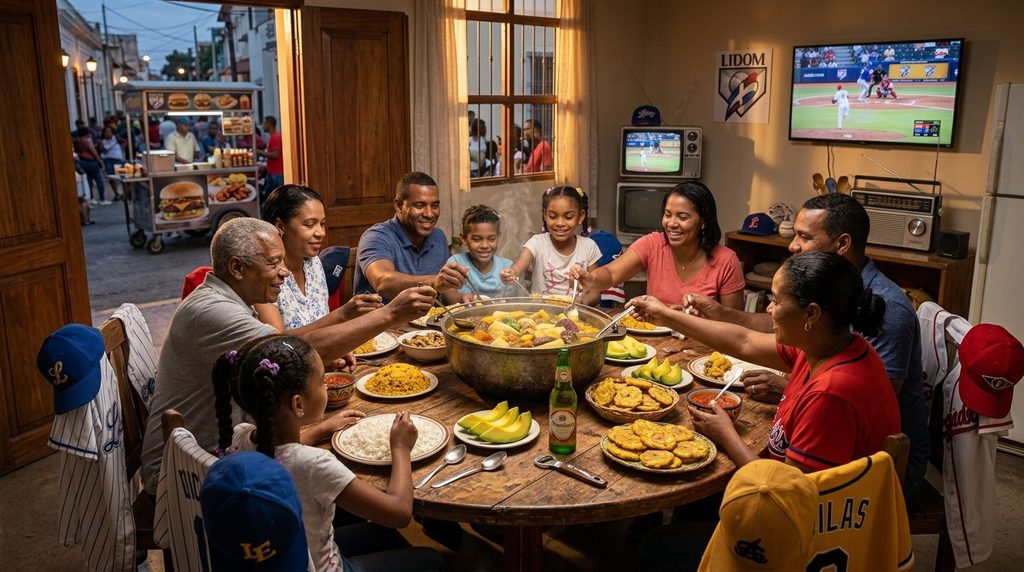
Figure 5: The Modern Dominican Communal Table
3. Artistic Transformation
This section showcases how the Dominican communal table is not just a daily practice but is woven into the cultural fabric, inspiring artists across various media—from the expressive art of puppetry to the intricate craftsmanship of rod puppets.
3.1 Puppetry
In the Artistic Transformation section of the Baseball Art Museum, we use puppetry as a medium to integrate the Dominican Republic’s iconic communal eating scenes into the setting of a baseball stadium gathering. Through meticulous techniques of puppet construction, costuming, and manipulation, and a profound understanding of gesture, voice, and the capacity for storytelling, the puppeteer skillfully combines classic communal table elements—the sancocho caldero, the plates of rice and beans, the shared table—with baseball elements including balls, bats, gloves, and stadium seats. The warmth and theatricality of the puppets and the ephemeral, performative nature of the medium contrast with the enduring tradition of Dominican communal eating, while the dynamic staging of the stadium scene infuses the puppetry with a sense of vitality and immediacy. These works are not only a tribute to the Dominican Republic’s communal table heritage but also symbolize the dialogue and fusion between the performed and the lived, the theatrical and the communal, within Dominican culture.
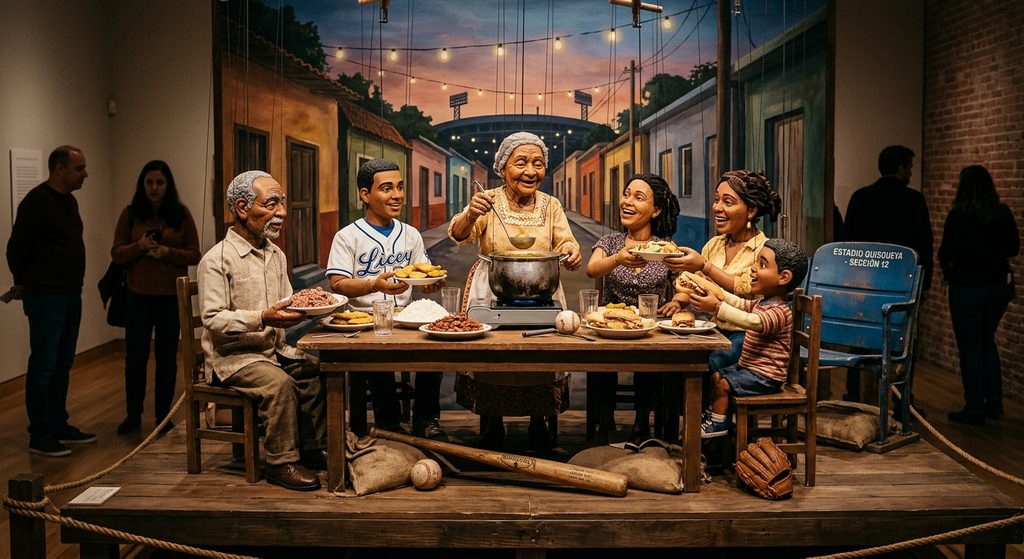
Figure 6: Puppetry Artistic Transformation — Dominican Communal Table Culture at the Stadium Gathering
3.2 Rod Puppet
The Artistic Transformation section of the Baseball Art Museum features rod puppets that bring the Dominican Republic’s beloved communal table traditions into the stadium gathering setting. Using the ancient techniques of rod puppet construction—carving, jointing, stringing, and costuming—the artist transforms iconic communal eating scenes—the sancocho caldero, the shared table, the covered plate for the neighbor—into articulated, expressive rod puppet characters. The depth and range of motion of the rod puppets echo the care and generosity embedded in the Dominican communal tradition, while baseball elements such as bats, balls, and stadium seats lend rhythm and playfulness to each piece through prop design and staging. Some puppets are dressed in everyday Dominican clothing, others in baseball jerseys. These works celebrate Dominican communal table identity, stringing together memory, generosity, and contemporary art.
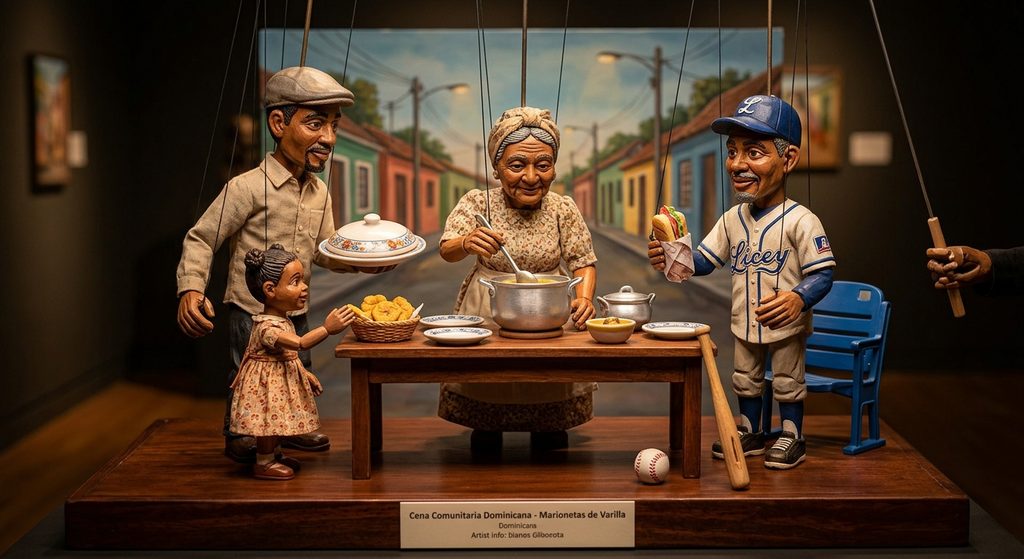
Figure 7: Rod Puppet Transformation — Dominican Communal Table Culture at the Stadium Gathering
4. Art & SAT Style Education
This interactive zone connects the cultural artifacts of the gallery to academic skills, particularly those relevant to standardized tests like the SAT Style.
Critical Reading: “The Social Life of the Dominican Table”
An exhibit presents a short, data-rich article on the cultural and economic dimensions of Dominican communal eating, including the role of sancocho in family gatherings, the chimi as a street food economy, and the tradition of sharing with neighbors. Accompanying questions challenge students to identify the author’s central claim, analyze the use of evidence, and understand vocabulary in context.
Data Analysis: “A History in Numbers”
Students interact with digital bar graphs and line charts showing the growth of the chimi street food economy, the number of vendors outside LIDOM stadiums, and the prevalence of the neighbor-sharing tradition. SAT-style questions ask them to interpret the data, draw inferences, and connect quantitative trends to cultural shifts.
Vocabulary Building Wall: “Words to Savor”
A dynamic word wall displays key terms from the gallery, including: sancocho, la bandera, chimi, caldero, communal, hospitality, generosity, neighbor, gathering, tradition.
Test Prep
Note: This is not affiliated with, endorsed by, or sponsored by the College Board or the SAT.
5. Education Game Zone
“Sancocho Ingredient Spinner” (Spinner Game)
A large, colorful spinner wheel divided into sections representing sancocho ingredients—chicken, beef, pork, longaniza, yuca, plantain, pumpkin, corn. Players spin the wheel and must place the corresponding ingredient into their virtual caldero on a magnetic board. Challenge cards ask players to balance meats, root vegetables, and seasonings. Points are awarded for “Flavor Harmony” and “Communal Spirit,” teaching about the participatory nature of Dominican sancocho.
“Communal Table Match” (Matching Game)
A tabletop matching game where players flip cards to pair Dominican dishes with their traditional contexts—sancocho with Sunday gatherings, chimi with late-night street food, la bandera with everyday lunch, pasteles en hoja with Nochebuena. A memory-style format reinforces knowledge of Dominican food culture and the social meanings attached to different dishes.
“Baseball Street Food Trivia Spin” (Spinner Game)
A stadium-themed spinner game where players spin to land on categories such as “Sancocho Traditions,” “Chimi Culture,” “Stadium Vendors,” or “Neighbor Sharing.” Each spin presents a trivia question related to the gallery’s content, from the origins of sancocho to the chimi’s arrival at Citi Field. Correct answers earn “Broth Points,” and the first player to collect a full set wins. The game reinforces historical and cultural knowledge through friendly competition.
Reference
- Hoy Digital. (2025, December 23). Tradición que nunca falta en Nochebuena: enviar un plato al vecino.
- QueHacerRD. (2026, October 16). Dominican Professional Baseball Season in Santo Domingo.
- Diario Libre. (2014, November 2). Viven de la pelota fuera de las líneas de cal.
- eathealthy365. (2025, September 15). Understanding Traditions of Dominican People.
- El Día. (2025, April 26). Así se viven los domingos a lo dominicano: sancochos, playa y dominó.
- Dominican Republic 365. (n.d.). Chimichurri Dominicano | The Dominican Street Burger.
- El Día. (2026, November 8). Ambiente fuera de play previo al inicio del partido entre Licey y Águilas.
- La Hacienda Park. (2026, May 24). La receta del sancocho dominicano.
- Valle Nuevo TV. (2025, January 24). El ‘Chimichurri’ dominicano conquista el Citi Field.
- NYC Sports News. (2023, July 14). Café Rubio introduce Hamburguesa Dominicana Chimichurri a Citi Field.
- Listín Diario. (2026, January 28). No solo el Escogido ganó….
S