
1️⃣ Exhibit Name
“PULL HIM!” Taunting Sign
2️⃣ Collection & Image
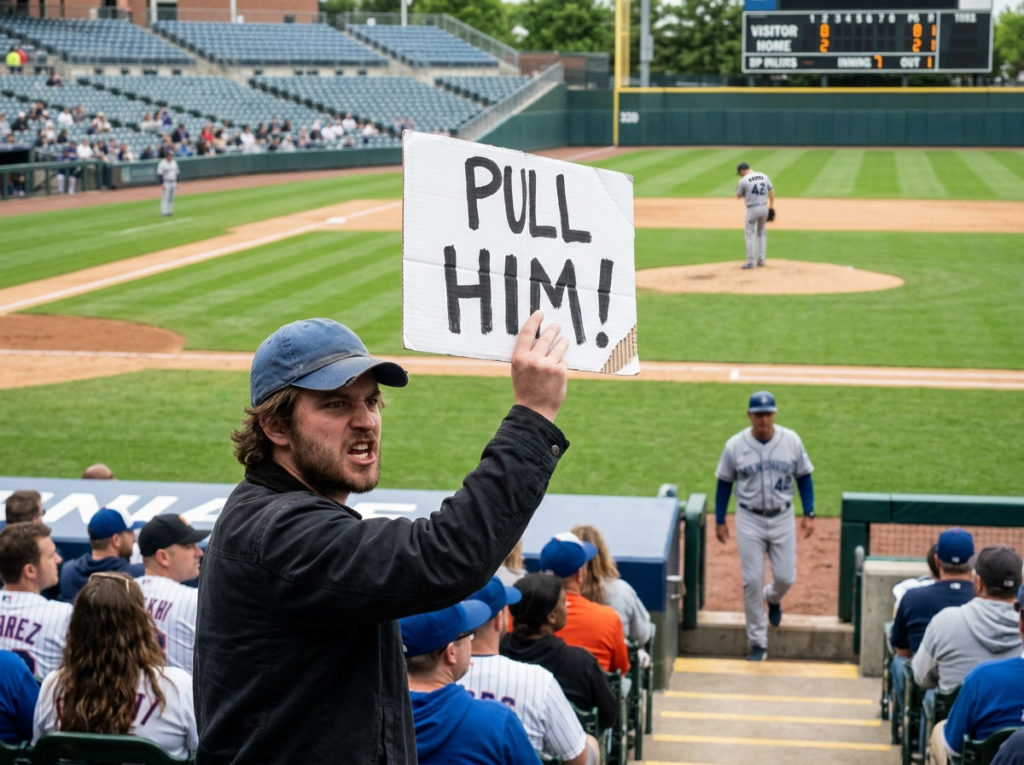
Figure 1. “PULL HIM!” Taunting Sign – Camera Photo Style
A sign reading “PULL HIM!”, “HE’S TIRED!”, or “WE WANT A NEW PITCHER!” – directed at a struggling opposing pitcher.
3️⃣ Gallery Location
Fan Culture Wing › Signs Hall › United States
4️⃣ Exhibit Background
The “PULL HIM!” Taunting Sign is a humorous, aggressive, or sarcastic sign aimed at an opposing pitcher who is struggling – walking batters, giving up hits, or throwing wild pitches. Examples include “PULL HIM!”, “HE’S TIRED!”, “WE WANT A NEW PITCHER!”, “BULLPEN, GET UP!”, or even personalized jabs like “WHERE’S YOUR CONTROL?” Unlike the “K” sign (celebrating home pitcher’s success), this sign is purely psychological warfare – fans trying to get into the opponent’s head and influence the manager to make a pitching change.
The tradition is as old as baseball itself, but the modern visual sign emerged in the 1970s when fans began holding up pre‑printed or hand‑painted cards. It is especially common during playoff games and rivalry matchups, where crowd noise and visual taunts amplify pressure.
5️⃣ Period & Location
- Period: 1970s – present (verbal taunts date back to 19th century)
- Location: Ballparks across the United States, especially during postseason and critical games
6️⃣ Material & Dimensions
- Material: Cardboard, poster board, foam core – often salvaged and reused
- Dimensions: Typically 12″ × 24″ (30 cm × 60 cm) – readable from the field
- Lettering: Bold black or red markers, sometimes with team colors and exclamation marks
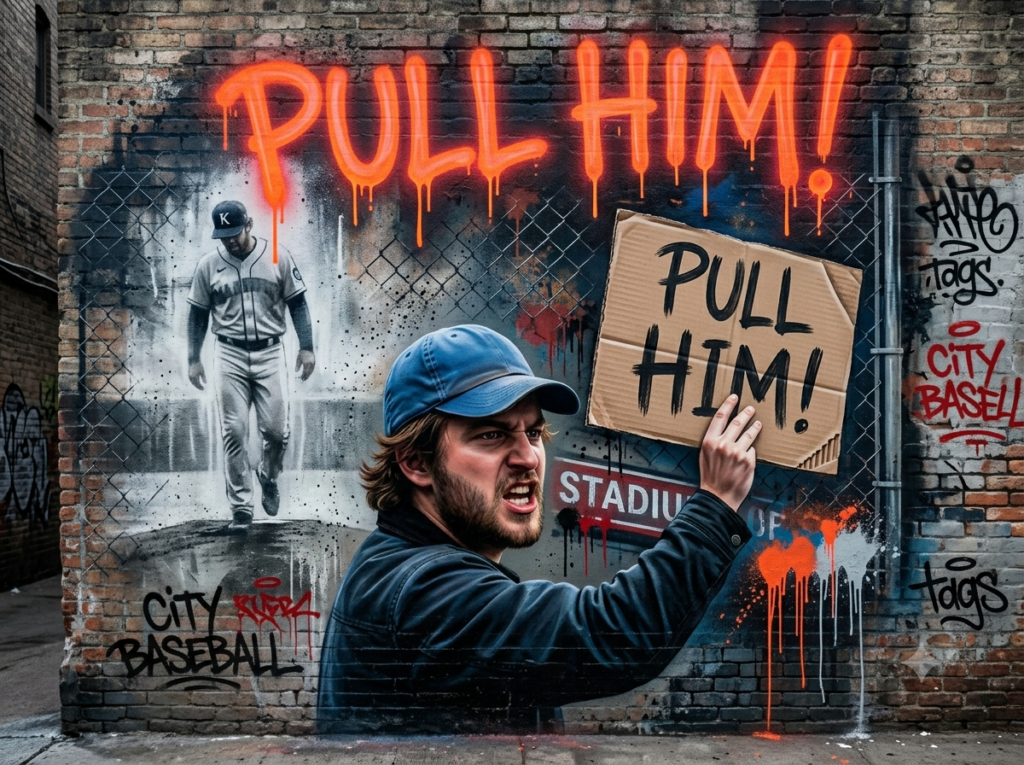
Figure 2. “PULL HIM!” Taunting Sign – Spray Art Style
A graffiti‑style mural of a taunting sign, with dripping letters and urban grit.
7️⃣ Narrative Story
The Psychology of the Taunt
Baseball is a game of failure, especially for pitchers. A struggling pitcher is vulnerable. Fans have long used verbal chants (“We want a pitcher, not a belly itcher!”) to rattle opponents. But the visual sign is more persistent. It stays in the pitcher’s peripheral vision for multiple batters, reminding him of his failures. Sports psychologists call this “negative reinforcement from the crowd.” The sign says: Everyone sees you failing. Your manager should pull you.
The 1977 Yankees–Red Sox Rivalry
The modern “PULL HIM!” sign gained notoriety during the heated 1977 pennant race between the Yankees and Red Sox. At Fenway Park, Yankees fans held up “PULL HIM!” signs aimed at Red Sox starter Luis Tiant. Tiant, a emotional pitcher, later admitted that the signs bothered him. The tradition spread; by the 1980s, “PULL HIM!” signs were a fixture in Wrigley Field’s bleachers and Dodger Stadium’s left field pavilion.
The “HE’S TIRED!” Variation
“HE’S TIRED!” became a popular variant in the 1990s during the Atlanta Braves’ dynasty. Opposing pitchers faced the Braves’ relentless lineup; fans would hold up “HE’S TIRED!” after a pitcher walked the eighth batter of the game. The sign is deliberately condescending – it questions the pitcher’s stamina, not just his skill.
The Digital Age: “PULL HIM!” on Social Media
Today, “PULL HIM!” signs appear on Twitter and Reddit as memes. When a pitcher implodes, fans post a screenshot of the sign. During the 2022 playoffs, a fan in San Diego held a sign reading “PULL HIM! – WE’VE SEEN ENOUGH” – the sign went viral and was even shown on the national broadcast. The sign has become a universal shorthand for fan frustration.
The Boundary of Sportsmanship
Taunting signs exist on a fine line between gamesmanship and poor sportsmanship. Most fans use them humorously, not maliciously. However, some signs cross the line (e.g., personal attacks). MLB has occasionally asked fans to remove signs that are profane or personally insulting. The classic “PULL HIM!” remains acceptable – it targets performance, not person.
Think About It
- Do you think taunting signs actually affect the pitcher’s performance, or are they just for fan entertainment?
- Where is the line between funny taunt and unsportsmanlike behavior?
- How does the “PULL HIM!” sign differ from a general “boo” or verbal chant?
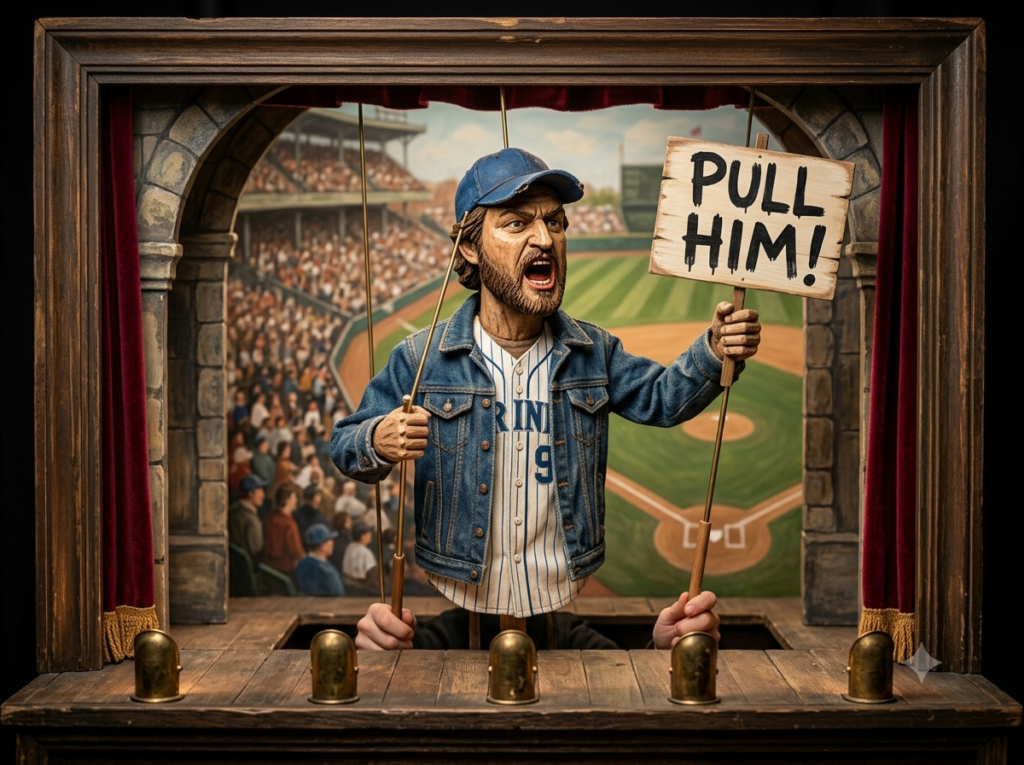
Figure 3. “PULL HIM!” Taunting Sign – Rod Puppet Style (Performance Arts)
Rod puppet theater artwork featuring a fan holding a taunting sign, with visible puppet mechanics and stage setting.
8️⃣ Current Status & Applications
- Status: The “PULL HIM!” sign appears regularly, especially during playoff games and rivalry series.
- Applications: The sign has inspired digital fan cams where fans hold up tablets showing “PULL HIM!” on the screen.
- Suggested companion exhibits: Display alongside the “K” sign (celebrating success) and “We Want a Hit!” sign (self‑deprecation).
9️⃣ Significance & Educational Value
- Significance: The “PULL HIM!” sign represents fan power – the belief that spectators can influence the game. It is a form of psychological play within the rules.
- Educational value: Encourages visitors to consider the ethics of sports taunting, the psychology of performance, and the role of the crowd in shaping outcomes.
🔟 References
- The psychology of taunting in sports. Journal of Sport Behavior, 2005.
- 1977 Yankees–Red Sox rivalry: Fan signs and the Luis Tiant incident. Boston Globe retrospective, 2002.
- “Pull him!” signs through history. Baseball Almanac, 2015.
- Viral “Pull Him” sign from 2022 playoffs. The Athletic, 2022.