Apparel Hall · Japan
Wearing the Player: From Star Identity to Fan Identity
Player jerseys are an important part of Japanese baseball fan culture. A player’s name and number transform a team uniform into a personal connection between an athlete and the people who admire and support them.
In Japan, the jersey can represent more than team membership. It can celebrate an individual player’s identity, career, achievements, and place in baseball memory.
The result is a distinctive cultural relationship:
Player → Number → Jersey → Fan → Memory
1. The Japanese Player Jersey
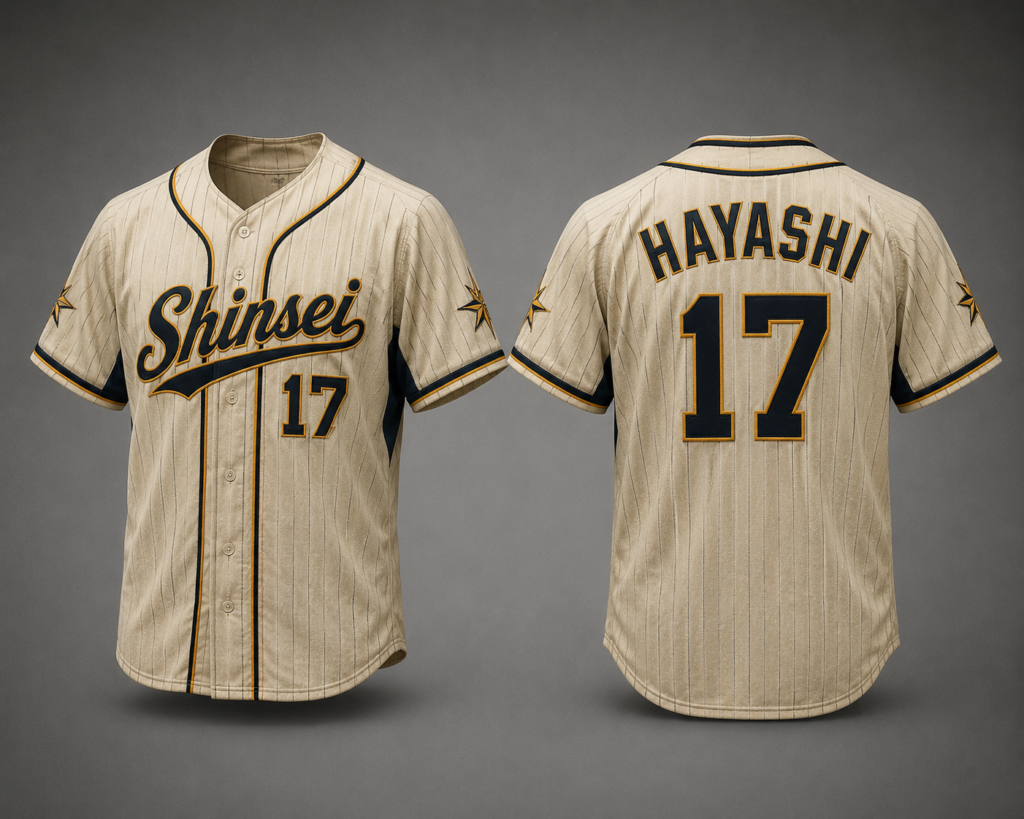
Figure 1. Japanese Professional Baseball Player Jersey
A representative Japanese professional baseball replica jersey displayed as a museum artifact. The jersey features a team-style design, player’s name, and uniform number, illustrating how the individual athlete becomes visually represented through the clothing worn by fans.
2. Baseball in Japan and the Rise of Player Identity
Baseball became established in Japan in the late 19th century and developed into a major national sport. Professional baseball eventually developed into the modern Nippon Professional Baseball (NPB) system.
As professional baseball grew, players became important public figures whose identities were closely connected with their teams, numbers, performances, and careers.
A player’s uniform therefore became more than functional clothing.
It became a visual representation of the player.
This relationship is particularly visible in the preservation of historic Japanese baseball uniforms. The Japanese Baseball Hall of Fame and Museum has exhibited uniforms worn by legendary player and manager Shigeo Nagashima, including uniforms bearing his famous number 3. (NPB.jp 日本野球機構)
3. The Meaning of the Number
In baseball, a uniform number identifies a player.
But in Japanese baseball culture, famous numbers can acquire meanings that extend beyond the individual game.
A number can become associated with:
- A legendary player
- A particular era
- Championship memories
- A player’s personality
- A team’s history
- Fan memories
The example of Shigeo Nagashima’s No. 3 demonstrates this transformation. NPB notes that children once competed to wear Nagashima’s number 3 because of his extraordinary popularity. (NPB.jp 日本野球機構)
The number therefore becomes a kind of visual shorthand for a player.
4. From Player to Fan
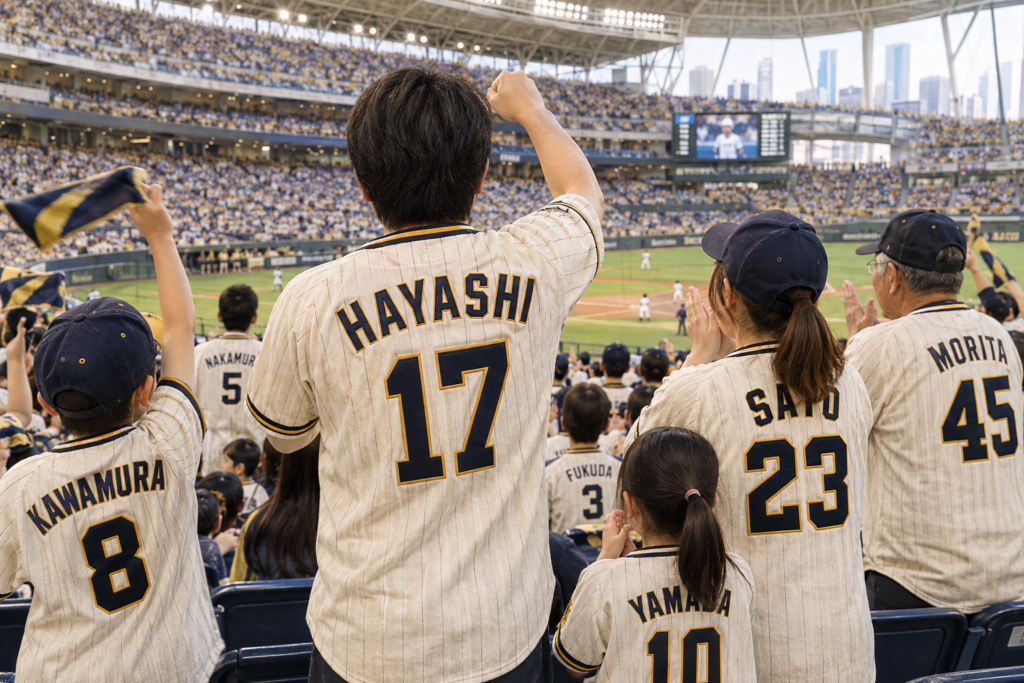
Figure 2. From Player Identity to Fan Identity
In figure 2, Japanese baseball fans wearing replica jerseys with different fictional player names and numbers while watching a professional baseball game. The image demonstrates how an individual player’s identity is transferred from the field to the fan community.
5. From Uniform to Replica Jersey
A major development in fan culture occurred when professional baseball uniforms became available as replica apparel.
Instead of simply watching a player wear a uniform, fans could purchase and wear a version representing their favorite player.
This created a powerful transformation:
Player wears the number → Fan wears the number
The fan does not become the player, but the jersey creates a visible symbolic connection.
Japan’s national baseball organization provides a particularly clear example. In 2014, the official Samurai Japan online store introduced a name-and-number service allowing customers to place their desired name and number on replica uniforms. (Japan Baseball)
This demonstrates how personalization became part of Japanese baseball apparel culture.
6. The Star Player as a Cultural Symbol
Japanese professional baseball has produced players whose identities extend far beyond statistics.
Shigeo Nagashima is a particularly important historical example.
NPB describes Nagashima as a player who became a symbol of professional baseball, with his popularity continuing across generations. His famous number 3 became strongly associated with his identity, and his uniforms are preserved as historical materials by the Japanese Baseball Hall of Fame and Museum. (NPB.jp 日本野球機構)
This illustrates an important museum principle:
When a player’s identity becomes inseparable from a number, the jersey can become a historical artifact.
7. From Individual Player to Fan Community
The player jersey creates an unusual relationship between the individual and the collective.
The player’s name identifies one person.
The jersey worn by hundreds or thousands of fans creates a community.
Thus:
One Player → One Number → Many Jerseys → One Fan Community
At a Japanese baseball game, dozens of fans may wear the same player’s jersey.
The individual athlete therefore becomes visually multiplied throughout the stadium.
The player’s identity is no longer limited to the player.
It becomes shared cultural identity.
8. National Team and the Player Jersey
The same idea extends beyond professional club baseball.
Japan’s national team, Samurai Japan, uses player names and numbers as part of its official uniform and replica-uniform culture. The official 2026 World Baseball Classic merchandise includes player-name replica uniforms, demonstrating the continued importance of connecting national-team apparel with individual players. (Japan Baseball)
The national-team jersey adds another layer:
Player → Team → Nation → Fan
The individual player’s identity becomes connected to a larger representation of Japanese baseball.
9. Evolution of the Japanese Player Jersey
| Period | Development | Cultural Meaning |
|---|---|---|
| Late 19th century | Baseball becomes established in Japan | Baseball develops as a modern Japanese sport |
| Early 20th century | School and university baseball expands | Uniforms help establish team identity |
| 1930s–1940s | Professional baseball develops | Players become increasingly recognizable public figures |
| 1950s–1970s | NPB grows into mass popular culture | Star players and uniform numbers become strongly associated |
| 1958 onward | Shigeo Nagashima’s career begins | No. 3 becomes an iconic player identity |
| Late 20th century | Replica and fan apparel expands | Fans increasingly wear team and player identities |
| 2014 | Samurai Japan introduces name-and-number customization for replica uniforms | Fan apparel becomes personally customizable |
| 2020s | Player-name replica jerseys remain prominent | Individual players become wearable symbols of baseball fandom |
The NPB museum’s preservation of Nagashima uniforms and the official Samurai Japan name-and-number program provide particularly useful primary-source evidence for this evolution. (NPB.jp 日本野球機構)
10. Design, Materials & Identity
A player jersey combines several visual elements:
| Element | Function |
|---|---|
| Team design | Identifies the club or national team |
| Player name | Identifies the individual athlete |
| Uniform number | Creates a recognizable player symbol |
| Colors | Reinforces team identity |
| Lettering style | Creates visual character |
| Fabric | Provides athletic function and comfort |
The most important difference for this exhibit is the relationship between team identity and individual identity.
A team jersey says:
“I belong to this team.”
A player jersey says:
“I support this player.”
And sometimes:
“This player represents something important to me.”
11. Cultural Interpretation
The Japanese player jersey demonstrates how baseball fandom can become deeply personal.
A fan may choose a jersey because of:
- admiration for a player’s skill,
- loyalty to a favorite player,
- memories of a particular season,
- appreciation of a player’s personality,
- connection with a famous uniform number,
- or identification with a player’s story.
The jersey therefore functions as more than sportswear.
It becomes a wearable memory.
The name identifies the person.
The number identifies the legend.
The jersey allows the fan to carry that connection beyond the stadium.
12. Think About It
- Why does a player’s number sometimes become as recognizable as the player’s name?
- Why might a fan choose a player’s jersey instead of a generic team jersey?
- Can a jersey preserve the memory of a player after the player retires?
- What happens when thousands of fans wear the same player’s number?
- When does a player’s uniform become a cultural artifact?
13. Current Status & Museum Relevance
Player jerseys remain an important part of Japanese baseball merchandise and fan culture.
Official Japanese baseball organizations continue to offer replica jerseys with player names and numbers. The 2026 Samurai Japan World Baseball Classic collection, for example, includes player-name replica home and away uniforms. (Japan Baseball)
Japanese baseball museums also preserve historically significant player uniforms as artifacts.
This creates two forms of jersey culture:
Jersey as Fan Wear
and
Jersey as Historical Artifact
The same object can begin as merchandise and eventually become part of baseball history.
14. Museum Significance
Historical Significance
Player jerseys document the development of Japanese professional baseball and the growing importance of individual players.
Cultural Significance
They demonstrate how Japanese fans express connections with individual athletes through names, numbers, and clothing.
Social Significance
When many fans wear the same player’s jersey, individual admiration becomes a visible collective experience.
Artistic Significance
Names, numbers, typography, colors, fabric, and uniform design transform the jersey into wearable visual culture.
Educational Significance
The exhibit helps visitors understand how a baseball player’s identity can move from the field into fan culture and eventually into historical memory.
15. Key Idea
Wearing the Player
A team jersey represents the team.
A player jersey represents a person.
The player’s name and number allow fans to carry an athlete’s identity beyond the baseball field.
One player.
One number.
Thousands of fans.
One shared memory.
References
- NPB — Nippon Professional Baseball. “Shigeo Nagashima: 60th Anniversary of Professional Baseball Career.” Documents Nagashima’s uniforms, number 3, career, popularity, and place in Japanese professional baseball culture. (NPB.jp 日本野球機構)
- Japan Baseball — Samurai Japan. “Replica Uniform Name & Numbering Service.” Documents the 2014 introduction of personalized name-and-number replica uniforms for fans. (Japan Baseball)
- Japan Baseball — Samurai Japan. “2026 World Baseball Classic Uniform.” Documents current player-name replica uniforms and the design concept of the 2026 national-team uniforms. (Japan Baseball)
- NPB — Nippon Professional Baseball. “Memories of the Japan Series.” Documents the preservation and exhibition of historic player uniforms and baseball equipment by the Japanese Baseball Hall of Fame and Museum. (NPB.jp 日本野球機構)
- Japan Baseball — Official Samurai Japan. “Samurai Japan New Uniform Unveiled.” Documents the historical and cultural symbolism incorporated into Japan’s national-team uniform design. (Japan Baseball)
:::