

Country: USA
Art Subject: Simple Cheek Logos
Gallery Location: Fan Culture Wing / Face Paint Hall / USA Face Paint Gallery
1. Story & Evolution
Simple Cheek Logos represent the most recognizable and accessible American face paint tradition. Fans paint team logos, player numbers, or simple color stripes on their cheeks as a quick, immediate expression of loyalty. This tradition has become a visual shorthand for baseball fandom—a simple gesture that instantly communicates team allegiance.
I. Origins: The 1970s – The Birth of Baseball Face Paint
The tradition of painting team logos on cheeks emerged in American baseball during the 1970s, as fans began seeking more visible ways to express their loyalty.
This table 1 traces the chronological development of American baseball face paint traditions, highlighting key innovations in materials, design complexity, and cultural adoption across five decades.
Table 1. The Evolution of American Face Paint (1970s–Present)
| Period | Development | Cultural Context |
|---|---|---|
| 1970s | Early adopters paint simple team initials on cheeks | Rise of “superfan” culture; fans want to stand out in crowds |
| 1980s | Cheek logos become more common; team colors and basic stripes appear | Televised games make visible fan expressions more valuable |
| 1990s | Glitter and metallic paints introduced; designs become more elaborate | Stadium culture expands; face paint becomes mainstream |
| 2000s | Social media accelerates face paint trends; elaborate designs shared online | Fans compete for most creative designs |
| 2010s–Present | Simple cheek logos remain the most accessible form; digital face paint emerges | Balance between tradition and innovation |
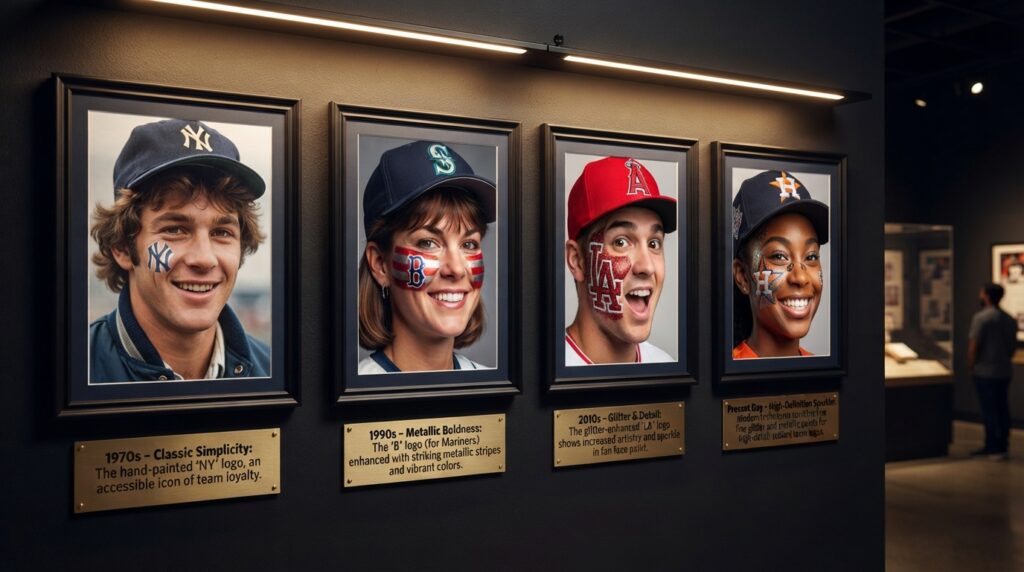
Figure 1. The Evolution of Simple Cheek Logos
A timeline display showing the evolution of American cheek logos from the 1970s to today. Early photos show simple “NY” and “B” designs; modern images show glitter-enhanced logos and coordinated group designs.
II. The Classic Cheek Logo Tradition
Fans paint their team’s primary logo or abbreviation on one or both cheeks. These designs are quick to apply, instantly recognizable, and serve as a visual declaration of team loyalty.
The table 2 catalogs the most common styles of American cheek logos, including single letters, full logos, team nicknames, city initials, and player number tributes, with examples of fan groups that use each style.
Table 2. Classic Cheek Logo Styles
| Logo Style | Description | Fan Examples |
|---|---|---|
| Single Letter | One cheek features the team’s initial (e.g., “NY” for Yankees, “B” for Red Sox, “L” for Dodgers) | Yankees, Red Sox, Dodgers fans |
| Full Logo | The team’s official logo painted on the cheek | All MLB teams |
| Team Nickname | The team’s nickname written in bold letters (e.g., “BOMBERS,” “CUBBIES”) | Yankees, Cubs fans |
| City Initials | The city abbreviation paired with team colors (e.g., “LA,” “SF,” “CHI”) | Dodgers, Giants, Cubs fans |
| Player Number | A player’s number painted in team colors | “#99” for Aaron Judge, “#34” for David Ortiz |
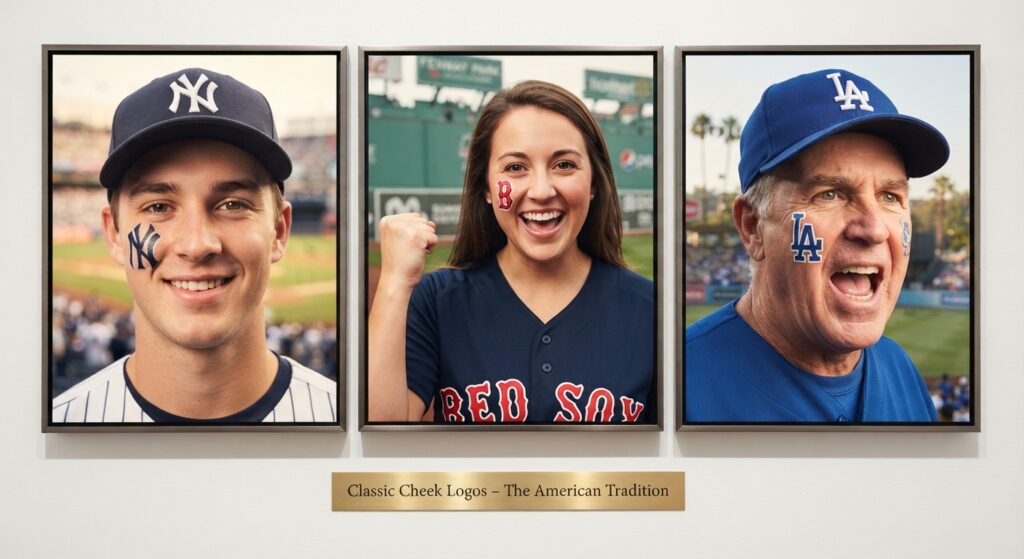
Figure 2. Classic Cheek Logos – The American Tradition
A collage of American fans showing their cheek logos. Close-up photographs reveal Yankees fans with “NY” on their cheeks, Red Sox fans with “B,” and Dodgers fans with “LA.” The simple designs are bold, colorful, and instantly recognizable.
III. The Superfan Evolution
Some fans take cheek logos beyond simple designs, creating elaborate full-face displays that combine multiple elements.
This table 3 presents the spectrum of American face paint styles, ranging from basic stripes to elaborate full-face designs, with descriptions of each style’s key features and visual impact.
Table 3. Face Paint Styles: From Simple to Spectacular
| Style | Description | Key Features |
|---|---|---|
| Team Color Stripes | Simple stripes across cheeks, forehead, or chin in team colors | Quick, accessible, universal |
| Full-Face Checkerboard | The entire face painted in alternating team colors | Bold, dramatic, instantly recognizable |
| Half-Face Designs | One side of the face painted in team colors, the other side natural | Creative, distinctive |
| Multi-Element Designs | Cheek logos plus forehead stripes plus chin decorations | Maximum visual impact |
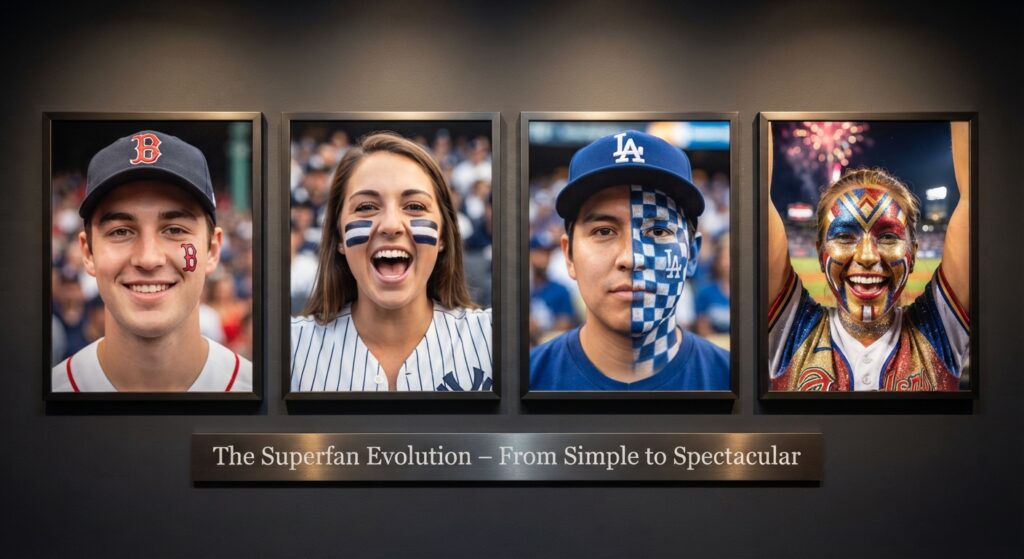
Figure 3. The Superfan Evolution – From Simple to Spectacular
A progression of photographs showing American fans’ face paint from simple cheek logos to elaborate full-face designs. The evolution demonstrates the growing artistic ambition of American baseball fans.
IV. Cultural Significance
Simple cheek logos may be quick and accessible, but they carry deep meaning for American baseball fans.
This table 4 analyzes the deeper cultural meanings embedded in American cheek logo traditions, including instant identity, community belonging, accessible expression, and generational tradition.
Table 4. Cultural Significance of Simple Cheek Logos
| Cultural Aspect | Meaning | Example |
|---|---|---|
| Instant Identity | A quick glance communicates team loyalty | Yankees fan in “NY” cheek paint |
| Community Belonging | Wearing the same face paint creates connection | Group of fans with matching stripes |
| Accessible Expression | Anyone can participate, regardless of artistic skill | Simple designs for all ages |
| Tradition | Face painting is passed down through generations | Families painting each other’s cheeks |
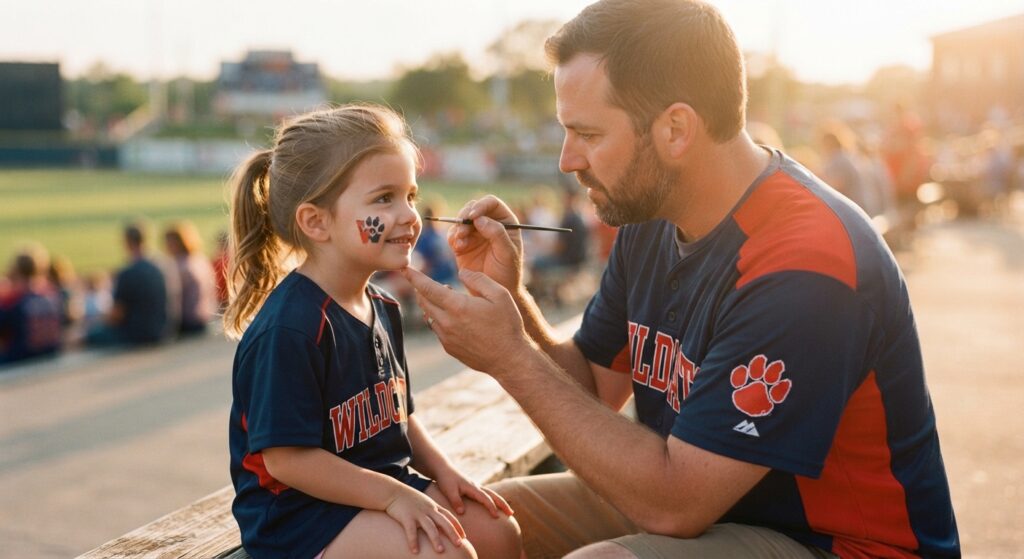
Figure 4. Family Tradition – Passing Down the Paint
A heartwarming photograph of a father painting his child’s cheek with the family’s team logo. The image captures the generational tradition of passing down team loyalty through face paint.
2. International Comparison & Innovation
While cheek logos are a universal form of fan expression across baseball cultures, each tradition has developed its own distinctive aesthetic and cultural meaning.
The table 5 contrasts the cheek logo and face paint traditions across the USA, Japan, Taiwan, and the Dominican Republic, highlighting how each culture uses facial decoration to express fan identity, cultural values, and artistic preferences.
Table 5 Comparative Analysis of Face Paint Traditions Across Four Cultures
| Aspect | USA | Japan | Taiwan | Dominican Republic |
|---|---|---|---|---|
| Core Design | Team logos, player numbers, color stripes | Kanji calligraphy, team colors, seasonal motifs | Playful characters, glow-in-the-dark, digital aesthetics | Flag designs, tropical motifs, religious symbols |
| Artistic Style | Bold, graphic, recognizable | Calligraphic, elegant, seasonal | Whimsical, creative, tech-savvy | Expressive, colorful, passionate |
| Cultural Meaning | Individual loyalty, personal identity | Collective harmony, group identity | Creative expression, digital-native culture | National pride, spiritual devotion |
| Application Method | Simple brush strokes; glitter and metallic accents | Precise calligraphy; often hand-painted | UV-reactive paints; social media optimized | Flag patterns; tropical motifs; family names |
| Special Features | Glitter, sparkle, metallic paints | Kanji characters; seasonal motifs | Glow-in-the-dark; QR codes; AR | Flag designs; “Sangre de Cristo” references |
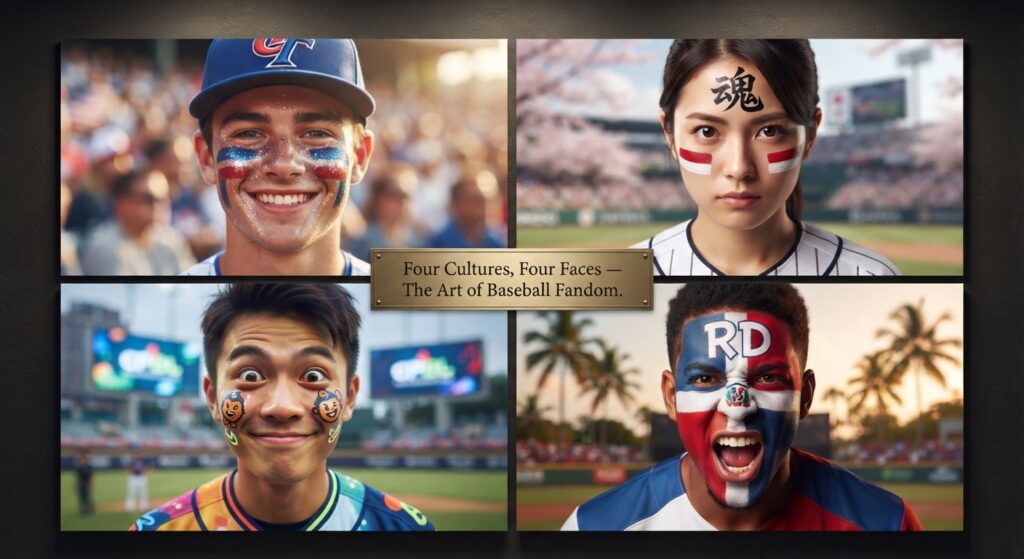
Figure 5. Four Cultures, Four Faces
A collage of four close-up photographs arranged in a grid. Each quadrant shows a fan from a different culture wearing their distinctive face paint: American in team colors and glitter, Japanese in kanji calligraphy, Taiwanese in playful cartoon design, and Dominican in national flag colors.
3. Unique Artistic Analysis
The artistry of simple cheek logos lies in their ability to transform a face into a canvas of team identity through minimal means.
I. The Aesthetics of Simplicity
- Instant Recognition: A single letter or logo painted on a cheek communicates allegiance faster than words. The simplicity of the design makes it universally readable.
- Color Psychology: Team colors evoke emotional responses. Yankees navy blue represents tradition and power; Red Sox red represents passion and intensity.
- Spatial Economy: The cheek is an intimate canvas—close to the eyes and mouth, framing expressions of joy and excitement during the game.
II. The Evolution of Materials
The table 6 traces the technological and artistic evolution of face paint materials used by American fans, from basic grease paint in the 1970s to UV-responsive paints in the present day.
Table 6. Evolution of Face Paint Materials
| Material | Era | Effect |
|---|---|---|
| Grease Paint | 1970s–1980s | Matte finish, basic colors |
| Water-Based Paints | 1990s | Easier application, better color |
| Metallic Paints | 2000s | Shiny, reflective, catches stadium lights |
| Glitter & Rhinestones | 2010s | Sparkling, photogenic, social-media ready |
| UV-Responsive Paints | Present | Glows under blacklight, futuristic |
III. The Face as Canvas
The human face provides a uniquely expressive canvas for baseball art.
- Cheeks: The most common location—symmetrical, visible, and accessible.
- Forehead: Used for additional text or symbols above the eyes.
- Chin: Often painted with stripes or team colors.
- Full Face: The ultimate canvas for elaborate artistic statements.
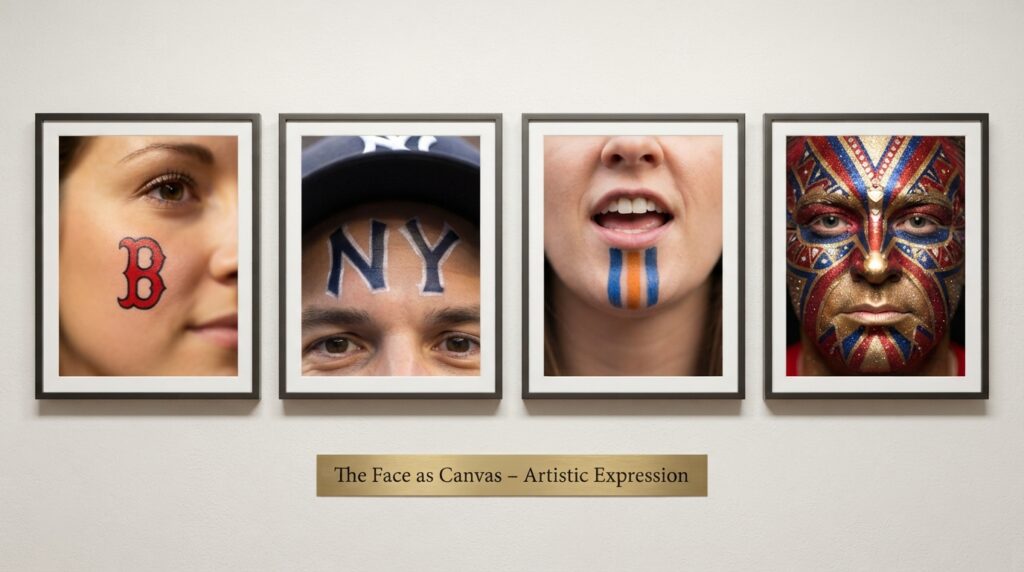
Figure 6. The Face as Canvas – Artistic Expression
A series of close-up photographs showing how different parts of the face are used as canvas space. The images demonstrate the versatility of the human face for baseball art.
4. Artistic Transformation and Creation
Simple cheek logos have inspired artists across multiple media to explore themes of identity, community, and visual communication.
Artistic Interpretation I: Photography Series – “Faces of Baseball”
- Concept: A large-format photography series featuring close-up portraits of American fans wearing simple cheek logos. Each portrait captures the fan’s emotional expression—joy, intensity, anticipation—framed by their team’s colors.
- Visual Highlight: The juxtaposition of the fan’s emotional expression with the painted logo creates a powerful visual narrative of personal connection to the game.
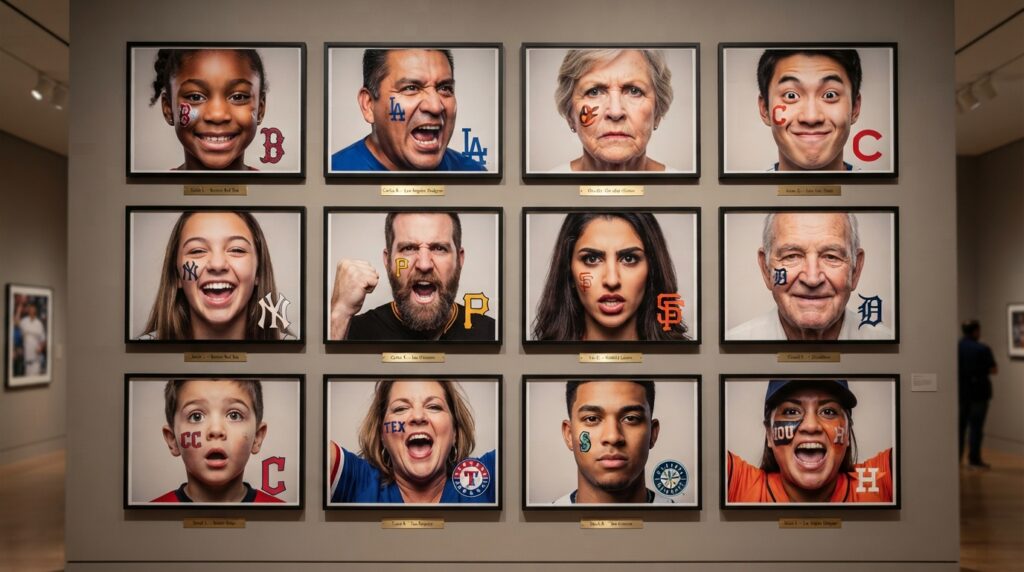
Figure 7. “Faces of Baseball” – Photography Exhibition
A gallery wall featuring large-format photographs of American fans with cheek logos. The portraits are arranged in a grid, creating a visual tapestry of team loyalty and emotional expression.
Artistic Interpretation II: Painting – “The Patriotic Canvas”
Concept: The abstract paintings that isolate patriotic face paint designs from the faces, presenting them as standalone graphic art. The paintings explore the visual language of American patriotism in baseball fandom – stars, stripes, red-white-and-blue color schemes, and the integration of team logos with national symbols.
Visual Highlight: By removing the face context, the patriotic designs become pure graphic art – bold, iconic, and instantly recognizable as expressions of both team loyalty and national pride. The series celebrates the intersection of baseball fandom and American patriotism.
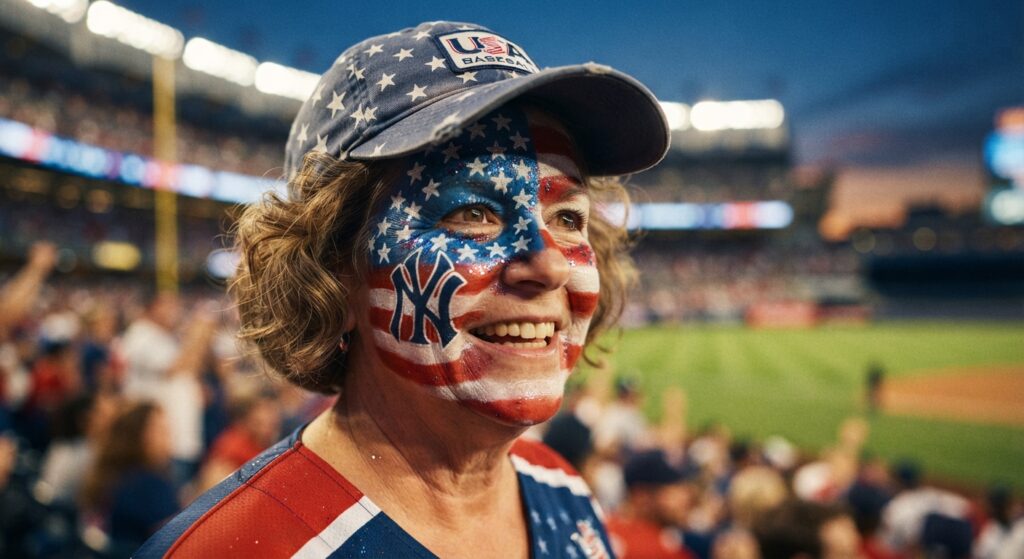
Figure 8. Patriotic Designs – Team Loyalty and National Pride
5. Art & SAT Education
6. Game Zone
Activity: “Build Your Cheek Logo – Design Studio”
In this interactive zone, visitors become face paint artists and design their own digital cheek logo.
- Team Color Selection: Visitors choose their team colors from a palette of MLB team colors (Yankees navy blue, Red Sox red, Dodgers blue, etc.) or create a custom combination.
- Logo Builder: Visitors build their cheek logo using:
- Letter Styles: Choose from classic block letters, cursive, or team-style fonts.
- Logo Elements: Add team initials, player numbers, or symbolic elements (stars, stripes, baseballs).
- Accents: Add glitter, sparkle, or metallic effects.
Bonus Challenge: “Logo Match” – A speed game where visitors must match face paint designs to their correct MLB team within 30 seconds.
References
MLB.com. (2024). Fan Culture and Face Paint Traditions. Major League Baseball.
Smithsonian Institution. (2019). American Fan Culture: The Art of Face Painting. Smithsonian American History Museum.
ESPN. (2021). “The Evolution of Face Paint in American Sports.” ESPN Fan Culture Series.
Sports Illustrated. (2019). “Superfans: The Art of the Cheek Logo.” SI Fan Culture Special Edition.