Country: Japan
Art Subject: Anime and Mascot Influence – Pop Culture on the Face
Gallery Location: Fan Culture Wing / Face Paint Hall / Japan Face Paint Gallery
1. Story & Evolution
Preserve the past. Exhibit the present. Create the future of baseball art.
Japanese baseball face paint is deeply influenced by anime, mascots, and pop culture icons. From the adorable images of team mascots to the heroic figures of baseball anime characters, Japanese fans skillfully blend their love for animation culture with their baseball fandom. This unique face paint style showcases the deep intersection between Japan’s rich animation culture and baseball fan culture.
This table 1 traces the historical evolution of anime and mascot influence in Japanese baseball face paint, from the emergence of baseball anime in the 1960s to the incorporation of VTubers and virtual idols in contemporary designs, while also looking ahead to future digital innovations.
Table 1. The Evolution of Anime and Mascot-Inspired Face Paint: Past, Present, and Future
| Period | Development | Cultural Influence | Key Features |
|---|---|---|---|
| PAST – 1960s | Baseball anime emerges, starting with Star of the Giants (1968) | Rise of anime culture; baseball becomes a popular anime genre | Black-and-white manga style; iconic character designs |
| PAST – 1970s–1980s | Classic baseball anime like Touch (1985) are released | Baseball anime deeply influences a generation of fans | Color animation style; youth and passion themes |
| PAST – 1990s | Fans begin painting anime characters on their faces to support teams | First fusion of fan culture and anime culture | Hand-painted designs; character feature imitation |
| PRESENT – 2000s | Mascot face paint becomes a common sight in stadiums | NPB team mascot culture flourishes | Mascot color schemes; animal feature painting |
| PRESENT – 2010s | Anime collaboration events increase; official collaboration stickers released | Official partnerships between baseball and anime become routine | Officially licensed paint designs; collaboration character designs |
| PRESENT – 2020s | VTubers and virtual idols collaborate with baseball teams; face paint designs become more diverse | Digital-native generation becomes the core fan base | Digital-style paint; VTuber signature colors |
| FUTURE | AR dynamic paint – Anime characters animated in real-time on faces | Augmented reality technology merges with traditional paint | Animated characters; real-time interaction; digital projection |
| FUTURE | AI character generation – AI creates custom character paint based on fan preferences | Personalization and AI technology integration | Personalized characters; AI-generated designs |
| FUTURE | Cross-media collaborations – More anime, gaming, and VTuber partnerships | Deep integration of pop culture and baseball | Multimedia collaborations; cross-IP partnerships |
| FUTURE | Sustainable paints – Eco-friendly, biodegradable anime-style paints | Reflects growing environmental awareness in Japanese culture | Eco-friendly paints; biodegradable materials |
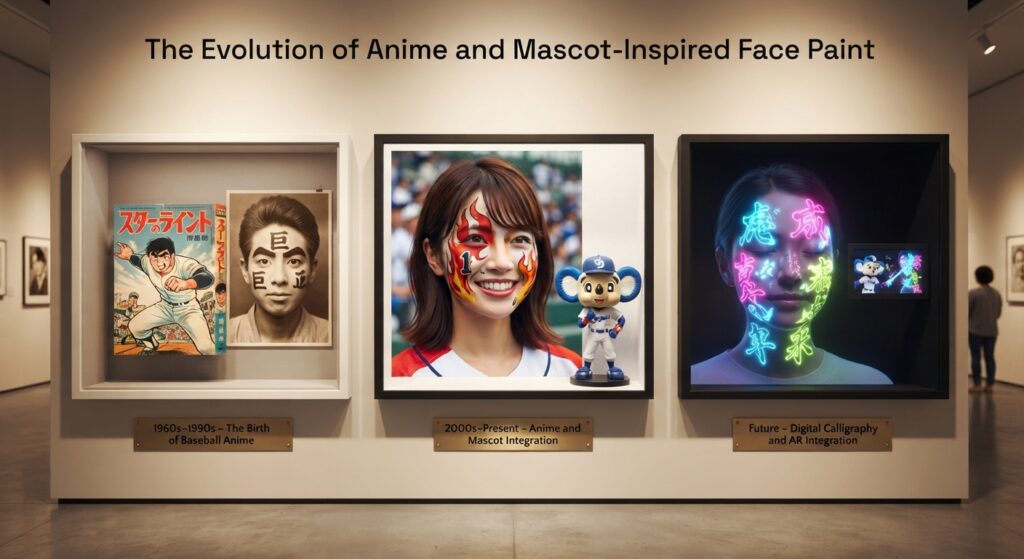
Figure 1. The Evolution of Anime and Mascot-Inspired Face Paint
A museum timeline display showing the evolution of anime and mascot influence in Japanese baseball face paint. Left panel: 1960s Star of the Giants manga style. Center panel: a modern fan with Ace of the Diamond character painted on their face. Right panel: a futuristic concept with AR-animated anime characters projected on a fan’s face.
I. Mascot Face Paint
Each NPB team has highly recognizable mascots, and fans often paint the mascot’s image or elements on their faces.
This table 2 categorizes and introduces the face paint styles inspired by NPB team mascots, including animal mascots, character mascots, color-based designs, and expression-based designs, with painting methods and representative teams for each style.
Table 2. NPB Mascot Face Paint Styles
| Mascot Type | Painting Method | Representative Teams |
|---|---|---|
| Animal Mascots | Paint the mascot’s facial features (e.g., tiger stripes, panda eye circles) | Hanshin Tigers, Hiroshima Toyo Carp |
| Character Mascots | Paint the mascot’s costume elements or classic poses | Yomiuri Giants, Fukuoka SoftBank Hawks |
| Mascot Colors | Use the mascot’s signature colors for face paint | All NPB teams |
| Mascot Expressions | Paint the mascot’s signature expression or classic pose | Hokkaido Nippon-Ham Fighters |
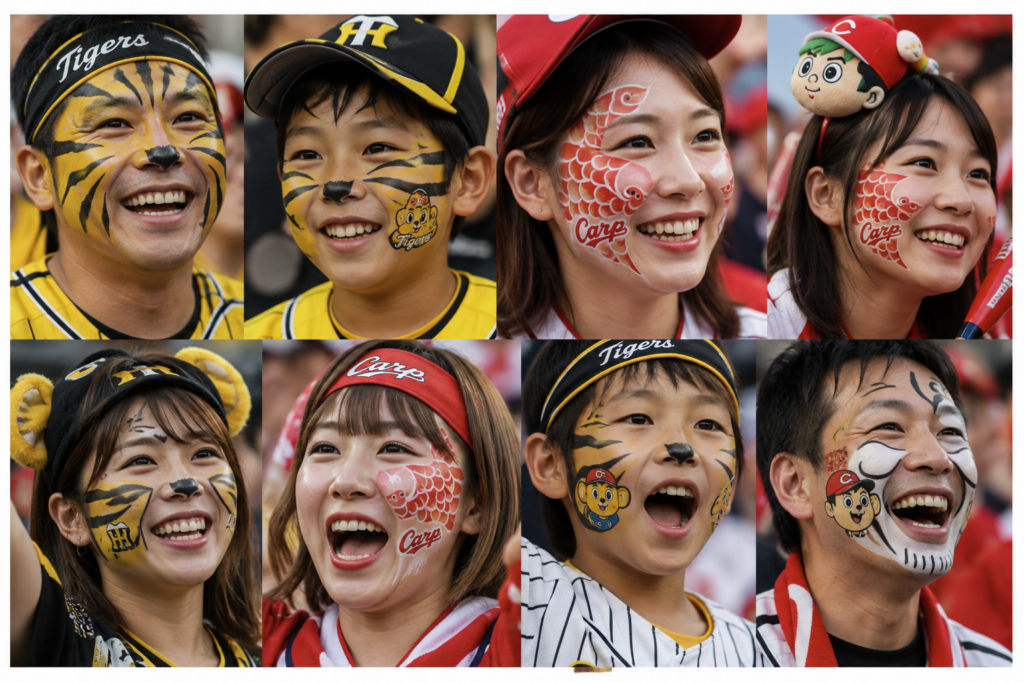
Figure 2. Mascot Paint – The Fan-Mascot Connection
A collage photograph showing various styles of Japanese fans painting team mascot elements on their faces. Includes tiger stripes, carp scale patterns, and the mascot’s signature smiles.
II. Baseball Anime Character Face Paint
Classic baseball anime characters have deeply influenced Japanese fans, who pay tribute to these fictional heroes through face paint.
This table 3 lists classic baseball anime works that have significantly influenced Japanese baseball face paint, including paint elements, key visual features, and their cultural impact.
Table 3. The Influence of Classic Baseball Anime on Face Paint
| Anime Title | Paint Elements | Key Visual Features | Influence |
|---|---|---|---|
| Star of the Giants (1968) | Protagonist Hyūma Hoshi’s signature headband and expression | Star patterns; determined expression; red and white colors | Pioneered baseball anime paint tradition |
| Touch (1985) | Tatsuya and Kazuya Uesugi’s numbers and colors | Number 1; warm expression; youthful colors | Influenced 1980s–1990s fans |
| Ace of the Diamond (2006) | Eijun Sawamura’s number and fighting spirit symbols | Number 1; flame patterns; red and white colors | Most popular contemporary baseball anime paint |
| Big Windup! (2007) | Ren Mihashi’s number and team spirit symbols | Number 1; team symbols; soft colors | Popular among young fans |
| Major (1994) | Gorō Honda’s number and passionate slogans | Number 1; flame patterns; red and white colors | Cross-generational influence |
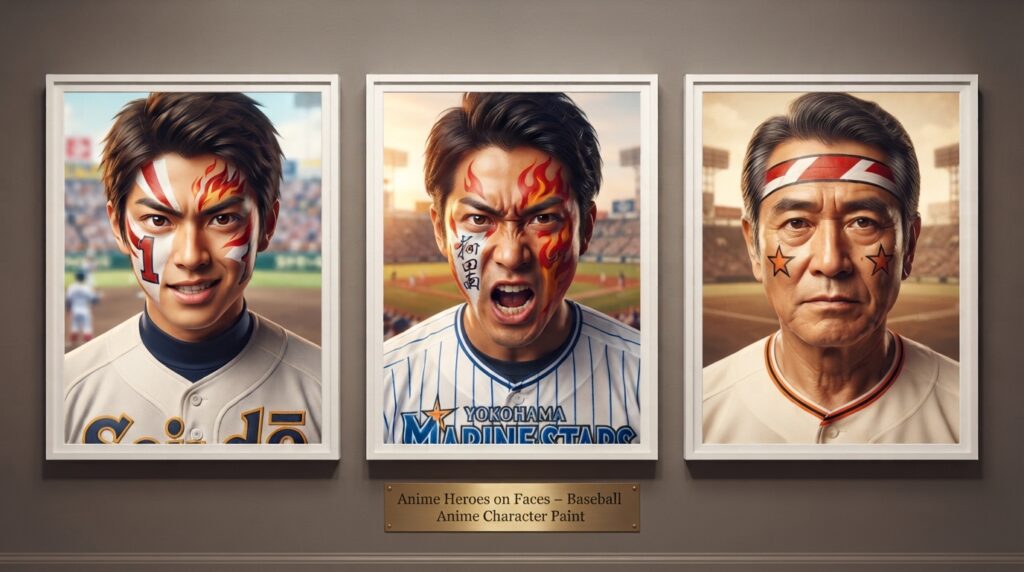
Figure 3. Anime Heroes on Faces – Baseball Anime Character Paint
Description: A series of photographs showing Japanese fans’ creative face paint inspired by baseball anime characters. Includes Eijun Sawamura’s number from Ace of the Diamond, Gorō Honda’s signature from Major, and the classic headband from Star of the Giants.
III. Pop Culture and VTuber Influence
In recent years, VTubers, virtual idols, and pop culture icons have also begun to influence Japanese baseball face paint designs. The table 4 explores how VTubers, virtual idols, and pop culture icons influence Japanese baseball face paint designs, reflecting the diverse expressions of the digital-native generation of fans.
Table 4. Pop Culture and VTuber Influence on Face Paint
| Pop Culture Element | Painting Method | Popular Period | Representative Examples |
|---|---|---|---|
| VTuber Virtual Idols | Paint VTuber signature colors or eyes | 2020s–Present | Team collaborations with VTubers |
| Game Characters | Paint elements from baseball game characters (e.g., Power Pro Baseball) | 2010s–Present | Game character collaboration paint |
| Anime Collaboration Events | Paint collaboration characters during official events | 2010s–Present | Theme day limited paint |
| Pop Culture Icons | Paint currently popular anime or game characters | Continuously evolving | Trending characters on social media |
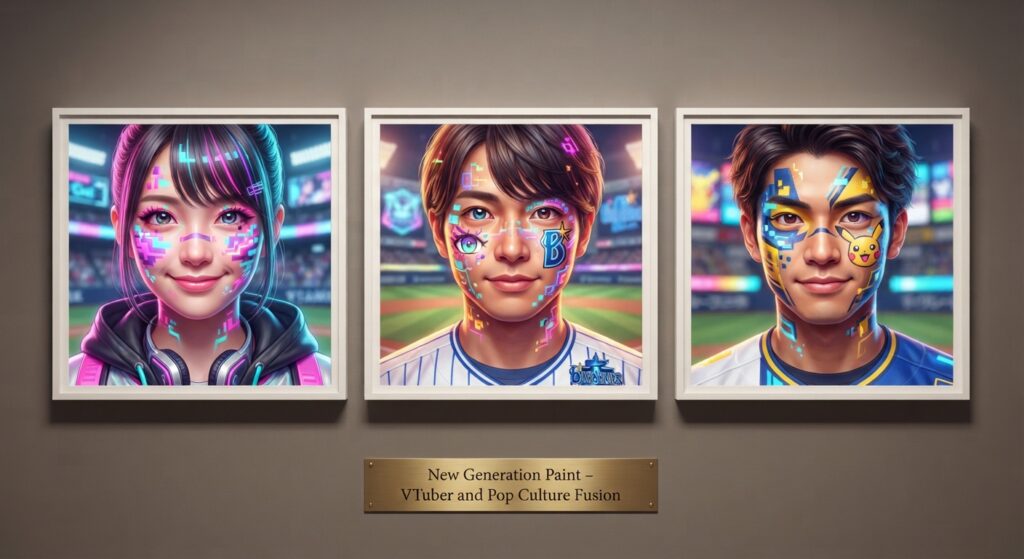
Figure 4. New Generation Paint – VTuber and Pop Culture Fusion
A conceptual rendering showing Japanese fans incorporating VTuber and pop culture elements into their face paint designs. Includes virtual idol signature colors and digital-style paint patterns.
2. International Comparison
While baseball fans in other countries are also influenced by pop culture, Japan’s integration of anime culture with baseball face paint is unique.
This table 5 compares the incorporation of pop culture and anime elements in baseball face paint across Japan, the United States, Taiwan, and the Dominican Republic, highlighting Japan’s unique depth of integration between animation culture and baseball fandom.
Table 5. International Comparison of Anime and Pop Culture Influence in Baseball Face Paint
| Aspect | Japan | United States | Taiwan | Dominican Republic |
|---|---|---|---|---|
| Anime/Pop Culture Influence | Very Strong – Baseball anime, mascots, VTubers are primary inspiration sources | Moderate – Occasional superhero or movie character paint | Moderate – Influenced by Japanese anime and local pop culture | Low – Primarily influenced by religion and national identity |
| Paint Style | Character features, mascot elements, signature colors | Superhero logos, movie characters | Anime characters, local pop culture icons | Religious symbols, flags, tropical patterns |
| Official Collaborations | Frequent – Teams collaborate with anime franchises for paint events | Occasional – Theme day events | Occasional – Theme day events | Very Rare |
| Cultural Meaning | Fusion of anime culture and baseball fandom | Combination of pop culture and sports | Creative expression combined with Japanese culture | Expression of faith and national identity |
| Audience Age Range | Cross-generational – Children to adults | Primarily young fans | Primarily young fans | Cross-generational |
| Visual Characteristics | Detailed character features, dynamic energy | Bold graphics, superhero logos | Playful, cute, digital style | Vibrant colors, religious symbols |
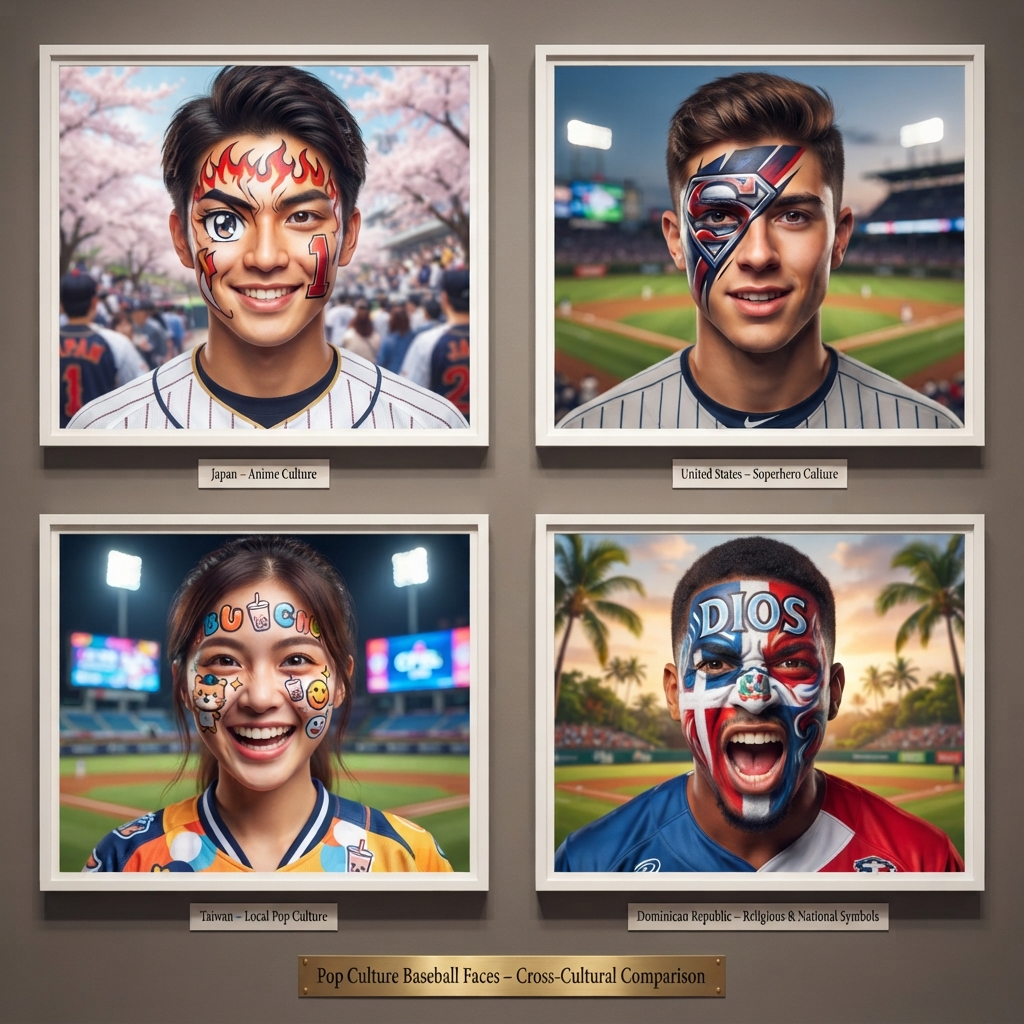
Figure 5. Pop Culture Baseball Faces – Cross-Cultural Comparison
A four-panel grid showing how baseball face paint incorporates pop culture elements across different cultures. The Japan panel shows detailed anime character paint, the US panel shows superhero logos, the Taiwan panel shows local pop culture icons, and the Dominican Republic panel primarily shows religious and national symbols.
3. Comparing Baseball and Football
Japanese football (J-League) fans are also influenced by anime and pop culture. Comparing baseball and football reveals how anime culture manifests differently across sports.
This table compares the incorporation of anime and pop culture elements in Japanese baseball and football fan culture, highlighting similarities and differences in how fans express themselves across the two sports.
Table 6. Comparative Analysis of Anime/Pop Culture Influence in Baseball and Football
| Aspect | Baseball (NPB) | Football (J-League) |
|---|---|---|
| Anime Influence | Baseball anime (Ace of the Diamond, Major) are primary inspiration sources | Football anime (Captain Tsubasa) are primary inspiration sources |
| Mascot Paint | NPB team mascot paint is very common | J-League team mascot paint is also common |
| Pop Culture Fusion | Collaborations with baseball games, VTubers | Collaborations with football games, popular brands |
| Paint Style | Detailed character features, mascot elements | Character logos, team colors, team spirit slogans |
| Fan Groups | Cross-generational, family-oriented | Primarily young fans, Ultra groups |
| Official Collaborations | Frequent – Official collaborations with anime | Frequent – Collaborations with football anime and games |
| Visual Characteristics | Detailed character depictions, dynamic energy | Simple graphics, flag elements |
| Cultural Core | “Baseball is part of popular culture” | “Football is passion and national pride” |
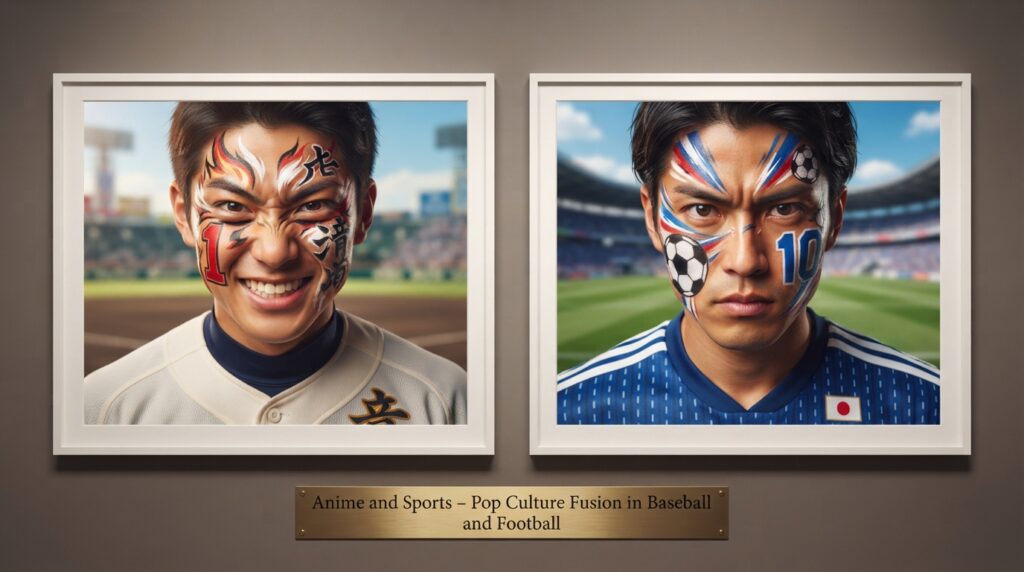
Figure 6. Anime and Sports – Pop Culture Fusion in Baseball and Football
A side-by-side comparison of Japanese baseball and football fans incorporating anime elements into their face paint. The baseball fan features Ace of the Diamond characters, while the football fan features Captain Tsubasa characters. Both demonstrate the profound influence of Japanese anime culture on sports fandom.
4. Unique Artistic Analysis
The artistry of anime and mascot-inspired face paint lies in its ability to bring beloved characters to life on the human face, creating a living tribute to the stories and heroes that have shaped Japanese baseball culture.
I. The Aesthetics of Anime Character Design
- Character Recognition: The most successful anime-inspired face paint designs are instantly recognizable. Fans use key visual elements – a distinctive hairstyle, a signature cap, a unique expression – to convey the character without needing words.
- Color Fidelity: A character’s signature colors are essential to the paint design, such as Eijun Sawamura’s red and white colors from Ace of the Diamond or the red and white of Star of the Giants. Faithfully reproducing the character’s colors is key to a successful design.
- Dynamic Energy and Expression: Excellent paint designs capture the character’s dynamic moments – the explosive power of a pitch, a victorious pose after a hit, or a burning fighting spirit. Anime characters are often depicted in moments of intense action, and face paint designs capture this energy through bold shapes, vibrant colors, and expressive patterns.
II. The Playfulness of Mascot Paint
- Anthropomorphic Expression: Mascot paint transforms the cute qualities of animals or characters into facial art, adding a playful element. Fans become “living versions” of their team’s mascot, creating a joyful, fun form of fan expression.
- Team Identity: Mascot paint is a direct expression of team loyalty. Each mascot design is unique to its team, creating an instantly recognizable sense of belonging and team identity.
- Cross-Generational Appeal: Mascot designs are often simpler and more accessible than anime character designs, making them popular among fans of all ages. Children and adults alike can participate, giving them cross-generational appeal.
III. Contemporary Pop Culture Expression
- Digital-Native Generation: VTuber and virtual idol paint reflects the cultural preferences of the digital-native generation, demonstrating the continued evolution of paint art. This generation grew up in a digital environment and naturally brings familiar virtual idol elements into the stadium.
- Official Collaboration Events: Official collaboration events combine anime culture with baseball games, creating unique fan experiences and visual spectacles. When teams partner with popular anime franchises, fans have the opportunity to paint officially licensed character designs.
- Social Media Sharing Value: The high recognizability and visual impact of anime paint make it highly shareable on social media, further amplifying the influence of this art form.
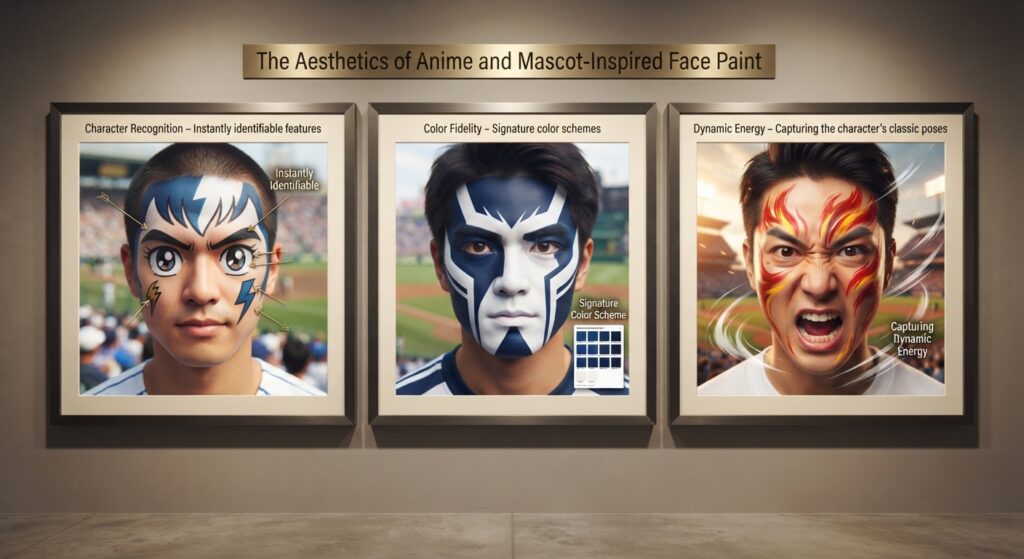
Figure 7. The Aesthetics of Anime and Mascot-Inspired Face Paint
A three-panel educational display illustrating the aesthetic principles of anime and mascot-inspired face paint: Character Recognition (instantly identifiable features), Color Fidelity (signature color schemes), and Dynamic Energy (capturing the character’s classic poses).
5. Artistic Transformation and Future Creation (Cross-Media Artistic Interpretation)
Anime and mascot-inspired face paint has inspired artists across multiple media and points toward exciting future possibilities.
Artistic Interpretation I: Digital Paint – “The Customizable Face Mask”
Concept: A digital interactive installation where visitors design and wear a customizable half-face mask (covering the mouth and lower face area, like a “mouse mask” style). The mask features a transparent display panel or slot where visitors can insert or project different drawings, photos, patterns, or colored paper – allowing them to dynamically change their “face paint” in real-time.
Visual Highlight: Visitors can:
- Insert physical drawings – Slide their own hand-drawn artwork into the mask’s display slot
- Upload digital designs – Use a touchscreen to select or upload images, which appear on the mask’s digital screen
- Swap colors instantly – Change the mask’s display from team colors to player photos to custom patterns with a tap or swipe
- Dynamic animation – The mask can display animated patterns, scrolling messages, or shifting colors
- Group coordination – Friends can synchronize their masks to display matching designs, creating a coordinated visual display
Future Vision: Fans wear customizable digital masks at games that can instantly display team colors, player photos, or personalized messages. The masks can synchronize with stadium screens, creating coordinated visual displays across entire sections. Fans can also share their mask designs through a companion app, creating a community of digital face paint artists.
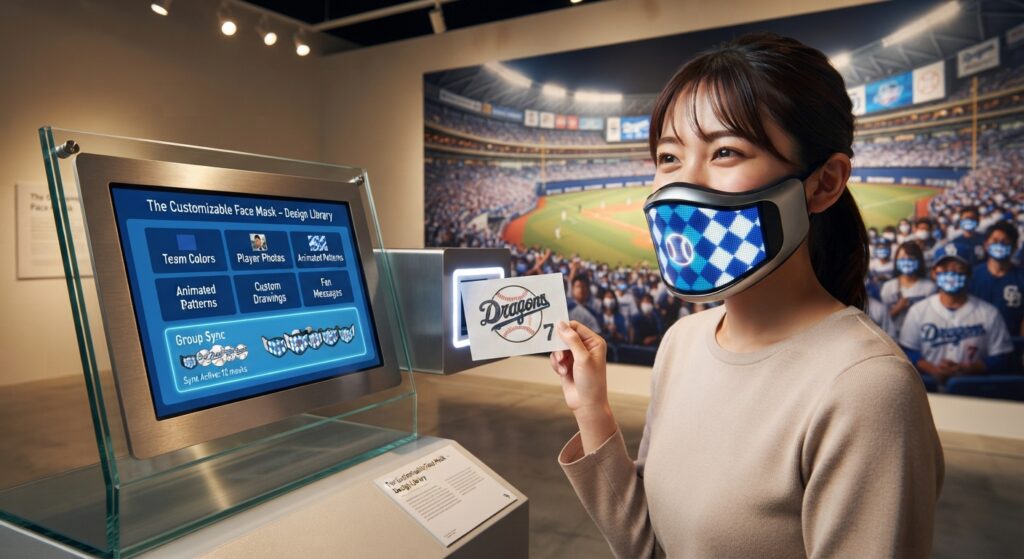
Figure 8. The Customizable Face Mask
Artistic Interpretation II: Sculpture – “The Full-Face Customizable Mask”
Concept: A series of sculptural full-face masks featuring a transparent front panel or display window where fans can insert hand-drawn paintings, illustrations, or designs. Unlike digital masks, this concept celebrates the tactile, handmade nature of fan art – fans create physical drawings on paper and slide them into the mask’s front slot, instantly transforming their face into a canvas for their own artwork.
- Visual Highlight: Visitors can:
- Insert hand-drawn paintings – Slide paper with hand-painted designs into the mask’s front display window
- Display player numbers – Paint their favorite player’s number in team colors
- Show Japanese characters – Paint meaningful kanji like 勝 (victory), 闘 (fight), or 魂 (spirit)
- Feature auspicious animals – Paint dragon, tiger, or phoenix motifs representing strength and luck
- Combine elements – Layer multiple elements (numbers + kanji + animals) on a single design
- Swap designs instantly – Remove one paper and insert another to change their “face” in seconds
- Future Vision: Fans arrive at games carrying a collection of their own hand-painted mask inserts – each game they can choose which design to display, from player tributes to lucky charms. Entire sections of fans coordinate their designs, creating a stadium filled with handmade, personalized artwork. The masks become collectible, tradeable, and a canvas for fan creativity.
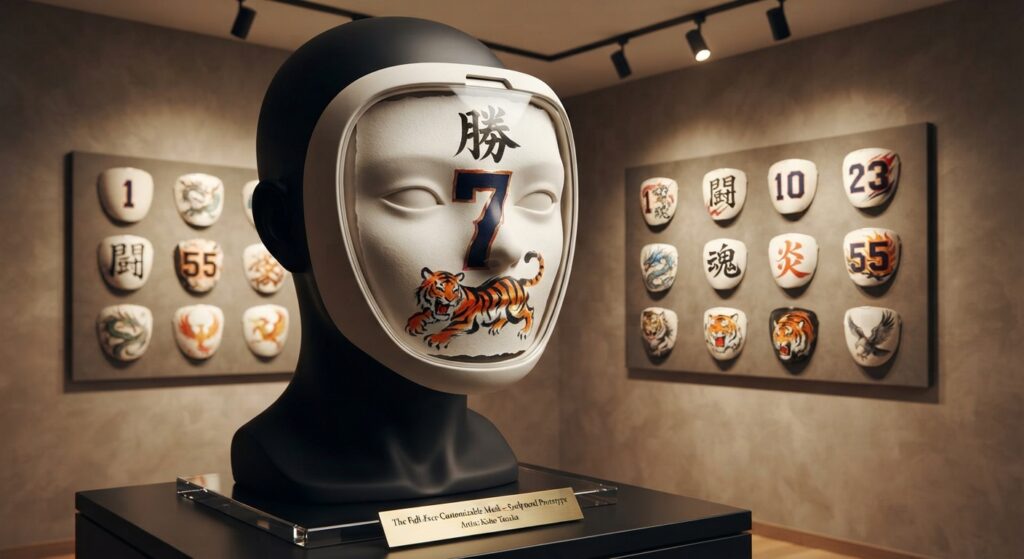
Figure 9. The Full-Face Customizable Mask – A Sculptural Vision
6. Art & SAT Education
7. Game Zone
Activity: “Design Your Anime Paint – Character & Mascot Studio”
In this interactive zone, visitors create their own baseball face paint design inspired by Japanese anime and mascot culture.
Bonus Challenge: “Anime Paint Match” – A timed challenge where visitors must match face paint designs to the correct anime character or mascot within 30 seconds.
References
Nippon Professional Baseball (NPB). (2024). NPB Fan Culture and Mascot Traditions. Tokyo: NPB Publications.
Tanaka, M. (2022). Organized Cheering: A Cultural History of Japanese Baseball. Tokyo: University of Tokyo Press.
Sato, H. (2020). “Anime and Baseball: Cross-Media Fusion in Japanese Fan Culture.” Journal of Japanese Popular Culture, 18(3), pp. 67-84.
Yamada, K. (2021). “From Star of the Giants to Ace of the Diamond: The Impact of Baseball Anime on Japanese Fan Culture.” Sports and Media Studies, 12(2), pp. 34-51.
Hayashi, Y. (2023). “VTubers and Sports Fan Culture: New Connections in the Digital Age.” Digital Culture Review, 11(4), pp. 45-62.
Takahashi, R. (2022). “The Role of Mascot Culture in the Japanese Sports Industry.” Journal of Japanese Sports Management, 9(1), pp. 78-95.
International Journal of Sports Studies. (2021). “Pop Culture and Sports Fandom: A Cross-National Comparative Study.” International Journal of Sports Studies, 8(3), pp. 112-128.