
Country: Dominican Republic
Art Subject: Dominican Ballpark Meals – Flavors of the Caribbean
Gallery Location: Fan Culture Wing / Classic Ballpark Meals Hall / Dominican Republic Gallery
Gallery Overview
In the Dominican Republic, baseball and food are inseparable expressions of national identity. From the sizzle of empanadas frying at Estadio Quisqueya to the crisp crunch of tostones, from the rich aroma of “La Bandera” to the playful pride of “Plátano Power,” Dominican ballpark cuisine is a celebration of flavor, family, and the Caribbean spirit.
Dominican baseball is legendary, producing some of the greatest players in the history of the game. But the ballpark experience in the Dominican Republic is about more than just the action on the field. It is a sensory journey – the sound of merengue, the vibrant colors of team jerseys, and the irresistible aromas of fried plantains, seasoned meats, and tropical fruit. Food is central to the Dominican fan experience, served with passion and shared with family. This gallery celebrates the iconic dishes, the cultural traditions, and the unique flavors that define Dominican baseball.
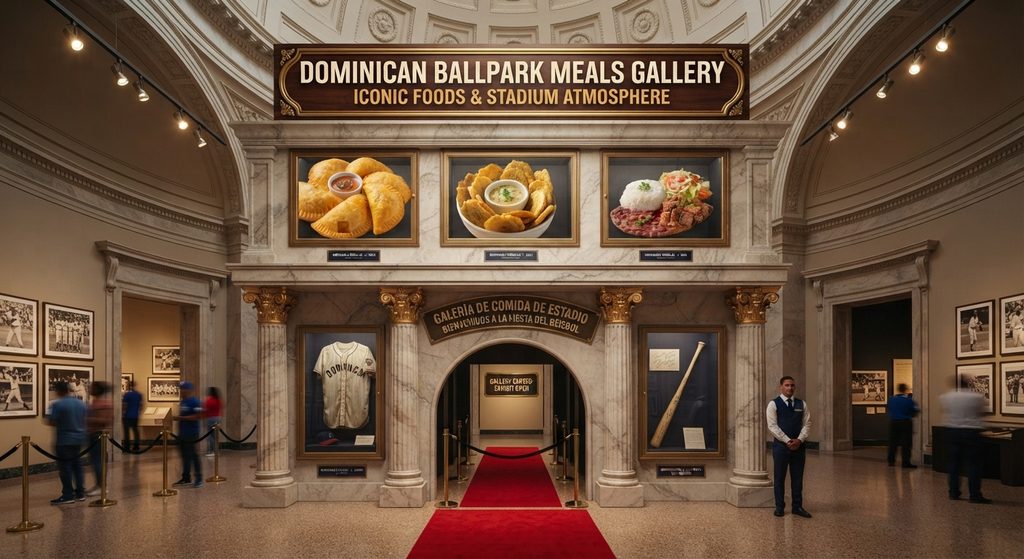
Figure 1. Dominican Ballpark Meals Gallery – Entrance Installation
A dramatic entrance display featuring a large-scale composite image of iconic Dominican ballpark foods. The image shows golden empanadas with flaky crusts, crispy tostones with garlic dipping sauce, a plate of “La Bandera” (rice, red beans, and steak), and a cold Presidente beer. The display is set against a backdrop of a vibrant Estadio Quisqueya with cheering fans, palm trees, and the warm colors of a Caribbean sunset.
1. Story & Evolution
Dominican ballpark food culture is a story of African, Taíno, and Spanish culinary traditions coming together, reflecting the island’s rich history and its people’s deep love for baseball. From the humble food stands of the early days to the vibrant gastronomic offerings of today, food has always been an essential part of the Dominican baseball experience.
I. Origins: The Intersection of Food, Family, and Baseball
In the Dominican Republic, baseball is more than a sport; it is a way of life. The tradition of enjoying food at the ballpark has deep roots in the country’s culture, where family and community gatherings often center around a shared meal.
This table traces the chronological development of Dominican ballpark food culture, from simple snacks in the early 20th century to the vibrant, diverse food offerings of today’s stadiums.
Table 1. The Evolution of Dominican Ballpark Food
| Period | Development | Cultural Context |
|---|---|---|
| Early 20th Century | Simple snacks sold at makeshift stands outside ballparks | Early days of Dominican professional baseball |
| Mid-20th Century | Food vendors become a fixture inside stadiums | Growing popularity of LIDOM winter baseball |
| 1955 | Estadio Quisqueya opens in Santo Domingo | A dedicated home for Dominican baseball and its food culture |
| Late 20th Century | Empanadas, tostones, and fried chicken become stadium staples | Dominican street food culture merges with baseball |
| 21st Century | “Plátano Power” emerges as a cultural phenomenon; players embrace Dominican cuisine | Dominican food becomes a global symbol of baseball pride |
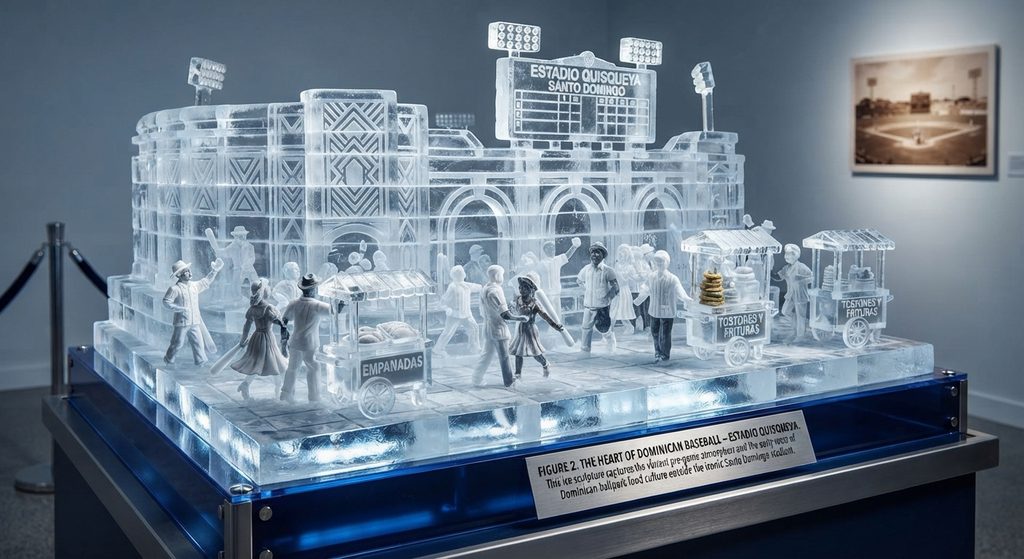
Figure 2. The Heart of Dominican Baseball – Estadio Quisqueya
Description: A vintage photograph of Estadio Quisqueya in Santo Domingo, showing fans gathering outside the stadium, with food vendors selling empanadas and tostones from small carts. The image captures the early days of Dominican ballpark food culture.
II. “Plátano Power” – The Plantain as National Symbol
No discussion of Dominican food is complete without the plantain. This humble fruit, a staple of Dominican cuisine, has become a powerful symbol of national identity and baseball pride.
This table examines the cultural and culinary significance of the plantain in Dominican society and its powerful role as a symbol of national pride in baseball.
Table 2. The Plantain – A Symbol of Dominican Identity
| Aspect | Description | Cultural Significance |
|---|---|---|
| Staple Food | Plantains are a dietary staple, eaten at every meal | Represents the foundation of Dominican cuisine |
| Versatility | Prepared as mangú (mashed), tostones (fried), maduros (sweet), and more | Reflects Dominican creativity and resourcefulness |
| “Plátano Power” | A playful rallying cry for Dominican fans and players | Symbolizes Dominican strength, pride, and unity |
| Breakfast Tradition | Mangú con los tres golpes (mashed plantains with fried salami, cheese, and eggs) | A beloved national breakfast and a connection to home |
| Player Connection | Players often crave Dominican plantain dishes while abroad | Represents the emotional connection to homeland |
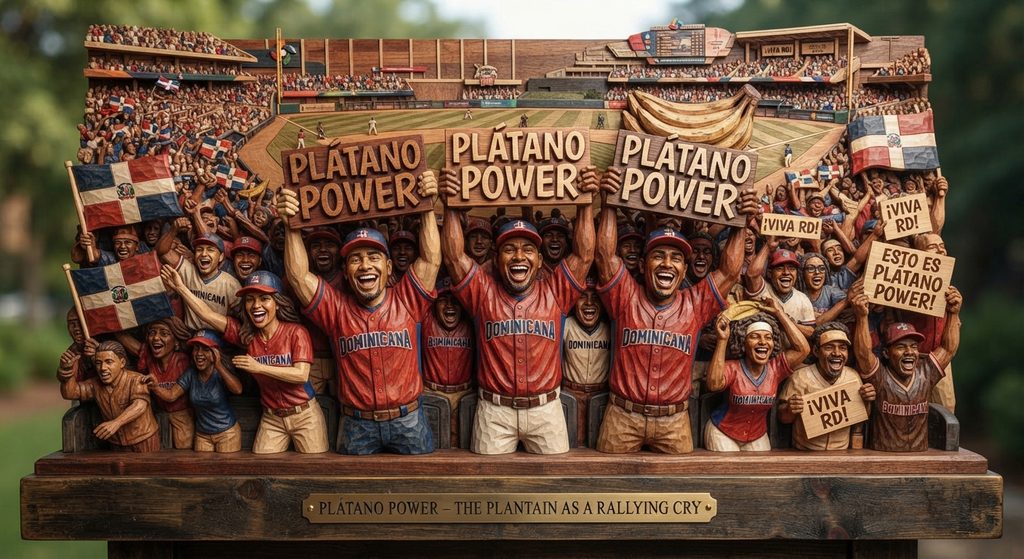
Figure 3. Plátano Power – The Plantain as a Rallying Cry
Description: A photograph of Dominican fans holding signs that read “Plátano Power” at a World Baseball Classic game. The image captures the playful pride and national unity that the plantain symbolizes for Dominican baseball fans.
III. Iconic Dominican Ballpark Dishes
Dominican baseball fans enjoy a variety of flavorful dishes that reflect the country’s rich culinary heritage. Here are some of the most iconic foods found in Dominican ballparks.
This table presents the most popular and iconic dishes found in Dominican baseball stadiums, highlighting the ingredients, cultural significance, and fan experience for each dish.
Table 3. Iconic Dominican Ballpark Dishes
| Dish | Description | Cultural Significance | Fan Experience |
|---|---|---|---|
| Empanadas | Fried pastries filled with seasoned ground beef, cheese, or chicken | Quintessential Dominican street food; a ballpark staple | Eaten as a handheld snack while watching the game |
| Tostones | Twice-fried green plantain patties, crispy and golden | A classic Dominican side dish, often served with garlic sauce | A crunchy, savory snack paired with empanadas or chicharrón |
| Pica Pollo | Crispy, seasoned fried chicken | A popular Dominican comfort food | A hearty, shareable meal enjoyed by families |
| Chicharrón | Deep-fried pork rinds or pork pieces | A savory, crispy snack loved by Dominicans | Often paired with tostones |
| “La Bandera” | The national dish: white rice, red beans, and steak | Literally “The Flag” – a symbol of Dominican identity | A filling meal that connects fans to home |
| Mangú | Mashed green plantains, often served with fried salami, cheese, and eggs | A beloved breakfast dish; comfort food | A taste of home for players and fans |
| Moro de Guandules | Rice mixed with pigeon peas, a traditional dish | A flavorful side dish with African and Taíno roots | Often served with ribs or chicken |
| Sancocho | A hearty, seven-meat stew | A national dish, often reserved for special occasions | A warming, communal meal for families |
| Presidente Beer | The iconic Dominican beer | The quintessential ballpark beverage | Cold, refreshing, and a key part of the experience |
| Postres | Flan, tres leches, and other Dominican desserts | Sweet endings to a perfect game | A reminder of home for players |
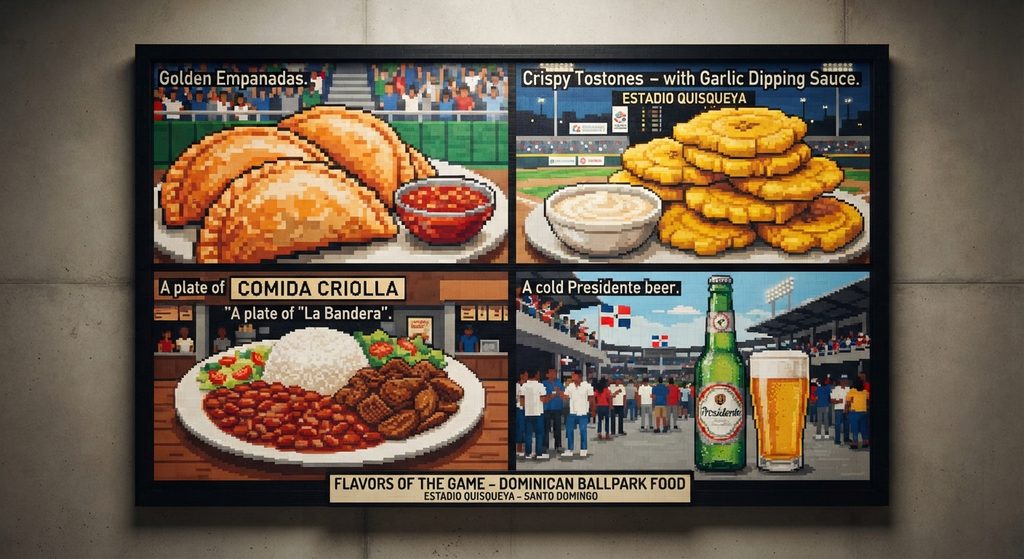
Figure 4. Flavors of the Game – Dominican Ballpark Food
Description: A collage of high-quality food photographs showing Dominican ballpark favorites: golden empanadas, crispy tostones with garlic dipping sauce, a plate of “La Bandera,” and a cold Presidente beer. Each dish is presented in a stadium setting.
IV. The Estadio Quisqueya Food Experience
Estadio Quisqueya Juan Marichal, the beating heart of Dominican baseball, is renowned for its lively atmosphere and diverse food offerings. Fans can enjoy everything from traditional Dominican dishes to classic stadium fare.
Table 4. The Estadio Quisqueya Food Experience – A Cultural Journey
| Experience | Description | Cultural Significance |
|---|---|---|
| Food Variety | From empanadas and pizza to fried chicken and burgers | Reflects the fusion of traditional and modern tastes |
| Vendor Culture | Food vendors roam the aisles, offering snacks and drinks | Adds to the lively, communal atmosphere of the ballpark |
| Affordable Prices | Food and drink are cheap but tasty | Makes the experience accessible to all fans |
| Drink Options | Presidente beer, soda, water, and even whole bottles of rum | Reflects the celebratory spirit of Dominican baseball |
| Family Atmosphere | Families gather to share meals and enjoy the game | Food brings people together, reinforcing community bonds |
2. International Comparison
Comparing Dominican ballpark food with other baseball cultures reveals the unique characteristics of Dominican culinary traditions.
This table compares the ballpark food traditions of the Dominican Republic with those of the United States, Japan, and Taiwan, highlighting the unique characteristics of each culture’s culinary offerings.
Table 5. Comparative Analysis of Ballpark Food Traditions
| Aspect | Dominican Republic | United States | Japan | Taiwan |
|---|---|---|---|---|
| Signature Dish | Empanadas with Tostones | Hot Dog | Bento Box | Fried Chicken with Bubble Tea |
| Flavor Profile | Savory, crispy, hearty | Savory, smoky, tangy | Umami, balanced, seasonal | Crispy, savory, sweet, chewy |
| Eating Style | Shared, family-style | Individual, handheld | Individual, carefully presented | Shared, social, portable |
| Cultural Influence | Spanish, African, Taíno fusion | German immigration, American innovation | Japanese aesthetics, seasonality | Street food, night market culture |
| Beverage Pairing | Presidente Beer, Tropical Juices | Beer, Soda | Green Tea, Beer | Bubble Tea |
| Key Feature | Plátano Power; family-style dining; vibrant atmosphere | Hot dog as icon; regional specialties | Player-produced menus; regional artistry | Night market energy; social sharing |
| Symbolic Food | Plantain (Plátano Power) | Hot Dog | Bento | Bubble Tea |
3. Comparing Baseball and Soccer
Comparing ballpark food with stadium food in Dominican soccer reveals how different sports shape different food traditions.
This table compares the stadium food traditions of baseball and soccer in the Dominican Republic, highlighting the different culinary approaches inspired by each sport.
Table 6. Comparative Analysis of Stadium Food: Baseball and Soccer
| Aspect | Baseball | Soccer |
|---|---|---|
| Signature Food | Empanadas, Tostones, Pica Pollo | Empanadas, Hamburgers, Hot Dogs |
| Eating Style | Leisurely, family-style, shared | Quick, often eaten on the go |
| Season | Winter (LIDOM) and international tournaments | Year-round |
| Beverage | Presidente Beer | Presidente Beer, Soft Drinks |
| Cultural Association | Family, tradition, national pride, “Plátano Power” | Passion, team loyalty, community |
| Food Ritual | Sharing meals with family; food as part of the celebration | Pre-match snacks; post-match gatherings |
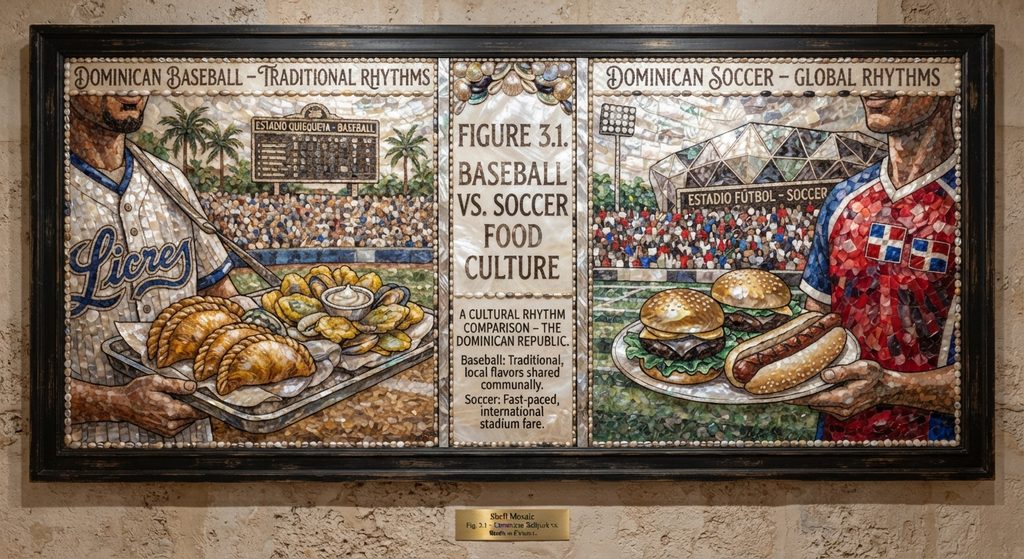
Figure 5. Baseball vs. Soccer Food Culture
Description: A side-by-side comparison of baseball and soccer food in the Dominican Republic. The baseball side features empanadas and tostones; the soccer side features hamburgers and hot dogs. The comparison highlights the different culinary rhythms of each sport.
4. Unique Artistic Analysis
The artistry of Dominican ballpark food lies in its vibrant colors, bold flavors, and the cultural meaning embedded in every dish.
I. The Golden Crisp of Empanadas and Tostones
- Visual Appeal: The golden, crispy exterior of empanadas and tostones is visually irresistible, evoking warmth and comfort.
- Texture: The satisfying crunch of tostones and the flaky crust of empanadas create a symphony of textures.
- Cultural Meaning: These dishes represent the resourcefulness of Dominican cuisine – transforming simple ingredients into delicious works of art.
II. “La Bandera” – A National Symbol on a Plate
- Visual Harmony: The combination of white rice, red beans, and steak creates a visually striking plate that mirrors the colors of the Dominican flag.
- Cultural Significance: Literally “The Flag,” this dish is a symbol of Dominican identity and pride.
- Comfort and Connection: For players and fans alike, “La Bandera” is a taste of home that evokes memories of family and community.
III. The Vibrant Colors of Dominican Cuisine
- Red: Beans, tomatoes, and meats
- Green: Plantains, avocados, and herbs
- Gold: Fried plantains, empanadas, and tostones
- White: Rice, onions, and cheese
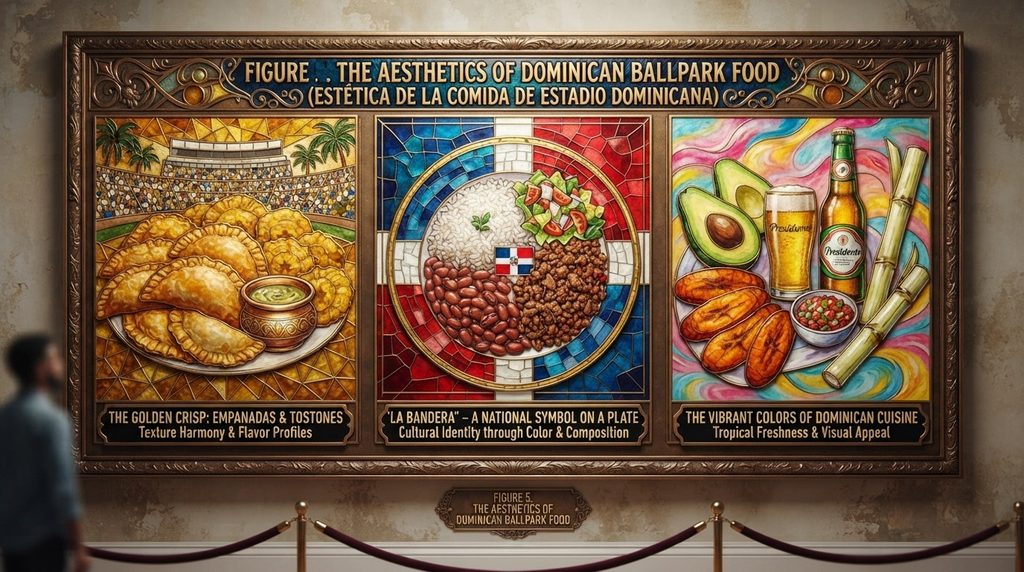
Figure 6. The Aesthetics of Dominican Ballpark Food
Description: A three-panel educational display illustrating the aesthetic principles of Dominican ballpark food: The Golden Crisp (empanadas and tostones), “La Bandera” – A National Symbol on a Plate, and The Vibrant Colors of Dominican Cuisine.
5. Artistic Transformation and Future Creation
Dominican ballpark food has inspired artists across multiple media, celebrating the flavors and traditions of Dominican baseball culture.
Artistic Interpretation I: Food Photography – “Flavors of Quisqueya”
- Concept: A series of high-quality food photographs showcasing Dominican ballpark dishes in their natural stadium environment. Each photograph captures the food in action – fans sharing empanadas, families enjoying “La Bandera,” and the vibrant colors of the food against the backdrop of the game.
- Visual Highlight: The photographs capture the vibrant colors, textures, and emotions of Dominican ballpark food culture.
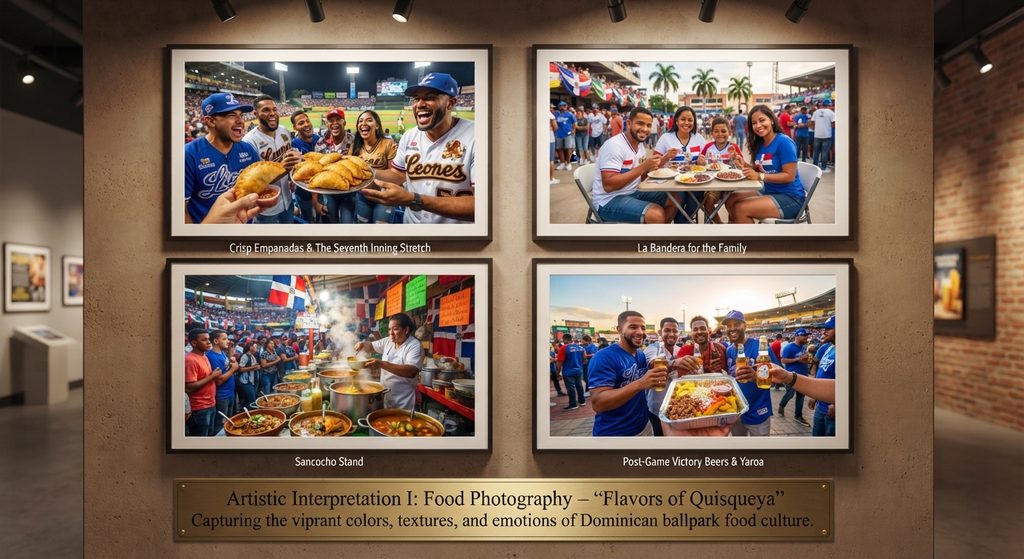
Figure 7. Flavors of Quisqueya
Artistic Interpretation II: Mural – “Plátano Power”
- Concept: A large-scale mural depicting the plantain as a symbol of Dominican baseball pride. The mural features plantains transformed into baseball bats, players holding plantains like trophies, and fans celebrating with plantain-themed signs.
- Visual Highlight: The mural is a playful, vibrant celebration of Dominican identity, food, and baseball.
Artistic Interpretation III: Sculpture – “The Ballpark Feast”
- Concept: A series of oversized sculptures of Dominican ballpark foods – a giant empanada, a larger-than-life plate of tostones, a monumental bottle of Presidente beer. The sculptures are playful and celebrate the joy of ballpark food.
- Visual Highlight: The oversized food sculptures create a fun, immersive experience for visitors of all ages.
6. Art & SAT Education
7. Game Zone
Activity: “Plátano Power – Build Your Dominican Ballpark Meal”
In this interactive zone, visitors build their own Dominican ballpark meal by selecting dishes, drinks, and sides.
References
Baseball Art Museum. (2026). Dominican Ballpark Meals Gallery Exhibition Guide. Baseball Art Museum.
Acento. (2026, March 13). Clásico Mundial 2026: recetas rápidas dominicanas para disfrutar el juego RD vs. Corea del Sur. Acento.
Diario de Quisqueya. (2026, March 10). “El platano power”, aullido de cruzada de fanáticos dominicanos en Clásico Mundial de Béisbol. Diario de Quisqueya.
Diario Libre. (2023, March 10). Música, comida y cultura: República Dominicana le presenta al mundo el ‘Plátano Power’. Diario Libre.
DR1.com. (2026, March 11). What’s the story behind platano power? DR1.com.
ESPN Deportes. (2012, February 4). Los manjares del “Dugout”. ESPN Deportes.
MLB.com. (2023, March 9). Hungry, dancing D.R. squad set to show Plátano Power to the world. MLB.com.
Wanderlog. (n.d.). Estadio Quisqueya Juan Marichal – Santo Domingo, Caribbean. Wanderlog.
Wikipedia. (n.d.). Estadio Quisqueya. In Wikipedia.
Wikipedia. (n.d.). Dominican Republic cuisine. In Wikipedia.
El Nuevo Diario. (2024, November 23). Una Noche en el Estadio. El Nuevo Diario.
LIDOM. (2026, March 12). Griffey Jr. y Junior Caminero conversan sobre WBC entre postres. LIDOM.