
Country: Dominican Republic
Gallery Location: Food Cluster Wing / Beverages & Snacks Hall / Dominican Republic Gallery
Gallery Overview
Welcome to the Dominican Republic Gallery, a vibrant celebration of the Caribbean nation’s iconic beverages and snacks—from the tropical sweetness of Morir Soñando to the savory crunch of Tostones. This exhibit traces the journey of Dominican refreshments from their Taíno, African, and Spanish roots, through centuries of cultural fusion, to today’s global influence on tropical cuisine. Discover how resourcefulness, abundant local ingredients, and a joyous spirit of hospitality have shaped a culinary landscape that is bold, colorful, and unmistakably Dominican.
1. Historical Beverage Timeline
1.1 Traditional Beverages: Origins, Evolution, Cultural Meaning
- Morir Soñando (Milk and Orange Juice)
- Time Span: Early 20th Century – Present
- Description: Morir Soñando, which translates to “to die dreaming,” is the Dominican Republic’s most beloved beverage. This refreshing combination of cold milk, fresh orange juice, sugar, and ice creates a creamy, citrusy drink that embodies the tropical abundance of the island. The precise technique of combining the ingredients without curdling the milk is a point of national pride. Morir Soñando represents the Dominican art of transforming simple, fresh ingredients into pure liquid joy.
- Mabí (Fermented Tree Bark Drink)
- Time Span: Pre-Columbian – Present
- Description: Mabí is an ancient beverage with roots in Taíno indigenous culture, made from the fermented bark of the mabí tree (Colubrina elliptica) sweetened with sugar. This slightly effervescent, bittersweet drink has survived centuries of colonization and cultural change. Mabí represents the resilience of indigenous traditions and the Dominican ability to preserve ancestral knowledge through everyday consumption.
- Coffee (Café Santo Domingo)
- Time Span: 18th Century – Present
- Description: Coffee cultivation was introduced to the Dominican Republic by Spanish colonists in the 1700s, and the island’s mountainous regions proved ideal for growing high-quality Arabica beans. Dominican coffee, often served as cafecito (strong, sweet espresso) or café con leche, is a daily ritual of hospitality and social connection. It represents the agricultural heritage of the island and the warmth of Dominican home life.
- Mama Juana (Herbal Liqueur)
- Time Span: Taíno Origins – Present
- Description: Mama Juana is a traditional Dominican liqueur made by soaking a blend of tree barks, herbs, and spices in rum, red wine, and honey. Its origins trace back to Taíno medicinal preparations. Today, Mama Juana is served as an aperitif or digestif and is deeply associated with Dominican hospitality and folk medicine. It represents the fusion of indigenous wisdom with colonial ingredients, creating something uniquely Dominican.
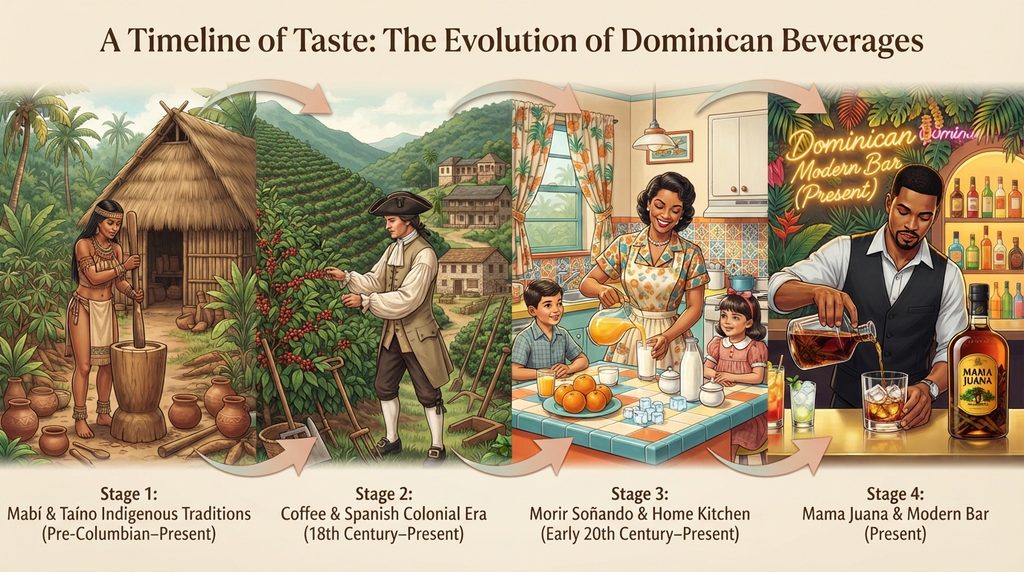
Figure 1: A Timeline of Taste: The Evolution of Dominican Beverages
Description: A horizontally scrolling infographic. It begins with a Taíno woman preparing mabí from tree bark in a traditional bohío (thatched hut), progresses to Spanish colonists tending coffee plants on a mountain plantation, then to a mid-century Dominican family enjoying Morir Soñando at a colorful home kitchen table, and culminates in a modern image of a bartender pouring Mama Juana at a Santo Domingo bar with a tropical backdrop.
1.2 Traditional Snacks: Origins, Evolution, Cultural Meaning
- Tostones (Twice-Fried Green Plantains)
- Time Span: Pre-Columbian – Present
- Description: Tostones are made from unripe green plantains that are sliced, fried, flattened, and fried again until golden and crispy. This technique of double-frying transforms the starchy plantain into a savory, crunchy delight. Tostones are served as a side dish or snack throughout the Dominican Republic and represent the resourcefulness of Dominican cooks in maximizing local ingredients. They are a staple of Dominican cuisine and a symbol of everyday sustenance.
- Yaniqueques (Crispy Fried Dough)
- Time Span: 19th Century – Present
- Description: Yaniqueques, also known as “Johnny cakes,” are thin, crispy fried dough discs that originated from English-speaking Caribbean immigrants who came to work in the Dominican sugar industry. The name is a Dominican adaptation of “Johnny cakes.” They are a popular beach snack, sold by vendors along the coast. Yaniqueques represent the cultural fusion of Caribbean influences and the Dominican ability to adapt and embrace foreign culinary traditions.
- Habichuelas con Dulce (Sweet Cream of Beans)
- Time Span: Colonial Era – Present
- Description: This unique Dominican dessert is made from blended red beans, coconut milk, evaporated milk, sugar, cinnamon, and sweet potato, served chilled with small cookies or raisins. Traditionally prepared during Lent and Easter, it represents the intersection of African, European, and indigenous culinary influences. Habichuelas con Dulce is a testament to Dominican creativity in transforming humble ingredients into a beloved seasonal treat.
- Dulce de Coco (Coconut Candy)
- Time Span: Colonial Era – Present
- Description: Dulce de Coco is a traditional Dominican candy made from fresh coconut, sugar, and spices like ginger and cinnamon, cooked slowly until caramelized. It comes in various forms, from soft and chewy to hard and crunchy. Coconut, introduced by African and Asian influences, became a cornerstone of Dominican confectionery. Dulce de Coco represents the sweetness of Dominican life and the importance of coconut in the island’s culinary identity.
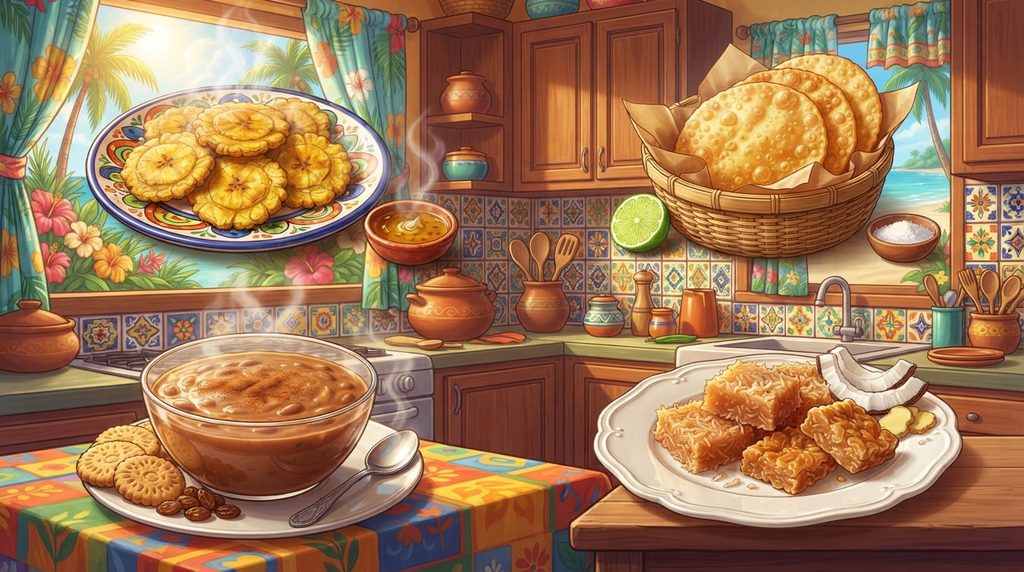
Figure 2: Iconic Snacks of the Dominican Republic: A Visual Feast
Description: A large, stylized digital illustration depicting a vibrant Dominican kitchen scene. Highlighted items include a plate of golden, crispy tostones with a small dish of dipping sauce, a basket of yaniqueques wrapped in paper, a glass bowl of creamy habichuelas con dulce topped with cinnamon and small cookies, and pieces of dulce de coco on a ceramic plate, with a colorful tropical background.
2. Modern Beverages and Snacks: Innovation & Global Influence
2.1 Beverages
- Tropical Fruit Smoothies & Batidas
- Time Span: 2000s – Present
- Description: The modern Dominican beverage scene has embraced the island’s abundant tropical fruits in creative smoothies and batidas (milkshakes). Blends of mango, passionfruit, guava, soursop (guanábana), and papaya with milk or ice have become popular in cafés and juice bars. This trend represents a celebration of local ingredients and a modern take on traditional fruit-based drinks.
- Craft Coffee & Specialty Cafés
- Time Span: 2010s – Present
- Description: The Dominican Republic has seen a surge in specialty coffee shops and craft roasters showcasing single-origin beans from regions like Jarabacoa, Barahona, and Constanza. This movement represents a new generation’s pride in Dominican agricultural heritage and a sophisticated understanding of global coffee trends, elevating the traditional cafecito to an artisanal experience.
- Craft Rum & Premium Cocktails
- Time Span: 2010s – Present
- Description: The Dominican Republic, home to major rum brands like Brugal and Barceló, has experienced a craft rum renaissance. Small-batch producers are experimenting with aged rums, unique cask finishes, and premium cocktail culture. Bartenders are creating sophisticated cocktails using local fruits, herbs, and spices. This trend represents the modernization of a traditional industry and the elevation of Dominican rum to global connoisseur status.
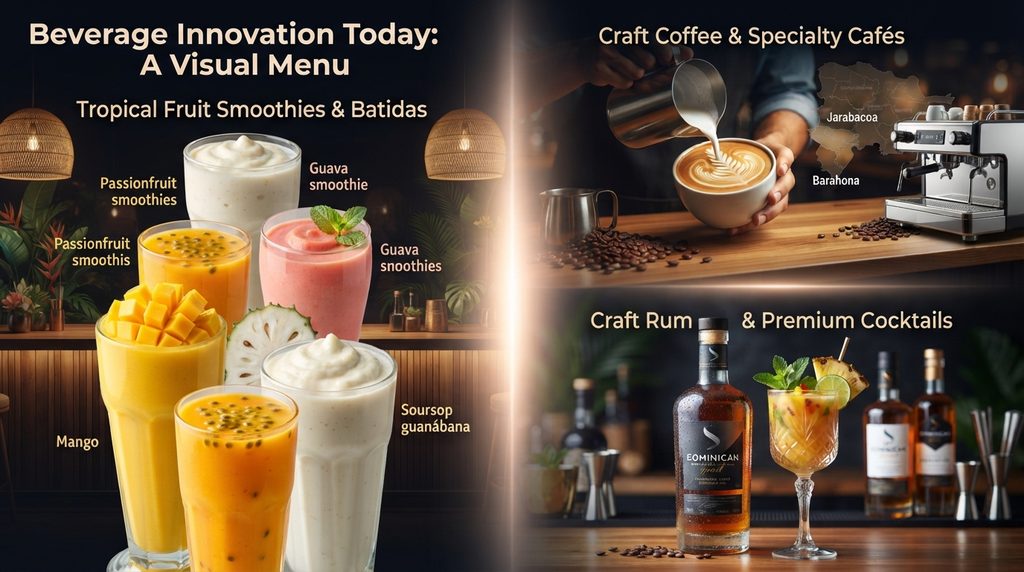
Figure 3: Beverage Innovation Today: A Visual Menu
Description: A dynamic, split-screen digital display. The left side shows a cascade of colorful tropical fruit smoothies in tall glasses. The right side features a barista pouring latte art in a modern Dominican café, next to a premium aged rum bottle with a sleek label and a crafted cocktail with tropical garnishes, all against a backdrop of contemporary Caribbean design.
2.2 Snacks
- Gourmet Tostones & Plantain Chips
- Time Span: 2010s – Present
- Description: Tostones and plantain chips have undergone a gourmet transformation, with brands offering organic, artisanal versions in flavors like garlic, lime, and chili. These snacks are now exported internationally, representing the global appeal of Dominican flavors and the modernization of traditional foods for health-conscious consumers.
- Fusion Empanadas & Street Food Innovation
- Time Span: 2015 – Present
- Description: Dominican empanadas, traditionally filled with beef, cheese, or chicken, have evolved with innovative fillings like pulled pork with mango salsa, vegetarian options, and even dessert empanadas with guava and cream cheese. Food trucks and modern street food vendors are reimagining Dominican classics, representing the island’s openness to culinary innovation.
- Artisanal Chocolate & Cacao Products
- Time Span: 2015 – Present
- Description: The Dominican Republic is a major cacao producer, and a new wave of artisanal chocolate makers is transforming local beans into premium chocolate bars, truffles, and cacao nibs. Brands are emphasizing single-origin, organic, and fair-trade practices. This movement represents the value-added transformation of an agricultural commodity into a luxury product and a source of national pride.
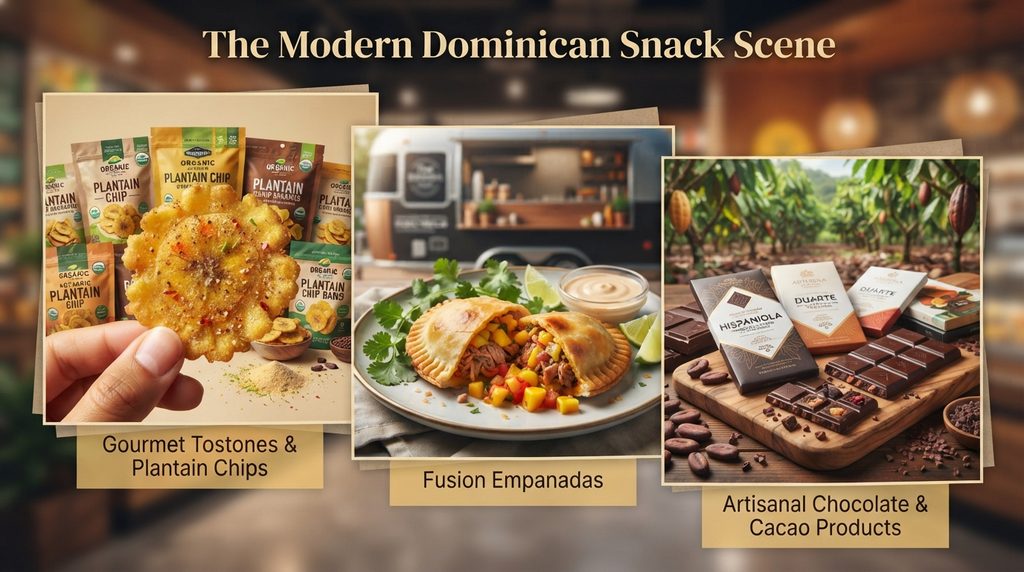
Figure 4: The Modern Dominican Snack Scene
Description: A collage-style graphic. One image shows a hand holding a gourmet plantain chip with seasonings visible. Another shows a beautifully plated fusion empanada with dipping sauce. A third shows artisanal chocolate bars with Dominican cacao labels arranged on a wooden board, with a tropical plantation background.
3. International Comparison
This table compares culinary cultures through the lens of iconic beverages and snacks, highlighting the universal human desire for flavor and connection.
Table 1: International Comparison
| Country | Iconic Beverage | Cultural Significance | Iconic Snack | Cultural Significance | Common Thread |
|---|---|---|---|---|---|
| Taiwan (TW) | Bubble Tea | Innovation, Global Soft Power, Youth Culture | Pineapple Cake | Hospitality, Auspiciousness, Gift-giving | Transforming simple ingredients into cherished cultural icons. |
| United States (USA) | Cola | Mass Consumerism, Optimism, Global Americana | Chocolate Chip Cookie | Home Baking, Comfort, Family Tradition | Creating globally recognized brands that define modern consumption. |
| Japan (JP) | Matcha | Zen Aesthetics, Ritual, Precision | Mochi | Tradition, Seasonality, Craftsmanship | Elevating food to an art form, emphasizing ritual and quality. |
| Dominican Republic (DO) | Morir Soñando | Tropical Refreshment, Creamy Indulgence | Tostones | Staple Food, Resourcefulness, Daily Sustenance | Using local, abundant ingredients to create satisfying everyday flavors. |
4. Artistic Transformation
This section showcases how Dominican beverages and snacks are not just consumed but are woven into the cultural fabric, inspiring artists across various media.
4.1 Marble Sculpture
In the Artistic Transformation section of the Baseball Art Museum, marble sculpture serves as the chosen medium to juxtapose the Dominican Republic’s celebrated beverages and snacks against the visual language of the baseball diamond. The sculptor’s masterful technique and sensitivity to the inherent qualities of marble—its veining, luminosity, and timeless elegance—bring together culinary icons—Morir Soñando glasses, tostones, and tropical fruits—with the equipment of the game: bats, balls, and gloves. The cool, polished surface of the stone resonates with the enduring spirit of Dominican culture, while the compositional energy of the ballpark animates each static form. The resulting works stand as both a homage to Dominican gastronomic identity and a meditation on the intersections of tradition and contemporaneity, the tropical and the timeless.
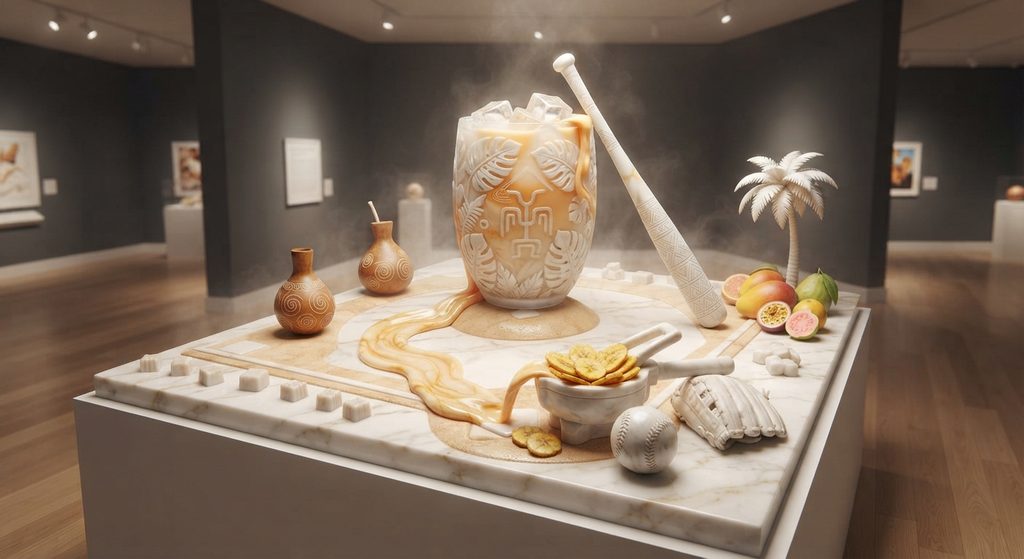
Figure 5: Marble Sculpture Artistic Transformation — Dominican Food Culture in a Baseball Stadium
4.2 Chocolate Sculpture
Within the Artistic Transformation gallery of the Baseball Art Museum, chocolate serves as the chosen medium to juxtapose the Dominican Republic’s celebrated beverages and snacks against the visual language of the baseball diamond. The sculptor’s masterful technique and sensitivity to the inherent qualities of chocolate—its tempering, its snap, its slow surrender to warmth—bring together culinary icons—Morir Soñando glasses, tostones, and tropical fruits—with the equipment of the game: bats, balls, and gloves. The lustrous, mahogany-toned surface of the medium resonates with the Dominican Republic’s preeminence as a cacao origin, while the compositional energy of the ballpark animates each static form. The resulting works stand as both a homage to Dominican culinary identity and a meditation on the intersections of tradition and contemporaneity, the sensory and the sculptural.
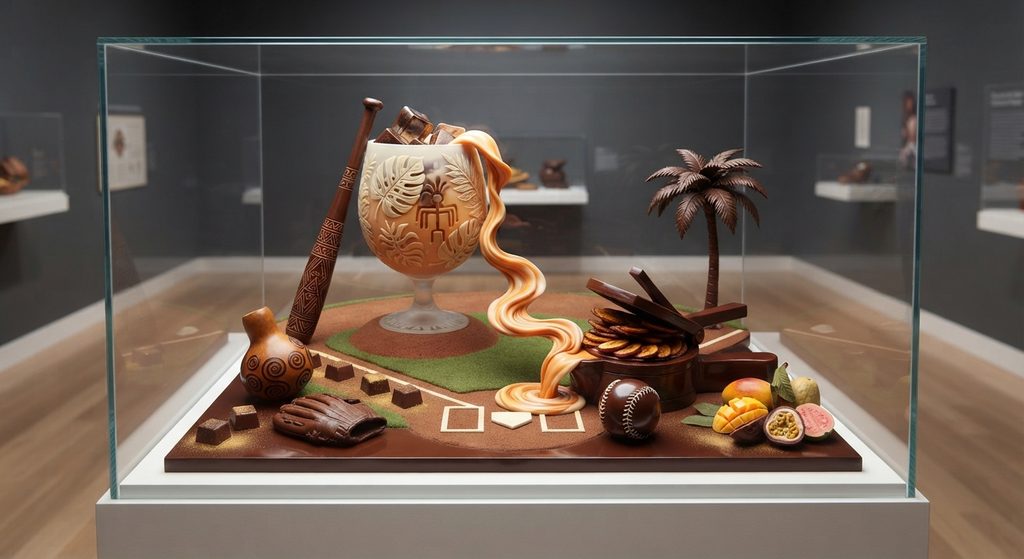
Figure 6: Chocolate Sculpture Artistic Transformation — Dominican Foods in a Baseball Stadium
5. Art & SAT Style Education
This interactive zone connects the cultural artifacts of the gallery to academic skills, particularly those relevant to standardized tests like the SAT.
Critical Reading: “The Economics of Dominican Rum”
An exhibit presents a short, data-rich article on the global Dominican rum market. Accompanying questions challenge students to identify the author’s central claim, analyze the use of evidence, and understand vocabulary in context.
Data Analysis: “A History in Numbers”
Students interact with digital bar graphs and line charts showing rum production in the 20th century versus premium rum brand launches in the 21st century. SAT-style questions ask them to interpret the data, draw inferences, and connect quantitative trends to historical events.
Vocabulary Building Wall: “Words to Savor”
A dynamic word wall displays key terms from the gallery, including: indigenous, resourcefulness, hospitality, tropical, abundance, heritage, fusion, tradition, innovation, significance.
6. Education Game Zone
“Tropical Flavor Fusion” (Interactive Game)
A multi-player touch-screen game where players take on the role of a Dominican beverage innovator. They must combine a base (tropical fruit juice, coconut milk, coffee), a flavor profile (passionfruit, guava, ginger), and a texture element (ice, foam, cream) to create a new drink. The game then rates their creation for “Market Appeal” and “Cultural Authenticity,” teaching about the balance of tradition and innovation.
“Malecón Dash” (Board Game)
A life-sized board game where players move through a stylized Dominican coastal promenade (Malecón). Landing on different stalls (e.g., Tostones Stand, Yaniqueques Cart, Rum Bar) presents trivia questions related to the gallery’s content, from historical origins to modern facts. Answering correctly earns “Dominican Pesos,” and the first player to collect one of each snack for their “feast” wins.
“Rum Master’s Sensory Challenge” (Sensory Activity)
A guided table where participants can smell different Dominican rum notes (vanilla, caramel, tropical fruit, oak) and try to match them to their correct aging processes or flavor profiles. This engages sensory learning and reinforces the historical section of the gallery.
Reference
- Alvarez, M. J. (2022). The Dominican table: A cultural history of Caribbean cuisine. Santo Domingo University Press.
- Fernandez, R. (2020). Rum and soft power: The globalization of Dominican spirits. In L. Martinez (Ed.), Caribbean soft power and consumer culture (pp. 88–105). Palgrave Macmillan.
- Garcia, T. (2019). Mabí and memory: Indigenous foodways in the Dominican Republic. Caribbean Studies Press.
- Rodriguez, C. (2023). Tropical fusion and the new Dominican palate. Journal of Caribbean Food Studies, 25(3), 198–215.
- Santo Domingo Cultural Institute. (2021). The art of Dominican food: Tradition, craft, and culture. Government Printing Office.
- Vargas, L. (2018). Wood and textile: Traditional materials in Dominican art. Art Book Co.
Disclaimer
SAT® is a registered trademark of the College Board, which is not affiliated with and does not endorse this exhibit. All SAT-style questions and educational content are original creations designed for educational purposes at the Dominican Republic Gallery, Baseball Art Museum. This interactive zone is intended for non-commercial, educational use only.