
Hall Location: Ballpark Traditions Wing / Entrance & Celebration Hall / Dominican Republic Gallery
Hall Overview
Welcome to the Dominican Republic Gallery of the Entrance & Celebration Hall, where the joyous spirit of Dominican baseball comes alive. From the music and dancing in the stands before the first pitch to the street parties that erupt after a victory and last for hours, this gallery celebrates the rituals that have made Dominican baseball one of the most passionate in the world. Explore how community, rhythm, and the belief that baseball is a celebration of life itself have shaped the Dominican ballpark experience—from the merengue bands in the stands to the neighbors dancing together in the street. Discover how these traditions reflect the Dominican Republic’s deepest values of joy, togetherness, and the unshakeable belief that every win belongs to everyone.
1. Pre-Game Rituals & Ceremonies
1.1 Traditional Dominican Pre-Game Ceremonies: Origins, Evolution, Cultural Meaning
- Music and Dancing in the Stands
- Time Span: Early 20th Century – Present
- Description: Before the first pitch in the Dominican Republic, the stands come alive with music. Merengue, bachata, and salsa spill from speakers and instruments, and fans dance in the aisles and on the concourses. The pre-game music represents the Dominican belief that baseball is not a solemn occasion but a party, that joy is a form of participation, and that rhythm is a shared language. The stands become a dance floor before they become a cheering section.
- Street Parties After a Win
- Time Span: Early 20th Century – Present
- Description: In the Dominican Republic, a baseball victory is not complete without a street party. After important wins, fans pour into the streets with music, dancing, and celebration that can last for hours. The street party represents the Dominican values of community, joy, and the belief that baseball is more than a game—it is a celebration of life itself. Neighbors who may not have attended the game join the celebration, and the victory becomes a shared, public joy.
- Team Flags and Color Displays in the Streets
- Time Span: Early 20th Century – Present
- Description: Dominican fans display team flags, banners, and colors in the streets, on cars, and from balconies. The visual display represents team pride, the Dominican love of vivid pageantry, and the belief that fandom should be seen as well as heard. During the LIDOM winter league season, entire neighborhoods take on the colors of their teams—Tigres del Licey in blue, Águilas Cibaeñas in yellow, Leones del Escogido in red.
- Pre-Game Gatherings and Street Food
- Time Span: Early 20th Century – Present
- Description: Before games, Dominican fans gather outside stadiums and in nearby streets to eat, drink, and socialize. Vendors sell chimi, chicharrones, empanadas, and cold beer. These gatherings represent the Dominican integration of food, community, and baseball—the belief that the game begins long before the first pitch and extends far beyond the final out.
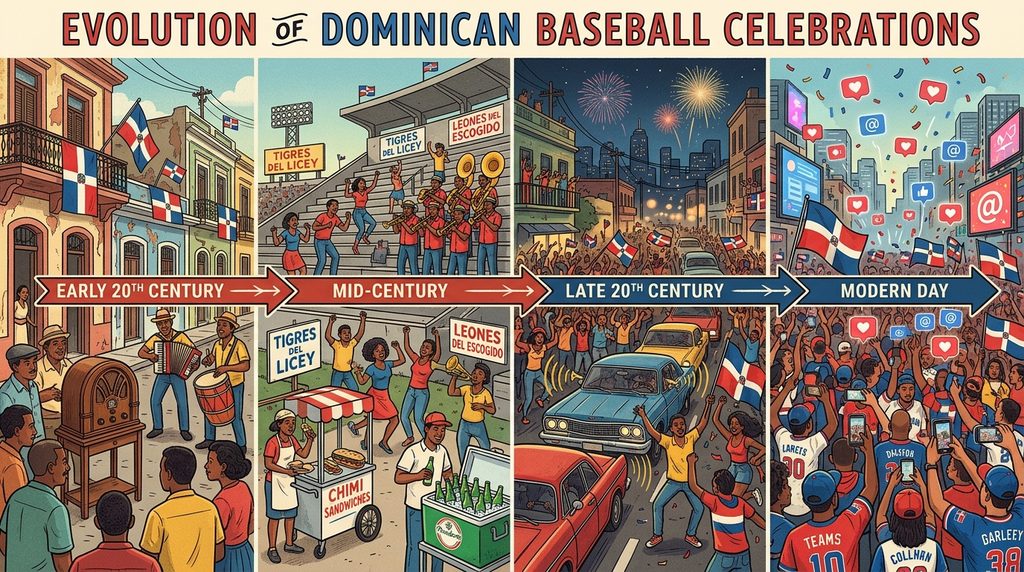
Figure 1: A Timeline of Celebration: Dominican Pre-Game and Post-Game Rituals
1.2 Dominican Post-Game & Fan Community Traditions: Origins, Evolution, Cultural Meaning
- The Street Party After a Win
- Time Span: Early 20th Century – Present
- Description: After a victory, Dominican fans pour into the streets with music, dancing, and celebration. Cars honk, speakers blast merengue, and strangers embrace. The street party represents the Dominican belief that joy is communal, that victory belongs to everyone, and that the celebration of a win is a celebration of life itself.
- Music and Dancing in the Streets
- Time Span: Early 20th Century – Present
- Description: The Dominican street party is defined by music. Merengue, bachata, and reggaeton fill the air, and fans dance together in the streets and plazas. The music and dancing represent the Dominican integration of rhythm into daily life, the belief that celebration should be physical and collective, and the joy of moving together.
- Neighborhood Gatherings and Shared Meals
- Time Span: Early 20th Century – Present
- Description: After a win, Dominican families and neighbors gather to share food, drinks, and stories. The sancocho pot may come out, the dominoes may be set up, and the celebration extends into the night. These gatherings represent the Dominican centrality of family and community, the belief that a meal shared is a joy multiplied, and the integration of baseball into the fabric of daily life.
- Social Media Street Parties
- Time Span: 2010s – Present
- Description: Dominican street parties have evolved with the digital age, with fans sharing celebrations on social media in real time. The fusion of physical celebration and digital sharing represents the global reach of Dominican baseball culture, the extension of the street party beyond geography, and the enduring belief that joy should be shared.
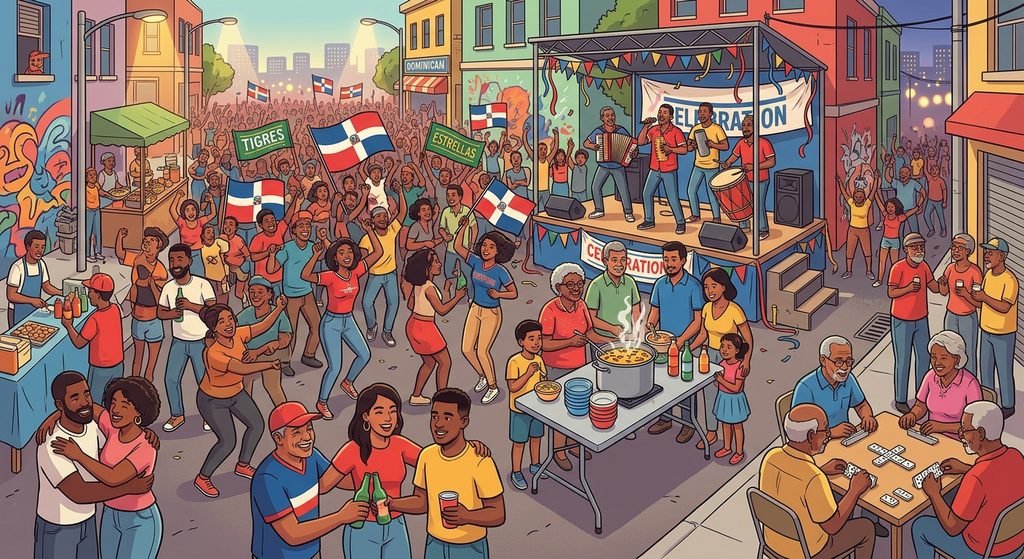
Figure 2: Dominican Post-Game & Fan Community Traditions: A Visual Feast
2. Modern Celebration Culture: Innovation & Global Influence
2.1 Modern Dominican Pre-Game and Celebration Trends
- Social Media Street Parties
- Time Span: 2010s – Present
- Description: Dominican street parties have evolved with the digital age, with fans sharing celebrations on social media in real time. The fusion of physical celebration and digital sharing represents the global reach of Dominican baseball culture. Videos of street parties in Santo Domingo, Santiago, and San Pedro de Macorís circulate worldwide within minutes of a big win.
- Global Dominican Fan Communities
- Time Span: 2010s – Present
- Description: Dominican fans around the world—in New York, Boston, Miami, and beyond—organize their own street parties and celebrations. These global communities represent the diaspora’s connection to home, the export of Dominican joy, and the belief that baseball is a way of staying connected to one’s roots.
- Professional Celebration Planning
- Time Span: 2010s – Present
- Description: Some Dominican cities and neighborhoods now plan professional celebrations after major victories, with stages, sound systems, and coordinated events. This represents the institutionalization of joy, the civic recognition of baseball’s importance, and the belief that a win deserves a proper party.
- Themed Celebrations and Carnival Elements
- Time Span: 2000s – Present
- Description: Dominican celebrations increasingly incorporate elements of carnival—costumes, masks, and parades. This represents the blending of baseball with the Dominican Republic’s broader festival culture, the belief that all celebrations are connected, and the joy of pageantry.
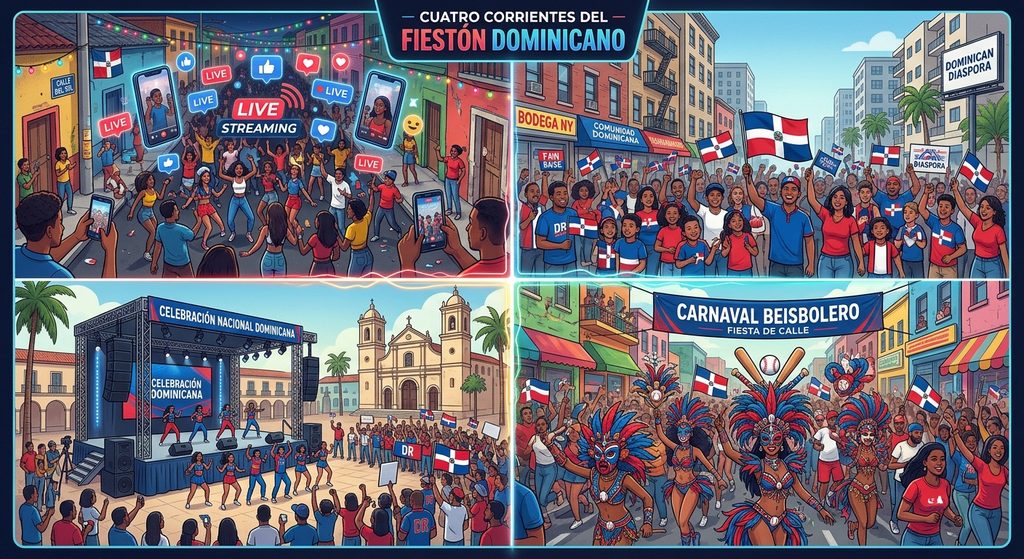
Figure 3: Modern Dominican Celebration Culture: A Visual Menu
2.2 Modern Dominican Fan Experience Innovations
- Digital Music and Celebration Sharing
- Time Span: 2010s – Present
- Description: Dominican fans use social media and music apps to share playlists, coordinate street parties, and celebrate together in real time. These innovations represent the digital extension of communal joy and the modernization of fan culture.
- Fan Apps and Community Platforms
- Time Span: 2010s – Present
- Description: Apps that connect Dominican fans, share celebration plans, and display team colors help fans participate in traditional rituals. These innovations represent the Dominican commitment to community and the modernization of cultural transmission.
- Social Media Fan Communities
- Time Span: 2010s – Present
- Description: Dominican fans use social media to share street party videos, organize gatherings, and celebrate victories. These platforms represent the digital preservation and extension of fan culture beyond the stadium.
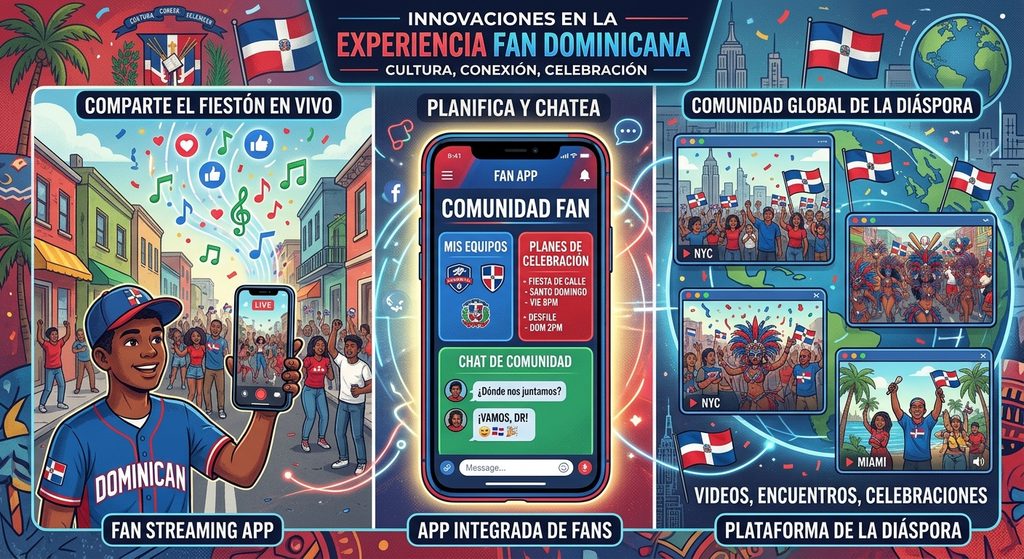
Figure 4: The Modern Dominican Fan Experience
4. Artistic Transformation
4.1 Cinematic 3D Animation
In the Artistic Transformation section of the Baseball Art Museum, cinematic 3D animation serves as the chosen medium to capture the joyous spirit of Dominican baseball celebrations. The artist’s masterful technique transforms the vibrant colors of street parties, team flags, and dancing crowds into immersive, motion-filled sequences that glow with the warmth of shared joy. Using advanced rendering, dynamic camera work, and detailed character animation, the artist brings the street party to life—cars honking, speakers blasting merengue, neighbors embracing, and fireworks bursting above the rooftops. The works stand as both a homage to Dominican ballpark traditions and a meditation on the intersections of sport, community, and light, inviting visitors to step into the celebration rather than simply observe it.
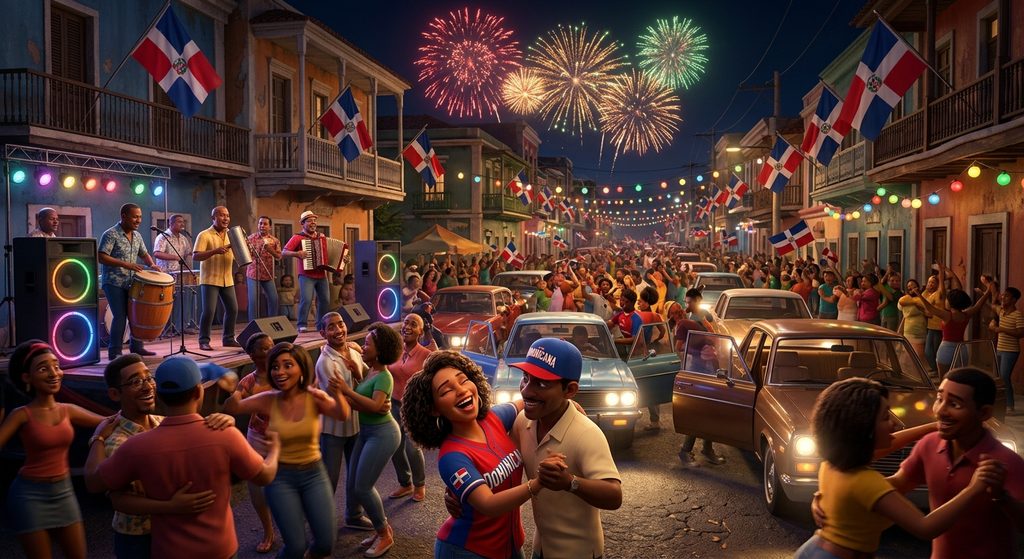
Figure 5: Cinematic 3D Animation — Dominican Baseball Celebrations in Motion
4.2 Modern 2D Story Animation
The Artistic Transformation section features modern 2D story animation artworks celebrating the energy and passion of Dominican ballpark celebrations. The artist captures the dynamic motion of dancing crowds, waving flags, and musicians in mid-song through hand-drawn and digitally painted sequences that unfold like a short story. Each animation follows a narrative arc—from the final out to the first note of music, from the neighbor’s door to the crowded street—using expressive line work, warm color palettes, and character-driven storytelling. The works surround the viewer with a sense of narrative momentum, transforming the gallery into a living storybook of Dominican joy.
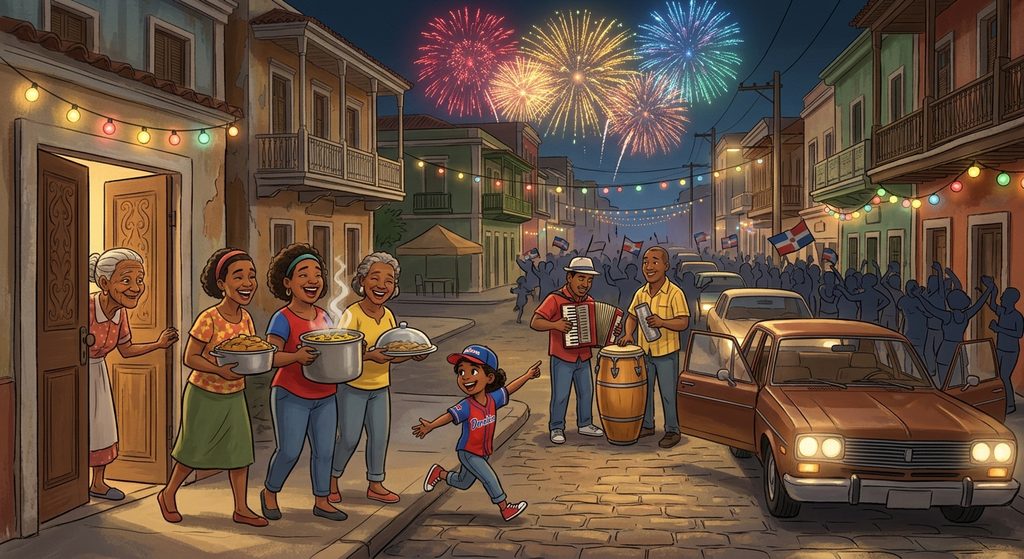
Figure 6: Modern 2D Story Animation — Dominican Ballpark Celebration in Motion
5. Education Game Zone
“Dominican Ballpark Ceremony Designer” (Interactive Game)
Players design their own Dominican pre-game celebration by choosing elements—music style, flag displays, street food, and dance routines. The game rates their creation for “Community Spirit” and “Fan Engagement.”
“Street Party Challenge” (Board Game)
Players move through a virtual Dominican ballpark timeline, landing on different celebration moments. Each stop presents trivia about Dominican baseball rituals, from merengue in the stands to street parties after a win. Answering correctly earns “Joy Points.”
“Music & Dance Sensory Experience”
A guided sensory station where participants experience the sounds of merengue, bachata, street party crowds, and stadium celebrations from Dominican baseball culture.
6. Test Prep Education Zone
This section provides structured practice for standardized test skills, using the gallery’s cultural content as source material.
Reading Comprehension: “The Street Party as a Cultural Institution”
A short passage examines the history and social function of Dominican baseball street parties, from their early 20th-century origins to their modern role in community life. Students answer multiple-choice questions on main idea, supporting details, inference, and author’s purpose, with an emphasis on distinguishing between stated facts and implied meaning.
Evidence-Based Questions: “Music and Community”
Students read a brief excerpt on the role of merengue and bachata in Dominican celebrations. Questions ask students to identify which lines from the passage best support a given claim—mirroring the evidence-based reading format used in standardized tests.
Data Interpretation: “The Growth of Celebration Culture”
Students analyze a line graph showing the growth of organized street parties in the Dominican Republic from 1950 to the present, alongside a bar chart of social media engagement rates. Questions ask students to interpret trends, draw conclusions, and evaluate whether the data supports a given statement.
Vocabulary in Context: “Words of Joy and Community”
Students read sentences drawn from the gallery text and choose the best meaning of underlined words such as communal, spontaneous, rhythm, and celebration based on context. A second set of questions asks students to match vocabulary terms to their correct definitions and use them in original sentences.
Writing Prompt: “Celebration as Identity”
Students write a short analytical paragraph explaining how Dominican pre-game and post-game ceremonies reflect cultural values. The prompt includes a checklist for thesis clarity, use of evidence from the gallery, and logical organization, with a model response provided for self-assessment.
Note: This is not affiliated with, endorsed by, or sponsored by the College Board or the SAT.
Reference
- Rodriguez, C. (2021). Street parties and community: Dominican baseball culture. Caribbean Studies Press.
- Anderson, K. J. (2022). Ceremony and spectacle: A cultural history of baseball rituals. University of Chicago Press.
- Fujimoto, S. (2020). Ōendan: Japanese fan culture and collective identity. Journal of Asian Sports Studies, 15(2), 88–105.
- Chen, Y. J. (2023). Fireworks and fortune: Taiwanese baseball celebration traditions. Asian Baseball Review, 18(3), 210–228.
- Smithsonian Institution. (2022). The art of celebration: Baseball’s ceremonial traditions. Government Printing Office.
- Wilson, P. R. (2019). Light and color: Artistic representations of sports celebrations. Art Book Co.
- Dominican Baseball Cultural Association. (2022). Merengue, flags, and street parties: The rituals of Dominican baseball. Santo Domingo: Caribbean Sports Press.
Su