

Country: USA
Art Subject: Full-Face Designs – The Superfan Canvas
Gallery Location: Fan Culture Wing / Face Paint Hall / USA Face Paint Gallery
1. Story & Evolution
Full-Face Designs are elaborate creations that cover the entire face, often featuring checkerboard patterns, team colors, glitter, and metallic paints. These designs transform fans into “superfans” and stadium celebrities – living works of art that command attention and celebrate team loyalty with maximum visual impact.
I. Origins: From Practical Beginnings to Artistic Expression
The use of face paint in baseball has roots in both practical and cultural traditions. Players originally used substances like grease and eye black to reduce sun glare when catching fly balls. The earliest recorded use dates back to 1904, when a player used charcoal and mud under his eyes.
Fans adopted face painting as a form of expressive fandom, transforming the practical tradition into a vibrant art form.
This table 1 traces the chronological development of full-face baseball fan designs, from the practical origins of eye black to the elaborate artistic expressions of modern superfans.
Table 1. The Evolution of Full-Face Designs (1904–Present)
| Period | Development | Cultural Context |
|---|---|---|
| 1904 | First recorded use of eye black by players | Practical tool to reduce sun glare |
| 1950s | Players use car grease under eyes | Practical application for glare reduction |
| 1980s | First full-face designs appear; simple team color coverage | Early “superfans” want to stand out in crowds |
| 1990s | Checkerboard patterns become popular; full-face designs gain visibility | Televised games make elaborate face paint more visible |
| 2000s | Glitter and metallic paints elevate full-face designs to art | Stadium culture embraces spectacle and performance |
| 2010s–Present | Social media accelerates superfan phenomenon; designs become increasingly elaborate | Fans compete for most creative designs; viral moments |
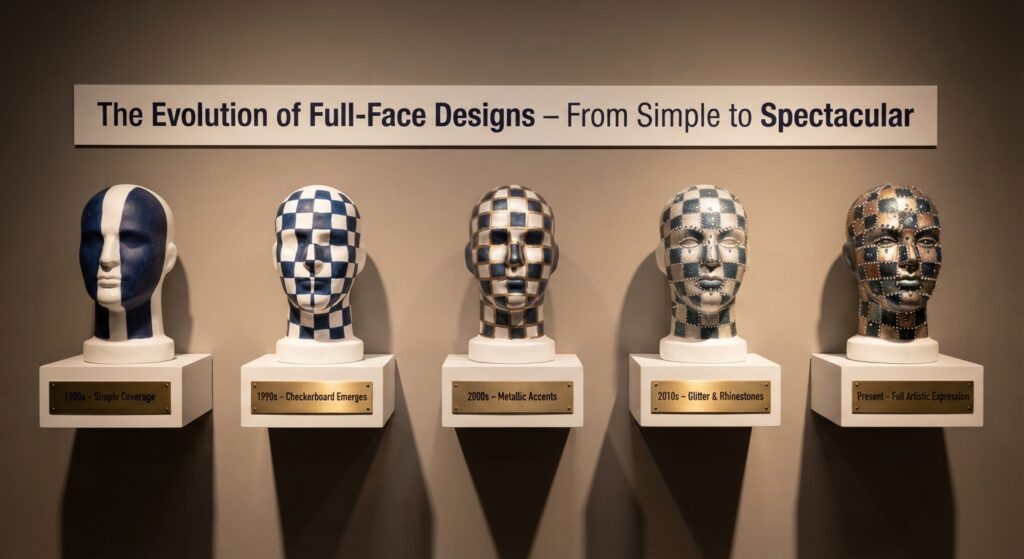
Figure 1. The Evolution of Full-Face Designs – From Simple to Spectacular
A museum timeline display showing the evolution of full-face designs from the 1980s to today. Early examples show simple team color coverage, while modern designs feature intricate checkerboard patterns, glitter, metallic paints, and rhinestone accents.
II. The Anatomy of a Full-Face Design
Full-face designs are distinguished by their comprehensive coverage and artistic ambition. Unlike simple cheek logos, these designs treat the entire face as a unified canvas.
This table 2 catalogs the key visual elements that distinguish full-face designs from simpler face paint traditions, including checkerboard patterns, team color coverage, glitter and metallic accents, and coordinating elements.
Table 2. Elements of Full-Face Design
| Design Element | Description | Visual Impact |
|---|---|---|
| Checkerboard Patterns | Alternating team colors in a grid pattern across the entire face | Bold, dramatic, instantly recognizable |
| Full-Face Color Coverage | The entire face painted in primary team colors | Maximum visual impact; fan becomes a “living team color” |
| Glitter & Metallic Accents | Sparkling elements that catch stadium lights | Photogenic, glamorous, attention-grabbing |
| Coordinating Elements | Matching designs for groups of fans | Creates collective visual identity |
| Geometric Patterns | Stripes, zigzags, and angular designs | Artistic sophistication; superfan identity |
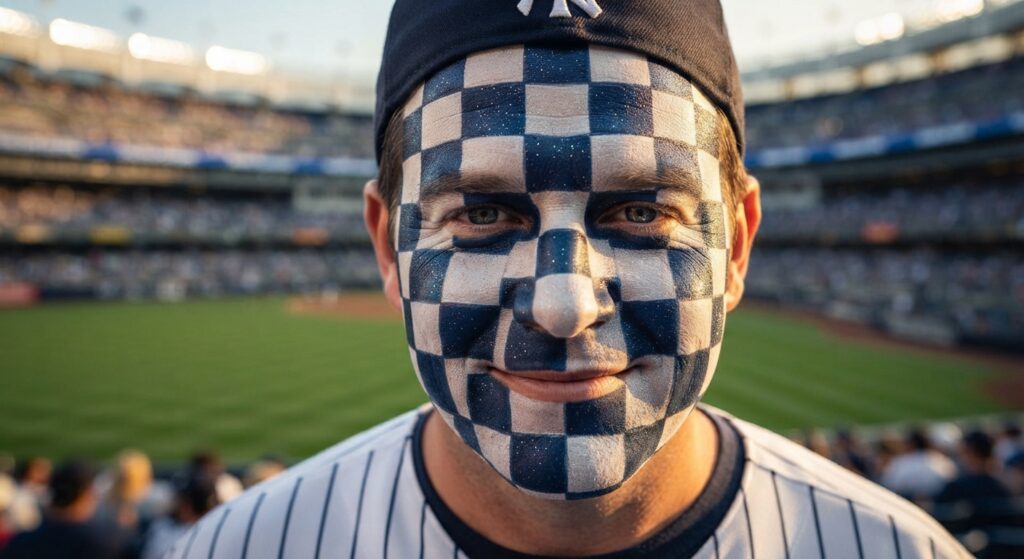
Figure 2. The Checkerboard – A Full-Face Signature
A close-up photograph of a baseball fan wearing a full-face checkerboard design in team colors. The alternating colors create a bold, dramatic visual statement that is instantly recognizable as a superfan signature.
III. The Superfan as Stadium Celebrity
Full-face designs do more than express loyalty – they transform fans into stadium celebrities. Superfans with elaborate face paint often become local icons, recognized by other fans and even players.
The table 3 examines the various roles that superfans with full-face designs play in stadium culture, from recognition and community building to tradition and performance.
Table 3. The Superfan as Stadium Celebrity
| Superfan Role | Description | Example |
|---|---|---|
| Recognition | Superfans with distinctive full-face designs are often photographed and featured on stadium jumbotrons | Valente Quintero, known for his painted baseball head |
| Community | Elaborate designs create a sense of belonging and recognition among other fans | Dodgers superfans with glittery designs |
| Tradition | Some superfans wear the same design for years, becoming part of stadium lore | 16-year Opening Day tradition for Tigers fans |
| Performance | The act of wearing full-face paint is a performance – a declaration of devotion that demands attention | St. Louis Cardinals’ “Rally Runner” |
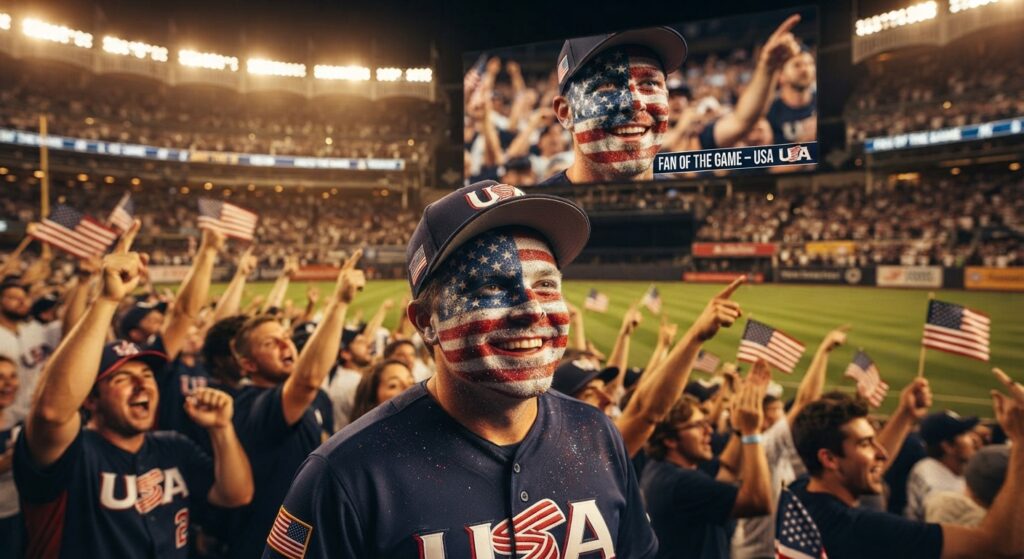
Figure 3. Superfan Spotlight – Stadium Celebrity
A photograph of a superfan with an elaborate full-face design being featured on a stadium jumbotron. The fan’s face is covered in intricate checkerboard patterns with glitter accents, and the crowd around them is cheering.
IV. Group Coordination: The Power of Collective Full-Face Designs
Full-face designs are often worn by groups of fans, creating powerful collective visual statements. Coordinated designs amplify the impact of individual superfans and create a sense of unity.
This table 4 examines how groups of fans coordinate full-face designs to create collective visual statements, including friend groups, families, and entire fan sections.
Table 4. Group Coordination of Full-Face Designs
| Group Type | Design Approach | Visual Effect |
|---|---|---|
| Friend Groups | Matching checkerboard patterns in team colors | Creates a visible “block” of superfans |
| Family Superfans | Coordinated designs with variations for each family member | Demonstrates generational loyalty |
| Fan Sections | Entire sections of fans wearing full-face designs | Transforms the stadium into a living artwork |
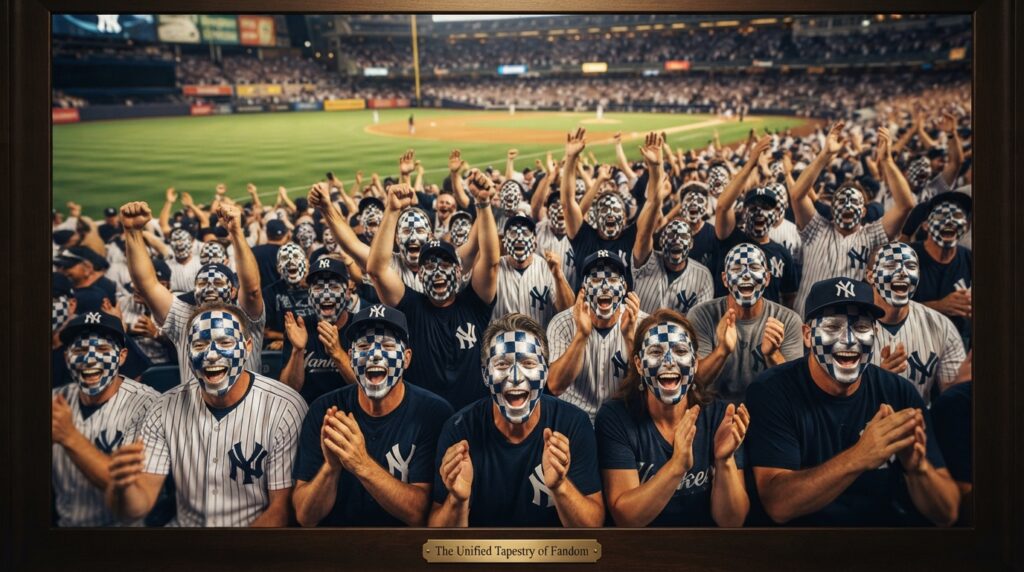
Figure 4. United in Color – A Section of Superfans
A wide-angle photograph of a stadium section where dozens of fans are wearing coordinated full-face designs. The sea of painted faces creates a powerful visual statement of collective team loyalty.
2. International Comparison & Innovation
While full-face designs are most strongly associated with American baseball culture, similar traditions exist in other baseball nations, each with its own distinctive style and cultural meaning.
This table 5 compares the full-face design traditions across the USA, Japan, Taiwan, and the Dominican Republic, highlighting how each culture uses elaborate face paint to express fan identity and cultural values.
Table 5. International Comparison of Full-Face Design Traditions
| Aspect | USA | Japan | Taiwan | Dominican Republic |
|---|---|---|---|---|
| Signature Full-Face Style | Checkerboard patterns, team colors, glitter | Kanji/character calligraphy, team colors | Playful cartoon full-face designs, glow-in-the-dark | Full-face flag designs and tropical motifs |
| Cultural Meaning | Superfan identity, individual expression, spectacle | Collective identity, group harmony | Creative expression, digital-native culture | National pride, passionate devotion |
| Materials | Glitter, metallic paints, rhinestones | Water-based paints, precise brushes | UV-reactive paints, glow-in-the-dark | Flag colors, tropical patterns |
| Recognition | Stadium celebrity, viral moments | Group identity, organized cheering | Social media presence | National pride, family legacy |
| Group Coordination | Friend groups, fan sections | Organized cheering sections | Digital communities | Family groups, national teams |
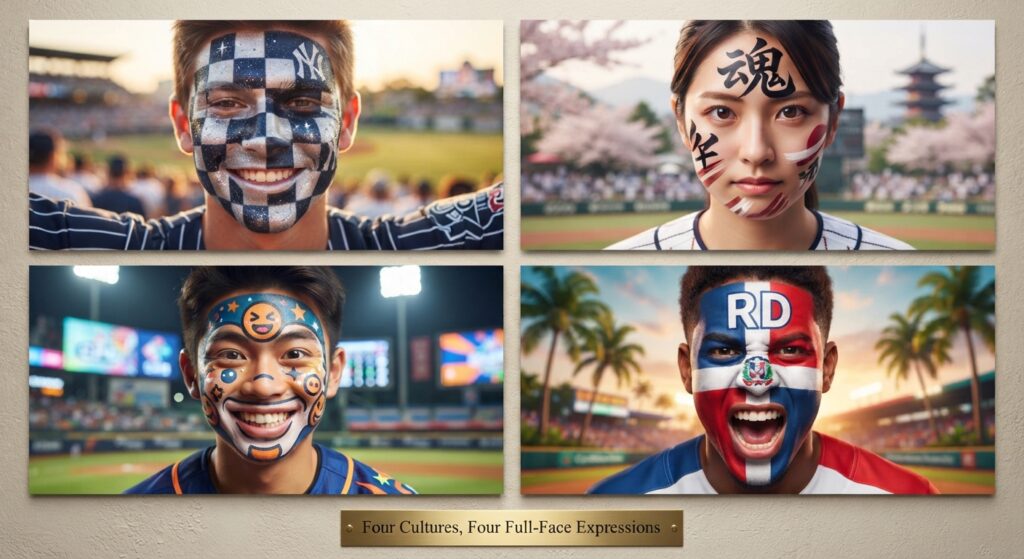
Figure 5. Four Cultures, Four Full-Face Expressions
A grid collage of four close-up photographs showing full-face designs from each culture: American checkerboard with glitter, Japanese kanji calligraphy, Taiwanese playful cartoon design, and Dominican full-face flag painting.
3. Unique Artistic Analysis
The artistry of full-face designs lies in their ability to transform the human face into a unified canvas of team identity.
I. The Aesthetics of the Checkerboard
The checkerboard pattern is one of the most iconic full-face designs in American baseball fandom.
- Visual Rhythm: The alternating colors create a rhythmic pattern that is both bold and sophisticated.
- Geometric Precision: The design requires careful planning and execution, demonstrating artistic skill.
- Symbolic Meaning: The checkerboard can represent the game itself – the alternating squares suggest the alternating wins and losses, the back-and-forth of competition.
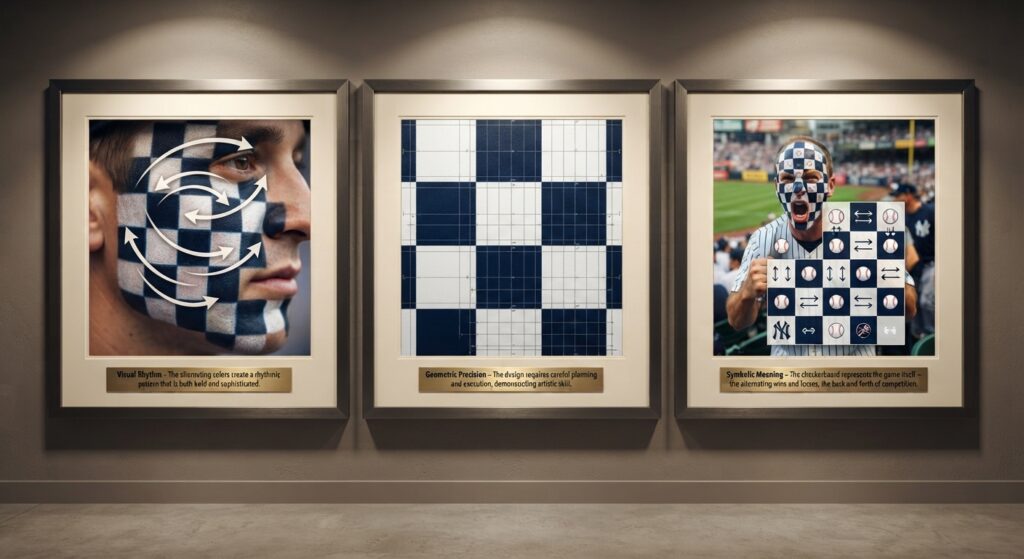
Figure 6. The Aesthetics of the Checkerboard
A three-panel educational display illustrating the aesthetic principles of the checkerboard pattern in American baseball full-face designs. The panels demonstrate Visual Rhythm (alternating colors creating rhythmic flow), Geometric Precision (the mathematical accuracy of the pattern), and Symbolic Meaning (the checkerboard as a metaphor for the game itself – alternating wins and losses, the back-and-forth of competition).
II. Glitter and Metallic Paint as Artistic Medium
The use of glitter, metallic paints, and rhinestones elevates full-face designs from simple paint to sophisticated artistic expression.
- Light Reflection: Glitter and metallic paints catch stadium lights, creating brilliant sparkles that photograph beautifully.
- Texture: The combination of matte paint, glitter, and rhinestones creates visual depth and texture.
- Glamour: The sparkle transforms the fan into a glamorous stadium celebrity.
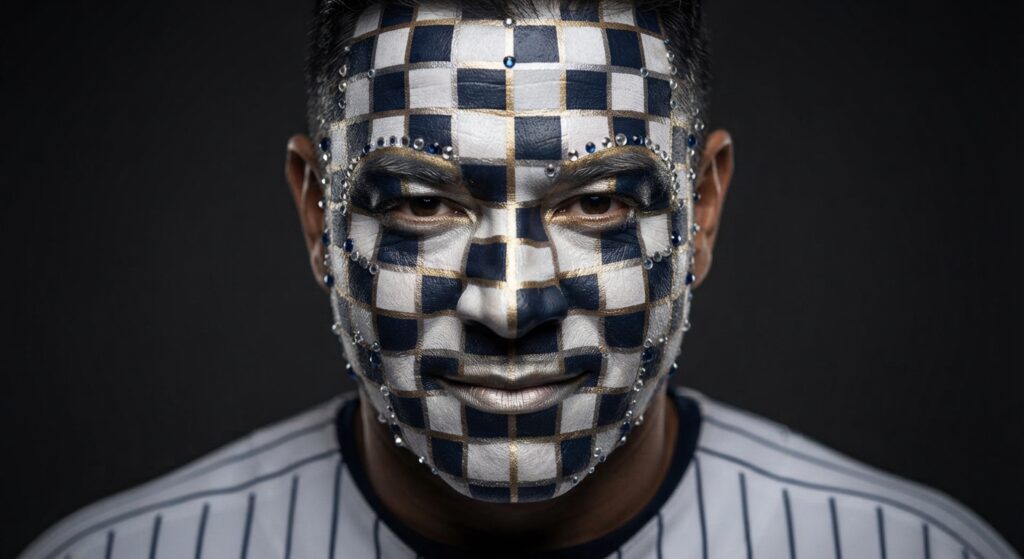
Figure 7. The Art of the Full-Face – A Studio Portrait
A dramatic studio portrait of a superfan wearing an elaborate full-face checkerboard design with metallic paints and rhinestone accents. The photograph emphasizes the artistic sophistication of the design and the fan’s confident expression.
4. Artistic Transformation and Creation (Cross-Media Artistic Interpretation)
Full-face designs have inspired artists across multiple media to explore themes of identity, performance, and spectacle.
Artistic Interpretation I: Painting – “The Checkerboard Face”
- Concept: A series of paintings that isolate the checkerboard patterns from the faces, presenting them as standalone geometric compositions. The paintings explore the visual power of the checkerboard as pure pattern.
- Visual Highlight: By removing the face context, the checkerboard becomes a study in geometric abstraction.
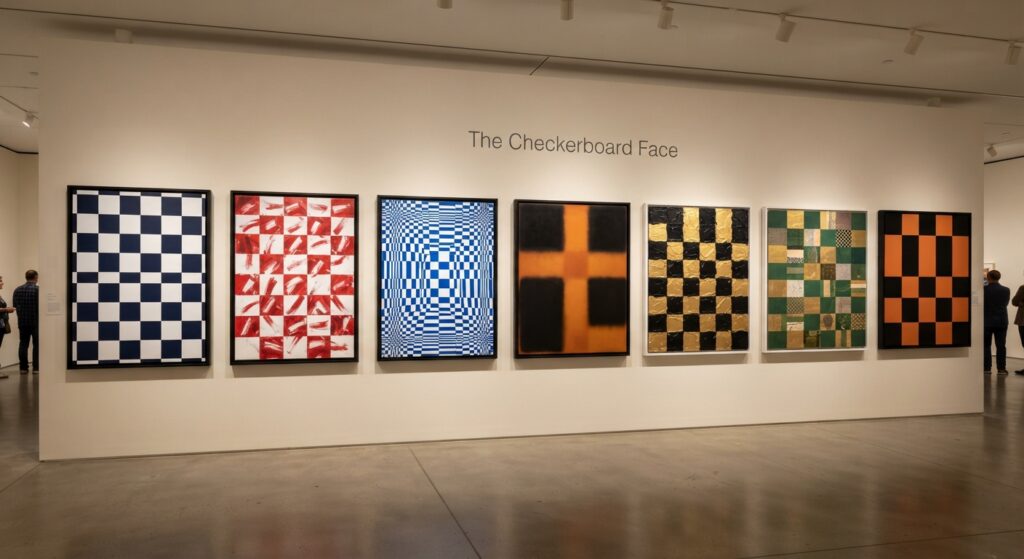
Figure 8. “The Checkerboard Face” – Painting Series
A gallery wall featuring large-scale abstract paintings that isolate checkerboard patterns from full-face designs, presenting them as standalone geometric compositions. The paintings explore the visual power of the checkerboard as pure pattern. By removing the face context, the checkerboard becomes a study in geometric abstraction, demonstrating the artistic sophistication of this iconic baseball fan design.
Artistic Interpretation II: Sculpture – “The Superfan Mask”
- Concept: A series of sculptural masks inspired by full-face designs, created from materials such as ceramic, metal, and glass. Each mask represents a different team or design style.
- Visual Highlight: The masks are presented as fine art objects, demonstrating the sculptural potential of face paint design.
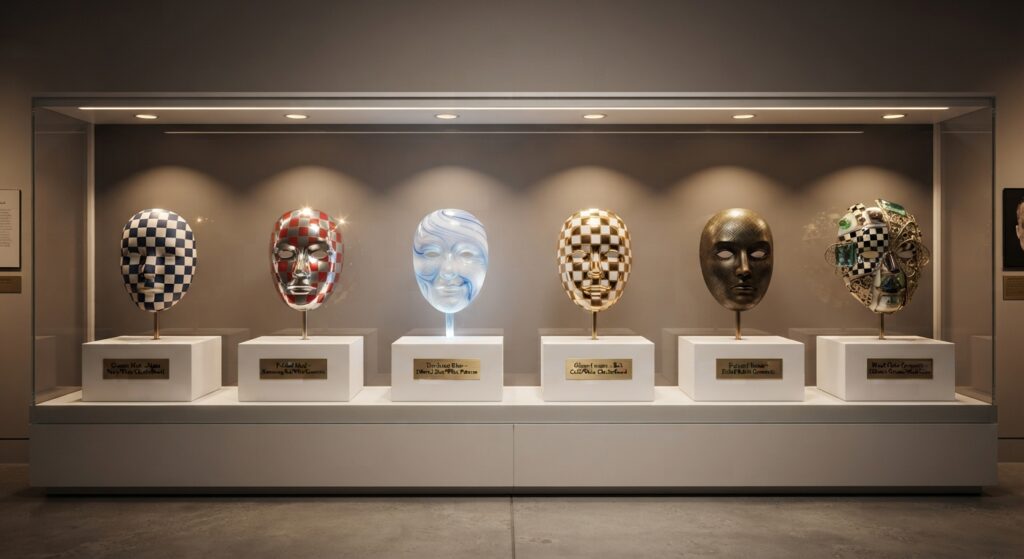
Figure 9. “The Superfan Mask” – Sculpture Series
A museum display case featuring a series of sculptural masks inspired by full-face baseball designs. The masks are created from ceramic, polished metal, glass, bronze, and mixed media, each representing a different team color and design style. The masks are presented as fine art objects, demonstrating the sculptural potential of face paint design and elevating superfan culture to the realm of fine art sculpture.
5. Art & SAT Education
6. Game Zone
Activity: “Build Your Superfan Face – Full-Face Design Studio”
In this interactive zone, visitors become superfan artists and design their own full-face masterpiece.
- Base Pattern Selection: Visitors choose a base pattern for their full-face design:
- Checkerboard – Alternating team colors in a grid
- Stripes – Vertical or diagonal stripes across the face
- Geometric – Zigzags, diamonds, or angular patterns
- Ombré – Gradual transition between team colors
- Custom – Design your own pattern
- Team Colors: Visitors select their primary and secondary team colors from a palette of MLB team colors.
- Accents: Visitors add:
- Glitter – Sparkling accents that catch light
- Metallic Paints – Shimmering metallic finishes
- Rhinestones – Jewel-like accents
- UV-Responsive – Glows under blacklight
- Preview: The design is rendered on a digital face preview.
- Group Mode: Visitors can coordinate with friends to create matching group designs.
- Share & Download: Visitors can:
- Download their design as a digital souvenir
- Share it on social media with a generated hashtag
Bonus Challenge: “Superfan Spotlight” – Visitors can submit their design to a digital gallery where other visitors can vote for their favorite full-face design.
References
Associated Press. (2021, March 31). Cleveland Indians ban Native American headdresses, face paint at home games. ESPN.
Bond, M. (2023). The Psychology of Belonging: Why Sports Fans Get a Free Pass. The Spectator.
Herbeck, D., & Drucker, S. J. (Eds.). (2020). Communication and the Baseball Stadium: Community, Commodification, Fanship, and Memory. Routledge Research in Sport, Culture and Society.
MacNeill, M. (2009). Performative Sport Fandom. Routledge Research in Sport, Culture and Society.
MLB.com. (2026, July 7). Paint it (orange and) black: Giants fans go Goldfinger at Game 1. Major League Baseball.
Smithsonian Institution. (2019). American Fan Culture: The Art of Face Painting. Smithsonian American History Museum.
Sports Illustrated. (2019). Superfans: The Art of the Full-Face. SI Fan Culture Special Edition.
Spectrum News 1. (2019, March 29). Dodgers Superfans Gear Up for Opening Day.
The Globe and Mail. (2025, November 1). A Jays fan soaks up Game 6 in Japan.
The Hill. (2021, March 31). Cleveland Indians to ban face paint, headdresses at games.
USA Today. (2023, April 6). Detroit Tigers fans celebrate Opening Day 2023.