
1️⃣ Exhibit Name
“Ganbare!” Encouragement Sign (Japanese: 頑張れ!)
2️⃣ Collection & Image

Figure 1. “Ganbare!” Encouragement Sign – Camera Photo Style
A simple sign reading “頑張れ!” (“Do your best!”), used especially when the team is losing, to lift spirits without criticism.
3️⃣ Gallery Location
Fan Culture Wing › Signs Hall › Japan Gallery
4️⃣ Exhibit Background
The “Ganbare!” encouragement sign is a simple, heartfelt sign reading “頑張れ!” (Ganbare) – a Japanese phrase meaning “Do your best!” or “Hang in there!” Unlike taunting signs or victory celebrations, this sign appears when the team is losing or struggling. It is an expression of unconditional support, not conditional on performance. The sign carries no criticism, no sarcasm, no “PULL HIM!” aggression. It is pure encouragement.
The phrase “Ganbare” is deeply embedded in Japanese culture – used in schools, workplaces, and sports. Unlike the English “Good luck” (which implies luck), “Ganbare” implies effort and perseverance – the listener has control. In baseball, the sign is most visible during late‑inning comebacks or extra‑inning games when players are exhausted.
5️⃣ Period & Location
- Period: 1950s – present (the phrase has older cultural roots)
- Location: Nippon Professional Baseball (NPB) stadiums, high school baseball (Koshien), and youth baseball tournaments
6️⃣ Material & Dimensions
- Material: Cardboard, poster board, cloth – often homemade
- Dimensions: Typically 12″ × 18″ (30 cm × 45 cm) or smaller, easily held by one fan
- Lettering: Bold black or red marker, sometimes with team colors or a small rising sun emblem
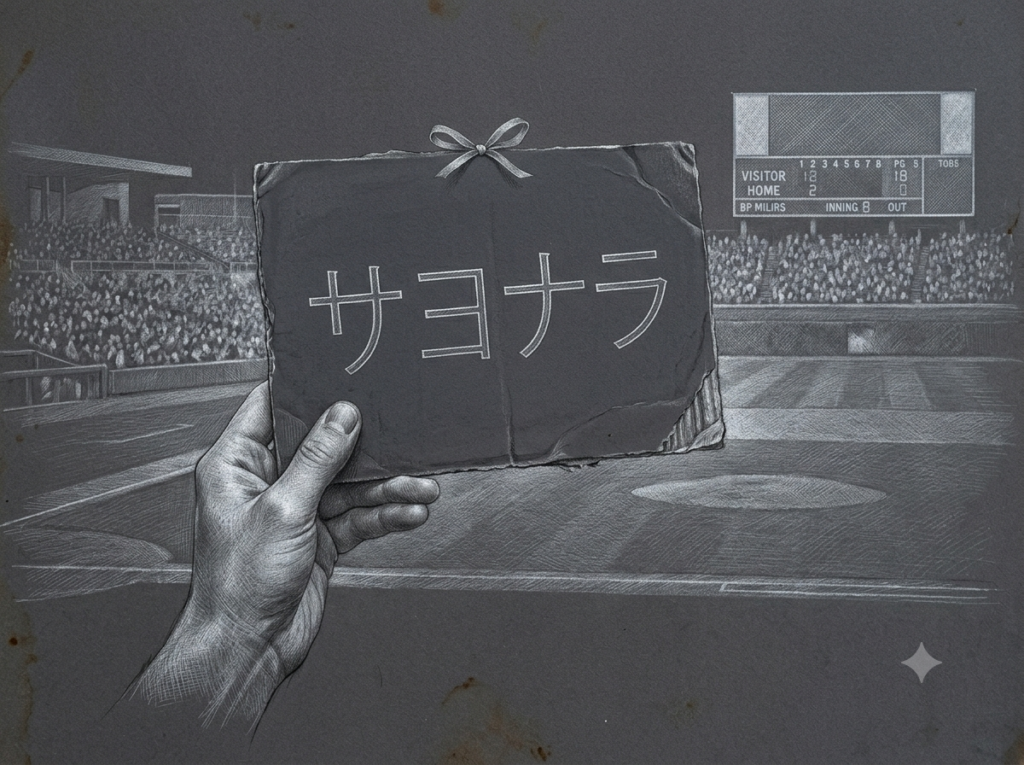
Figure 2. “Sayonara” Victory Sign – Silverpoint Style
A delicate silverpoint drawing of the sign, with fine, precise lines capturing the quiet beauty of a sudden victory.
7️⃣ Narrative Story
The Cultural Weight of “Ganbare”
“Ganbare” is not a casual phrase. It carries a sense of shared struggle. When a fan holds up “頑張れ!”, they are saying: I see you trying. I support you. Keep going, even if you fail. In Japanese baseball, where players are expected to show effort (doryoku) above all, this sign is the ultimate acknowledgment.
The Sign During Losing Streaks
During a losing streak, American fans might hold “We Want a Hit!” (humorous self‑deprecation) or “Fire the Coach!” (anger). Japanese fans rarely do that. Instead, “Ganbare!” signs multiply. At Koshien, when a small‑town school is losing 10‑0 in the seventh inning, the student section does not leave. They raise “Ganbare!” banners. The players, exhausted and humiliated, often bow to the crowd afterward.
The 2011 Tōhoku Earthquake and Baseball
After the 2011 Tōhoku earthquake and tsunami, baseball became a source of hope. Players wore “Ganbare Nippon!” (Do your best, Japan!) patches. Fans held “Ganbare!” signs even when their team was losing. The sign transcended sports – it was a national message of resilience.
“Ganbare” vs. “Fight!”
Visitors may compare “Ganbare” to the English “Fight!” (also used in baseball). But “Fight!” often implies aggression – winning the battle. “Ganbare” implies persistence – staying in the struggle. The sign is gentle but unwavering.
Think About It
- How does the “Ganbare!” sign differ from an American “Let’s go!” or “Fight!” sign?
- Why do you think Japanese fans use encouragement when the team is losing, rather than expressing frustration?
- What would happen if an American fan held a “Do your best!” sign during a 10‑run loss? Would it be seen as naive or admirable?

Figure 3. “Sayonara” Victory Sign – Fresco Style
A mural painting on plaster, giving the fleeting victory moment a timeless, monumental quality.
8️⃣ Current Status & Applications
- Status: The “Ganbare!” sign is a permanent feature of Japanese baseball, appearing in every NPB stadium and at Koshien.
- Applications: The phrase appears on team towels, fan T‑shirts, and social media hashtags (#頑張れ). Players often post “Ganbare!” to fans after a loss.
- Suggested companion exhibits: Display alongside the “Kattobase!” banner (aggressive encouragement) and “Sayonara” victory sign (celebration).
9️⃣ Significance & Educational Value
- Significance: The “Ganbare!” sign represents the Japanese value of perseverance (ganbaru). It shows that fandom is not only about victory but about shared effort and dignity in defeat.
- Educational value: Encourages visitors to reflect on cross‑cultural differences in expressing support and handling disappointment.
🔟 References
- Ganbaru: The Japanese spirit of perseverance. Japanese Journal of Cultural Psychology, 2010.
- Fan signs at Koshien. Asahi Shimbun, 2018.
- “Ganbare Nippon” after the 2011 disaster. NHK documentary, 2012.
- Ōendan and the culture of encouragement. NPB official fan guide, 2019.