
1️⃣ Exhibit Name
“Home Run” Count Sign
2️⃣ Collection & Image
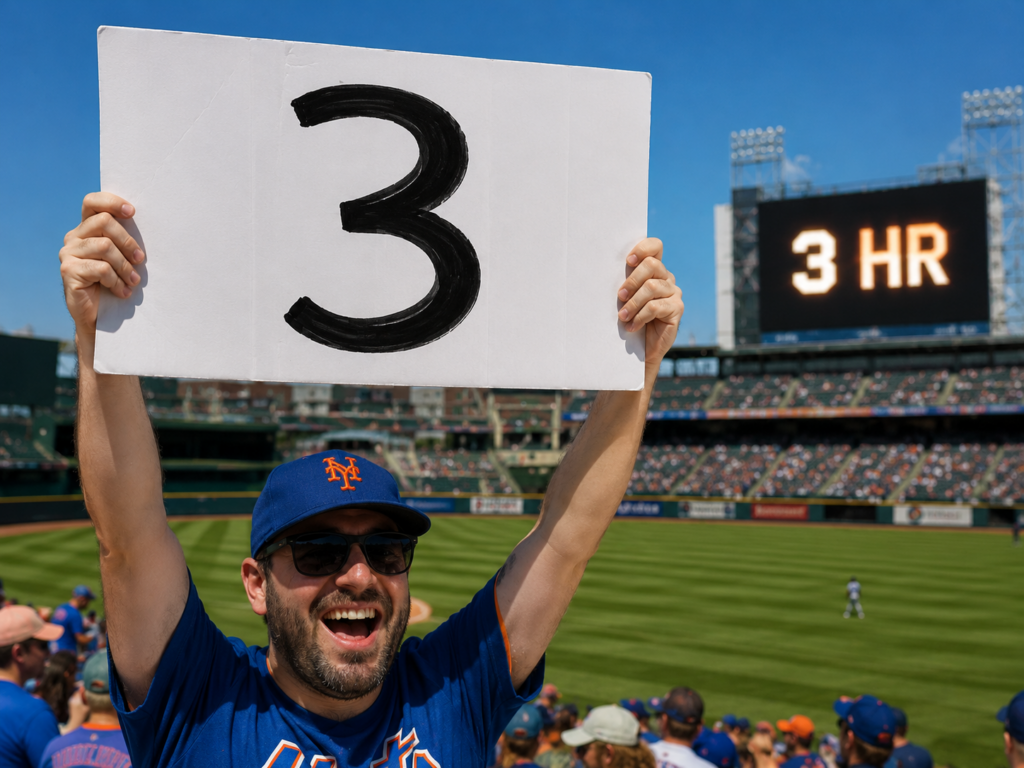
Figure 1 – “Home Run” Count Sign – Camera Photo Style
A numbered sign (1, 2, 3…) held by fans, each number raised after a home run by the home team, similar to the “K” sign for strikeouts.
3️⃣ Gallery Location
Fan Culture Wing › Signs Hall › United States
4️⃣ Exhibit Background
The “Home Run” Count Sign is a numbered sign (1, 2, 3, …) that fans raise after each home run hit by the home team. It functions as a real‑time counter, similar to the “K” sign for strikeouts, but celebrating offensive power rather than pitching dominance. The sign is usually hand‑held on cardboard or foam board, with large, bold numbers. After the first home run, a fan raises a sign with “1”; after the second, a different fan raises “2”, and so on. The tradition is especially common in college baseball and minor league parks, but appears in MLB as well, particularly in sections known for creative fan engagement (e.g., the “Bleacher Creatures” at Yankee Stadium).
The origin of the “Home Run” Count Sign is less documented than the “K” sign, but it likely emerged in the 1980s as fans sought to match the energy of strikeout counters. While the “K” sign celebrates the pitcher’s achievement, the home run count sign celebrates the team’s collective power. Some variations include individual player home run counters for sluggers like Aaron Judge or Shohei Ohtani.
5️⃣ Period & Location
- Period: 1980s – present
- Location: Ballparks across the United States, especially in college and minor league stadiums
6️⃣ Material & Dimensions
- Material: Cardboard, poster board, foam core, often decorated with team colors
- Dimensions: Typically 12″ × 18″ (30 cm × 45 cm) – smaller than “K” signs, because multiple numbers are needed
- Lettering: Stenciled or hand‑drawn with bold markers, sometimes with a circle around the number
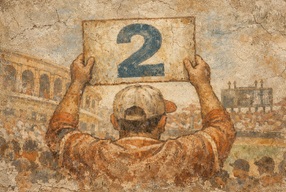
Figure 2. “Home Run” Count Sign – Fresco Style (Painting Arts)
Mural painting on plaster featuring a numbered home run counter, with aged, earthy tones and a stadium backdrop.
7️⃣ Narrative Story
The Opposite of the “K” Sign
For decades, the “K” sign was the only count sign in baseball. But as home run totals exploded in the 1990s (the so‑called “Steroid Era”), fans wanted a way to celebrate offensive fireworks. The “Home Run” Count Sign was born in the bleachers of college stadiums – places like LSU’s Alex Box Stadium and Texas’s Disch‑Falk Field, where students would hold up numbers after every home run.
In 1998, during the Mark McGwire–Sammy Sosa home run chase, Cardinals and Cubs fans began using individual home run counters for each player. A fan in St. Louis held a sign that read “Mac’s HR Count: 62” and updated it after every McGwire blast. That sign is now in the collection of the National Baseball Hall of Fame.
The College Tradition
In college baseball, where games are more intimate and fans are often students, the home run count sign has become a ritual. At Florida State, the “Seminole Sluggers” section has a dedicated fan who holds up numbered cards after every home run, much like a boxing referee counts a knockdown. At Vanderbilt, fans use giant foam fingers with numbers that flip up.
The MLB Version
In the major leagues, the tradition is less formal but still present. At Yankee Stadium, fans in the right‑field bleachers have been known to hold up “Judge HR #” signs for Aaron Judge’s home run totals during a season. During the 2017 World Series, when the Astros and Dodgers combined for a record number of home runs, fans in both parks held up “1”, “2”, “3” signs as the balls flew over the fence.
The Social Media Era
Today, the “Home Run” Count Sign has migrated to Twitter and Reddit, where fans post “HOME RUN COUNT: X” threads during games. The physical sign remains a staple in student sections and bleacher creatures areas, connecting the digital age to the live experience.
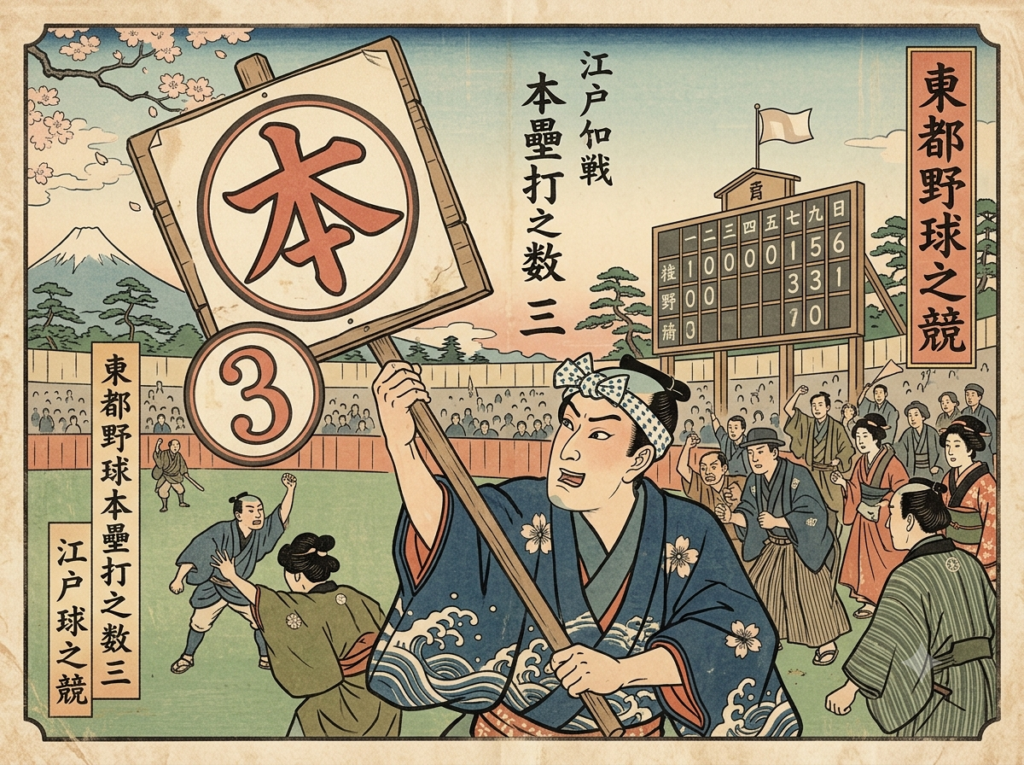
Figure 3 – “Home Run” Count Sign – Ukiyo‑e Style (Painting Arts / Japan)
Traditional Japanese woodblock print featuring a fan’s home run counter, with Edo‑period aesthetics and baseball motifs.
Think About It
- How does the “Home Run” Count Sign compare to the “K” sign in terms of what it celebrates (offense vs. defense)?
- Why do you think this sign is more popular in college baseball than in the major leagues?
- What does the existence of a numbered count sign tell us about fans’ love for statistics and record‑keeping?
8️⃣ Current Status & Applications
- Status: The sign is a permanent fixture in many college baseball stadiums and appears regularly in MLB during high‑scoring games or milestone chases.
- Applications: The design has been adopted for digital scoreboard graphics that show “X HOME RUNS” after each blast.
- Suggested companion exhibits: Display alongside the “K” sign (pitching) and “Home Run” memorabilia (e.g., McGwire’s 62nd home run ball).
9️⃣ Significance & Educational Value
- Significance: The “Home Run” Count Sign represents fans’ desire to quantify and celebrate offensive achievement. It is the yin to the “K” sign’s yang – a balanced expression of baseball’s dual nature.
- Educational value: Encourages visitors to consider how fans create their own statistics and how simple numbers can become powerful symbols of excitement and hope.
🔟 References
- The History of Fan Signs: From “K” to “HR”. Baseball Almanac, 2015.
- College baseball traditions: The home run counter. NCAA.com, 2019.
- Mark McGwire’s 62nd home run – The fan sign that made history. Sports Illustrated, 1998.
- Bleacher Creatures and their counting signs. NY Daily News, 2017.