
Country: Japan
Gallery Location: Food Cluster Wing / Beverages & Snacks Hall / Japan Gallery
Gallery Overview
Welcome to the Japan Gallery, a serene yet dynamic exploration of Japan’s iconic beverages and snacks—from the meditative rituals of the tea ceremony to the vibrant energy of convenience store innovations. This exhibit traces the journey of Japanese refreshments from their ancient origins, through centuries of refinement and cultural codification, to today’s global influence on café culture and snack trends. Discover how precision, seasonality, and a profound respect for ingredients have shaped a culinary landscape that is both deeply traditional and endlessly innovative.
1. Historical Beverage Timeline
1.1 Traditional Beverages: Origins, Evolution, Cultural Meaning
- Matcha (Green Tea)
- Time Span: 9th Century – Present
- Description: Green tea was introduced to Japan from China by Buddhist monks in the 9th century. By the 12th century, the powdered form known as matcha became central to Zen Buddhist rituals. The Japanese tea ceremony (chanoyu) elevated the preparation and consumption of matcha into a spiritual practice emphasizing harmony (wa), respect (kei), purity (sei), and tranquility (jaku). Today, matcha has transcended its ceremonial roots to become a global culinary phenomenon, appearing in lattes, desserts, and confections worldwide.
- Sake (Rice Wine)
- Time Span: 3rd Century – Present
- Description: Sake, often called nihonshu, is Japan’s iconic fermented rice beverage with origins dating back over 1,700 years. Initially used in Shinto religious ceremonies, sake evolved into a sophisticated craft with regional variations reflecting local water sources, rice varieties, and brewing techniques. Sake represents the Japanese mastery of fermentation, the importance of purity and balance, and the deep connection between beverage and ritual. Today, craft sake breweries are experiencing a global renaissance.
- Ramune (Carbonated Lemonade)
- Time Span: 1876 – Present
- Description: Introduced during the Meiji era as Japan opened to Western influences, Ramune became one of Japan’s first carbonated soft drinks. Its distinctive Codd-neck bottle, sealed with a glass marble, became an enduring symbol of Japanese summer festivals (matsuri). The playful ritual of pushing the marble into the bottle represents Japan’s ability to adopt foreign innovations and imbue them with unique cultural character.
- Canned Coffee
- Time Span: 1969 – Present
- Description: Japan revolutionized coffee culture with the invention of canned coffee, first launched by UCC in 1969. Available hot or cold from the nation’s ubiquitous vending machines, canned coffee represents Japan’s genius for convenience and precision engineering applied to everyday life. It transformed coffee from a café luxury into an accessible daily ritual for workers and commuters, reflecting Japan’s fast-paced urban culture.
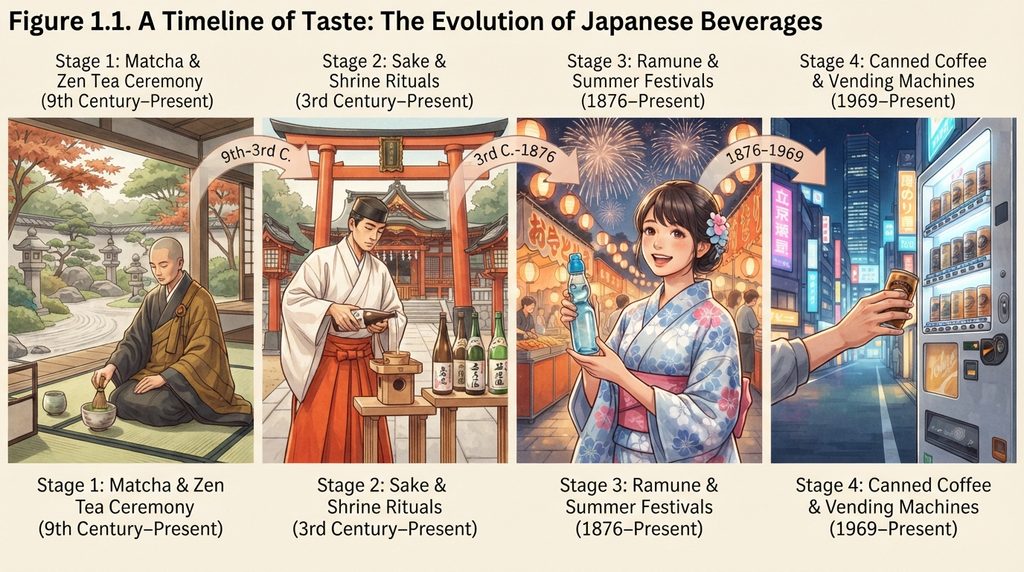
Figure 1: A Timeline of Taste: The Evolution of Japanese Beverages
Description: A horizontally scrolling infographic. It begins with a Buddhist monk whisking matcha in a temple garden, progresses to Shinto priests offering sake at a shrine, then to a Meiji-era vendor selling Ramune at a summer festival, and culminates in a modern image of a vending machine dispensing canned coffee against a Tokyo cityscape.
1.2 Traditional Snacks: Origins, Evolution, Cultural Meaning
- Mochi (Rice Cakes)
- Time Span: Ancient – Present
- Description: Mochi, made from pounded glutinous rice, has been a staple of Japanese cuisine for over a millennium. It is central to New Year celebrations (kagami mochi), seasonal festivals, and religious offerings. The communal act of mochitsuki (mochi pounding) represents family unity and tradition. Today, mochi comes in countless forms—from daifuku filled with sweet bean paste to mochi ice cream—demonstrating its adaptability while retaining its cultural significance.
- Senbei (Rice Crackers)
- Time Span: 8th Century – Present
- Description: Senbei are grilled or baked rice crackers that originated during the Nara period. They come in countless regional variations, from sweet to savory, soy-glazed to nori-wrapped. Senbei represent the Japanese aesthetic of simplicity and the art of transforming basic ingredients into satisfying snacks. They are deeply associated with tea ceremonies and casual social gatherings, embodying the concept of hospitality.
- Taiyaki (Fish-Shaped Cakes)
- Time Span: 1909 – Present
- Description: Taiyaki, a fish-shaped waffle filled with sweet red bean paste (anko), was invented in Tokyo in 1909. The fish shape was chosen as a symbol of good luck, as sea bream (tai) was considered an auspicious fish. Taiyaki represents the playful side of Japanese street food culture and the importance of seasonality and regional variation—modern fillings include custard, chocolate, and even savory options.
- Pocky (Chocolate-Covered Biscuit Sticks)
- Time Span: 1966 – Present
- Description: Invented by Ezaki Glico in 1966, Pocky revolutionized Japanese snacking with its innovative “handle” design—a portion of the biscuit stick left uncoated for clean holding. Pocky represents Japan’s postwar modernization, its genius for thoughtful product design, and its global influence on snack culture. Today, Pocky comes in dozens of flavors and is celebrated annually on November 11 (Pocky Day).
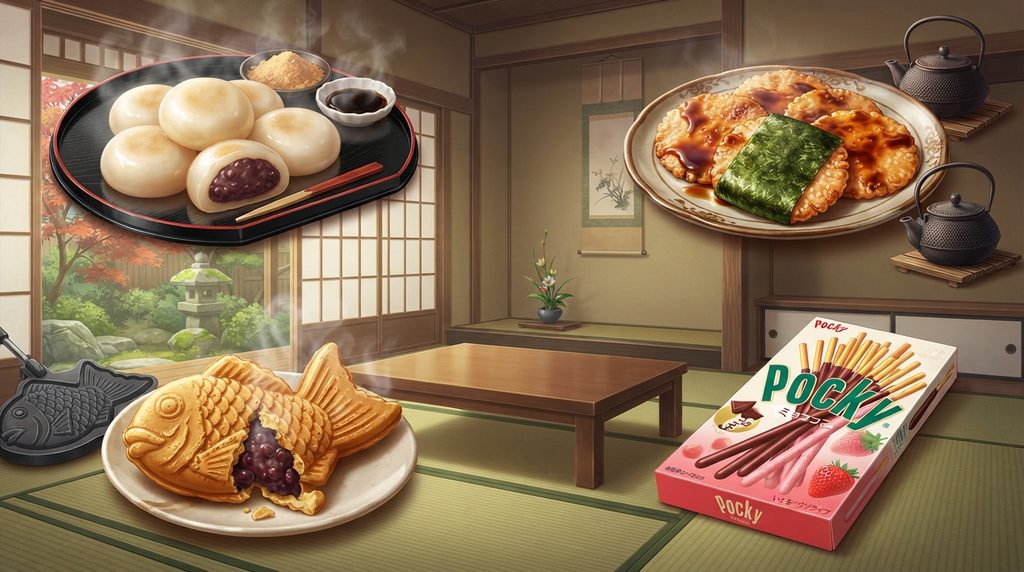
Figure 2: Iconic Snacks of Japan’s Past: A Visual Feast
Description: A large, stylized digital illustration depicting a traditional Japanese tea house (chashitsu) scene. Highlighted items include a lacquer tray of mochi rice cakes with red bean paste, a ceramic dish of soy-glazed senbei rice crackers, a freshly made taiyaki with the fish shape visible, and a modern box of Pocky sticks, bridging tradition and modernity.
2. Modern Beverages and Snacks: Innovation & Global Influence
2.1 Beverages
- Matcha Latte & Third-Wave Matcha
- Time Span: 2010s – Present
- Description: The global matcha boom has transformed the traditional tea into a modern café staple. Japanese brands like Ippodo and Marukyu-Koyamaen have expanded internationally, while baristas worldwide craft matcha lattes with latte art. This trend represents Japan’s cultural soft power and the successful modernization of a centuries-old tradition for contemporary global tastes.
- Japanese Craft Soda & Ramune Revival
- Time Span: 2010s – Present
- Description: A craft soda movement has emerged in Japan, with small-batch producers creating artisanal versions of classic flavors like yuzu, sakura, and white peach. The nostalgic appeal of Ramune has also been reimagined with premium ingredients and modern branding. This trend reflects Japan’s reverence for tradition paired with a spirit of innovation.
- Japanese Whisky Highball
- Time Span: 2010s – Present
- Description: The Japanese whisky highball—whisky mixed with sparkling water and ice—has become a global sensation, championed by brands like Suntory. Its precise preparation and clean presentation reflect Japanese aesthetics. The highball represents Japan’s mastery of Western spirits elevated through Japanese precision and minimalism, becoming a global icon of sophisticated drinking culture.
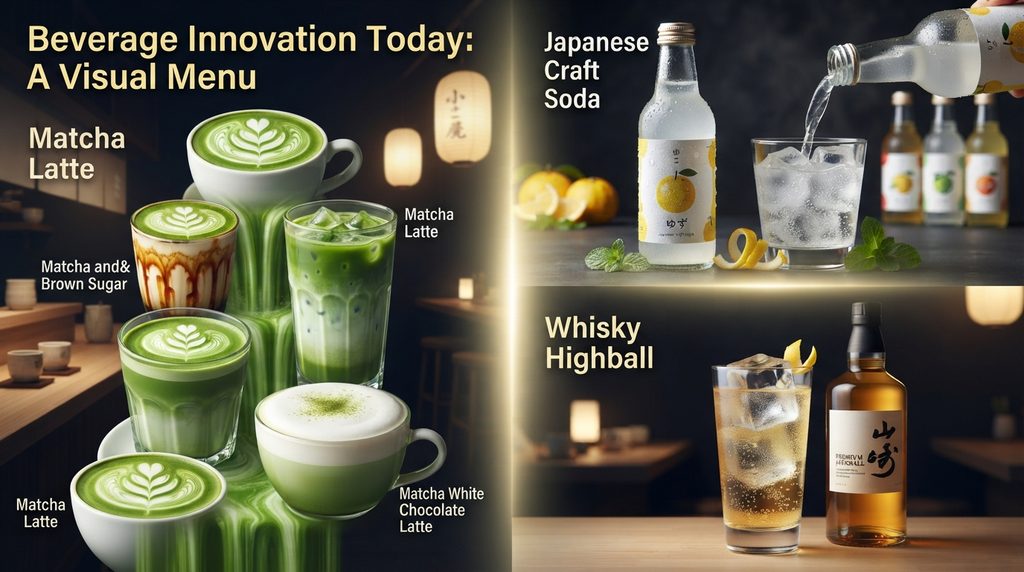
Figure 3: Beverage Innovation Today: A Visual Menu
Description: A dynamic, split-screen digital display. The left side shows a cascade of vibrant matcha lattes with intricate latte art. The right side features a sparkling Japanese craft soda bottle with a yuzu label, next to a perfectly poured whisky highball in a tall glass with clear ice, all against a backdrop of minimalist Japanese café design.
2.2 Snacks
- Mochi Ice Cream & Mochi Doughnuts
- Time Span: 1990s – Present
- Description: Mochi ice cream, invented by Mikawaya in Los Angeles by a Japanese-American businesswoman, has become a global dessert phenomenon. Mochi doughnuts (pon de ring), popularized by Mister Donut in Japan, feature a distinctive ring of connected balls with a chewy mochi-like texture. These innovations represent Japan’s ability to reinvent traditional ingredients for modern, global palates.
- Tokyo Banana & Regional Souvenir Snacks
- Time Span: 1991 – Present
- Description: Tokyo Banana, a banana-shaped sponge cake with cream filling, has become the iconic omiyage (souvenir) of Tokyo. Regional souvenir snacks across Japan—from Shiroi Koibito in Hokkaido to Yatsuhashi in Kyoto—represent the Japanese tradition of gift-giving and regional pride. These snacks demonstrate how food serves as a medium for cultural identity and social connection.
- Convenience Store Snack Innovation
- Time Span: 2000s – Present
- Description: Japanese convenience stores (konbini) like 7-Eleven, Lawson, and FamilyMart have become global destinations for snack innovation. From onigiri with premium fillings to limited-edition Kit Kat flavors (wasabi, sake, matcha), the konbini represents Japan’s obsession with seasonal limited editions and constant reinvention. These snacks showcase Japan’s ability to elevate convenience food to an art form.
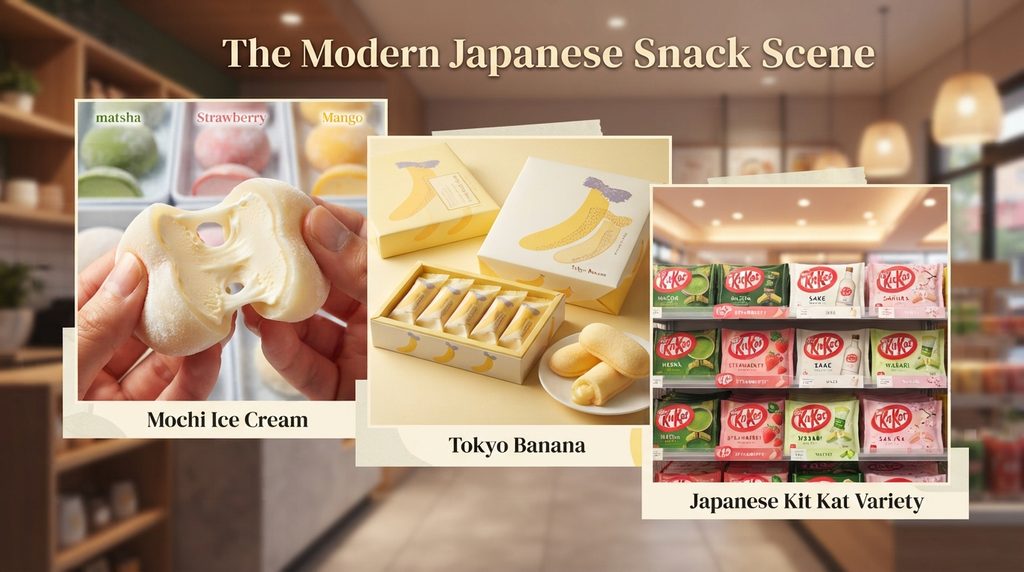
Figure 4: The Modern Japanese Snack Scene
Description: A collage-style graphic. One image shows a hand breaking open a mochi ice cream to reveal the creamy center. Another shows a beautifully packaged Tokyo Banana box with the banana-shaped cakes arranged neatly. A third shows a display of colorful Japanese Kit Kat flavors in a convenience store setting.
3. International Comparison
This table compares culinary cultures through the lens of iconic beverages and snacks, highlighting the universal human desire for flavor and connection.
Table 1. International Comparison
| Country | Iconic Beverage | Cultural Significance | Iconic Snack | Cultural Significance | Common Thread |
|---|---|---|---|---|---|
| Taiwan (TW) | Bubble Tea | Innovation, Global Soft Power, Youth Culture | Pineapple Cake | Hospitality, Auspiciousness, Gift-giving | Transforming simple ingredients into cherished cultural icons. |
| United States (USA) | Cola | Mass Consumerism, Optimism, Global Americana | Chocolate Chip Cookie | Home Baking, Comfort, Family Tradition | Creating globally recognized brands that define modern consumption. |
| Japan (JP) | Matcha | Zen Aesthetics, Ritual, Precision | Mochi | Tradition, Seasonality, Craftsmanship | Elevating food to an art form, emphasizing ritual and quality. |
| Dominican Republic (DO) | Morir Soñando | Tropical Refreshment, Creamy Indulgence | Tostones | Staple Food, Resourcefulness, Daily Sustenance | Using local, abundant ingredients to create satisfying everyday flavors. |
4. Artistic Transformation
This section showcases how Japanese beverages and snacks are not just consumed but are woven into the cultural fabric, inspiring artists across various media.
4.1 Wood Sculpture
In the Artistic Transformation section of the Baseball Art Museum, wood sculpture serves as the chosen medium to juxtapose Japan’s celebrated beverages and snacks against the visual language of the baseball diamond. The sculptor’s masterful technique and sensitivity to the inherent qualities of wood grain bring together culinary icons—matcha bowls, mochi, and taiyaki—with the equipment of the game: bats, balls, and gloves. The tactile warmth of the timber resonates with the natural essence of the foodstuffs depicted, while the compositional energy of the ballpark animates each static form. The resulting works stand as both a homage to Japan’s gastronomic identity and a meditation on the intersections of tradition and contemporaneity.
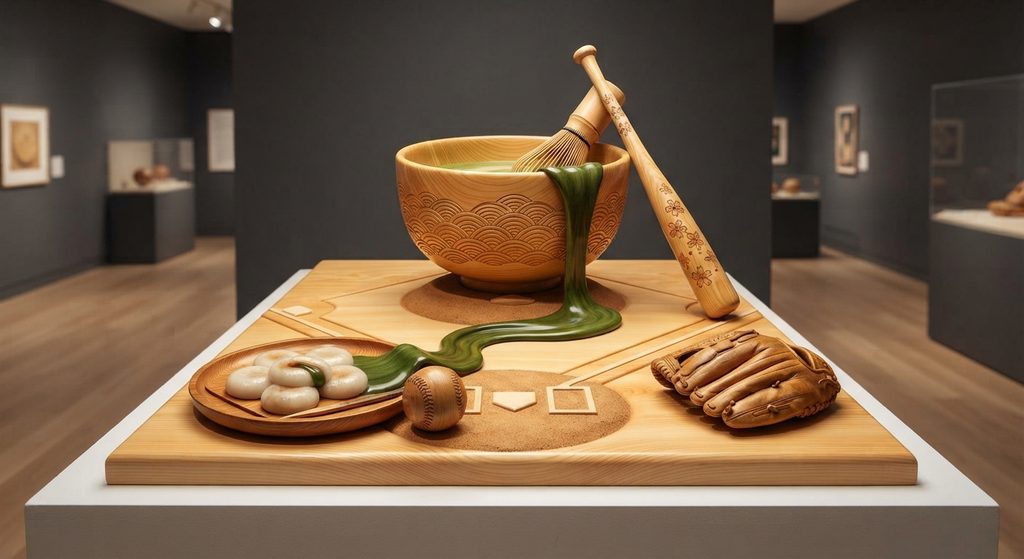
Figure 5: Wood Sculpture Artistic Transformation — Japanese Food Culture in a Baseball Stadium
4.2 Ice Sculpture
Within the Artistic Transformation gallery of the Baseball Art Museum, ice serves as the chosen medium to juxtapose Japan’s celebrated beverages and snacks against the visual language of the baseball diamond. The sculptor’s masterful technique and sensitivity to the inherent qualities of ice—its translucency, its crystalline structure, its fleeting beauty—bring together culinary icons—matcha bowls, mochi, and taiyaki—with the equipment of the game: bats, balls, and gloves. The cool, luminous surface of the frozen medium resonates with the Japanese aesthetic of mono no aware (the bittersweet awareness of impermanence), while the compositional energy of the ballpark animates each static form. The resulting works stand as both a homage to Japan’s gastronomic identity and a meditation on the intersections of tradition and contemporaneity, the ephemeral and the eternal.
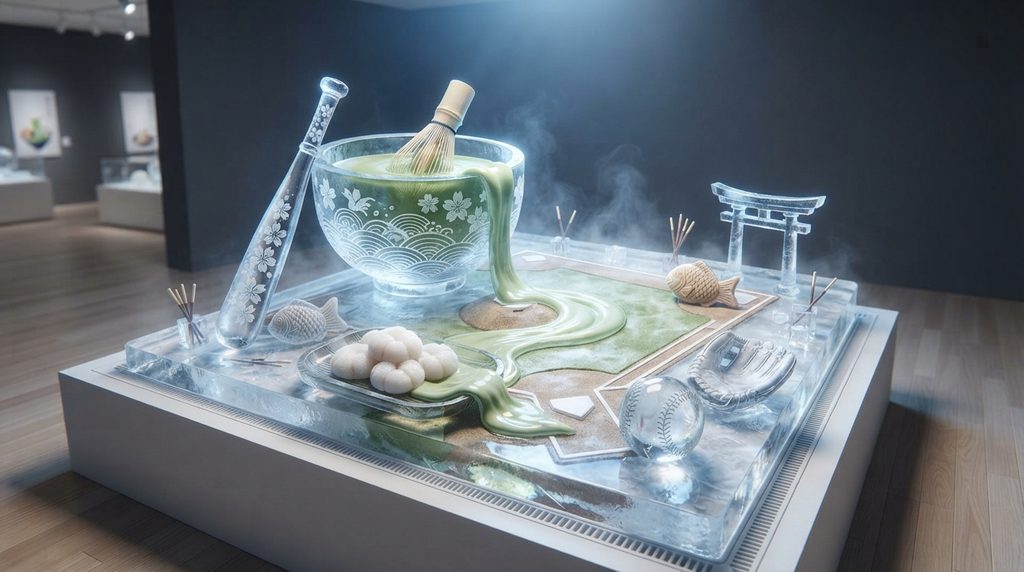
Figure 6: Ice Sculpture Artistic Transformation — Japanese Food Culture in a Baseball Stadium
5. Art & SAT Education
This interactive zone connects the cultural artifacts of the gallery to academic skills, particularly those relevant to standardized tests like the SAT.
Critical Reading: “The Globalization of Matcha”
An exhibit presents a short, data-rich article on the global matcha market. Accompanying questions challenge students to identify the author’s central claim, analyze the use of evidence, and understand vocabulary in context.
Data Analysis: “A History in Numbers”
Students interact with digital bar graphs and line charts showing tea production in Japan in the 20th century versus matcha shop openings globally in the 21st century. SAT-style questions ask them to interpret the data, draw inferences, and connect quantitative trends to historical events.
Vocabulary Building Wall: “Words to Savor”
A dynamic word wall displays key terms from the gallery, including: ritual, ceremony, precision, seasonality, harmony, refinement, tradition, innovation, significance, simplicity.
6. Education Game Zone
“Matcha Mix Master” (Interactive Game)
A multi-player touch-screen game where players take on the role of a Japanese beverage innovator. They must combine a base (matcha, sencha, hojicha), a flavor profile (sweet red bean, yuzu, sakura), and a texture element (mochi balls, jelly, foam) to create a new drink. The game then rates their creation for “Market Appeal” and “Cultural Authenticity,” teaching about the balance of tradition and innovation.
“Tokyo Station Dash” (Board Game)
A life-sized board game where players move through a stylized Japanese train station and department store food hall. Landing on different shops (e.g., Mochi Shop, Taiyaki Stand, Matcha Café) presents trivia questions related to the gallery’s content, from historical origins to modern facts. Answering correctly earns “Yen,” and the first player to collect one of each snack for their “feast” wins.
“Tea Ceremony Master’s Challenge” (Sensory Activity)
A guided table where participants can smell different Japanese teas (matcha, sencha, hojicha, genmaicha) and try to match them to their correct growing regions or tasting notes. This engages sensory learning and reinforces the historical section of the gallery.
Reference
- Anderson, K. J. (2022). The Japanese snack: A cultural history of mochi, senbei, and street food. University of Tokyo Press.
- Fujimoto, S. (2020). Matcha and soft power: The globalization of Japanese tea culture. In H. Tanaka (Ed.), Japanese soft power and consumer culture (pp. 112–130). Palgrave Macmillan.
- Nakamura, Y. (2019). Sake and ritual: A history of Japanese beverages. Kyoto University Press.
- Suzuki, M. (2023). Convenience store innovation and the new Japanese palate. Journal of Japanese Food Studies, 22(4), 245–260.
- Tokyo National Museum. (2021). The art of Japanese food: Ceremony, craft, and culture. Government Printing Office.
- Yamamoto, T. (2018). Wood and textile: Traditional materials in Japanese art. Art Book Co.