
The Neatly Packed Bento Shared on a Picnic Sheet
From the careful arrangement of rice and side dishes in a lacquered box to the shared blanket spread under cherry blossoms, from convenience-store bento enjoyed at the ballpark to the seasonal hanami feast – every Japanese ballpark has its own way of eating together. The Japan Gallery collects digital art for the bento tradition, inviting visitors to explore the aesthetics, care, and communal spirit that turn a packed lunch into a shared experience.
Hall Overview
In Japan, a meal is rarely just about sustenance. The bento – a portable lunch box packed with rice, grilled fish, pickles, and fried delicacies – is a form of communication between the maker and the eater . When shared on a picnic sheet, whether under cherry blossoms at hanami or on a stadium concourse before first pitch, the bento becomes something more: a gesture of hospitality, a reflection of seasonal beauty, and a reason to gather.
From the hanami bento sold in department stores for spring picnics to the convenience-store bento brought through stadium gates, from the neatly arranged compartments of grilled fish and karaage to the shared blanket where friends and coworkers eat together – these traditions are as much a part of Japanese baseball culture as the game itself. This gallery celebrates the communal eating rituals of the Japanese bento through digital art.
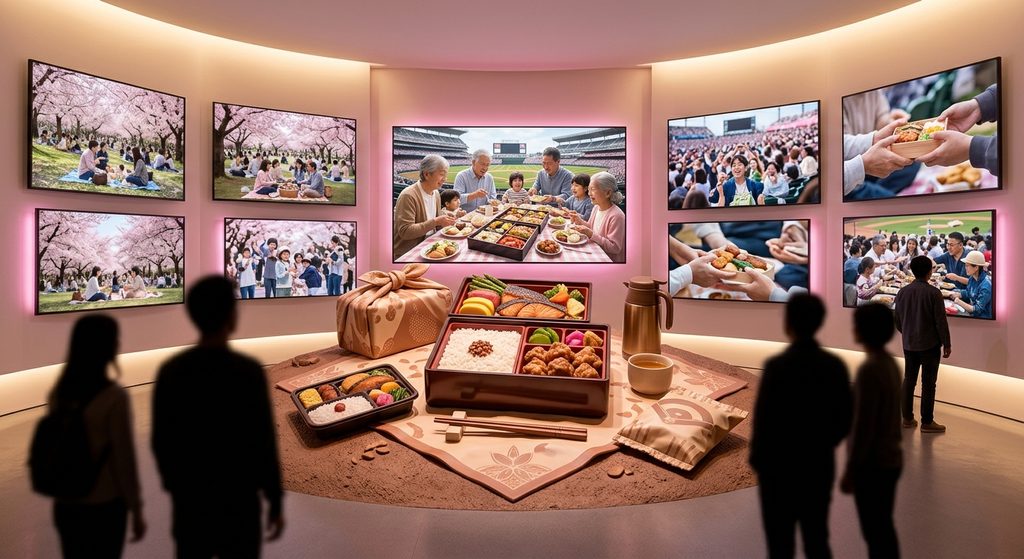
Figure 1. Japan Gallery – Entrance Installation
What You’ll Discover
The Japan Gallery explores the neatly packed bento shared on a picnic sheet – Japan’s refined outdoor meal culture. Here, the bento is more than food; it is a gesture of care, a reflection of seasonal aesthetics, and a reason to sit together, whether under cherry blossoms or in the stands of a baseball stadium.
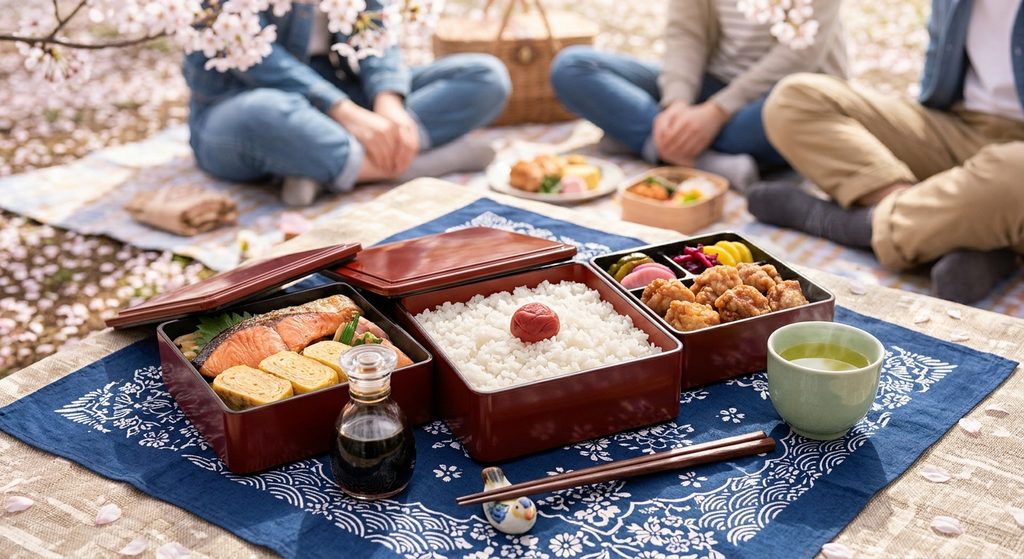
Figure 2. The Japanese Bento Spread
Plan Your Visit
- Location: Food Cluster Wing / Communal Eating Hall / Japan Gallery
- Suggested Time: 15–20 minutes
- Best For: Families, food lovers, baseball fans of all ages
Why This Gallery Matters
The bento is the soul of the Japanese communal meal. It does more than provide lunch – it carries care, aesthetics, and the joy of sharing. From the carefully packed compartments of grilled fish and pickles to the blanket spread under cherry blossoms, from the convenience-store bento brought to the ballpark to the shared hanami feast where coworkers and families eat together – these meals weave the warmest connections between people. They remind us that in Japan, baseball is not just a game played on the field, but a living culture shared over a neatly packed box.
1. Historical Communal Eating Timeline
1.1 Traditional Communal Eating: Origins, Evolution, Cultural Meaning
- The Hanami Bento
- Time Span: Edo Period (1603–1868) – Present
- Description: The practice of enjoying bento under cherry blossoms dates to the Edo period, when portable tiered boxes called sageju were used for flower-viewing parties . These boxes held rice, egg omelet, kamaboko, and seasonal delicacies. Originally, hanami was a ritual to welcome the god of the rice fields and pray for a bountiful harvest; the shared meal was an offering consumed together . The hanami bento represents seasonal awareness, gratitude, and the aesthetic pleasure of eating outdoors.
- The Ekiben (Station Bento)
- Time Span: Meiji Era (1868–1912) – Present
- Description: Ekiben were first sold at train stations during the Meiji era, when vendors carried boxes around their necks and sold through train windows . Today, thousands of varieties exist, each featuring local ingredients and regional specialties. The ekiben represents travel, regional identity, and the pleasure of a meal that captures a place. This portable meal tradition laid groundwork for the convenience-store and stadium bento culture that followed.
- The Convenience-Store Bento
- Time Span: 1970s – Present
- Description: The rise of convenience stores (konbini) made bento accessible everywhere, including at ballparks. Most NPB stadiums allow outside food, and a convenience-store bento (¥400–600) is a budget-friendly option for fans . This represents the democratization of the bento, the integration of everyday convenience with leisure, and the practical side of Japanese food culture.
- The Stadium Bento
- Time Span: Late 20th Century – Present
- Description: Japanese ballparks serve regional specialties in bento form. Yokohama offers Kiyoken shumai bento; Rakuten Park serves gyutan (beef tongue) bento; Hiroshima features local oysters and okonomiyaki . Neatly arranged compartments of grilled fish, pickles, karaage, and rice are common in the stands . The stadium bento represents regional pride, the integration of local cuisine with baseball fandom, and the attention to quality even in a fast-paced setting.
1.2 Traditional Communal Eating Methods: Origins, Evolution, Cultural Meaning
- The Shared Picnic Sheet
- Time Span: Edo Period – Present
- Description: The communal meal in Japan often takes place on a spread cloth – a furoshiki, a plastic tarp, or a picnic sheet. Under cherry blossoms or on a stadium concourse, people sit together and share food from a central spread. This method represents equality, togetherness, and the Japanese practice of creating a temporary shared space.
- The Tiered Bento Box
- Time Span: Edo Period – Present
- Description: The multi-tiered bento box, from the traditional sageju to modern stackable containers, allows for variety and portability. Each compartment holds a different dish, creating a balanced meal. The tiered box represents Japanese aesthetics of arrangement, the balance of nutrition and visual pleasure, and the care taken in packing for others .
- The Art of Packing (Bento as Communication)
- Time Span: Long-standing – Present
- Description: Packing a bento is an act of care. The maker considers nutrition, color, arrangement, and sometimes even creates character-themed kyaraben for children . The bento is described as “packed with love” – a form of communication between maker and eater . This method represents thoughtfulness, the Japanese emphasis on presentation, and the emotional bond created through food.
- The Post-Game Shared Meal
- Time Span: Modern – Present
- Description: After the final out, fans often linger outside the stadium or return home to share a meal. The bento eaten during the game becomes part of a longer day of eating together – before, during, and after baseball. This method represents the extension of the communal experience beyond the stadium walls and the integration of baseball into daily food rituals.
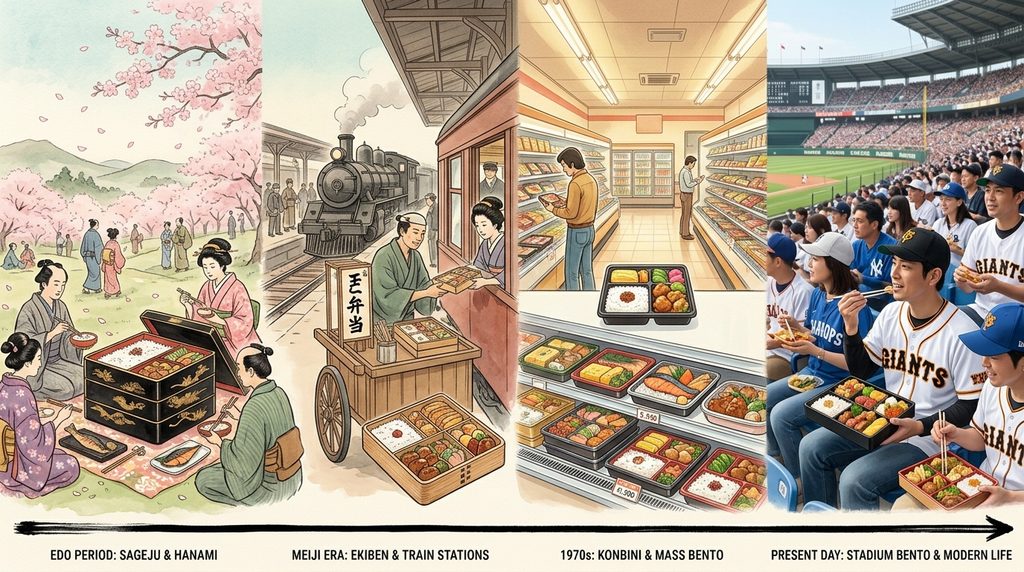
Figure 3: A Timeline of Taste: The Evolution of the Japanese Bento
2. Modern Communal Eating: Innovation & Fan Experience
2.1 Modern Communal Eating Innovations
- The Regional Stadium Bento
- Time Span: 2000s – Present
- Description: Modern NPB stadiums compete to offer distinctive regional bento. Yokohama’s Kiyoken shumai bento, Rakuten’s gyutan bento, and Hiroshima’s oyster bento are examples of local cuisine packaged for the ballpark . This innovation represents regional pride, the elevation of stadium food, and the integration of local identity with baseball fandom.
- The Seasonal and Limited-Edition Bento
- Time Span: 2010s – Present
- Description: Stadiums and department stores offer seasonal bento tied to hanami, summer festivals, and team promotions. Hanami bento from department stores feature traditional Japanese delights for cherry-blossom picnics . This represents the Japanese awareness of seasonality (shun), the pleasure of limited-time offerings, and the connection between food and the calendar.
- The Vegetarian and Dietary-Specific Bento
- Time Span: 2020s – Present
- Description: As dietary needs diversify, vegetarian and allergy-conscious bento are becoming available at large events and some stadiums. This innovation represents inclusivity, the adaptation of tradition to modern needs, and the responsiveness of Japanese food culture.
- The Bento as Souvenir
- Time Span: 2000s – Present
- Description: Some stadiums offer team-branded bento boxes and reusable containers that fans take home as souvenirs. The bento becomes a memento of the game-day experience. This represents the blurring of food and merchandise, the collector’s spirit, and the extension of the baseball experience beyond the stadium.
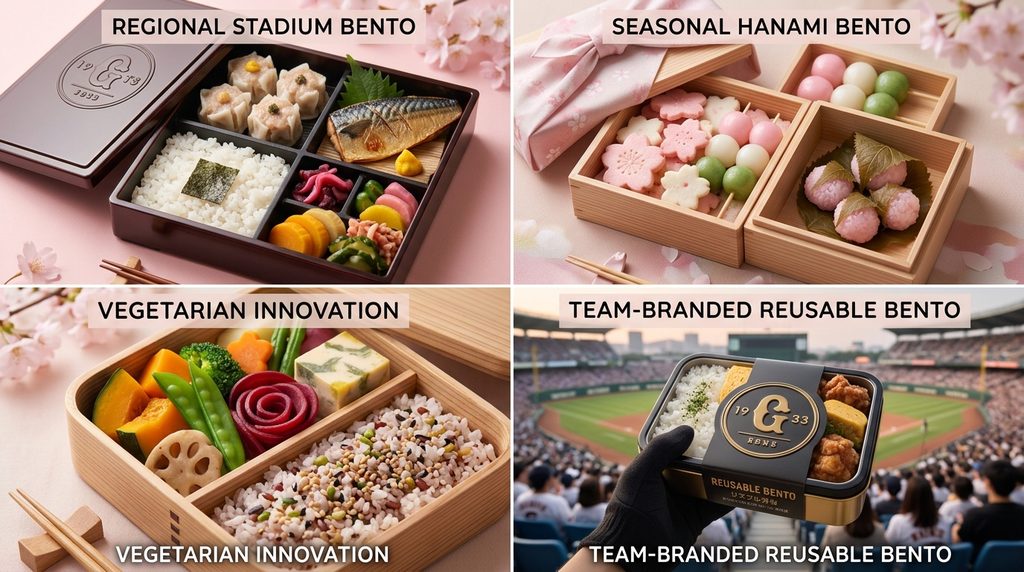
Figure 4: Bento Innovation Today: A Visual Menu
2.2 Communal Eating Scenes
- The Hanami Picnic
- Time Span: Edo Period – Present
- Description: Families, friends, and company groups spread sheets under cherry blossoms, sharing bento, sake, and conversation. The scene is a sensory feast – pink petals, the murmur of voices, the click of chopsticks. This scene represents seasonal celebration, communal harmony, and the Japanese appreciation of fleeting beauty .
- The Stadium Concourse Bento
- Time Span: Late 20th Century – Present
- Description: Fans open bento boxes on their laps or on concourse tables, eating neatly arranged rice, fish, and pickles with chopsticks while watching the game. The scene is orderly, appreciative, and communal in its shared ritual. This scene represents the integration of refined food culture with the casual setting of a ballpark .
- The Family Picnic Under Trees
- Time Span: Long-standing – Present
- Description: Multiple generations gather on a blanket – grandparents, parents, children – sharing a bento packed at home. The mother or grandmother may have spent the morning arranging the box with care. This scene represents family bonds, the transmission of food traditions, and the quiet joy of eating together outdoors.
- The Post-Game Shared Meal
- Time Span: Modern – Present
- Description: After the final out, fans gather at nearby restaurants or at home to continue the meal. The bento from the stadium or convenience store becomes part of a longer day of eating together. This scene represents the extension of the communal experience, the integration of baseball into daily food rituals, and the warmth of shared meals that outlast the game.
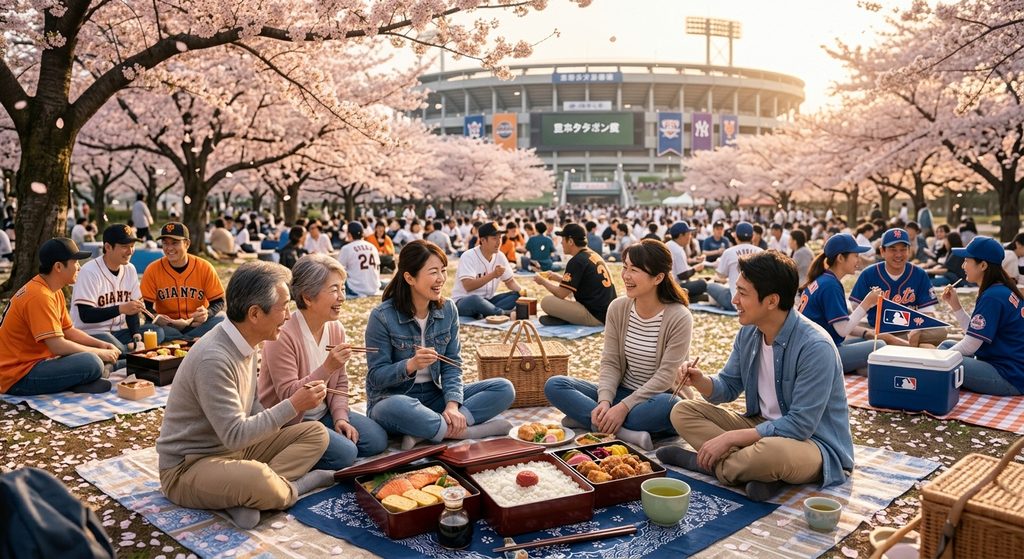
Figure 5: The Modern Japanese Bento Scene
3. Artistic Transformation
This section showcases how the Japanese bento tradition is not just a daily practice but is woven into the cultural fabric, inspiring artists across various media—from the earthy warmth of pottery to the refined elegance of celadon.
3.1 Pottery
In the Artistic Transformation section of the Baseball Art Museum, we use pottery as a medium to integrate Japan’s iconic bento scenes into the setting of a baseball stadium picnic. Through meticulous techniques of wheel-throwing, hand-building, glazing, and kiln-firing, and a profound understanding of clay’s texture, weight, and capacity for both rustic and refined forms, the ceramic artist skillfully combines classic bento elements—the tiered lacquered box reimagined in stoneware, the neatly arranged rice and grilled fish, the shared picnic sheet—with baseball elements including balls, bats, gloves, and stadium seats. The warm earth tones of the fired clay and the durable, tactile nature of the medium contrast with the ephemeral beauty of the hanami picnic the figures evoke, while the dynamic composition of the stadium scene infuses the ceramics with a sense of vitality and immediacy. These works are not only a tribute to Japan’s bento heritage but also symbolize the dialogue and fusion between the handmade and the communal, the rustic and the refined, within Japanese culture.
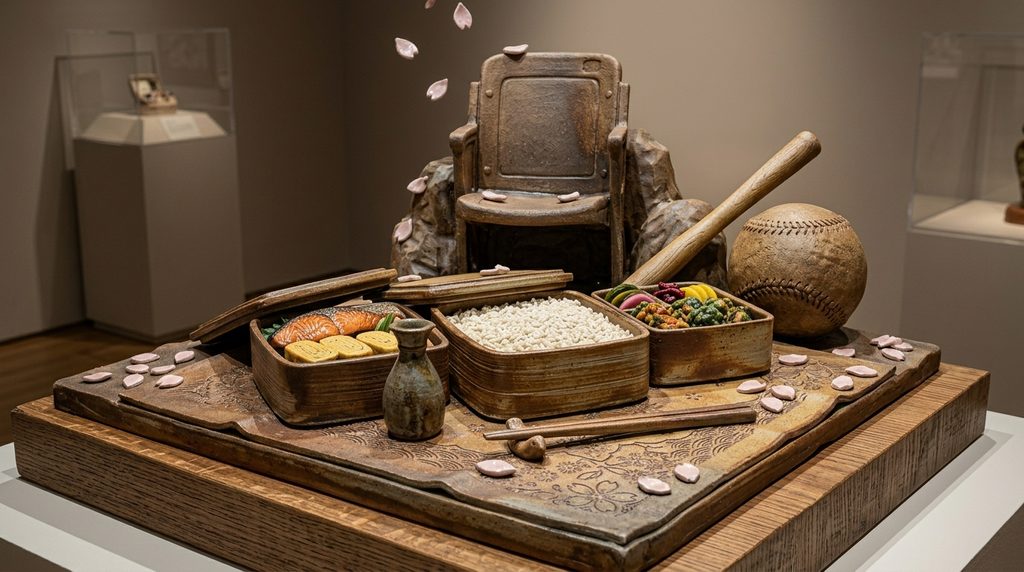
Figure 6: Pottery Artistic Transformation — Japanese Bento Culture at the Stadium Picnic
3.2 Celadon
The Artistic Transformation section of the Baseball Art Museum features celadon ceramics that bring Japan’s beloved bento traditions into the stadium picnic setting. Using the ancient techniques of celadon glazing and reduction firing, the artist transforms iconic bento scenes—the tiered box, the shared picnic sheet, the carefully arranged rice and side dishes—into serene, jade-green ceramic compositions. The depth and translucency of the celadon glaze echo the care and thoughtfulness embedded in the bento tradition, while baseball elements such as bats, balls, and stadium seats lend rhythm and playfulness to each piece through carved relief and incised detail. Some surfaces are polished to a high gloss, others left with a subtle crackle or matte finish. These works celebrate Japanese bento identity, glazing together memory, seasonality, and contemporary art.
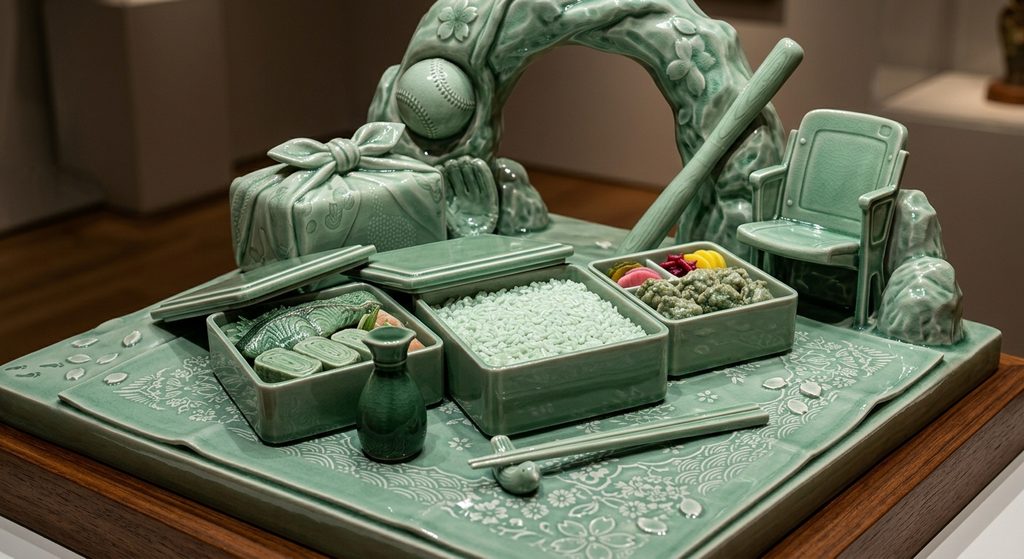
Figure 7: Celadon Transformation — Japanese Bento Culture at the Stadium Picnic
4. Art & SAT Style Education
This interactive zone connects the cultural artifacts of the gallery to academic skills, particularly those relevant to standardized tests like the SAT Style.
Critical Reading: “The Aesthetics of the Bento Box”
An exhibit presents a short, data-rich article on the cultural and economic dimensions of bento, including the role of presentation, the convenience-store market, and the regional stadium bento industry. Accompanying questions challenge students to identify the author’s central claim, analyze the use of evidence, and understand vocabulary in context.
Data Analysis: “A History in Numbers”
Students interact with digital bar graphs and line charts showing the growth of the bento market, the number of regional ekiben varieties, and the rise of vegetarian and dietary-specific bento. SAT-style questions ask them to interpret the data, draw inferences, and connect quantitative trends to cultural shifts.
Vocabulary Building Wall: “Words to Savor”
A dynamic word wall displays key terms from the gallery, including: bento, hanami, ekiben, kyaraben, seasonality (shun), presentation, care, communal, tradition, craftsmanship.
Test Prep
Note: This is not affiliated with, endorsed by, or sponsored by the College Board or the SAT.
5. Education Game Zone
“Bento Packing Challenge” (Interactive Game)
A multi-player touch-screen game where players take on the role of a bento maker. They must choose ingredients, arrange them in compartments, and balance nutrition, color, and aesthetics. The game rates their performance on “Visual Appeal” and “Nutritional Balance,” teaching about the principles of Japanese bento design.
“Hanami Dash” (Board Game)
A life-sized board game where players move through a stylized hanami picnic scene. Landing on different sections (e.g., Cherry Tree Row, Bento Blanket, Tea Corner) presents trivia questions related to the gallery’s content, from historical origins to modern facts. Answering correctly earns “Sakura Petals,” and the first player to assemble a complete picnic spread wins.
“Bento Soundscape” (Sensory Activity)
A guided table where participants can listen to recordings of different bento-related sounds—the click of a lacquered box opening, chopsticks tapping a ceramic rest, the rustle of a furoshiki cloth, and the gentle murmur of a hanami picnic—and try to match them to their correct activities or seasonal contexts. This engages auditory learning and reinforces the historical section of the gallery.
Reference
- Web Japan. (n.d.). Bento in the Life of Japanese People. Kids Web Japan.
- Web Japan. (n.d.). Bento: Box Lunch. Kids Web Japan.
- Grub Passport. (2025, July 2). Inside Japan’s Baseball Stadium Snack Culture.
- Japan National Tourism Organization. (2020, February 19). Time for Japan’s Favourite Spring Activity! Hanami Manners and What to Bring.
- 三重の文化. (n.d.). 第32話 花見弁当. Mie Prefecture.
- Fanpath Japan. (2026, April 10). Japanese Baseball Food for Tourists: How to Order, What to Try, What It Costs.
- Fanpath Japan. (2026, April 8). Japanese Baseball Food: A Foreigner’s Guide to Eating at NPB Games.
- U.S. National Park Service. (n.d.). Hanami – Cherry Blossom Festival.
- オレンジページnet. (2026, April 6). 「お花見」をするのはなぜ?「桜もち・花見だんご・花見弁当」も調べてみよう.