Hall Location: Ballpark Traditions Wing / Entrance & Celebration Hall / Japan Gallery
Hall Overview
Welcome to the Japan Gallery of the Entrance & Celebration Hall, where the ceremonial precision of Japanese baseball comes alive. From the synchronized unfurling of ōendan flags to the thunderous rhythm of coordinated chants, this gallery celebrates the rituals that have defined Japanese baseball since the postwar era. Explore how group harmony, respect, and meticulous preparation have shaped the Japanese ballpark experience—from team introductions and player fight songs to the organized fan sections that turn the stands into a living performance. Discover how these traditions reflect Japan’s deepest values of precision, collective identity, and reverence for the game.
1. Pre-Game Rituals & Ceremonies
1.1 Traditional Japanese Pre-Game Ceremonies: Origins, Evolution, Cultural Meaning
- Team Introductions with Banners (Ōendan Flags)
- Time Span: 1950s – Present
- Description: Japanese baseball teams are introduced with elaborate ceremonies featuring large team banners known as ōendan flags, coordinated chants, and organized fan sections. The pre-game introductions represent the Japanese values of precision, group harmony, and respect for both teams. Each player is announced with their own fight song, and fans wave flags in perfect synchronization. The ceremony transforms the stands into a unified chorus, where individual identity is expressed through collective rhythm.
- Player Fight Songs
- Time Span: 1950s – Present
- Description: Each player on a Japanese team has a signature fight song—a short, chantable melody played over the stadium speakers or led by the ōendan section as the player steps to the plate. These songs are learned by fans, passed down through generations, and performed with precision. The fight song represents individual recognition within a collective framework, the Japanese balance of personal achievement and group belonging.
- Coordinated Fan Chants and Cheers
- Time Span: 1950s – Present
- Description: Japanese fan sections, led by the ōendan (cheer squad), perform highly organized chants, claps, and call-and-response routines. These chants are rehearsed, rhythmic, and synchronized across thousands of fans. The coordinated chant represents the Japanese aesthetic of group harmony (wa), the discipline of collective performance, and the elevation of fan participation to an art form.
- Respect for the Opposing Team
- Time Span: 1950s – Present
- Description: Japanese pre-game ceremonies include formal acknowledgment of the opposing team—through bowing, applause, or coordinated cheers. This practice reflects the Japanese value of respect (sonkei) and the belief that competition is honorable only when both sides are acknowledged. The tradition represents sportsmanship as a cultural obligation, not just a courtesy.
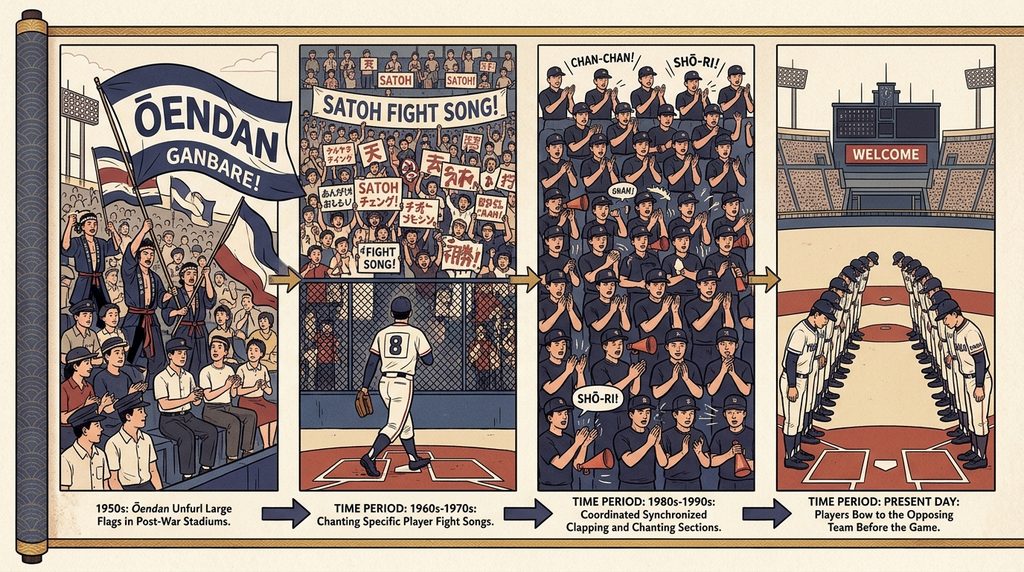
Figure 1: A Timeline of Ceremony: Japanese Pre-Game Rituals
1.2 Japanese Post-Game & Fan Community Traditions: Origins, Evolution, Cultural Meaning
- Victory Celebrations and Banzais
- Time Span: 1950s – Present
- Description: After a victory, Japanese fans and players often celebrate with a banzai—a traditional cheer with raised arms, performed three times. The banzai represents collective joy, gratitude, and the Japanese belief that victory is shared by the entire community, not just the players. The celebration is orderly, heartfelt, and deeply communal.
- Post-Game Fan Cleanup
- Time Span: 1970s – Present
- Description: Japanese fans are known for cleaning up their sections after games—collecting trash, folding programs, and leaving the stands as they found them. This tradition represents civic responsibility, respect for public space, and the Japanese value of leaving things better than you found them. It has become a symbol of Japanese fan culture worldwide.
- Player-Fan Acknowledgments
- Time Span: 1980s – Present
- Description: After games, Japanese players often bow to the fans, and fans bow back. This mutual acknowledgment represents respect, gratitude, and the relationship between team and community. The gesture is simple but profound—a shared recognition of the bond that sustains the game.
- Fan Meet-Ups and Ōendan Gatherings
- Time Span: 1990s – Present
- Description: Beyond the stadium, Japanese fans gather at ōendan meetings, fan clubs, and post-game celebrations. These gatherings represent community, belonging, and the social fabric that makes Japanese baseball more than just a sport.
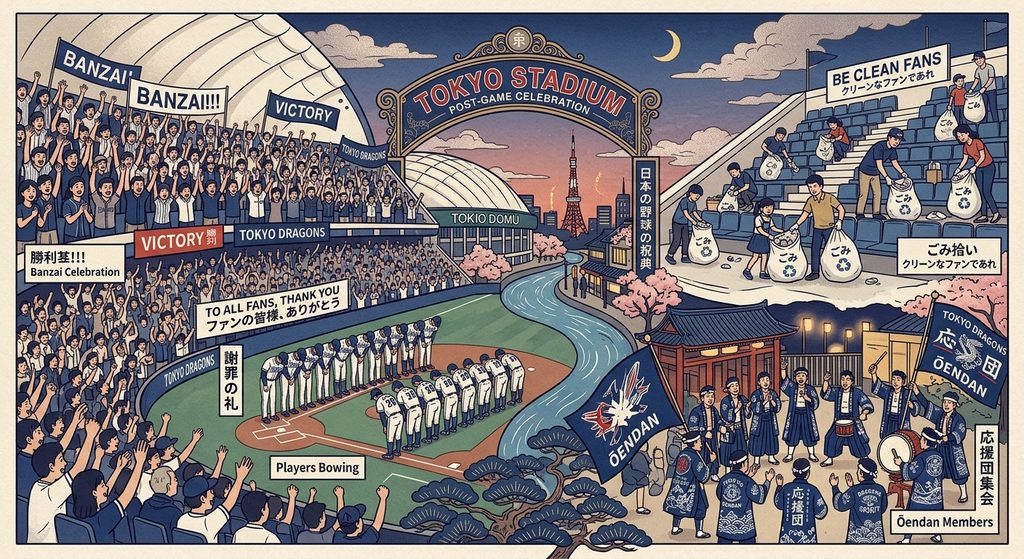
Figure 2: Japanese Post-Game & Fan Community Traditions: A Visual Feast
2. Modern Celebration Culture: Innovation & Global Influence
2.1 Modern Japanese Pre-Game and Celebration Trends
- Synchronized Fan Performances
- Time Span: 1980s – Present
- Description: Japanese fan sections have developed highly organized cheer performances with synchronized flag waving, drumming, and chants. These performances represent the Japanese aesthetic of group harmony and the elevation of fan participation to an art form. Modern ōendan sections use choreographed routines, drum lines, and coordinated color displays that rival the spectacle on the field.
- Digital Chant Coordination
- Time Span: 2010s – Present
- Description: Japanese fans now use apps and social media to coordinate chants, share fight song lyrics, and organize ōendan events. These innovations represent Japan’s technological fluency and the modernization of traditional rituals without losing their communal essence.
- Stadium-Wide Light Performances
- Time Span: 2010s – Present
- Description: Japanese stadiums have adopted LED light shows and synchronized fan wristbands that transform the stands into a unified canvas of color. These innovations represent the fusion of technology and tradition, and the Japanese talent for collective spectacle.
- Themed Ōendan Nights and Fan Festivals
- Time Span: 2000s – Present
- Description: Japanese teams host themed ōendan nights, fan festivals, and community events that celebrate the cheer culture itself. These events represent the professionalization of fan culture and the recognition that fans are performers, not just spectators.
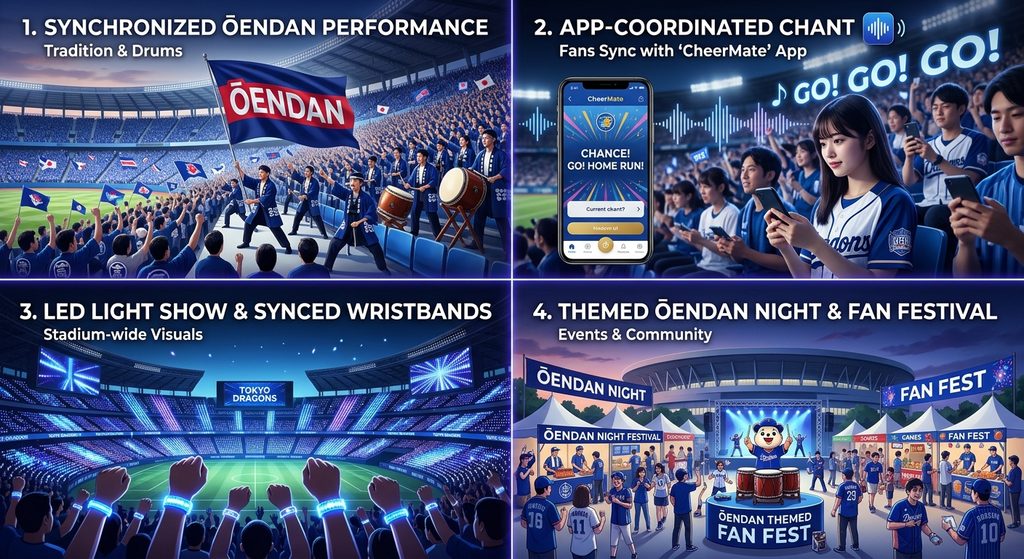
Figure 3: Modern Japanese Celebration Culture: A Visual Menu
2.2 Modern Japanese Fan Experience Innovations
- Synchronized Wristband Light Shows
- Time Span: 2010s – Present
- Description: Japanese ballparks have adopted synchronized LED wristbands that allow fans to participate in stadium-wide light displays. These innovations represent the fusion of technology and collective participation, and the Japanese talent for turning individual fans into a unified visual chorus.
- Fan Chant Apps and Digital Songbooks
- Time Span: 2010s – Present
- Description: Apps that display fight song lyrics, chant rhythms, and ōendan schedules help new fans participate in traditional rituals. These innovations represent the Japanese commitment to inclusivity and the modernization of cultural transmission.
- Social Media and Fan Community Platforms
- Time Span: 2010s – Present
- Description: Japanese fans use social media to share chants, organize ōendan gatherings, and celebrate victories. These platforms represent the extension of communal celebration beyond the stadium and the digital preservation of fan culture.
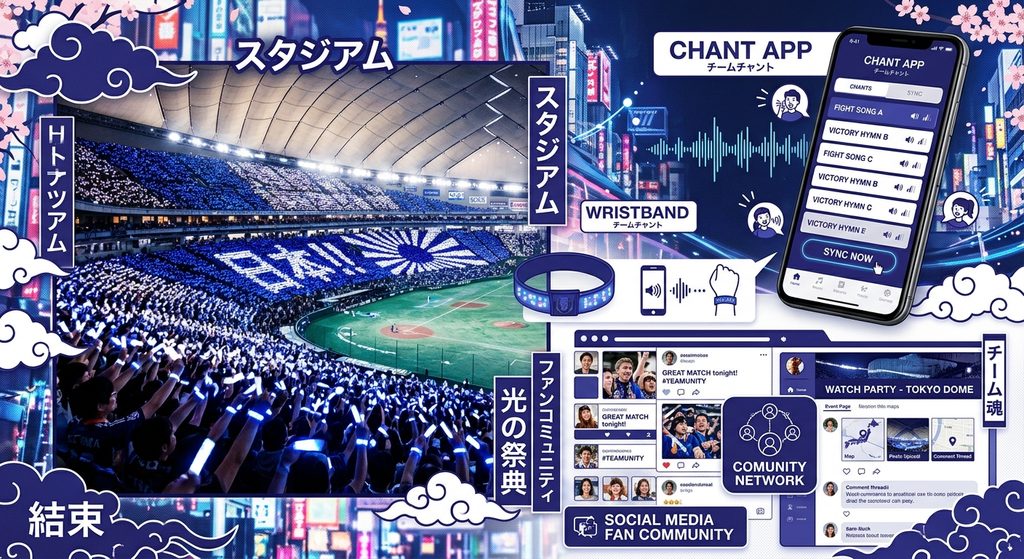
Figure 4: The Modern Japanese Fan Experience
4. Artistic Transformation
4.1 Stained Glass Art
In the Artistic Transformation section of the Baseball Art Museum, stained glass serves as the chosen medium to capture the precise beauty of Japanese baseball ceremonies. The artist’s masterful technique transforms the vibrant colors of ōendan flags, synchronized fan movements, and stadium lights into translucent panels that glow with the warmth of collective memory. The works stand as both a homage to Japanese ballpark traditions and a meditation on the intersections of sport, ritual, and light.
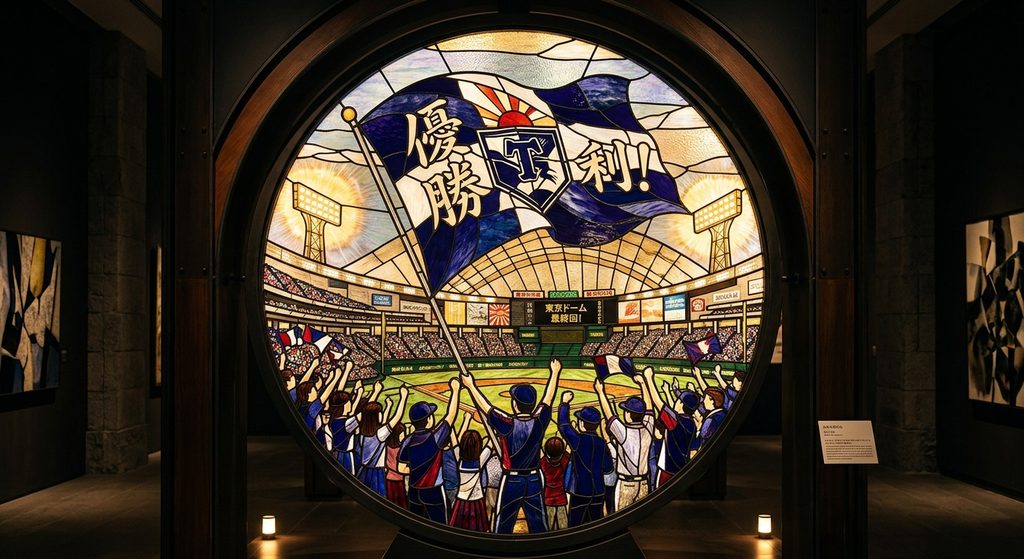
Figure 5: Stained Glass — Japanese Baseball Celebrations in Light
4.2 Mural Art
The Artistic Transformation section features mural artworks celebrating the energy and precision of Japanese ballpark celebrations. The artist captures the dynamic motion of ōendan flags, synchronized chants, and bowing players in large-scale paintings that surround the viewer.
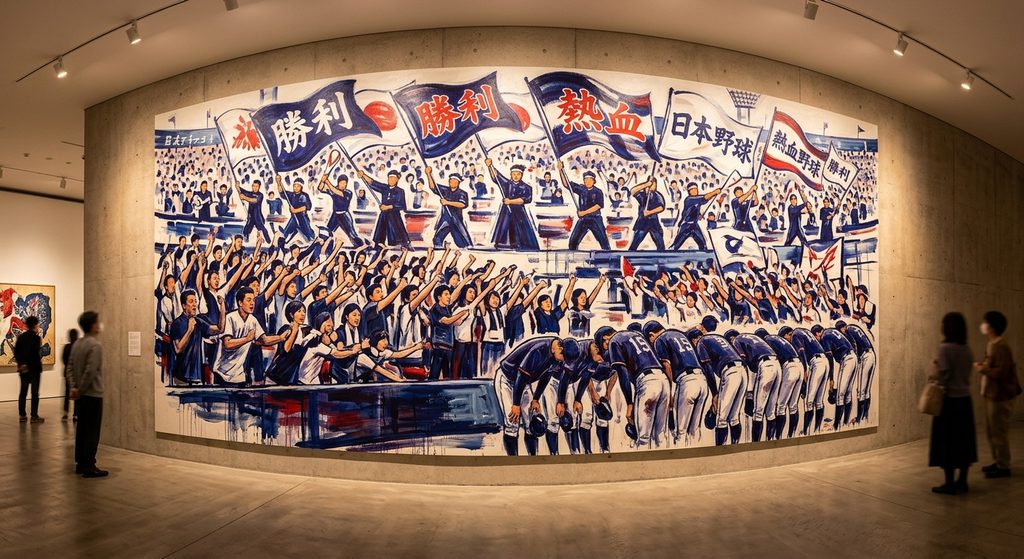
Figure 6: Mural — Japanese Ballpark Celebration in Motion
5. Education Game Zone
“Japanese Ballpark Ceremony Designer” (Interactive Game)
Players design their own Japanese pre-game ceremony by choosing elements—banner size, fight song style, ōendan formation, and player introduction order. The game rates their creation for “Harmony” and “Fan Engagement.”
“Synchronized Fan Challenge” (Board Game)
Players move through a virtual Japanese ballpark timeline, landing on different celebration moments. Each stop presents trivia about Japanese baseball rituals, from ōendan history to fight song traditions. Answering correctly earns “Harmony Points.”
“Ōendan Rhythm Sensory Experience”
A guided sensory station where participants experience the sounds of ōendan drums, synchronized chants, flag waving, and stadium celebrations from Japanese baseball culture.
6. Test Prep Education Zone
This section provides structured practice for standardized test skills, using the gallery’s cultural content as source material.
Reading Comprehension: “The Ōendan as a Cultural Institution”
A short passage examines the history and social function of the ōendan cheer squad, from its postwar origins to its modern role in stadium culture. Students answer multiple-choice questions on main idea, supporting details, inference, and author’s purpose, with an emphasis on distinguishing between stated facts and implied meaning.
Evidence-Based Questions: “Coordinated Chants and Group Harmony”
Students read a brief excerpt on the Japanese concept of wa (harmony) and its expression in baseball cheering. Questions ask students to identify which lines from the passage best support a given claim—mirroring the evidence-based reading format used in standardized tests.
Data Interpretation: “The Growth of Ōendan Culture”
Students analyze a line graph showing the growth of organized ōendan sections in Japanese professional baseball from 1950 to the present, alongside a bar chart of fan participation rates. Questions ask students to interpret trends, draw conclusions, and evaluate whether the data supports a given statement.
Vocabulary in Context: “Words of Precision and Respect”
Students read sentences drawn from the gallery text and choose the best meaning of underlined words such as synchronized, collective, reverence, and acknowledgment based on context. A second set of questions asks students to match vocabulary terms to their correct definitions and use them in original sentences.
Writing Prompt: “Ceremony as Identity”
Students write a short analytical paragraph explaining how Japanese pre-game ceremonies reflect cultural values. The prompt includes a checklist for thesis clarity, use of evidence from the gallery, and logical organization, with a model response provided for self-assessment.
Note: This is not affiliated with, endorsed by, or sponsored by the College Board or the SAT.
Reference
- Fujimoto, S. (2020). Ōendan: Japanese fan culture and collective identity. Journal of Asian Sports Studies, 15(2), 88–105.
- Anderson, K. J. (2022). Ceremony and spectacle: A cultural history of baseball rituals. University of Chicago Press.
- Chen, Y. J. (2023). Fireworks and fortune: Taiwanese baseball celebration traditions. Asian Baseball Review, 18(3), 210–228.
- Smithsonian Institution. (2022). The art of celebration: Baseball’s ceremonial traditions. Government Printing Office.
- Wilson, P. R. (2019). Light and color: Artistic representations of sports celebrations. Art Book Co.
- Japanese Baseball Hall of Fame and Museum. (2021). Ōendan and the culture of Japanese baseball cheering. Tokyo: Baseball Magazine Sha.