1️⃣ Exhibit Name
“Kattobase!” Banner (Japanese: かっとばせ)
2️⃣ Collection & Image
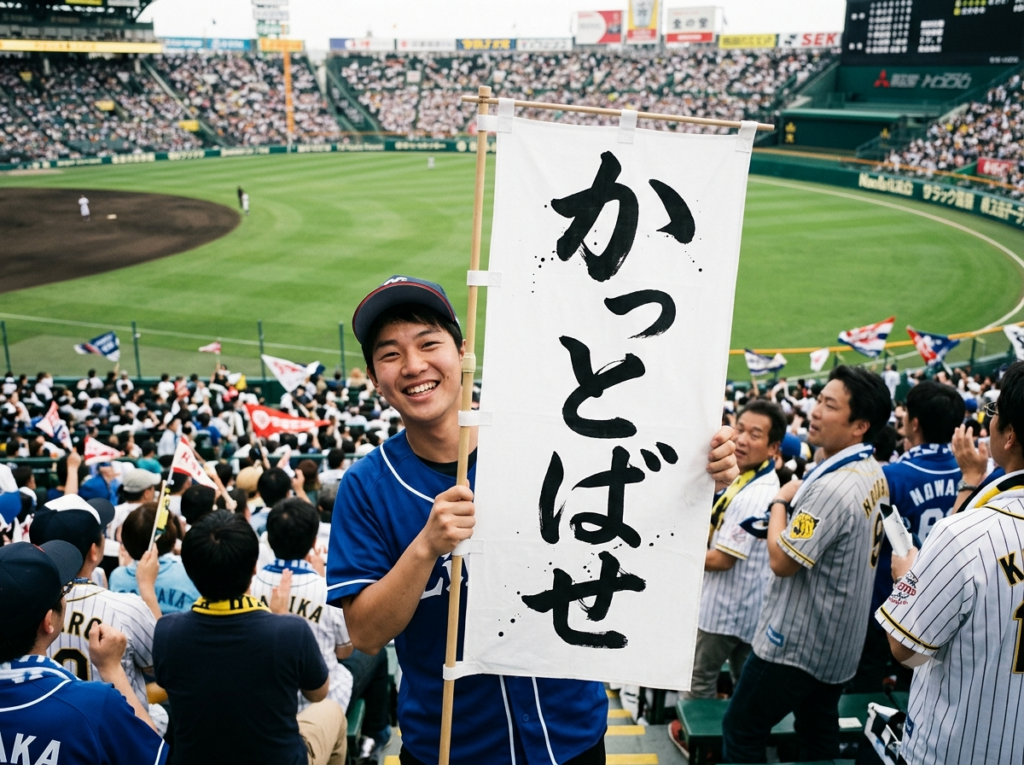
Figure 1. “Kattobase!” Banner – Camera Photo Style
A vertical cloth banner with bold brush calligraphy reading “かっとばせ” (Kattobase), meaning “Hit it out!” or “Blast it!”
3️⃣ Gallery Location
Fan Culture Wing › Signs Hall › Japan Gallery
4️⃣ Exhibit Background
The “Kattobase!” banner is the most common fan sign in Japanese baseball. Written in bold, dynamic brush calligraphy on a vertical cloth (nobori), it encourages the batter to hit a home run. The word “Kattobase” (かっとばせ) is an emphatic, colloquial command – stronger than “hit it” – often translated as “Blast it!” or “Smash it out!” Unlike American signs, which are often held by individual fans, Japanese “Kattobase!” banners are typically part of coordinated displays by the Ōendan (cheering squad). The banners are waved rhythmically in unison, creating a striking visual effect.
The tradition emerged in the 1950s alongside the formation of organized cheering sections in Nippon Professional Baseball (NPB). The calligraphy style varies by team; some use standard gothic fonts, but traditional semi‑cursive (gyōsho) or grass script (sōsho) is preferred for its energetic, flowing strokes.
5️⃣ Period & Location
- Period: 1950s – present
- Location: Nippon Professional Baseball (NPB) stadiums (e.g., Koshien Stadium, Tokyo Dome, Meiji Jingu Stadium), and high school baseball (Koshien tournament)
6️⃣ Material & Dimensions
- Material: Nylon or polyester cloth (weather‑resistant), sometimes cotton for indoor displays
- Dimensions: Typically 2’ × 5’ (60 cm × 150 cm) or larger for Ōendan use
- Lettering: Brush calligraphy – black or team‑color ink on white or team‑color background
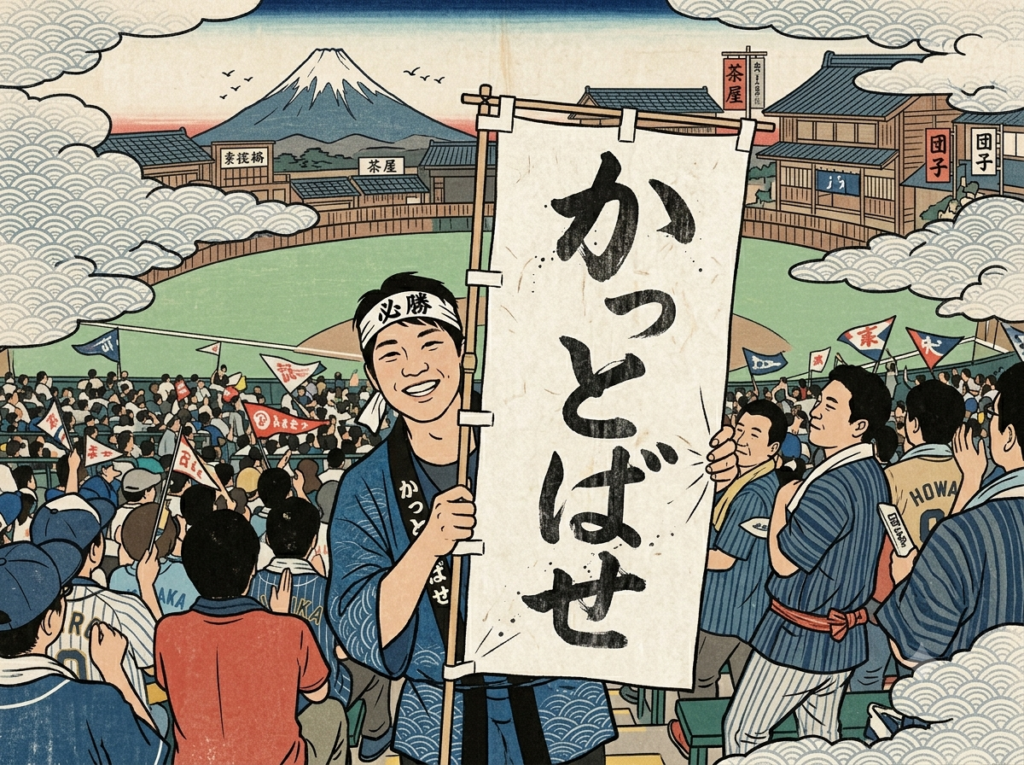
Figure 2. “Kattobase!” Banner – Ukiyo‑e Style
A traditional Japanese woodblock print of a fan waving a “Kattobase!” banner, with Edo‑period aesthetics.
7️⃣ Narrative Story
The Birth of the Ōendan Banner
In the 1950s, Japanese baseball fandom formalized into organized cheering squads (Ōendan). Unlike spontaneous American cheering, Ōendan performances are choreographed – including songs, drum beats, and synchronized flag waving. The “Kattobase!” banner became the centerpiece of these performances. When the home team’s star batter approaches the plate, the Ōendan leader raises a large “Kattobase!” flag, and the entire squad follows with smaller versions.
The Calligraphy as Art
Japanese fans treat the banner’s calligraphy with respect. Many banners are hand‑painted by professional calligraphers or skilled fans. The character “か” (ka) is often written with a sweeping, aggressive stroke to convey power. Some teams, like the Hanshin Tigers, use a distinctive orange‑and‑black color scheme; others, like the Yomiuri Giants, prefer orange‑and‑white. The quality of the calligraphy is a source of pride. Teams occasionally hold banner design contests for fans.
Koshien and the “Kattobase!” Echo
During the National High School Baseball Championship (Summer Koshien), “Kattobase!” banners fill the stands. High school players are amateurs, but the cheering is professional. The banners are often homemade – students paint their own “Kattobase!” on bedsheets. The emotional peak of a Koshien game is when a batter from a underdog school hits a home run; the “Kattobase!” banners wave wildly, and the stadium erupts.
Cross‑Cultural Influence
In the 2000s, NPB teams began playing exhibition games in the United States. Japanese fans brought “Kattobase!” banners to American ballparks, confusing some American fans but delighting others. The phrase has since appeared on T‑shirts, stickers, and social media hashtags (#かっとばせ). It has become a global symbol of Japanese baseball fandom.

Figure 1. “Kattobase!” Banner – Ice Sculpture Style (Sculpture Arts)
Crystalline ice carving of a Japanese fan banner, with frozen calligraphy glowing under blue light.
Think About It
- How does the “Kattobase!” banner differ from American home‑run signs (e.g., “We Want a Hit!” or “Home Run Count”)?
- Why do Japanese fans emphasize calligraphy rather than block letters?
- What does the coordinated waving of banners tell you about Japanese cultural values (group harmony, discipline)?
8️⃣ Current Status & Applications
- Status: The “Kattobase!” banner remains a staple of NPB games and high school baseball tournaments.
- Applications: The phrase appears on official team merchandise (towels, flags, T‑shirts). It is also used as a rallying cry on social media during NPB playoff games.
- Suggested companion exhibits: Display alongside Ōendan uniform pieces, taiko drums, and other Japanese fan signs (e.g., “Ganbare!”).
9️⃣ Significance & Educational Value
- Significance: The “Kattobase!” banner represents the fusion of traditional Japanese calligraphy with modern sports fandom. It is a visual and verbal rallying point that unifies the crowd.
- Educational value: Encourages visitors to compare cross‑cultural fan expressions and appreciate the artistic dimensions of baseball cheering.
🔟 References
- Ōendan: The art of Japanese baseball cheering. Nippon Professional Baseball official guide, 2018.
- Koshien tournament fan traditions. Asahi Shimbun, 2019.
- Japanese fan signs and calligraphy. Baseball Hall of Fame Japan, 2020.
- “Kattobase!” – The phrase that powers NPB. The Japan Times, 2017.