
1️⃣ Exhibit Name
Ōendan Team Flag (Oendan hata)
2️⃣ Collection & Image

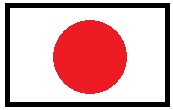
Figure 1. Ōendan Team Flag – Camera Photo Style
A large rectangular flag bearing the team’s name or emblem in traditional Japanese style, waved in unison by the organized cheering squad (Ōendan).
3️⃣ Gallery Location
Fan Culture Wing › Signs Hall › Japan Gallery
4️⃣ Exhibit Background
The Ōendan Team Flag (Ōendan hata) is a large rectangular flag displaying the team’s name, emblem, or a motivational phrase in traditional Japanese calligraphy. Unlike individual fan signs, these flags are standardized within each cheering squad and are waved in unison during specific moments – when the team takes the field, after a scoring play, or during a critical at‑bat. The flags are attached to lightweight poles, allowing for synchronized waving patterns.
The tradition dates to the 1950s, when organized Ōendan (cheering squads) formed in Nippon Professional Baseball (NPB). Influenced by Japanese military and school festival banners, the Ōendan flag became a symbol of collective identity and disciplined enthusiasm. Today, every NPB team has an official Ōendan flag, and fan‑made variations are common in high school baseball.
5️⃣ Period & Location
- Period: 1950s – present
- Location: Nippon Professional Baseball (NPB) stadiums, high school baseball tournaments (Koshien), and international Japanese fan sections

Figure 2. Ōendan Team Flag – Calligraphy Art Style
A pure brush calligraphy piece of the team name as it would appear on the flag.
6️⃣ Material & Dimensions
- Material: Polyester or nylon for outdoor use; sometimes cotton for indoor displays
- Dimensions: Typically 3’ × 5’ (90 cm × 150 cm) for handheld flags; larger versions (5’ × 8’) for banner displays
- Design: Team name in kanji (e.g., 巨人 for Yomiuri Giants, 阪神 for Hanshin Tigers) or team emblem (e.g., tiger, giant, carp), often with a rising sun or traditional geometric border
7️⃣ Narrative Story
The Birth of the Ōendan Flag
In the early years of NPB, cheering was spontaneous. But as fan culture formalized, groups like the “Tokyo Giants Supporters’ Club” (1949) began creating uniform flags to distinguish themselves. The first Ōendan flags were simple – the team name in black ink on a white cloth. By the 1960s, flags had evolved into colorful, branded items matching team colors (orange for Tigers, orange‑and‑black for Giants).
Synchronized Waving as Performance
Unlike American flags (waved randomly), Ōendan flags are choreographed. The squad leader uses a smaller flag or megaphone to direct the rhythm. Flags are raised on the first beat of a cheer song, lowered on the third, and sometimes waved in a circular motion for emphasis. The effect is mesmerizing – a coordinated sea of team colors.
The Flags at Koshien
During the National High School Baseball Championship (Summer Koshien), each school brings its own Ōendan flag. These are often hand‑painted by students, featuring the school’s name, mascot, and inspirational phrases (e.g., “目指せ甲子園” – “Aim for Koshien”). The flag is carried onto the field during the team’s march‑in ceremony. Winning schools plant their flag at the center of the diamond – a tradition borrowed from samurai battlefield customs.
Global Recognition
Japanese Ōendan flags have appeared at World Baseball Classic and MLB games when Japanese players like Shohei Ohtani play. American fans have adopted the practice, waving small “OHTANI” flags in Japanese style. The flag has become a cultural ambassador, representing Japan’s unique blend of discipline, artistry, and team spirit.
Think About It
- How does the synchronized waving of Ōendan flags differ from the individual flag‑waving in American stadiums?
- What does the use of traditional calligraphy and design on these flags tell you about Japanese respect for heritage?
- Why is the Ōendan flag often carried onto the field during ceremonies, not just waved from the stands?

Figure 3. Ōendan Team Flag – Batik Style
A wax‑resist dyed textile featuring a Japanese team flag with traditional batik patterns.
8️⃣ Current Status & Applications
- Status: The Ōendan flag is a required element of every NPB cheering section. Teams sell official Ōendan flags in their gift shops.
- Applications: The flag appears on fan merchandise (miniature flags, keychains), team promotional materials, and social media emblems.
- Suggested companion exhibits: Display alongside Ōendan uniforms, taiko drums, and the “Kattobase!” banner.
9️⃣ Significance & Educational Value
- Significance: The Ōendan flag represents collective identity and disciplined enthusiasm. It transforms individual fans into a single, moving unit – a visual manifestation of team spirit.
- Educational value: Encourages visitors to compare individualist vs. collectivist expressions of fandom across cultures.
🔟 References
- Ōendan: The art of Japanese baseball cheering. Nippon Professional Baseball official guide, 2018.
- The history of team flags in Japan. Baseball Hall of Fame Japan, 2020.
- Koshien tournament traditions. Asahi Shimbun, 2019.
- Ōendan flags as cultural artifacts. Japanese Journal of Sports History, 2015.
“This website is a non‑profit educational resource for baseball and is not sponsored or endorsed by the Players Association or any official team. All trademarks mentioned on this site are the property of their respective owners.”