

1️⃣ Exhibit Name
Player Name & Number Banner
2️⃣ Collection & Image
Figure 1 – Player Name & Number Banner – Camera Photo Style
A hand‑painted or printed banner showing a player’s last name and jersey number, often with a simple portrait.
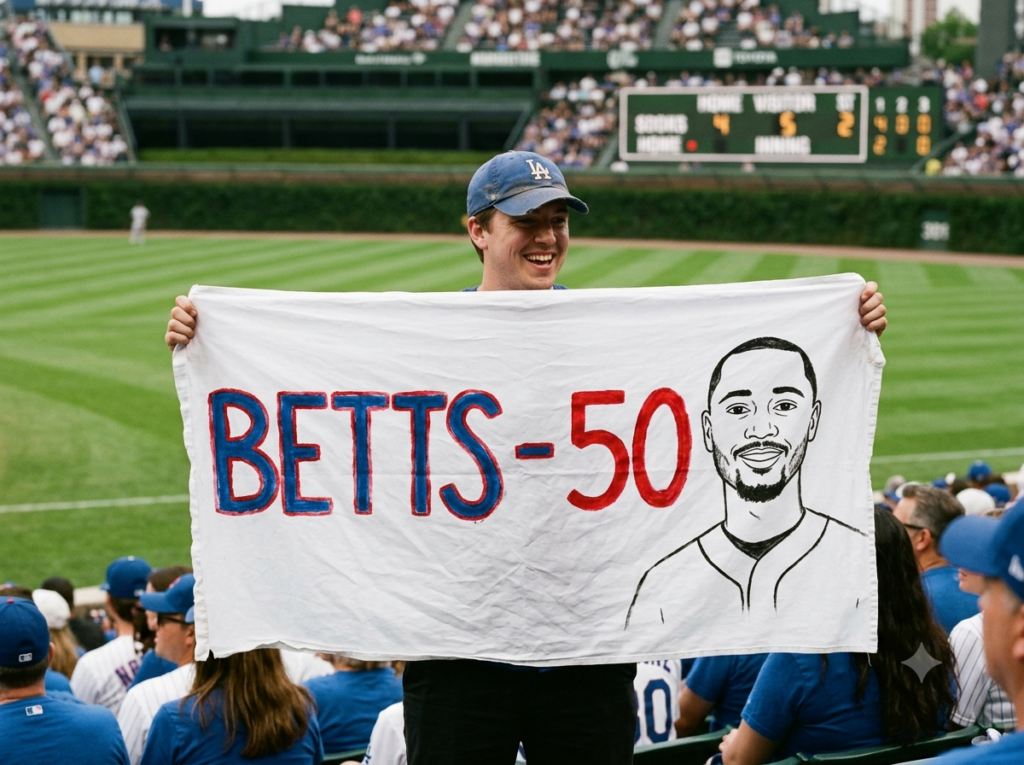
Figure 1. Player Name & Number Banner – Camera Photo
A photograph of a fan holding a hand‑painted banner that reads “BETTS – 50” with a simple portrait.
3️⃣ Gallery Location
Fan Culture Wing › Signs Hall › United States
4️⃣ Exhibit Background
The Player Name & Number Banner is a personalized fan banner that displays a player’s last name and jersey number, often accompanied by a simple portrait or team logo. Unlike the “MVP” sign (which celebrates exceptional performance), this banner is a declaration of loyalty – a fan’s way of saying “this is my favorite player, regardless of stats.” Banners range from hand‑painted bed sheets to professionally printed vinyl. They are most visible in outfield bleachers and behind home plate, where television cameras frequently capture them.
The tradition dates back to the 1960s, when fans began hanging “YAZ” (Carl Yastrzemski) and “BOOMER” (George Scott) banners at Fenway Park. By the 1970s, banners became a fixture at Yankee Stadium (e.g., “BERRA” and “MANTLE”) and Dodger Stadium (e.g., “KOUFAX”). Today, they are a universal feature of baseball fandom.
5️⃣ Period & Location
- Period: 1960s – present
- Location: Ballparks across the United States (and internationally, e.g., “MATSUI” banners in Japan)
6️⃣ Material & Dimensions
- Material: Cotton bedsheets, canvas, vinyl, plastic tarp – often repurposed materials
- Dimensions: Typically 3’ × 5’ (90 cm × 150 cm) or larger, sometimes covering entire outfield walls
- Lettering: Acrylic paint, spray paint, iron‑on letters, printed vinyl
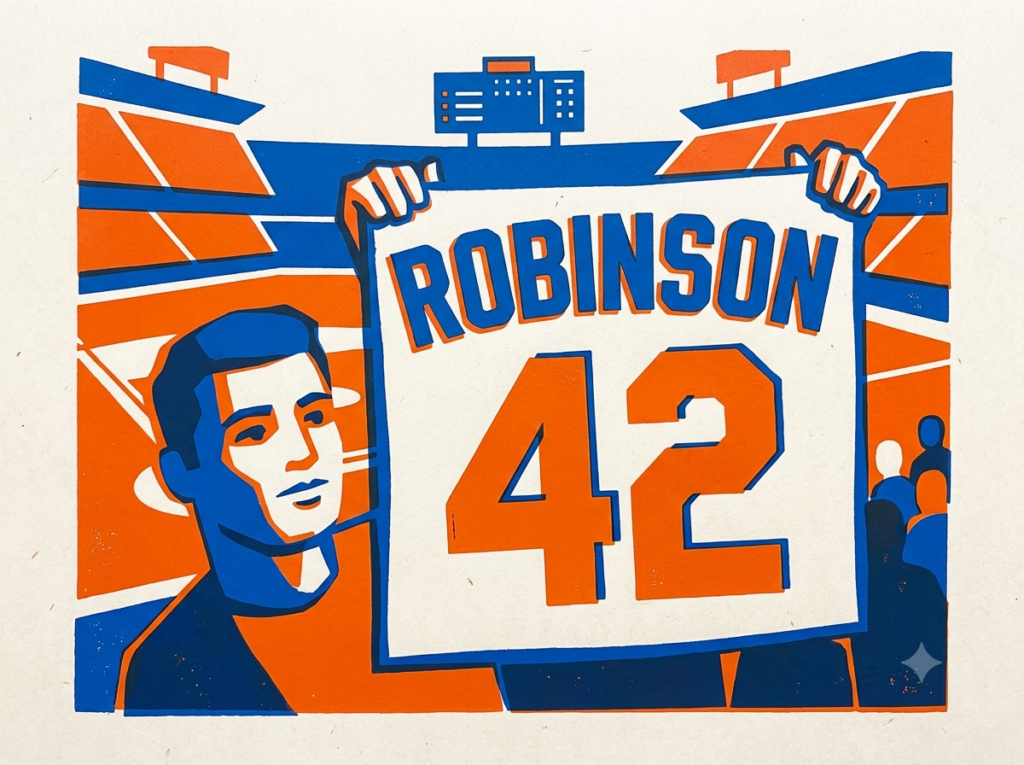
Figure 2. Player Name & Number Banner – Serigraphy Style (Printmaking Arts)
Silkscreen print featuring a fan‑held banner with player name and number, rendered in flat, vibrant colors.
7️⃣ Narrative Story
The Birth of the Banner
The modern player banner was pioneered by Boston Red Sox fans in the late 1960s. Carl Yastrzemski, a fan favorite, inspired banners that simply read “YAZ” in large red letters. The tradition spread to other teams. At Yankee Stadium, fans hung “THURMAN” for Thurman Munson and “MR. OCTOBER” for Reggie Jackson. Unlike mass‑produced signs, these banners were homemade, each with unique fonts, colors, and artwork.
The Portraits
Adding a portrait of the player became popular in the 1980s. Fans would trace or free‑hand a likeness of their hero – often from a newspaper photo or baseball card. The quality varied wildly, from surprisingly accurate to charmingly terrible. The imperfect portraits became beloved in their own right; a poorly painted face of Mike Piazza or Derek Jeter was a badge of fan effort.
The “Matsui Effect”
In the 2000s, when Japanese star Hideki Matsui joined the Yankees, Japanese fans brought a new level of artistry. Their banners featured calligraphy, anime‑style portraits, and bilingual text (English and Japanese). This cross‑cultural influence elevated the banner from simple fandom to folk art. Today, banners for players like Shohei Ohtani often combine American block letters with Japanese kanji.
Social Media Fame
In the age of social media, a clever banner can go viral. During the 2022 season, a fan held a banner that read “ARRAEZ FOR AVERAGE” (Luis Arraez, batting champion). The banner was reposted thousands of times. Banners are now part of the broadcast – camera crews actively seek them out, and players often acknowledge their favorite banners with a wave or a point.
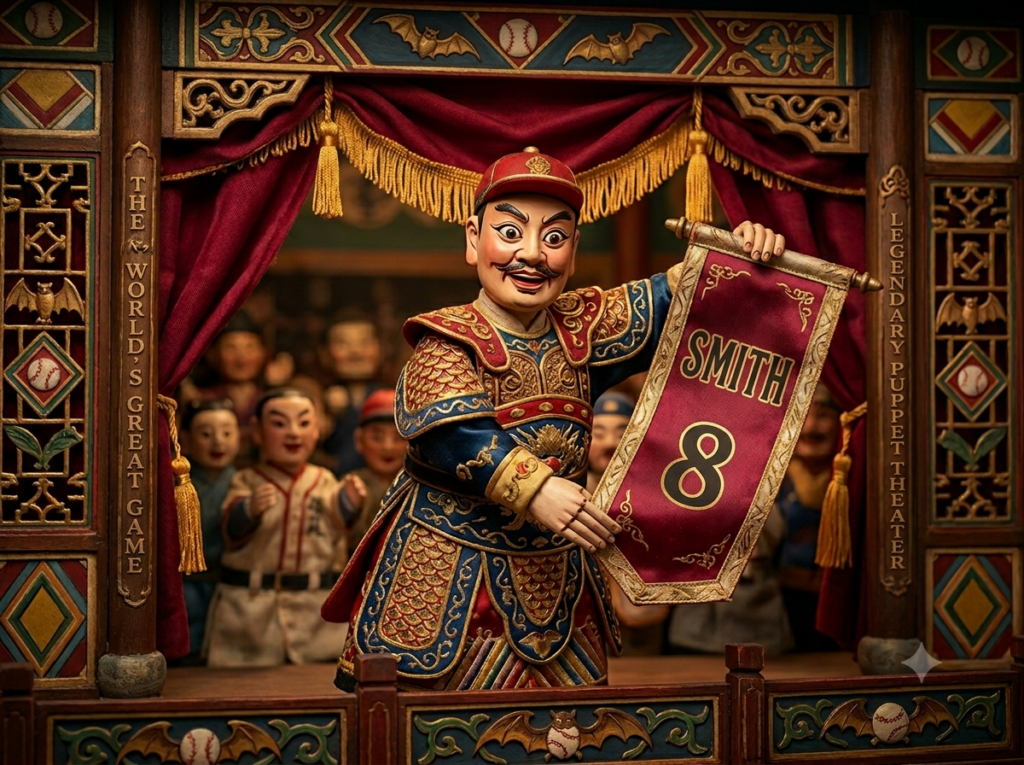
Figure 3. Player Name & Number Banner – Glove Puppetry Style (Performance Arts)
Elaborate puppet theater artwork featuring a fan-banner hybrid, merging baseball fandom with traditional Budai Xi aesthetics.
Think About It
- Why do fans choose to make a banner for a specific player rather than a general team sign?
- What does the quality of the artwork (professional vs. amateur) tell you about the fan’s relationship to the player?
- How do player banners connect generations of fans (e.g., a child holding a banner for a player their parent loved)?
8️⃣ Current Status & Applications
- Status: Player name banners are a permanent fixture in every MLB stadium, especially in outfield bleachers and foul territory.
- Applications: Teams now produce official player banners sold in gift shops. Some ballparks have “banner days” where fans can display custom banners on the outfield wall.
- Suggested companion exhibits: Display alongside actual player‑signed banners from historic games and photographs of famous banner moments.
9️⃣ Significance & Educational Value
- Significance: The player banner is the most personal of all fan signs. It requires effort, materials, and artistic skill (or at least enthusiasm). It represents individual identification with a player, not just a team.
- Educational value: Encourages visitors to consider how homemade art functions in public spaces, and how fandom drives creativity.
🔟 References
- The history of fan banners in baseball. Baseball Hall of Fame – Pride and Passion exhibit, 2019.
- “YAZ” and the birth of the Fenway banner. Boston Globe, 1975 retrospective.
- Japanese fan banners and the Matsui era. New York Times, 2004.
- Viral fan signs: The social media age. The Athletic, 2022.