

Apparel Hall · United States
From the Scorecard to the Ballpark and Beyond
Player uniform numbers have become one of the most recognizable visual traditions in American baseball. Fans associate jersey numbers with legendary players, historical rosters, broadcast tracking, and iconic sports imagery.
But the player number on the back of a jersey did not begin as a marketing or aesthetic choice. It developed out of operational necessity to help managers, umpires, scorekeepers, and fans instantly identify players on the field.
Its story is therefore a story of transformation:
Scorecards & Mental Tallies → Field Identification → Mandatory Roster Tracking → Fan Identification → Baseball Legacy
1. The Evolution of Player Uniform Numbers
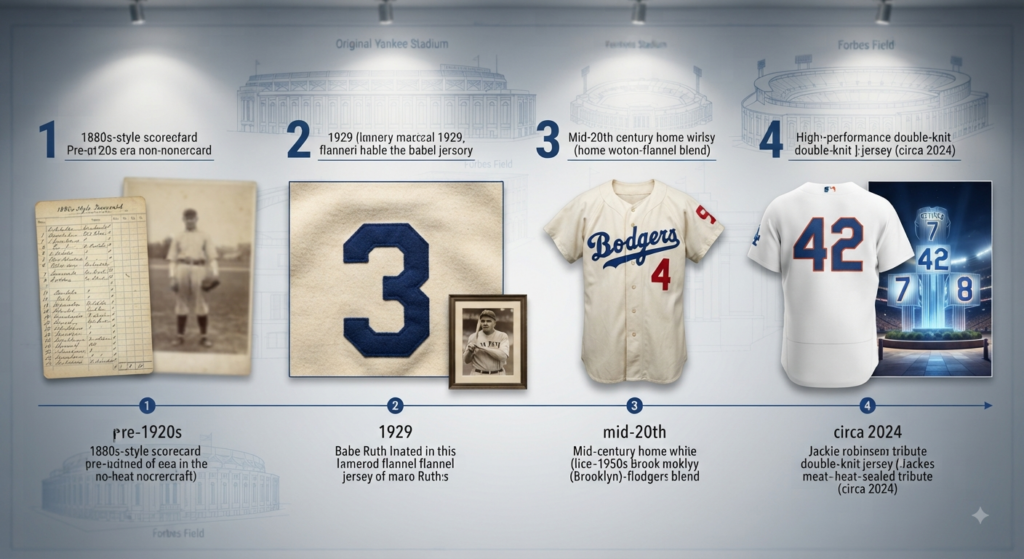
Figure 1. Evolution of Player Uniform Numbers, 19th Century–Present
A chronological museum-style display showing representative stages in the evolution of player identification, from early 19th-century scorecards and lineup sheets through the pioneering 1929 number debuts by the New York Yankees and Cleveland Indians, mandatory league adoptions, and the contemporary culture of retired numbers and fan jerseys.
2. Early Baseball and the Need for Identification
Baseball developed from earlier bat-and-ball traditions and became increasingly organized in the United States during the mid-19th century. By the 1840s and 1850s, organized clubs were forming, and baseball rules and team structures were becoming more standardized. By the 1860s, baseball was widely described as America’s national pastime.
In 1869, the Cincinnati Red Stockings became the first openly professional baseball team, and in 1871 the first professional baseball league was established. As baseball became more organized and professional, tracking individual players during fast-moving games became increasingly challenging.
- Identifying players relied on scorecards, program guides, or keeping a mental tally of batting orders.
- As ballparks grew larger and attendance surged, spectators seated far from the field struggled to distinguish one athlete from another.
Importantly, however, there is no single universally accepted early attempt at numbering players that stuck immediately; multiple experimental formats were tried before permanent numbering took root.
3. From Scorecards to Permanent Numbers on Jerseys
During the 19th and early 20th centuries, baseball uniforms featured team names, city titles, or decorative lettering, but remained devoid of individual player numbers.
The National Baseball Hall of Fame’s historical archives document various early, isolated experiments with numbering players, but the definitive breakthrough occurred in 1929.
- The 1929 Debut: The New York Yankees and the Cleveland Indians simultaneously introduced permanent numbers on the backs of their jerseys.
- The Lineup Logic: The Yankees initially assigned numbers based on a player’s typical spot in the batting order. This practice is why legendary slugger Babe Ruth wore #3 (as the third hitter) and Lou Gehrig wore #4 (as the cleanup hitter).
The number served a practical purpose:
It identified the player instantly to everyone in the ballpark.
A bold numeral could communicate a player’s identity at a glance.
4. From Field Utility to Broadcast Clarity
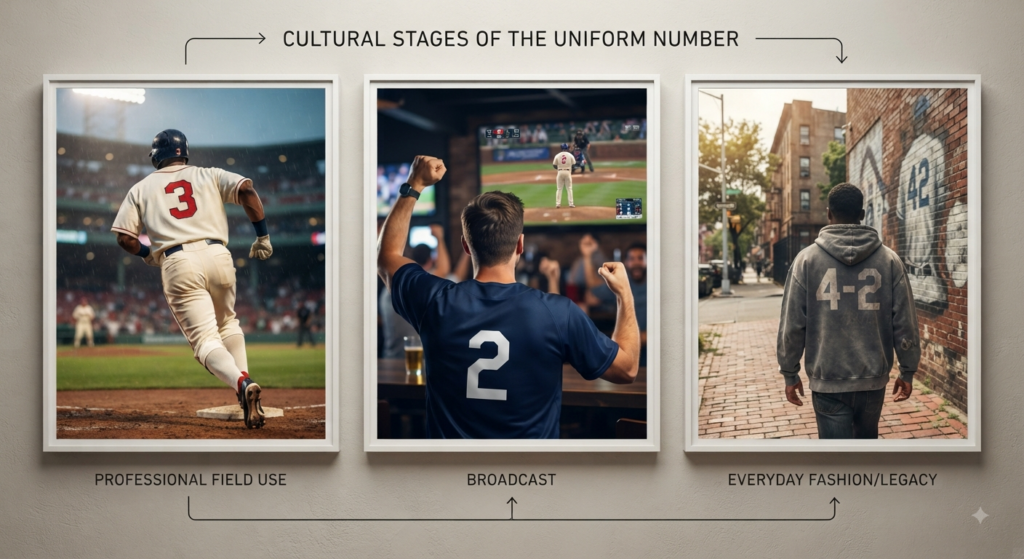
Figure 2. From the Ballpark to Broadcast and Beyond
A museum-style visual comparison showing player numbers in three stages of American culture: used as practical on-field identification for players, tracked through radio and television broadcasts by fans, and celebrated as immortalized legacy symbols on stadium walls.
5. League Mandates and Universal Adoption
The experiment by the Yankees and Indians proved immediately successful, prompting other franchises to follow suit.
- American League Adoption: Recognizing the operational value for scorekeepers and fans, the American League officially mandated numbers for all participating teams by 1931.
- National League Adoption: The National League followed shortly after, making numbers standard across all teams by 1933.
- Front Numbers (1951): In 1951, the Brooklyn Dodgers became the first team to add numbers to the front of the jersey, further improving visibility for umpires and fans viewing players from different angles.
The uniform number had transformed from a local experiment into a mandatory element of professional baseball’s visual architecture.
6. From Team Uniform to Fan Identity
As professional baseball expanded through radio, television, and national media, fans increasingly connected player numbers with athletic excellence.
A jersey can communicate a team identity, but a numbered jersey has a special advantage:
It represents a specific individual and a specific story.
Fans could wear a numbered jersey:
- At the ballpark
- While watching broadcasts at home
- In neighborhood games
- At sports gatherings
- In everyday community life
The player number became a small but powerful cultural sign. A person could celebrate an individual athlete’s legacy while supporting the collective franchise.
7. The Power of Retired Numbers
For much of the mid-20th century, numbers were assigned and reassigned based on roster changes. Over time, teams realized that certain numbers were inextricably linked to legendary careers.
- Babe Ruth (#3): The Yankees permanently retired Ruth’s number in 1948, creating the tradition of hanging retired numbers on stadium facades.
- Jackie Robinson (#42): In 1997, Major League Baseball retired number 42 across all professional teams, honoring Robinson’s historic breaking of the color barrier.
A retired number transforms physical fabric into an immortalized monument of club history and social progress.
8. Evolution Timeline
| Period | Development | Cultural Meaning |
| 1840s–1860s | Organized baseball expands in the United States | Baseball develops recognizable club and player structures |
| 1869 | Cincinnati Red Stockings become the first professional team | Professional baseball takes shape |
| Early 20th Century | Identification relies primarily on paper scorecards and programs | Spectators depend on external guides to track players |
| 1929 | Yankees and Indians pioneer permanent numbers on jersey backs | Instant on-field player identification begins |
| 1931 | American League mandates numbers for all teams | Uniform numbering becomes standardized across the league |
| 1933 | National League follows suit | Numbered jerseys become universal in Major League Baseball |
| 1951 | Brooklyn Dodgers introduce front jersey numbers | Visibility improves for umpires and fans |
| Late 20th Century | Teams begin retiring legendary numbers (e.g., Ruth, Gehrig, Robinson) | Numbers transition from roster slots to symbols of immortality |
| 2000s–Present | Replica jerseys with player numbers dominate sports merchandise | Fan culture merges personal identity with player legacy |
The early development of uniform tracking is documented by the National Baseball Hall of Fame and Museum, while institutional records track the shift from functional utility to cultural iconography.
9. Design & Composition
A traditional baseball jersey featuring a player number consists of several core elements:
- Base Fabric — provides the structural foundation and team color context
- Back Panel — serves as the primary canvas for the player’s number
- Typography & Font Style — distinctive block or script lettering unique to each franchise
- Color Contrast — ensures high visibility against home white or road gray backgrounds
Although materials have evolved from heavy wool flannels to high-performance moisture-wicking synthetics, the essential visual formula has remained remarkably recognizable:
Fabric + Team Color + Player Number = Individual \ Team Identity
10. Cultural Interpretation
The addition of player numbers to baseball jerseys represents a fascinating practical-to-cultural transformation:
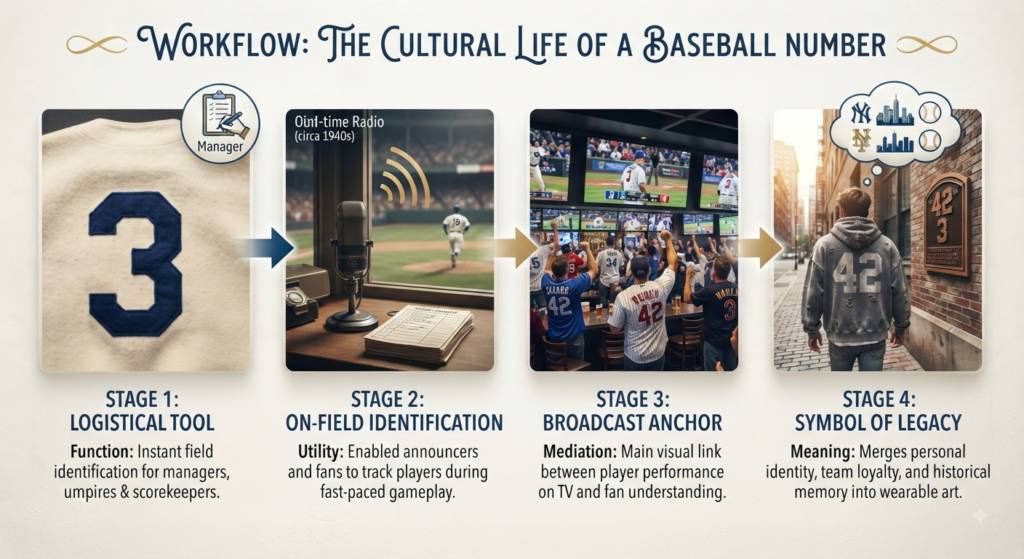
Figure 3. The Cultural Life of a Baseball Number
Its significance comes from human connection. A player number allows fans to connect a statistic, a memorable play, or an era of sports history to a tangible human being.
A fan wearing a number communicates:
“This is the player I admire.”
“This is the era of baseball I cherish.”
“This is part of my sports heritage.”
This makes the numbered baseball jersey an example of wearable cultural art and historical memory.
11. Think About It
- Why did the transition from paper scorecards to jersey numbers change the way spectators experience a live baseball game?
- How can a two-digit number (like #3, #4, or #42) evoke an entire historical era of American culture?
- Why did teams eventually decide to retire certain numbers permanently rather than reissue them to new players?
- How does wearing a jersey with a player’s number bridge the gap between individual athletic achievement and community fan loyalty?
- Can a functional numbering system created for logistics become a sacred museum artifact?
12. Current Status & Museum Relevance
Today, player uniform numbers exist in many forms across baseball culture:
- Professional on-field jerseys
- Fan replica jerseys
- Customizable fan apparel
- Historic throwback reproductions
- Retired monument displays
The National Baseball Hall of Fame and Museum preserves historically significant jerseys and numbered artifacts, demonstrating that clothing can document legendary athletes, milestone moments, and structural shifts in baseball history.
The player number has therefore become both:
a functional sports component and a cultural artifact.
13. Museum Significance
- Historical Significance: The adoption of player numbers in 1929 reflects baseball’s adaptation to growing stadiums, media broadcasts, and the need for clear operational efficiency.
- Cultural Significance: It demonstrates how individual athletes emerged from anonymous team rosters to become cultural icons recognized instantly by a single number.
- Legacy Significance: The tradition of retiring numbers transforms everyday athletic digits into permanent symbols of franchise history and sports excellence.
- Artistic Significance: The careful selection of typography, color contrast, and back-panel placement turns a utilitarian tracking number into an enduring visual design.
- Educational Significance: The exhibit shows visitors that baseball history is preserved not only through box scores and record books, but through the visual markers worn on the field.
14. Key Idea
From the Scorecard to the Ballpark and Beyond
Player numbers began as a practical solution to a logistical problem.
They became a vital tool for tracking athletes on the field and over the airwaves.
They evolved into symbols of individual greatness and team heritage.
And eventually, they became a core way fans express loyalty and connection to the game.
A player number does not simply show who is on the field.
It tells the story of who left their mark on the game.
References
- National Baseball Hall of Fame and Museum. “Taking the Field.” Documents the evolution of baseball equipment, uniforms, and structural changes in the early 20th century.
- Library of Congress. “Baseball Americana.” Provides historical context for the organization and expansion of professional baseball during the interwar period.
- National Baseball Hall of Fame and Museum. Research records on the 1929 New York Yankees and Cleveland Indians uniform numbering initiatives.