
1️⃣ Exhibit Name
“Sayonara” Victory Sign (Japanese: サヨナラ)
Used only when the home team wins with a walk‑off hit.
2️⃣ Collection & Image

Figure 1. “Sayonara” Victory Sign – Camera Photo Style
A fan holding a sign reading “サヨナラ” (Sayonara) as the winning run crosses the plate.
3️⃣ Gallery Location
Fan Culture Wing › Signs Hall › Japan Gallery
4️⃣ Exhibit Background
The “Sayonara” victory sign is a unique Japanese fan sign displayed only when the home team wins with a walk‑off hit (a hit that ends the game). The word “サヨナラ” (Sayonara) means “goodbye” – the visiting team goes home, and the game is over. Unlike American walk‑off celebrations (fans cheering, players mobbing the hero), Japanese fans often hold up “Sayonara” signs in a moment of poetic finality.
The tradition emerged in the 1960s as NPB games became more dramatic. The term “Sayonara home run” was coined by Japanese sportswriters. The sign is typically white with black or red letters, sometimes decorated with a setting sun or fading cherry blossoms – symbols of transient beauty.
5️⃣ Period & Location
- Period: 1960s – present
- Location: Nippon Professional Baseball (NPB) stadiums, high school baseball (Koshien)
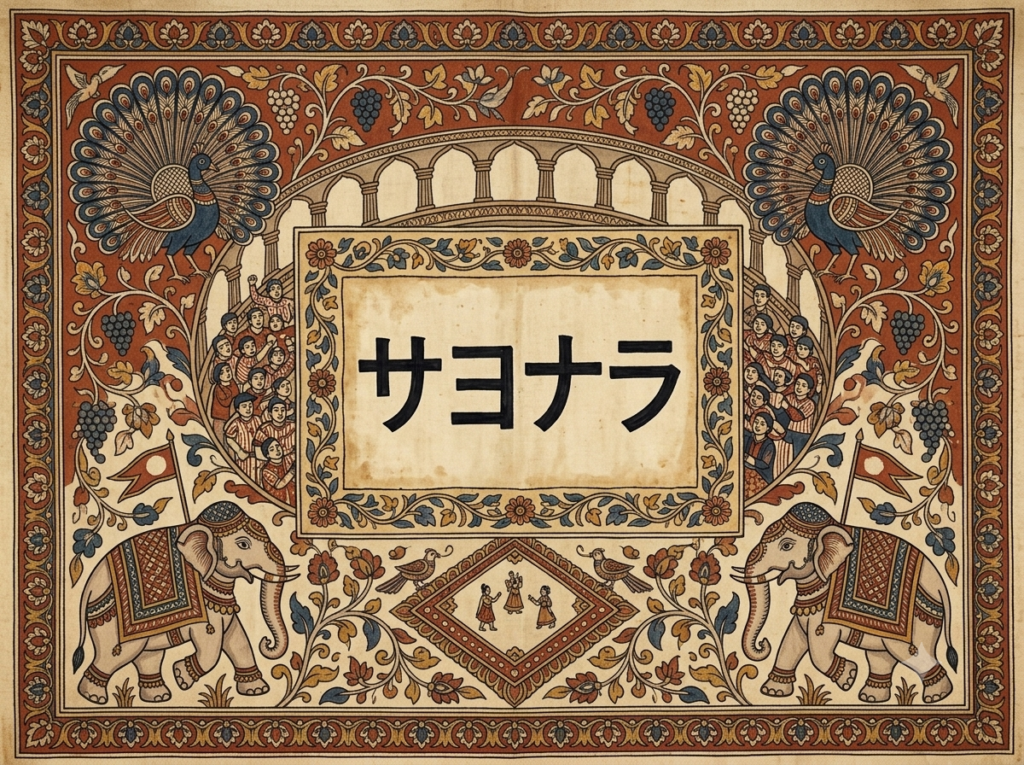
Figure 2. “Sayonara” Victory Sign – Kalamkari Style
A hand‑painted textile using natural dyes, depicting the “Sayonara” sign within intricate floral and mythological motifs typical of Kalamkari art.
6️⃣ Material & Dimensions
- Material: Cardboard, foam board, cloth – often handmade
- Dimensions: Typically 12″ × 24″ (30 cm × 60 cm)
- Lettering: Bold katakana – “サヨナラ” in black, sometimes with a red “勝” (victory)
7️⃣ Narrative Story
The Birth of “Sayonara” in Baseball
The term “Sayonara home run” was popularized in the 1960s by Japanese journalist Yukio Aoshima (also a comedian and politician). The word captured the bittersweet beauty of a sudden, game‑ending victory – like a final goodbye that is also a celebration.
The Sign’s Etiquette
Unlike “Kattobase!” (aggressive) or “Ganbare!” (encouraging), the “Sayonara” sign appears only after the game ends. Fans do not wave it during the game. When the winning run scores, thousands of “Sayonara” signs pop up simultaneously – a silent, visual explosion.
The Setting Sun Motif
Many “Sayonara” signs include a stylized red sun (Japan’s national symbol) setting on the horizon – metaphorically sending the visiting team into the sunset. This design echoes classic Japanese paintings of Mount Fuji with a setting sun.
High School Baseball and Sayonara
At Koshien, a “Sayonara” win is the most dramatic ending. The losing team’s players often collapse on the field in tears. The winning team’s fans hold up “Sayonara” signs not in mockery but in respectful farewell – acknowledging the losers’ effort.
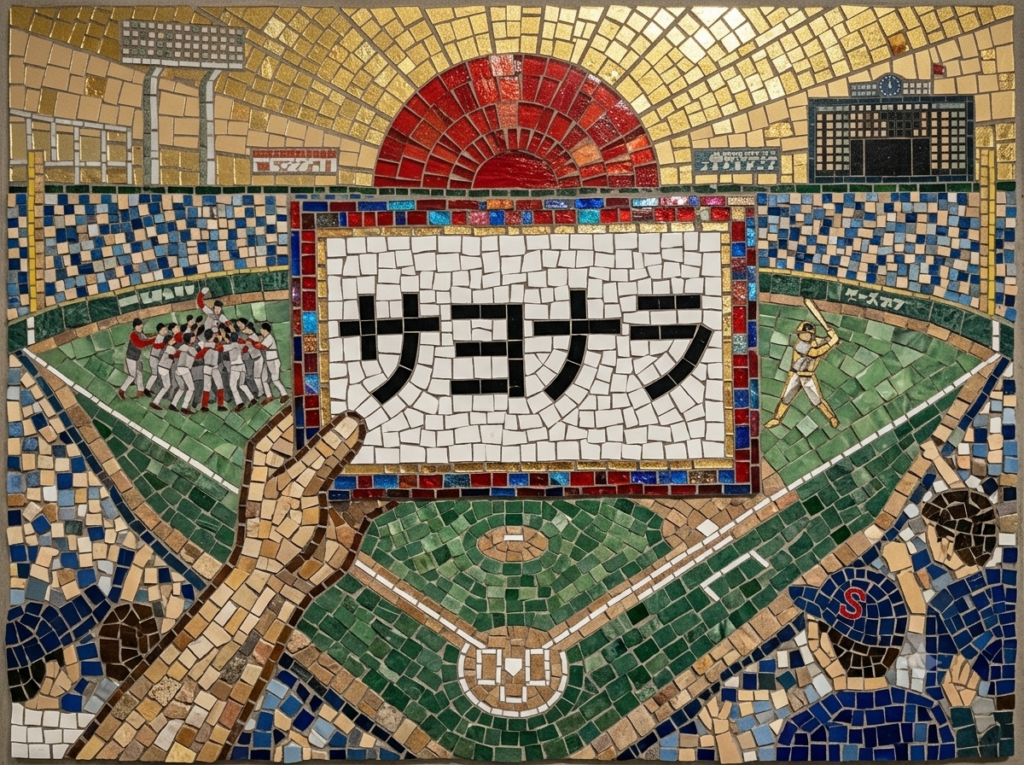
Figure 3. “Sayonara” Victory Sign – Mosaic Art Style
A shimmering mosaic made of tiny colored tiles (tesserae), depicting the “Sayonara” sign with a setting sun and a baseball diamond.
Think About It
- Why do Japanese fans use a word meaning “goodbye” to celebrate a victory?
- How does the “Sayonara” sign differ from an American “walk‑off” celebration sign (e.g., “Ballgame!”)?
- What does the setting sun motif add to the meaning of the sign?
8️⃣ Current Status & Applications
- Status: The “Sayonara” sign is a beloved tradition in NPB and high school baseball.
- Applications: The word “Sayonara” appears on victory towels, post‑game merchandise, and social media hashtags (#サヨナラ勝ち).
- Suggested companion exhibits: Display alongside “Kattobase!” banner (aggressive) and “Ganbare!” sign (encouragement).
9️⃣ Significance & Educational Value
- Significance: The “Sayonara” sign represents the Japanese aesthetic of mono no aware – the bittersweet awareness of impermanence. Victory is sweet but fleeting.
- Educational value: Encourages visitors to compare how cultures express triumph – as aggressive domination (US) or poetic farewell (Japan).
🔟 References
- The origins of “Sayonara home run”. Japanese Baseball Historical Society, 2015.
- Yukio Aoshima and baseball lexicon. Asahi Shimbun, 2005.
- Koshien sayonara moments. NHK documentary, 2018.
- Mono no aware in sports. Japanese Cultural Studies, 2012.