

The Bubbling Hot Pot on a Portable Stove
From the rising steam of a shared pot to the clink of chopsticks reaching for the same ingredients, from the portable stove set up on a folding table to the family gathered around the bubbling broth – every Taiwanese gathering has its own way of eating together. The Taiwan Gallery collects digital art for the hot pot tradition, inviting visitors to explore the conviviality, participation, and warmth that turn a simple meal into a shared ritual.
Hall Overview
In Taiwan, eating is rarely a solitary act. The hot pot – a simmering vessel of broth where diners cook raw ingredients together at the table – is the ultimate expression of Taiwanese communal dining. Everyone participates, everyone shares, and everyone waits for the same pot to bubble. Whether at a family gathering, a night market, or increasingly, at a baseball stadium, the hot pot represents a style of eating that is participatory, generous, and deeply social.
From the traditional sha-cha beef hot pot brought by Chaozhou immigrants after World War II to the modern stadium experience of eating mala hot pot in a glamping tent at Tianmu , from the portable stove set up at a family gathering to the shared broth that brings generations together – these traditions are as much a part of Taiwanese leisure culture as the game itself. This gallery celebrates the communal eating rituals of the Taiwanese hot pot through digital art.
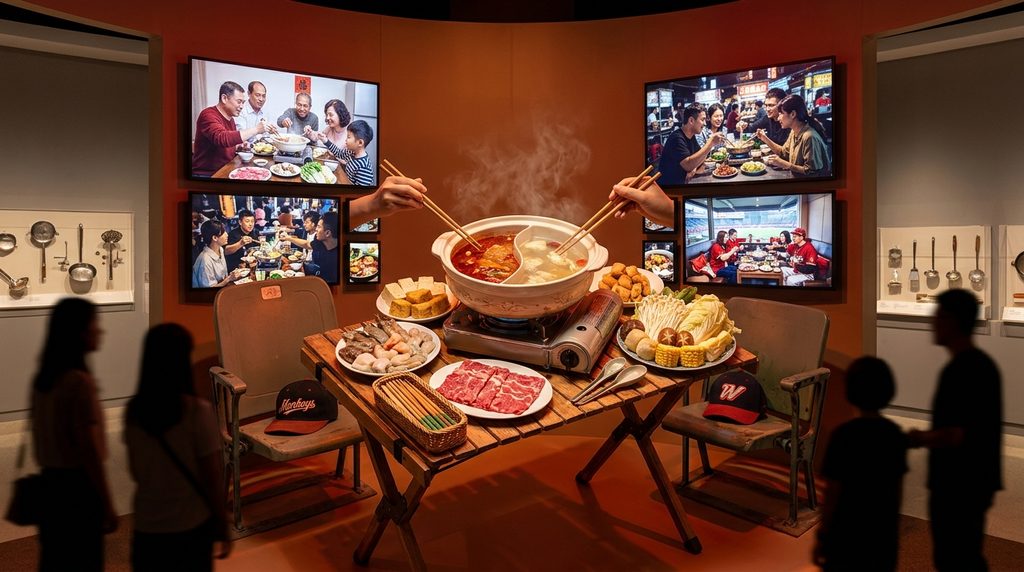
Figure 1. Taiwan Gallery – Entrance Installation
What You’ll Discover
The Taiwan Gallery explores the bubbling hot pot on a portable stove – Taiwan’s communal, convivial dining style. Here, the hot pot is more than food; it is a participatory ritual, a gesture of generosity, and a reason to sit together for hours, whether at home, at a night market, or in the stands of a baseball stadium.
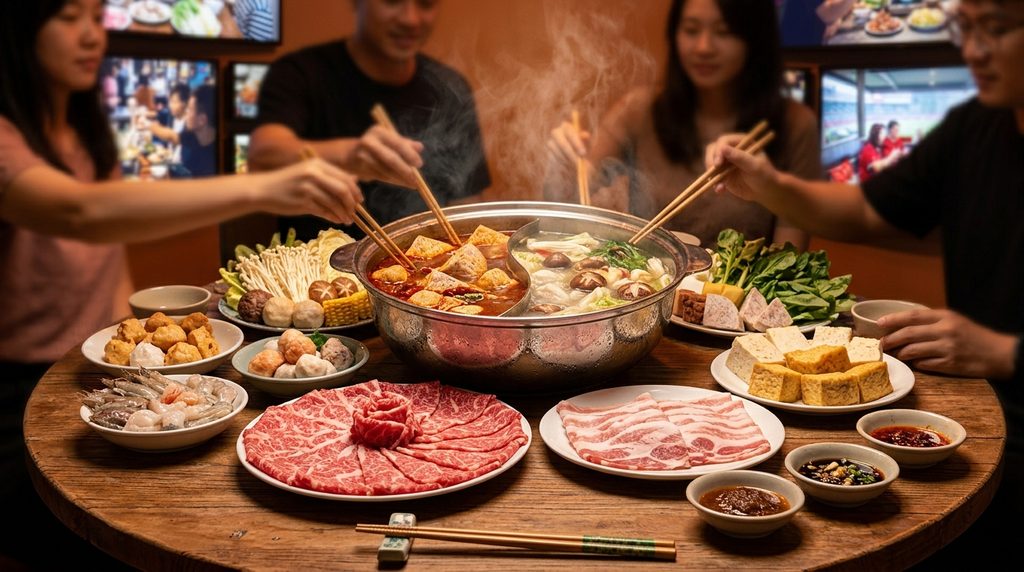
Figure 2. The Taiwanese Hot Pot Spread
Plan Your Visit
- Location: Food Cluster Wing / Communal Eating Hall / Taiwan Gallery
- Suggested Time: 15–20 minutes
- Best For: Families, food lovers, baseball fans of all ages
Why This Gallery Matters
The hot pot is the soul of Taiwanese communal dining. It does more than feed a group – it carries participation, generosity, and the joy of sharing a single, simmering moment. From the sha-cha beef hot pot brought by postwar immigrants to the modern stadium experience of eating mala hot pot under a glamping tent , from the portable stove that turns any table into a gathering place to the shared broth that brings generations together – these meals weave the warmest connections between people. They remind us that in Taiwan, baseball is not just a game played on the field, but a living culture shared around a bubbling pot.
1. Historical Communal Eating Timeline
1.1 Traditional Communal Eating: Origins, Evolution, Cultural Meaning
- The Sha-Cha Beef Hot Pot
- Time Span: 1950s – Present
- Description: Sha-cha sauce, a adaptation of Southeast Asian satay, was brought to Taiwan by Chaozhou and Shantou immigrants after World War II. These immigrants introduced “Shantou sha-cha beef hot pot” to Taipei, where it expanded throughout the city and attracted a growing following . The sha-cha hot pot represents the immigrant roots of Taiwanese food culture, the adaptation of foreign flavors into local taste, and the communal ritual of gathering around a shared pot.
- The Pickled Cabbage and Pork Hot Pot (酸菜白肉鍋)
- Time Span: 1970s – Present
- Description: Inspired by northeastern Chinese cuisine, this hot pot features a clear broth made with naturally fermented cabbage, sliced pork belly, frozen tofu, and glass noodles. It became popular in Taiwan in the 1970s, particularly at the legendary Taipower Luncheon Restaurant, which has operated for over half a century . The pickled cabbage hot pot represents the cross-strait exchange of culinary traditions and the Taiwanese ability to adapt northern flavors to local ingredients like Gaoli cabbage.
- The Stone Hot Pot (石頭火鍋)
- Time Span: Late 1970s – Present
- Description: Despite its name, the stone hot pot is a Taiwanese invention with no Korean equivalent. It features a broth made by stir-frying onions and garlic in a stone or metal pot before adding stock. Fish dumplings, another Taiwanese specialty, are an essential addition . The stone hot pot represents Taiwanese creativity, the playful invention of new traditions, and the evolution of hot pot culture beyond its regional origins.
- The Mala Hot Pot (麻辣鍋)
- Time Span: 1990s – Present
- Description: Spicy, numbing mala hot pot became a urban phenomenon in the 1990s, reflecting the growing taste for bold flavors in a fast-paced commercial society. Today, mala hot pot is a favorite of both locals and international visitors . The mala hot pot represents the diversification of Taiwanese tastes, the embrace of Sichuan flavors, and the social function of sharing a stimulating, unforgettable meal.
1.2 Traditional Communal Eating Methods: Origins, Evolution, Cultural Meaning
- The Shared Pot
- Time Span: Long-standing – Present
- Description: The central vessel where all diners cook their ingredients together is the defining feature of Taiwanese hot pot. Unlike individual portions, the shared pot requires cooperation, timing, and conversation. This method represents equality, participation, and the Taiwanese value of togetherness over individual convenience.
- The Portable Stove
- Time Span: 1970s – Present
- Description: The portable gas or electric stove allows hot pot to happen anywhere – at home, at a night market, on a folding table, or increasingly, at a stadium. This method represents Taiwanese adaptability, the democratization of communal dining, and the way technology enables tradition to travel.
- The DIY Cooking Ritual
- Time Span: Long-standing – Present
- Description: Diners cook their own ingredients, timing each item to their preference. This participatory method transforms eating into an activity, a performance, and a shared responsibility. It represents Taiwanese informality, the pleasure of active participation, and the way a meal becomes a group project.
- The Extended Gathering
- Time Span: Long-standing – Present
- Description: Hot pot meals in Taiwan are not rushed. They extend over hours, with courses added gradually and conversation flowing as freely as the broth. This method represents the Taiwanese emphasis on relationship-building, the rejection of efficiency in favor of connection, and the meal as an event rather than a transaction.
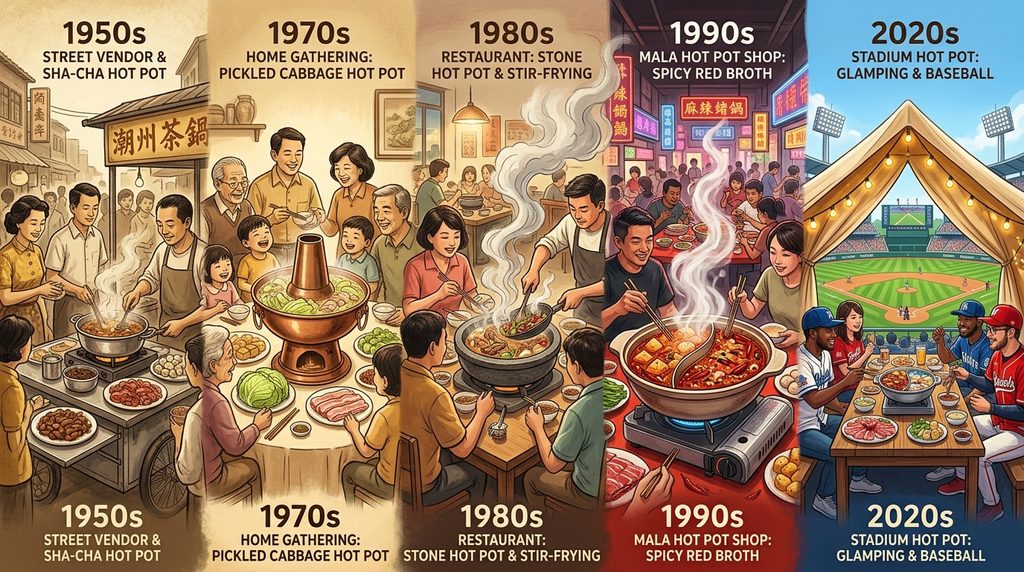
Figure 3: A Timeline of Taste: The Evolution of Taiwanese Hot Pot
2. Modern Communal Eating: Innovation & Fan Experience
2.1 Modern Communal Eating Innovations
- The Stadium Hot Pot Experience
- Time Span: 2020s – Present
- Description: Taiwan’s baseball stadiums have embraced hot pot as a premium communal dining experience. At Tianmu Stadium, the “Starry Camping Seat” offers a glamping tent with air conditioning where six people can enjoy a signature mala hot pot, nine-grid vegetable platter, and premium meats . At Rakuten Taoyuan Stadium, the “Happy Stir-Fry” area offers yin-yang hot pot and BBQ deals on weekends and holidays . This innovation represents the elevation of stadium food, the integration of communal dining with sports entertainment, and Taiwan’s creative approach to fan experience.
- The Night Market Hot Pot
- Time Span: 2000s – Present
- Description: Night markets, Taiwan’s quintessential street food institution, increasingly feature hot pot stalls where diners gather on small stools around bubbling individual or shared pots. This innovation represents the democratization of hot pot, its integration into street food culture, and the adaptability of the tradition to different settings.
- The Themed Hot Pot Restaurant
- Time Span: 2010s – Present
- Description: Modern hot pot restaurants in Taiwan compete on atmosphere, with themes ranging from retro Taiwanese nostalgia to neon-lit night market vibes. Some feature elaborate soup bases, premium ingredients, and Instagram-worthy presentations. This represents the premiumization of hot pot, the experience economy, and the continuing evolution of a tradition that remains rooted in sharing.
- The Portable Tabletop Hot Pot
- Time Span: 2020s – Present
- Description: Compact electric hot pot sets designed for home or small-space use have become popular, allowing families and small groups to enjoy hot pot anywhere. This represents the adaptation of tradition to modern living spaces and the enduring desire for communal meals even in smaller households.
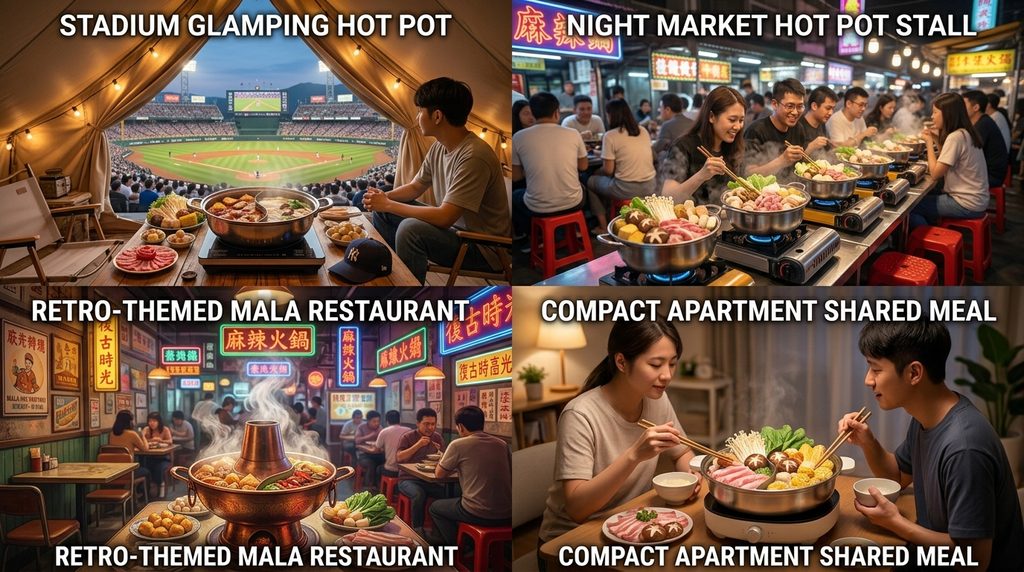
Figure 4: Hot Pot Innovation Today: A Visual Menu
2.2 Communal Eating Scenes
- The Family Gathering
- Time Span: Long-standing – Present
- Description: Multiple generations gathered around a large round table, a bubbling pot in the center, plates of raw ingredients surrounding it. Grandparents, parents, and children reach in with chopsticks, talking and laughing. This scene represents family bonds, the transmission of food traditions, and the Taiwanese value of togetherness.
- The Stadium Suite
- Time Span: 2020s – Present
- Description: Fans in a glamping tent or VIP suite, a hot pot bubbling on the table, the baseball game visible through the opening. The scene blends the intimacy of communal dining with the excitement of live sports. This scene represents the evolution of stadium entertainment, the premiumization of fan experience, and the creative integration of Taiwanese food culture with baseball.
- The Night Market Gathering
- Time Span: 2000s – Present
- Description: Friends crowded around a small hot pot stall, steam rising into the night air, the sounds of the market surrounding them. The scene is casual, affordable, and deeply social. This scene represents the accessibility of hot pot, its integration into street food culture, and the pleasure of sharing a meal in a lively public space.
- The Post-Game Meal
- Time Span: Modern – Present
- Description: After the final out, fans gather at a hot pot restaurant or at home to continue the evening. The game is discussed, the broth is refilled, and the communal meal extends into the night. This scene represents the integration of baseball into daily food rituals and the way a shared meal bookends the game-day experience.
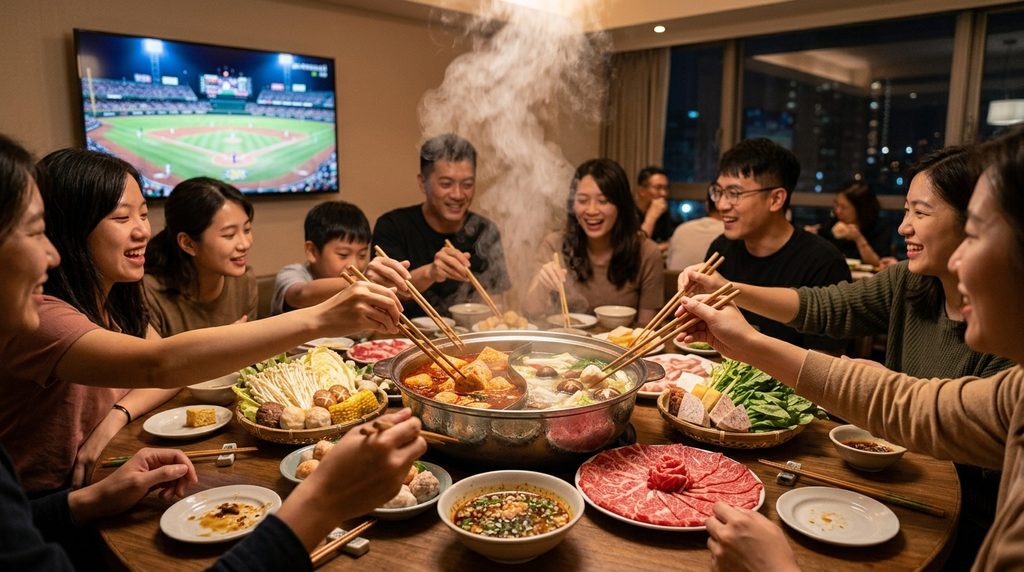
Figure 5: The Modern Taiwanese Hot Pot Scene
3. Artistic Transformation
This section showcases how the Taiwanese hot pot tradition is not just a daily practice but is woven into the cultural fabric, inspiring artists across various media—from the enduring weight of granite to the intricate detail of stone carving.
3.1 Granite Sculpture
In the Artistic Transformation section of the Baseball Art Museum, we use granite sculpture as a medium to integrate Taiwan’s iconic hot pot scenes into the setting of a baseball stadium gathering. Through meticulous techniques of carving, grinding, and polishing granite, and a profound understanding of the stone’s density, grain, and capacity for both monumental and refined forms, the sculptor skillfully combines classic hot pot elements—the bubbling pot, the plates of raw ingredients, the shared table—with baseball elements including balls, bats, gloves, and stadium seats. The cool, speckled tones of the granite and the enduring, weighty nature of the medium contrast with the ephemeral steam and conversation of the hot pot gathering the figures evoke, while the dynamic composition of the stadium scene infuses the stone with a sense of vitality and immediacy. These works are not only a tribute to Taiwan’s hot pot heritage but also symbolize the dialogue and fusion between the permanent and the fleeting, the monumental and the communal, within Taiwanese culture.
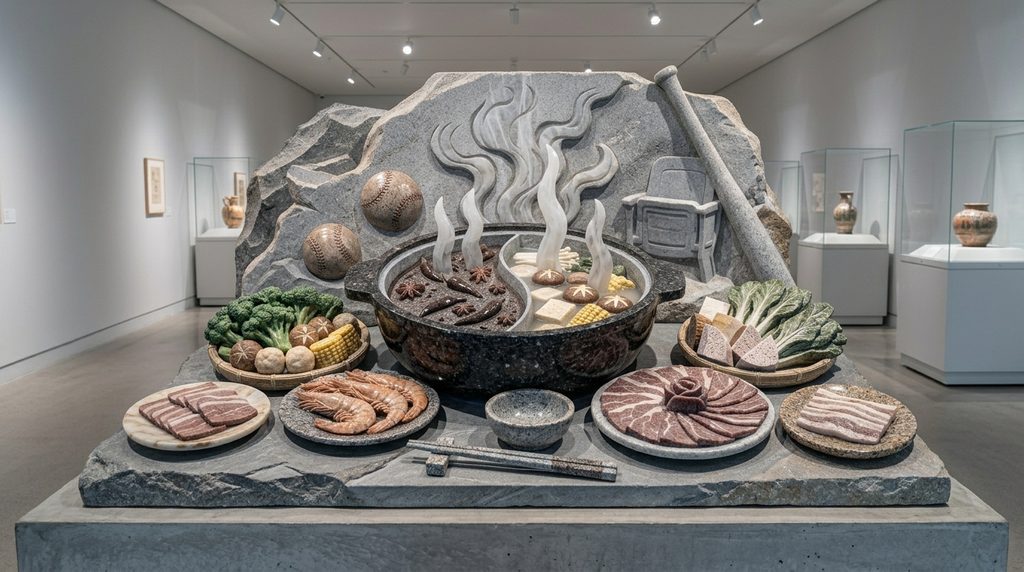
Figure 6: Granite Sculpture Artistic Transformation — Taiwanese Hot Pot Culture at the Stadium Gathering
3.2 Stone Carving
The Artistic Transformation section of the Baseball Art Museum features stone carvings that bring Taiwan’s beloved hot pot traditions into the stadium gathering setting. Using the ancient techniques of chiseling, incising, and relief carving on sandstone, limestone, and slate, the artist transforms iconic hot pot scenes—the bubbling pot, the shared table, the plates of raw ingredients—into detailed, textured stone compositions. The depth and grain of the carved stone echo the care and participation embedded in the hot pot tradition, while baseball elements such as bats, balls, and stadium seats lend rhythm and playfulness to each piece through incised detail and raised relief. Some surfaces are left rough and matte, others polished to a subtle sheen. These works celebrate Taiwanese hot pot identity, carving together memory, conviviality, and contemporary art.
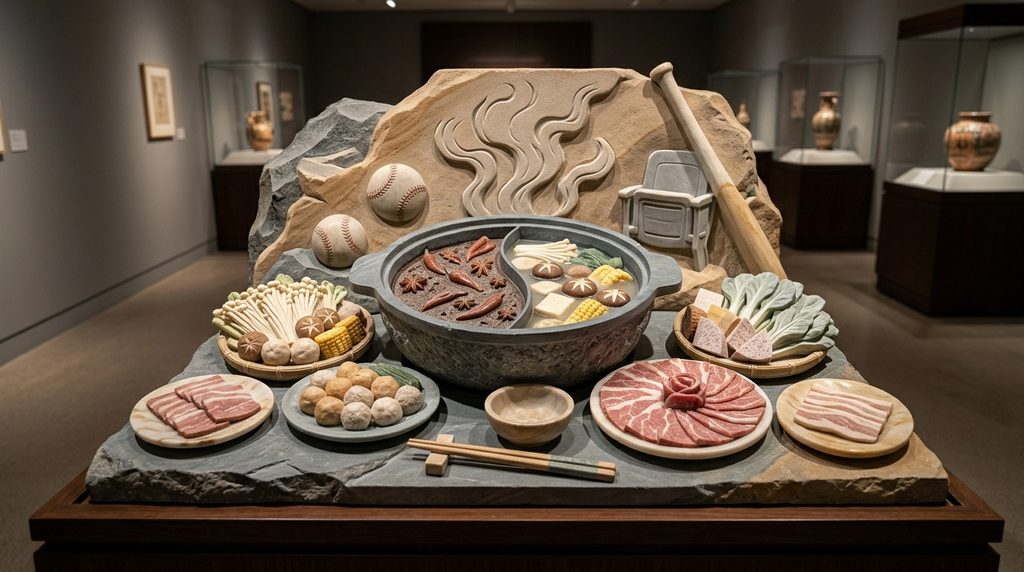
Figure 7: Stone Carving Transformation — Taiwanese Hot Pot Culture at the Stadium Gathering
4. Art & SAT Style Education
This interactive zone connects the cultural artifacts of the gallery to academic skills, particularly those relevant to standardized tests like the SAT Style.
Critical Reading: “The Social Life of Hot Pot”
An exhibit presents a short, data-rich article on the cultural and economic dimensions of hot pot in Taiwan, including the role of shared dining in community-building, the rise of stadium hot pot experiences, and the adaptation of immigrant traditions. Accompanying questions challenge students to identify the author’s central claim, analyze the use of evidence, and understand vocabulary in context.
Data Analysis: “A History in Numbers”
Students interact with digital bar graphs and line charts showing the growth of the hot pot restaurant industry in Taiwan, the number of stadiums offering hot pot experiences, and the popularity of different hot pot styles. SAT-style questions ask them to interpret the data, draw inferences, and connect quantitative trends to cultural shifts.
Vocabulary Building Wall: “Words to Savor”
A dynamic word wall displays key terms from the gallery, including: hot pot, communal, convivial, participation, sha-cha, mala, night market, glamping, shared pot, gathering.
Test Prep
Note: This is not affiliated with, endorsed by, or sponsored by the College Board or the SAT.
5. Education Game Zone
“Hot Pot Ingredient Spinner” (Spinner Game)
A large, colorful spinner wheel divided into sections representing hot pot ingredients—beef, pork, shrimp, tofu, mushrooms, leafy greens, fish balls, taro. Players spin the wheel and must place the corresponding ingredient into their virtual pot on a magnetic board. Challenge cards ask players to balance broth types, cooking times, and dietary preferences. Points are awarded for “Flavor Harmony” and “Communal Spirit,” teaching about the participatory nature of Taiwanese hot pot.
“Hot Pot Match” (Matching Game)
A tabletop matching game where players flip cards to pair hot pot ingredients with their correct broth types, cooking methods, or cultural origins. Cards feature illustrated ingredients—sha-cha beef, pickled cabbage, mala broth, fish dumplings—and players must match each item to its traditional pairing or regional history. A memory-style format reinforces knowledge of Taiwanese hot pot culture and the immigrant roots of different styles.
“Stadium Hot Pot Trivia Spin” (Spinner Game)
A stadium-themed spinner game where players spin to land on categories such as “Hot Pot History,” “Stadium Experiences,” “Night Market Culture,” or “Regional Styles.” Each spin presents a trivia question related to the gallery’s content, from the postwar origins of sha-cha hot pot to modern glamping tents at Tianmu. Correct answers earn “Broth Points,” and the first player to collect a full set wins. The game reinforces historical and cultural knowledge through friendly competition.
Reference
- 曾齡儀. (2016). 吳元勝家族與臺北沙茶火鍋業的變遷(1950~1980年代). 中國飲食文化, 12(1), 53–89.
- 曾齡儀. (2020). 沙茶:戰後潮汕移民與臺灣飲食變遷. 前衛.
- 楊程晨. (2023, February 8). 台式酸菜白肉锅:”澎湃”改良 串起他乡与故乡. 中国新闻网.
- 張貼日期. (2010, May 3). 台灣小吃–寒冬圍爐吃火鍋. Taipei Representative Office in Singapore.
- 桃園觀光導覽網. (2024). 樂天桃園棒球場.
- HouseFeel 房感. (2026, March 19). 2026 中華職棒球場美食席位全攻略.
- 新華社. (2016, October 8). 台北,遇见熬煮半世纪乡情的”酸菜白肉锅”. 海外网.
- 國家文化記憶庫. (2023). 沙茶火鍋N工格—越來越「台」的南洋沙茶在地口味卻大不同?!