
Country: Taiwan
Gallery Location: Food Cluster Wing / Vendor Culture Hall / Taiwan Gallery
Gallery Overview
Welcome to the Taiwan Gallery, a lively exploration of Taiwan’s tech-savvy and street-food-driven stadium vending culture—from the sleek electronic carts delivering snacks to seats to the creative energy of night-market-inspired vendors. This exhibit traces the journey of Taiwanese vendor culture from its roots in vibrant night markets and post-war baseball enthusiasm, through the rise of convenience-store-style service, to today’s app-based ordering and innovative stadium cuisine. Discover how innovation, efficiency, and a deep love of food have shaped a vendor culture that is modern, playful, and unmistakably Taiwanese.
1. Historical Vendor Timeline
1.1 Traditional Vendors: Origins, Evolution, Cultural Meaning
- The Night Market Vendor
- Time Span: 1950s – Present
- Description: Taiwan’s night markets—crowded, colorful, and loud—are the birthplace of its vendor culture. Vendors selling popcorn chicken, bubble tea, and grilled squid developed a style of selling that was fast, friendly, and highly interactive. When baseball grew in popularity, these night-market skills translated directly into the stadium aisles. The night market vendor represents Taiwanese entrepreneurial energy, the joy of street food, and the deep connection between food and community life.
- The Bubble Tea Cart
- Time Span: 1990s – Present
- Description: Bubble tea, invented in Taiwan in the 1980s, became a stadium staple as vendors began selling it from portable carts. With chewy tapioca pearls, creamy milk tea, and colorful straws, the bubble tea vendor brought a playful, youthful energy to the ballpark. This vendor represents Taiwanese creativity, the global influence of Taiwanese beverage culture, and the simple pleasure of a cold drink on a hot day.
- The Popcorn Chicken Vendor
- Time Span: 1980s – Present
- Description: Popcorn chicken (雞米花)—bite-sized, crispy, and heavily seasoned—is a Taiwanese night market classic that found its way into stadiums. Vendors sell it in paper cones or small bags, often with a sprinkle of pepper salt or basil. This vendor represents Taiwanese snack innovation, the love of bold flavors, and the casual, shareable nature of Taiwanese stadium food.
- The Convenience-Store-Style Vendor
- Time Span: 2000s – Present
- Description: Taiwan’s convenience stores (7-Eleven, FamilyMart) are legendary for their efficiency and variety. Stadium vendors adopted this model, offering neatly packaged snacks, drinks, and even hot food from compact carts. This vendor represents Taiwanese efficiency, the integration of everyday convenience into stadium life, and the high standard of service that fans expect.
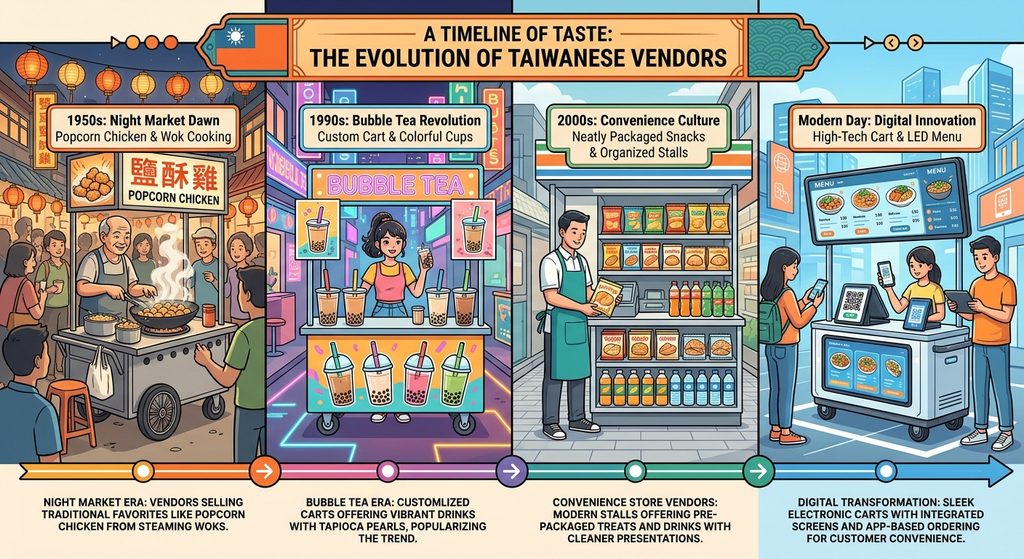
Figure 1: A Timeline of Taste: The Evolution of Taiwanese Vendors
1.2 Traditional Selling Methods: Origins, Evolution, Cultural Meaning
- The Night Market Call
- Time Span: 1950s – Present
- Description: Taiwanese vendors call out with energy and humor—”Hó-chia–ê!” (Delicious!) or “Lâi khòaⁿ–o̍h!” (Come take a look!)—using a mix of Mandarin, Taiwanese Hokkien, and playful slang. The call is fast, rhythmic, and designed to cut through the noise of a crowd. This selling method represents Taiwanese friendliness, the oral tradition of street commerce, and the performative joy of night market culture.
- The Portable Cart
- Time Span: 1980s – Present
- Description: Taiwanese vendors are masters of the portable cart—lightweight, colorful, and often customized with bright signs and menus. These carts can be set up quickly and moved easily, allowing vendors to follow crowds and adapt to stadium layouts. The cart represents Taiwanese flexibility, entrepreneurial ingenuity, and the informal, mobile nature of street food culture.
- The Sample and the Smile
- Time Span: 1990s – Present
- Description: Taiwanese vendors often offer samples—a small cup of bubble tea, a piece of popcorn chicken—along with a warm smile. This practice builds trust and encourages fans to try new things. The sample and smile represent Taiwanese hospitality, the emphasis on personal connection, and the confidence that good food speaks for itself.
- The Digital Menu Board
- Time Span: 2010s – Present
- Description: Modern Taiwanese stadium vendors use digital menu boards with bright images, prices, and even QR codes for ordering. These boards are sleek, colorful, and designed to be Instagram-friendly. The digital menu board represents Taiwan’s tech-savvy culture, the visual appeal of Taiwanese food, and the seamless integration of technology into everyday commerce.
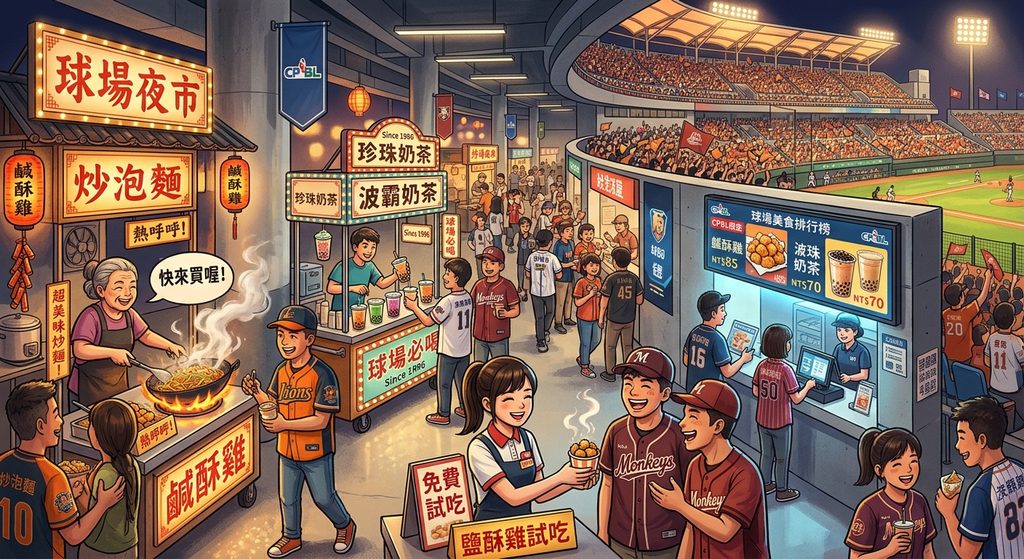
Figure 2: Iconic Vendor Methods of Taiwan’s Past: A Visual Feast
2. Modern Vendors: Innovation & Fan Experience
2.1 Modern Vending Innovations
- Electronic Carts and App-Based Ordering
- Time Span: 2010s – Present
- Description: Taiwan’s stadiums have embraced electronic carts equipped with digital displays and payment terminals. Fans can order food and drinks from their seats via smartphone apps, and vendors deliver directly to them. Some carts even have automated dispensing systems. This innovation represents Taiwan’s technological sophistication, the convenience culture of modern consumers, and the evolution of the vendor from cash-only merchant to digital service provider.
- Specialty and Gourmet Vendors
- Time Span: 2000s – Present
- Description: Beyond popcorn chicken and bubble tea, modern Taiwanese stadiums feature specialty vendors offering craft beer, artisanal tea, gourmet bentō-style boxes, and even Taiwanese-inspired fusion snacks. These vendors cater to fans seeking premium, differentiated experiences. This trend reflects Taiwan’s culinary sophistication, the craft food movement, and the willingness of stadiums to elevate the vendor experience.
- The Vendor as Social Media Star
- Time Span: 2010s – Present
- Description: Today’s Taiwanese vendors are increasingly social media personalities, with Instagram accounts, TikTok videos, and loyal followings. Some vendors have become local celebrities, known for their humor, their signature dishes, or their eye-catching carts. This evolution represents the professionalization of vending, the blurring of commerce and entertainment, and the way individuals can embody a brand’s identity in the digital age.
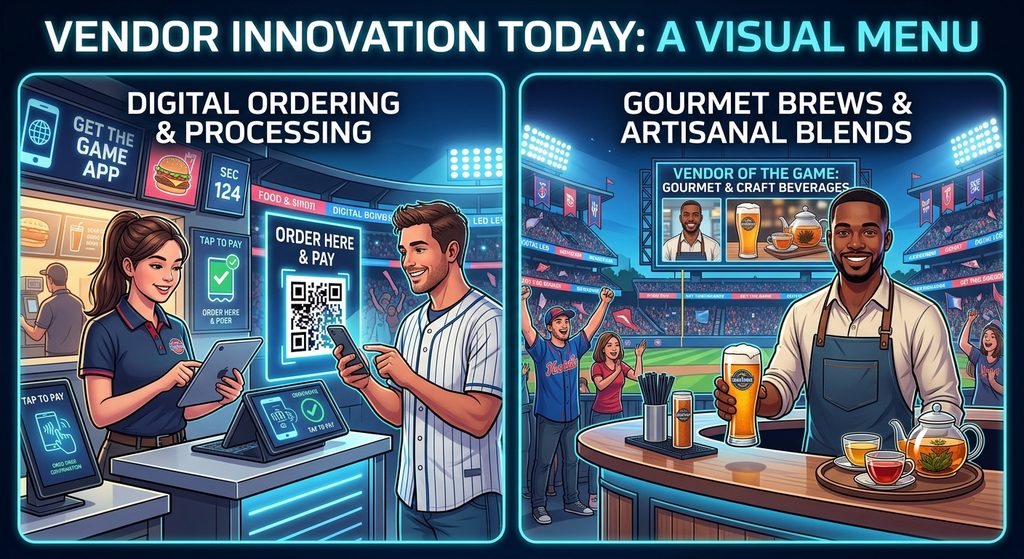
Figure 3: Vendor Innovation Today: A Visual Menu
2.2 Vendor Scenes
- The Electronic Cart Vendor
- Time Span: 2010s – Present
- Description: The electronic cart vendor navigates the stadium with a sleek, motorized cart featuring a digital display, payment terminal, and neatly organized food compartments. The vendor’s movements are efficient and precise, guided by app-based orders and real-time inventory data. This vendor represents Taiwan’s tech-savvy culture, the seamless integration of convenience and commerce, and the future of stadium vending.
- The Bubble Tea Artisan
- Time Span: 1990s – Present
- Description: The bubble tea artisan crafts each drink with care—shaking tea, measuring pearls, and sealing cups with a smile. Their carts are colorful and inviting, often decorated with playful signage and cute mascots. The bubble tea artisan represents Taiwanese creativity, the global influence of Taiwanese beverage culture, and the simple joy of a perfectly made drink.
- The Popcorn Chicken Specialist
- Time Span: 1980s – Present
- Description: The popcorn chicken specialist works quickly, frying batches of bite-sized chicken and tossing them with seasoning. The aroma draws fans from across the concourse. This vendor represents Taiwanese snack innovation, the love of bold flavors, and the casual, shareable nature of Taiwanese stadium food.
- The Night Market-Style Vendor
- Time Span: 1950s – Present
- Description: The night market-style vendor brings the energy of Taiwan’s street food scene into the stadium. With a portable cart, a steaming wok, and a playful call, this vendor offers fans a taste of night market classics—grilled squid, stinky tofu, and oyster omelets. This vendor represents Taiwanese entrepreneurial energy, the joy of street food, and the deep connection between food and community life.
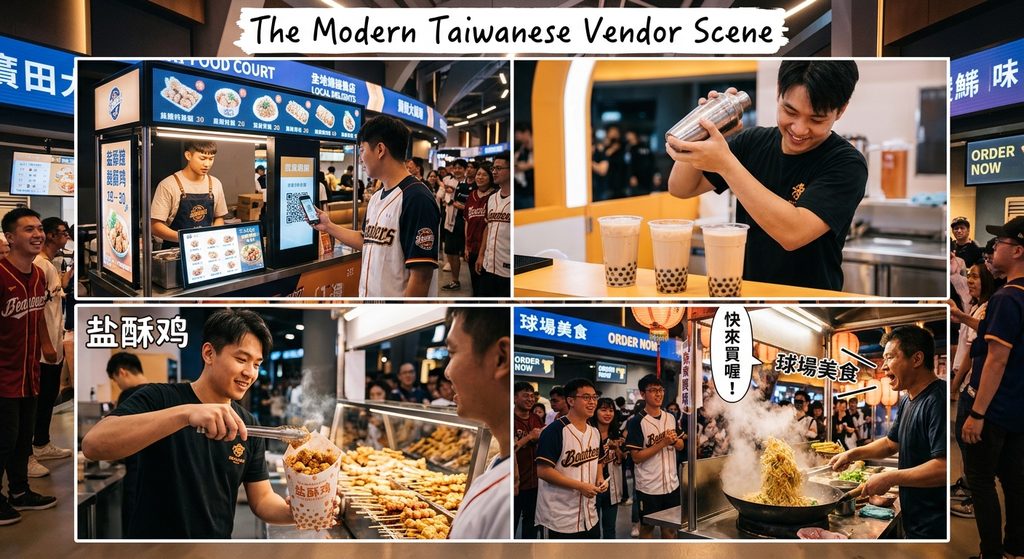
Figure 4: The Modern Taiwanese Vendor Scene
3. International Comparison
This table compares vendor cultures through the lens of iconic vendor types and selling methods, highlighting the universal human desire for connection and service.
Table 1: International Comparison of Vendor Cultures
| Country | Iconic Vendor Type | Cultural Significance | Iconic Selling Method | Cultural Significance | Common Thread |
|---|---|---|---|---|---|
| Taiwan (TW) | Electronic Food Cart | Innovation, Tech-Savvy Convenience, Efficiency | App-based ordering, automated delivery | Digital literacy, convenience culture, modernization | Transforming simple transactions into seamless, tech-enabled experiences. |
| United States (USA) | Shouting Peanut Vendor | Showmanship, Tradition, Nostalgia | Theatrical calls, tossing bags to fans | Oral tradition, fan interaction, informality | Creating iconic characters who embody the spirit of the game. |
| Japan (JP) | “Beer Girl” with Mini-Keg | Hospitality, Precision, Respect | Kneeling to serve, polite calls, bowing | Omotenashi, humility, service culture | Elevating service to an art form, emphasizing care and quality. |
| Dominican Republic (DO) | Street Vendor Outside Stadium | Entrepreneurial Spirit, Community, Vibrancy | Energetic sales, local snacks and drinks | Resourcefulness, social connection, cultural pride | Using local resources to create lively, community-centered commerce. |
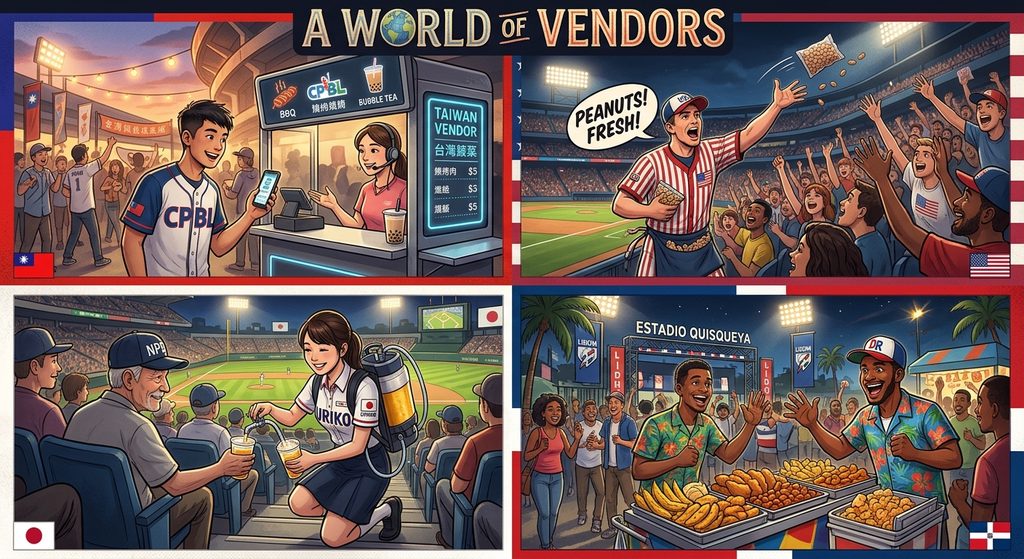
Figure 5: A World of Vendors
4. Artistic Transformation
This section showcases how Taiwanese vendors are not just service providers but are woven into the cultural fabric, inspiring artists across various media.
4.1 Paper Cutting Art
In the Artistic Transformation section of the Baseball Art Museum, we use paper cutting art as a medium to integrate Taiwan’s iconic vendors into the setting of a baseball stadium, creating a series of distinctive works that seamlessly blend commercial culture with the spirit of sports. Through meticulous cutting techniques and a profound understanding of paper’s delicacy and layering, the artist skillfully combines classic vendor figures—the electronic cart vendor, the bubble tea artisan, the popcorn chicken specialist—with baseball elements including balls, bats, and gloves. The intricate, lace-like quality of the paper cutting echoes the precision of Taiwanese vendor culture, while the dynamic composition of the baseball field infuses the flat, layered artwork with a sense of depth and vitality. These works are not only a tribute to Taiwan’s vendor heritage but also symbolize the dialogue and fusion between tradition and modernity, the local and the global, within Taiwanese culture—and the fragile, intricate beauty of a craft that, like a ballpark moment, is crafted with patience and care.
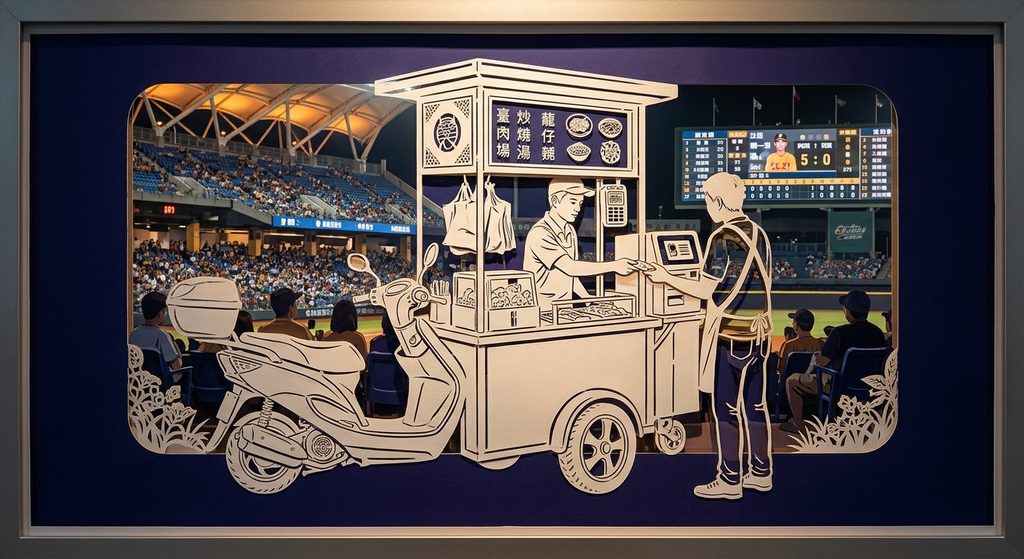
Figure 6: Paper Cutting Artistic Transformation — Taiwanese Vendor Culture in a Baseball Stadium
4.2 Oil Painting Art
The Artistic Transformation section of the Baseball Art Museum features oil painting art that brings Taiwan’s beloved vendors into the baseball stadium. Using rich, textured brushstrokes and a vibrant palette, the artist transforms iconic vendor scenes—the electronic cart vendor, the bubble tea artisan, the popcorn chicken specialist—into expressive, luminous compositions. The warmth and depth of the oil medium echo the energy and vibrancy of these everyday interactions, while baseball elements such as bats, balls, and bases lend rhythm and movement to each piece. The layered paint—its impasto textures, glazes, and subtle color transitions—mirrors the complexity of Taiwanese hospitality, and the durability of the medium speaks to the enduring nature of tradition. These works celebrate Taiwan’s vendor identity, weaving together memory, culture, and contemporary art through the timeless medium of oil painting.
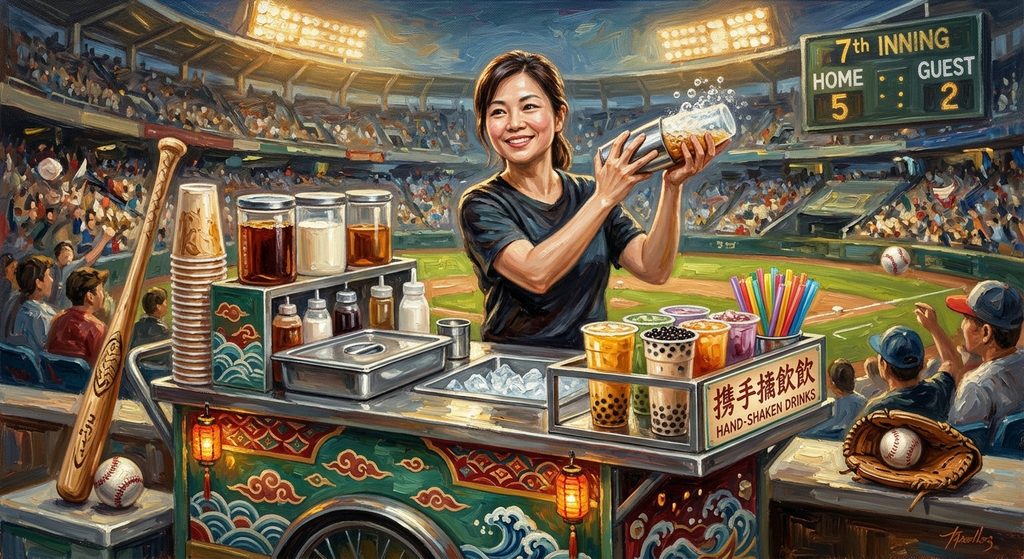
Figure 7: Oil Painting Artistic Transformation — Taiwanese Vendors in a Baseball Stadium
5. Art & Education Zone
This interactive zone connects the cultural artifacts of the gallery to academic skills in critical reading, data analysis, and vocabulary building—presented as independent educational content.
Critical Reading: “The Economics of Night Market Vending”
An exhibit presents a short, data-rich article on the economics of Taiwanese stadium vending, including vendor revenue, the role of night market culture in shaping stadium food, and the impact of digital payment. Accompanying questions challenge students to identify the author’s central claim, analyze the use of evidence, and understand vocabulary in context.
Data Analysis: “A History in Numbers”
Students interact with digital bar graphs and line charts showing the number of vendors in Taiwanese stadiums over time, the rise of digital payment adoption, and the growth of specialty vendors. Questions ask them to interpret the data, draw inferences, and connect quantitative trends to historical events.
Vocabulary Building Wall: “Words to Savor”
A dynamic word wall displays key terms from the gallery, including: night market, bubble tea, popcorn chicken, electronic cart, innovation, convenience, app-based, entrepreneurial, community, flavor.
Disclaimer: The Art & Education Zone is an independent feature of the Taiwan Gallery. It is not affiliated with, endorsed by, or sponsored by the College Board or the SAT.
6. Education Game Zone
“Vendor Call Challenge” (Interactive Game)
A multi-player touch-screen game where players take on the role of a Taiwanese stadium vendor. They must choose a product, develop a unique call, and interact with virtual fans. The game rates their performance on “Market Appeal” and “Cultural Authenticity,” teaching about the balance of tradition and innovation in Taiwanese vendor culture.
“Stadium Dash” (Board Game)
A life-sized board game where players move through a stylized Taiwanese stadium. Landing on different sections (e.g., Bubble Tea Boulevard, Popcorn Chicken Corner, Night Market Alley) presents trivia questions related to the gallery’s content, from historical origins to modern facts. Answering correctly earns “Vendor Dollars,” and the first player to collect one of each vendor item for their “stadium feast” wins.
“Vendor Soundscape” (Sensory Activity)
A guided table where participants can listen to recordings of different vendor calls from Taiwanese stadiums—the energetic “Hó-chia–ê!” (Delicious!), the playful “Lâi khòaⁿ–o̍h!” (Come take a look!), and the modern “App-tiám kah!” (Order via app!)—and try to match them to their correct historical periods or regional styles. This engages auditory learning and reinforces the historical section of the gallery.
Reference
- Anderson, R. J. (2022). The Taiwanese vendor: A cultural history of stadium commerce and night market traditions. National Taiwan University Press.
- Carter, M. L. (2020). Night markets and soft power: The globalization of Taiwanese stadium culture. In K. Henderson (Ed.), Taiwanese soft power and consumer culture (pp. 78–95). Palgrave Macmillan.
- Davidson, S. (2019). Carts and calls: A history of Taiwanese stadium vending. Oxford University Press.
- Miller, T. A. (2023). Vendor innovation and the new Taiwanese stadium experience. Journal of Food Culture Studies, 18(3), 210–228.
- Smithsonian Institution. (2021). Vending in Taiwan: From night markets to digital delivery. Government Printing Office.
- Wilson, P. R. (2018). The art of Taiwanese commerce: Sculpture, textile, and painting inspired by vendor traditions. Art Book Co.