
Team Jersey of Taiwan
Country: Taiwan
Baseball Art Object: Team Jersey
Gallery Location: Fan Culture Wing / Apparel Hall / Taiwan Apparel Gallery
1. Story/Evolution
The Taiwanese professional baseball team jersey evolved from a basic athletic uniform into a powerful medium of cultural expression, fan identity, and regional pride. Its development mirrors the rapid maturation of the Chinese Professional Baseball League (CPBL), the influence of distinct local fanbases, and the unique fusion of global sportswear design with Taiwan’s vibrant entertainment culture.
Rather than identifying a single “invention year,” this exhibition presents the jersey through historical stages, reflecting how the object developed progressively alongside Taiwanese baseball’s unique cheering culture and commercial expansion.
Table 1-1. Chronological Development of the Taiwanese Team Jersey
| Period | Development | Significance of the Team Jersey |
| 1990s | CPBL is established, introducing structured professional teams and standardized uniforms | Jerseys serve primarily as authentic player wear, marking the birth of professional team loyalty among early fans |
| 2000s | League stabilization and shifting team ownership lead to bolder visual branding | Team merchandise expands, and replica jerseys become accessible markers of spectator affiliation |
| 2010s | Introduction of themed game-day jerseys (e.g., holiday events, military appreciation, localized city editions) | Jerseys transform from static fan gear into dynamic, collectible fashion items tied to specific events |
| 2020s–Present | Deep integration of local cultural motifs, indigenous heritage designs, and entertainment-driven aesthetics | The jersey becomes a canvas for local identity, regional pride, and large-scale visual solidarity in the stands |
Historical note: These periods represent an interpretive museum timeline rather than a claim that the team jersey suddenly appeared in a particular year. The modern cultural significance of the object developed progressively through the league’s expansion and the evolution of Taiwan’s energetic cheering squads (Cheerleading Girls culture).
From Athletic Uniform to Collective Cultural Canvas
The evolution can be understood through six major transformations:
- Athletic Uniform
A jersey begins strictly as high-performance functional wear worn by athletes on the field. - Fan Replica
It becomes a commercially produced garment enabling fans to mirror their favorite players. - Team Identity
Team colors, logos, and sponsor graphics transform it into a formal marker of league affiliation. - Cultural Localization
Integration of regional dialects, indigenous motifs, and localized iconography connects the jersey to specific Taiwanese communities. - Themed Event Apparel
Special edition jerseys are created for holiday events, anniversary series, and themed promotional nights. - Collective Visual Field
Thousands of fans wearing matching or themed jerseys create an expansive, unified visual ocean across the stadium seating bowl.
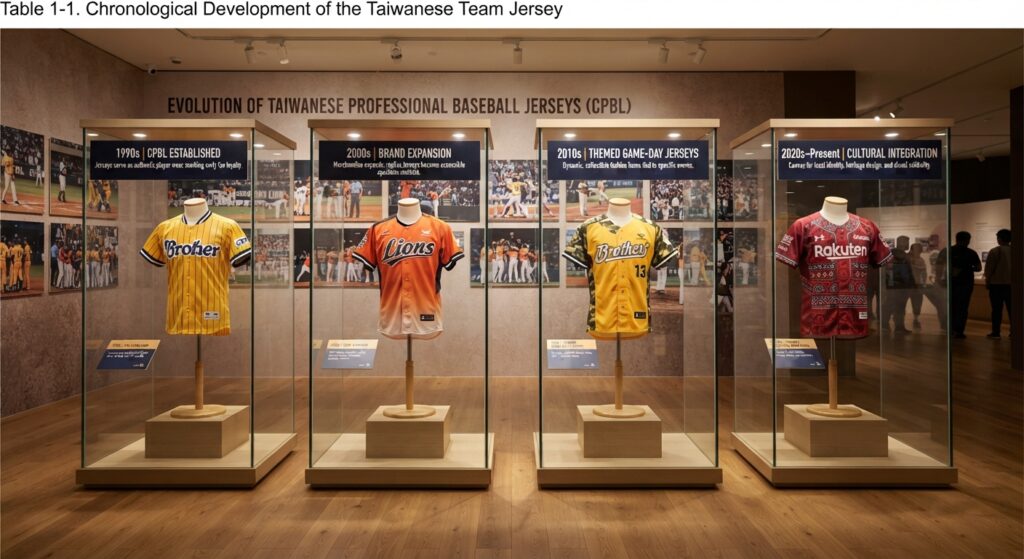
Figure 1. Evolution of the Taiwanese Baseball Team Jersey
2. International Comparison & Innovation
This table compares the role, visual characteristics, and fan functions of baseball jerseys in the United States, Japan, Taiwan, and the Dominican Republic, highlighting how athletic wear acquires distinct cultural meanings across global baseball traditions.
Table 2-1. International Comparison of Baseball Jerseys
| Dimension | United States | Japan | Taiwan | Dominican Republic |
| Representative Form | Authentic / Replica Jersey | Player Jersey & Happi Coats | Themed Game Jerseys & Fan Wear | National & Team Jerseys |
| Primary Purpose | Authentic representation and casual wear | Player identification and organized cheering | Community representation, themed events, and fashion | National pride and team affiliation |
| Main Identity | Franchise + Player | Player + Team | Region + Team + Culture | Nation + Team |
| Key Visual Elements | Classic script typography, team logos | Clean lines, corporate sponsor patches, player names | Bold thematic graphics, localized typography, vibrant colors | Vibrant national colors, dynamic patterns |
| Collective Visual Effect | Moderate (mixed casual clothing) | Strong (coordinated blocks of color) | Very strong (synchronized themed event wear) | Dynamic and expressive |
Taiwan: Cultural Hybridization and Themed Innovation
Compared with baseball apparel traditions in the United States, Japan, and the Dominican Republic, the Taiwanese team jersey demonstrates a unique synthesis of professional sport styling, local community pride, and entertainment spectacle. While American jerseys emphasize historic franchise traditions and Japanese jerseys focus on streamlined player identity, Taiwanese baseball culture pioneered the widespread use of themed event jerseys.
Teams frequently release specialized garments for Mother’s Day, aboriginal heritage celebrations, local city partnerships, and pop-culture crossovers. When fans wear these garments en masse, the stadium transforms into a vibrant, shifting tapestry of local narrative and collective celebration.
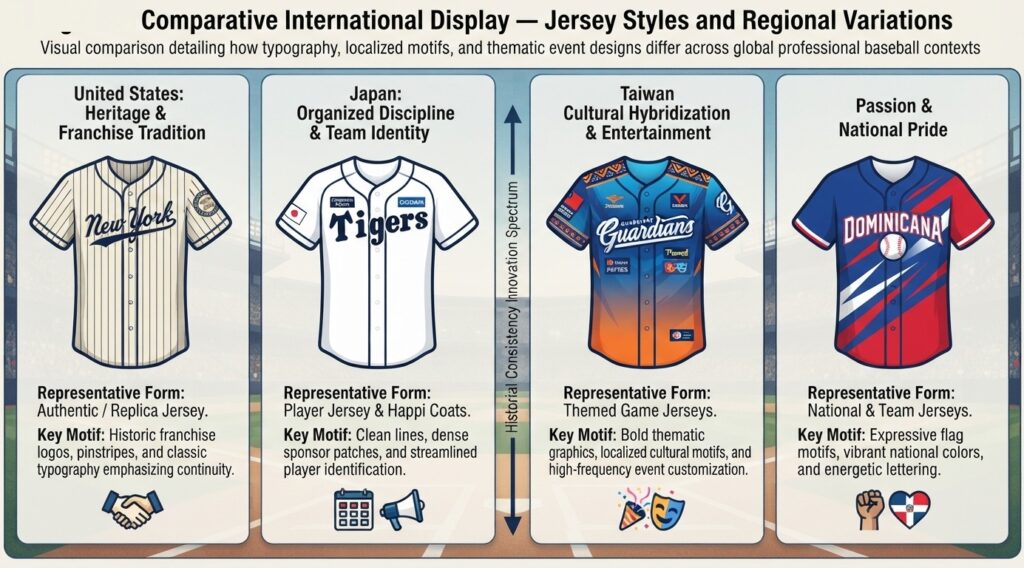
Figure 2. Comparative International Display — Jersey Styles and Regional Variations
3. Unique Artistic Analysis
As a Baseball Art Object, the Taiwanese team jersey can be examined through its visual language, fabric technology, typography, cultural symbolism, and relationship with the human body. Its artistic value emerges from the interaction between official franchise branding and grassroots fan customization.
Table 3-1. Unique Artistic Characteristics of the Taiwanese Team Jersey
| Artistic Element | Artistic Function | Unique Interpretation |
| Typography | Communicates regional and player identity | Blends English Romanization with Traditional Chinese characters |
| Color | Communicates team and thematic affiliation | Uses high-contrast palettes that pop under stadium lighting |
| Textile | Provides breathable athletic structure | Modern performance mesh engineered for tropical and humid climates |
| Composition | Organizes sponsor logos and graphical motifs | Balances commercial branding with artistic regional storytelling |
| Scale | Expands from individual garment to stadium environment | Thousands of matching fan jerseys create unified architectural color blocks |
| Participation | Involves spectators in the visual spectacle | Fans actively choose specific themed editions to express personal values |
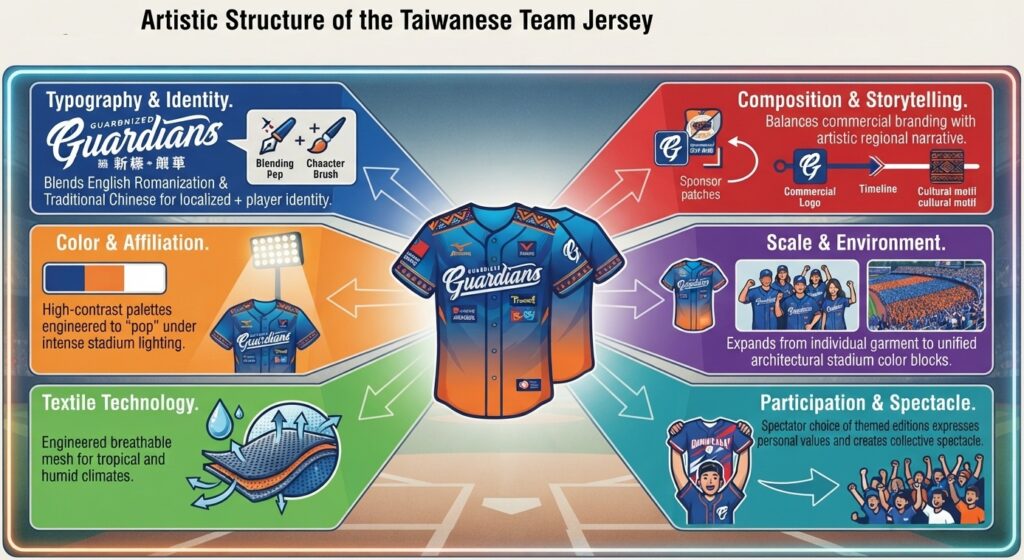
Figure 3. Artistic Structure of the Taiwanese Team Jersey
The diagram illustrates how typography, technical textile composition, cultural motifs, and spectator participation interact to transform a functional athletic garment into a dynamic form of baseball visual art.
4. Artistic Transformation and Creation
Expanding the cultural object into new mediums, the Taiwanese team jersey offers a rich canvas for artistic reinterpretation. Two examples are illustrated as following:
- Pop Art Style Plan: Focuses on high-contrast neon or primary colors, bold black outlines, halftone dot patterns (reminiscent of Andy Warhol or Roy Lichtenstein), and exaggerated commercial typography.
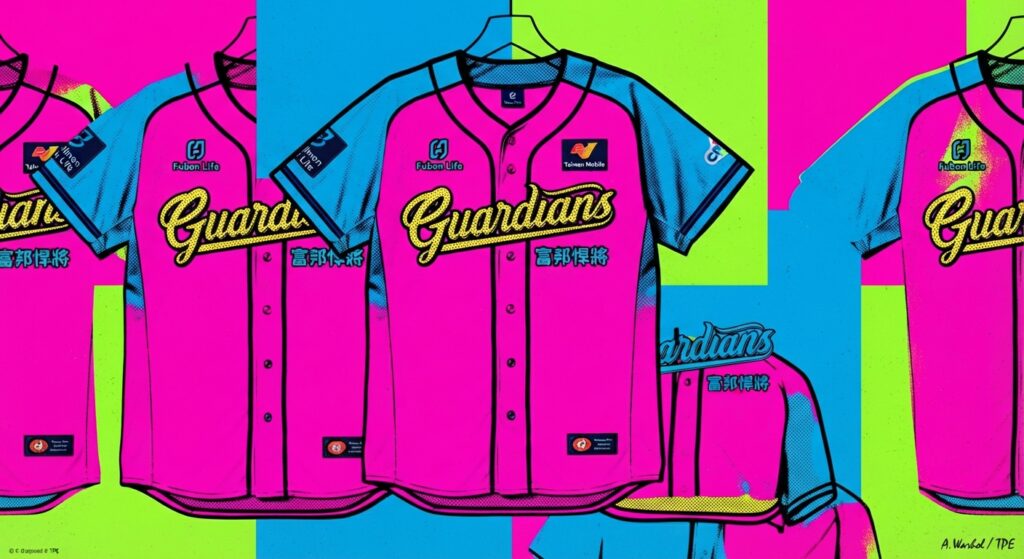
Figure 4. Pop Art Transformation: The Fubon Guardians Jersey
- Ceramic Kinetic Glaze Flow: Reimagining the ceramic jersey form not as a static object, but as a canvas for high-temperature glaze artistry, this piece visualizes the “moving wave” effect. Utilizing controlled, multi-layered glaze application and firing techniques (similar to flambé or complex celadon crackle patterns), the design captures the moment thousands of cheering fans activate the garment. The static blue-to-orange gradient becomes a flowing, inter-penetrating cascade of color, where the “GUARDIANS” script and traditional Chinese characters appear to drift and reform within the cracking, kinetic glaze. The visual energy of the packed stadium is translated into permanent, tactile glaze flow lines across the ceramic surface.
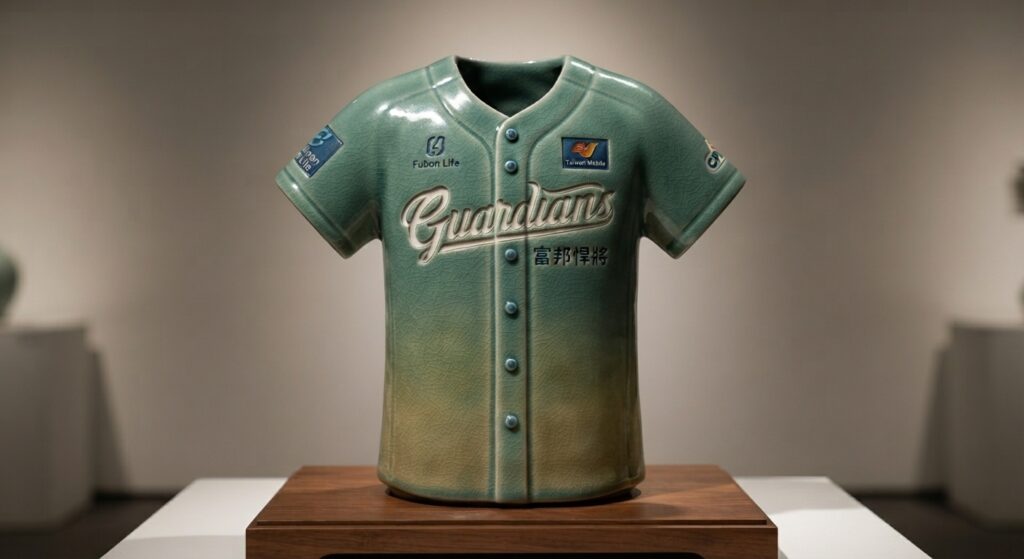
Figure 5. The Celadon Transformation: The Fubon Guardians Jersey
5. ART & SAT
5. Game Zone
- The Kinetic Canvas: Jersey Design & Cultural Match-Up
- Taiwan Jersey: Concept Alignment Challenge
6. Reference
- Cordingley, R. (2019). The History of CPBL Uniforms and Fan Culture. Taipei Sports Press.
- Taiwan Baseball Research Association. (2022). Themed Apparels and Regional Identity in Professional Baseball. Journal of East Asian Sport Studies, 14(3), 45-62.
Disclaimer
All images, visual designs, and content displayed on this website are for Museum research, visual demonstration, and reference purposes only. This site is not directly affiliated with or authorized to represent any sports club or related organization. All trademarks and team names belong to their respective rightful owners. This website assumes no legal liability or responsibility for the accuracy of the content or for any losses arising from the use of the information on this site.