
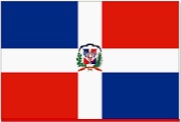
Country: Dominican Republic
Art Subject: Tropical Motifs – The Island on the Face
Gallery Location: Fan Culture Wing / Face Paint Hall / Dominican Republic Face Paint Gallery
1. Story & Evolution
Hibiscus flowers, palm trees, Caribbean sunsets, and other tropical imagery transform the faces of Dominican baseball fans into living celebrations of the island’s natural beauty and cultural heritage. These motifs are more than decoration—they are visual declarations of a national identity that is inseparable from the tropical landscape that surrounds it.
I. Origins: The Island as Identity
The tradition of incorporating tropical motifs into fan expression is rooted in the Dominican Republic’s deep connection to its natural environment. The island’s lush vegetation, vibrant flowers, and breathtaking sunsets are not just scenery—they are central to how Dominicans understand themselves.
Description: This table traces the chronological development of tropical motifs in Dominican baseball fan expression, from indigenous body art traditions to the vibrant face paint designs seen in modern stadiums.
Table 1. The Evolution of Tropical Motifs in Dominican Face Paint
| Period | Development | Cultural Context |
|---|---|---|
| Pre-Columbian Era | Taíno indigenous peoples use natural pigments for body art, incorporating symbols from the natural world | Early tradition of using the body as a canvas for nature-inspired art |
| Colonial Era | African and European influences blend with Taíno traditions; hibiscus flowers become symbols of resilience and beauty | Syncretic cultural identity begins to form |
| Early 20th Century | Baseball becomes the national sport; fans begin expressing identity through visual displays | Baseball emerges as a cultural touchstone |
| Mid-20th Century | Tropical motifs appear in fan art and stadium decorations | Fans increasingly use natural imagery to express team loyalty |
| Late 20th Century | Face painting becomes a common fan practice; tropical designs gain popularity | Stadiums become vibrant spaces of cultural expression |
| 21st Century | Social media amplifies creative face paint designs; tropical motifs become iconic | Dominican creativity gains global recognition |
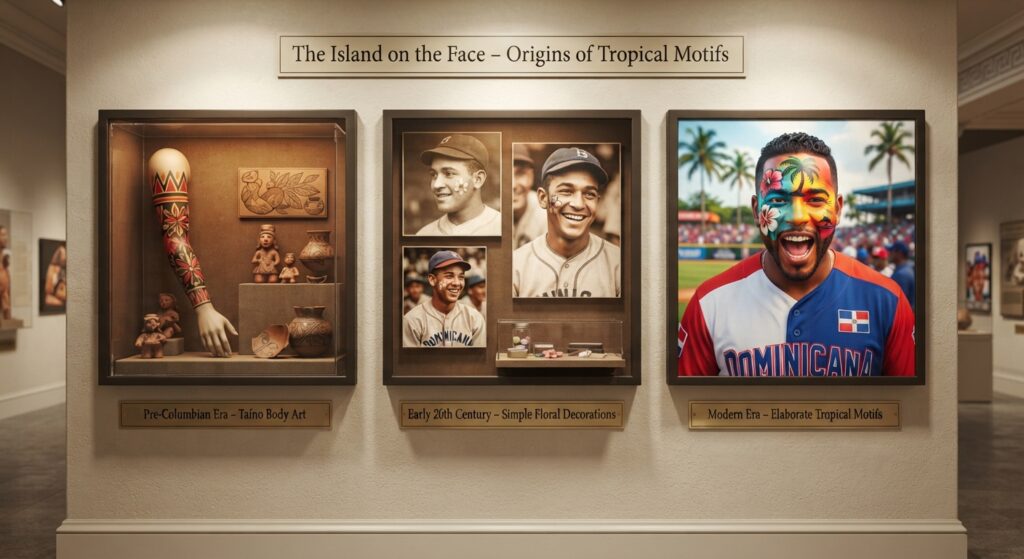
Figure 1. The Island on the Face – Origins of Tropical Motifs
A museum display showing the evolution of tropical motifs in Dominican face paint. Left: Taíno body art representations using natural pigments. Center: historical photographs of early 20th-century fans with simple floral decorations. Right: a modern fan with an elaborate hibiscus and palm tree design.
II. The Cayena (Hibiscus) – A National Symbol
The cayena, or hibiscus flower, is one of the most powerful symbols in Dominican culture. Known locally as “Sangre de Cristo” (Blood of Christ) for its deep red variety, this flower appears in traditional dress, holiday celebrations, and now, on the faces of baseball fans.
This table 2 explores the cultural significance of the cayena (hibiscus) flower in Dominican society, from its role as a national symbol to its use in traditional dress and modern face paint.
Table 2. The Cayena (Hibiscus) – Symbolism and Significance
| Aspect | Description | Cultural Significance |
|---|---|---|
| National Symbol | The cayena is recognized as a national symbol of the Dominican Republic | Represents Dominican identity and pride |
| Traditional Use | Used by Dominican women to adorn their hair during holidays and celebrations | Connects modern fan expression to centuries of tradition |
| Symbolism | Associated with passion, love, and good luck | Embodies the passionate spirit of Dominican baseball fans |
| Resilience | Known as a flower that thrives without permission—symbol of resilience and beauty | Reflects the Dominican people’s strength and perseverance |
| Ancestral Connection | Represents the connection between Dominican and African heritage | Celebrates the multicultural roots of Dominican identity |
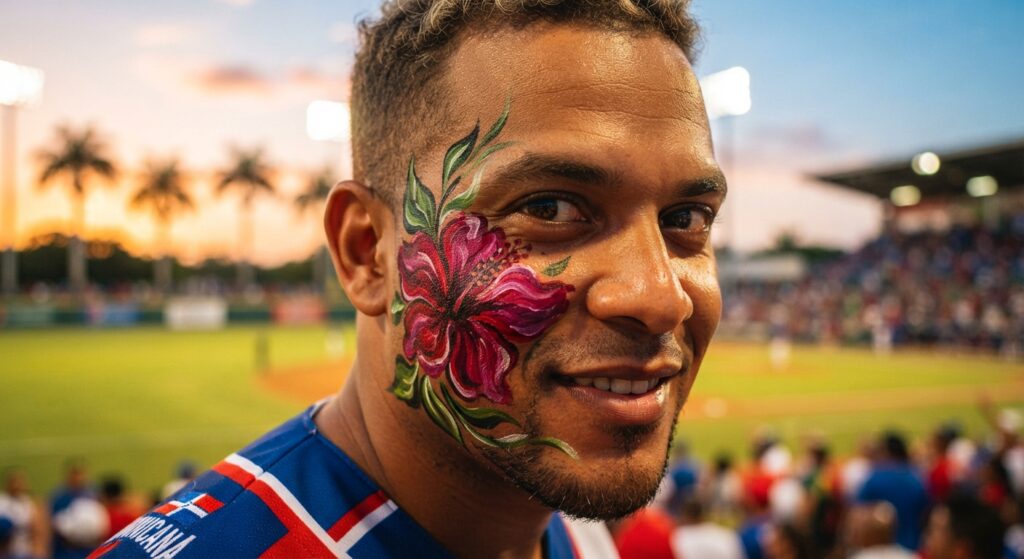
Figure 2. The Cayena – A Flower on the Face
A close-up portrait of a Dominican baseball fan with a vibrant cayena (hibiscus) flower painted on their cheek. The deep red petals are rendered in bold, artistic brushstrokes, with green leaves accenting the design. The fan wears a Dominican national team jersey, and the background shows a blurred Caribbean stadium.
III. Palm Trees – Symbols of Victory and Freedom
The palm tree holds deep symbolic meaning in Dominican culture, representing victory, immortality, and freedom. It appears on the national coat of arms, symbolizing the nation’s enduring struggle for liberty.
This table 3 examines the symbolic meaning of the palm tree in Dominican culture, from its repre
Table 3. The Palm Tree – Symbolism and Significancesentation of victory and freedom to its expression in fan face paint.
| Symbolic Meaning | Cultural Context | Expression in Face Paint |
|---|---|---|
| Victory | The palm is a symbol of triumph and achievement | Fans paint palm fronds or entire palm trees to celebrate team victories |
| Freedom | Palm branches on the coat of arms represent liberty | Palm motifs express pride in Dominican sovereignty and independence |
| Resilience | The palm stands tall through storms, symbolizing strength | Palm imagery reflects the resilience of Dominican players and fans |
| Tropical Identity | The royal palm is native to Hispaniola | Connects fans to the island’s natural heritage |
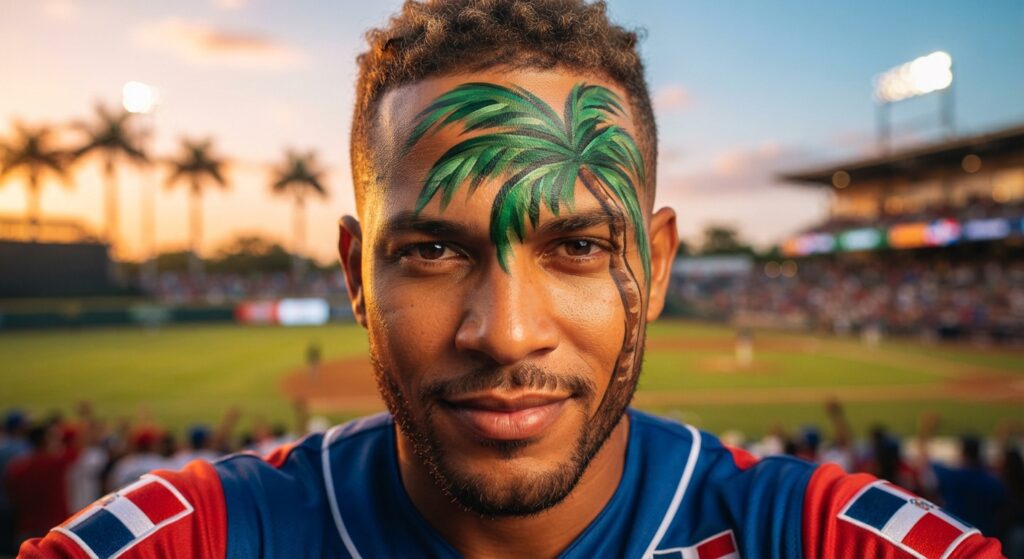
Figure 3. Palm Trees on Faces – Victory and Freedom
A photograph of a Dominican fan with a stylized palm tree painted across their forehead and cheek. The design features sweeping green fronds and a tall trunk, rendered in bold, artistic brushstrokes. The fan wears a team jersey and has an expression of pride and determination.
IV. Caribbean Sunsets – The Colors of Home
The breathtaking sunsets of the Caribbean are a source of national pride and a powerful visual motif in Dominican face paint. The vibrant colors—orange, pink, purple, and gold—capture the beauty of the island’s landscape.
This table 4 explores the symbolic meaning of Caribbean sunset colors in Dominican face paint, from the warmth of gold and orange to the passion of deep red.
Table 4. Caribbean Sunset Colors – Symbolism and Expression
| Color | Symbolic Meaning | Expression in Face Paint |
|---|---|---|
| Orange/Gold | The warmth of the Caribbean sun | Gradients across the cheeks or forehead |
| Pink/Purple | The romantic beauty of twilight | Soft blends and transitions |
| Deep Blue | The Caribbean Sea surrounding the island | Background or accent colors |
| Red | Passion and the “Sangre de Cristo” | Bold accents and floral elements |
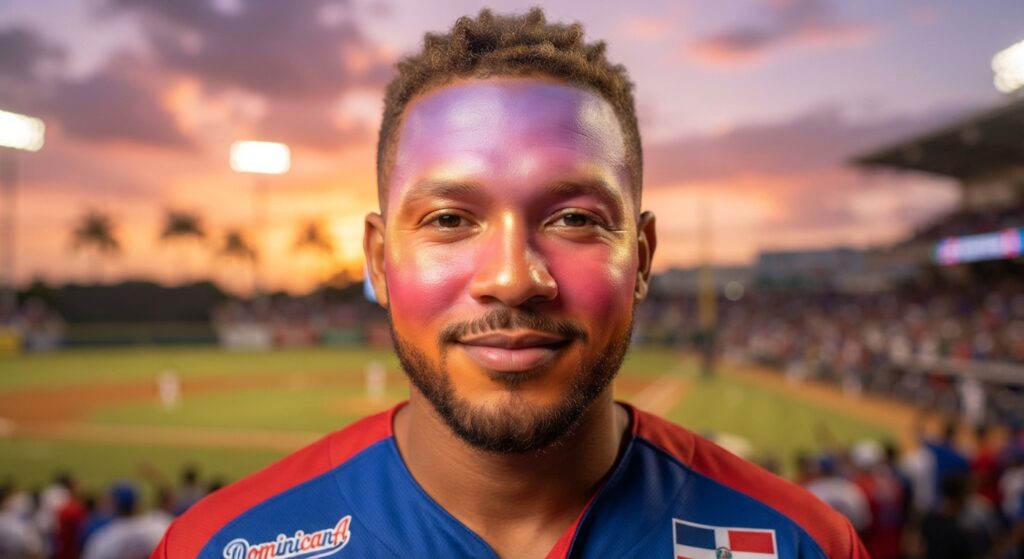
Figure 4. Caribbean Sunsets – The Colors of Home
A close-up portrait of a Dominican fan with a Caribbean sunset design painted across their face. The design features a gradient of orange, pink, and purple, blending across the cheeks and forehead, with golden highlights catching the stadium lights.
2. International Comparison
Tropical motifs in face paint are not unique to the Dominican Republic, but the way they are used—and their deep cultural significance—sets Dominican fans apart from other baseball cultures.
This table 5 compares the use of nature-inspired motifs in face paint across the Dominican Republic, the United States, Japan, and Taiwan, highlighting the unique depth of cultural connection in the Dominican tradition.
Table 5. Comparative Analysis of Nature-Inspired Face Paint Across Baseball Cultures
| Aspect | Dominican Republic | United States | Japan | Taiwan |
|---|---|---|---|---|
| Primary Motifs | Hibiscus flowers, palm trees, Caribbean sunsets | Team logos, checkerboards, glitter | Cherry blossoms, seasonal motifs | Playful characters, emoji-style designs |
| Cultural Connection | Deep—motifs are national symbols | Moderate—focused on team identity | Strong—seasonal and cultural connection | Moderate—pop culture influence |
| Color Palette | Vibrant tropical colors: red, orange, pink, gold | Team colors | Seasonal colors, traditional palettes | Bright, playful colors |
| Symbolic Meaning | National identity, resilience, passion, freedom | Team loyalty, personal identity | Collective harmony, seasonal change | Creative expression, humor |
| Historical Roots | Indigenous, African, and colonial influences | Modern fan culture | Centuries of calligraphic and seasonal tradition | Modern digital culture |
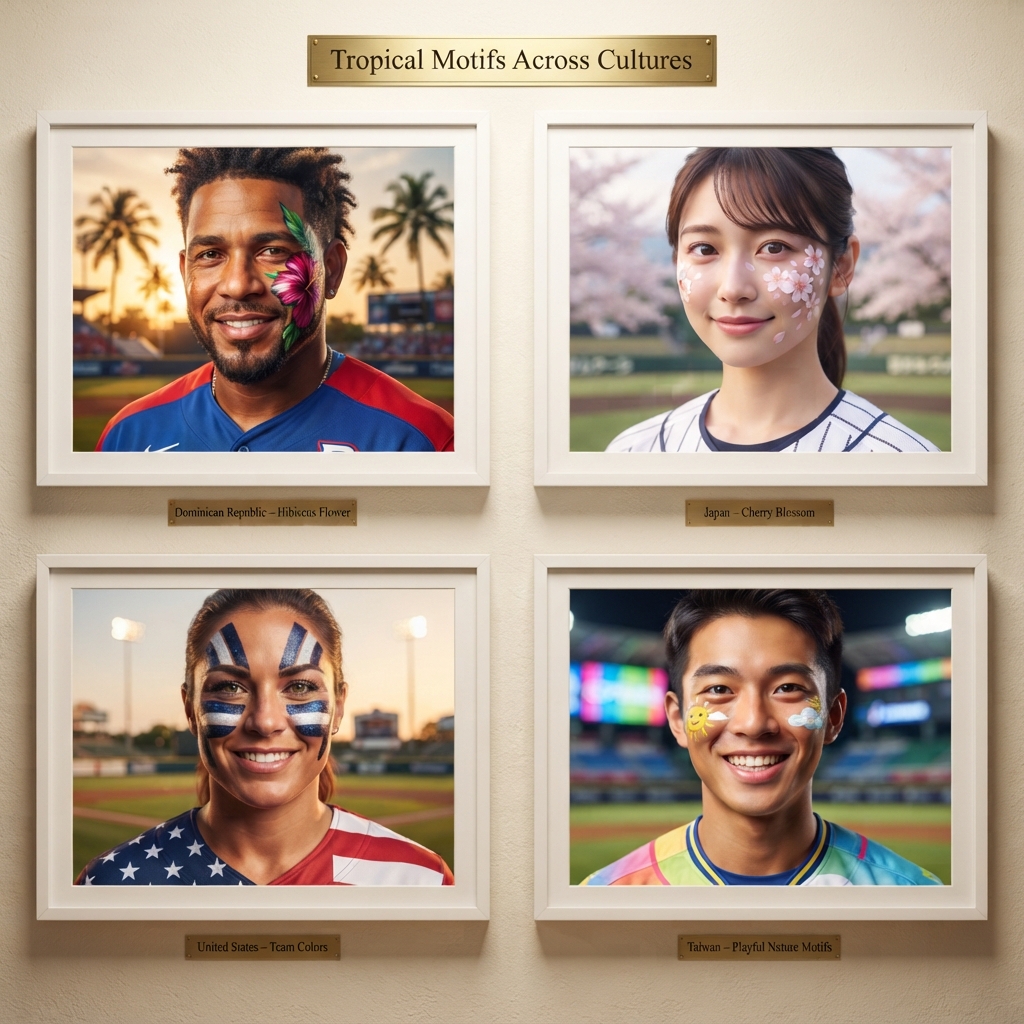
Figure 5. Tropical Motifs Across Cultures
A four-panel grid showing nature-inspired face paint from four cultures: Dominican Republic (hibiscus flower), Japan (cherry blossom), United States (team colors), and Taiwan (playful nature motifs). The Dominican panel stands out for its vibrant tropical colors and deep cultural symbolism.
3. Comparing Baseball and Football
Tropical motifs appear in both Dominican baseball and football (soccer) fan culture, but baseball fans have elevated these designs to a particularly prominent art form.
This table 6 contrasts the use of tropical motifs in Dominican baseball and football fan expression, highlighting the unique prominence of these designs in baseball culture.
Table 6. Comparative Analysis of Tropical Motifs in Baseball and Football
| Aspect | Baseball (LIDOM / National Team) | Football (LDF / National Team) |
|---|---|---|
| Frequency | Very common—a signature style of Dominican baseball fans | Common—but less elaborate |
| Design Complexity | Highly elaborate—full-face floral and sunset designs | Simpler—often flags or team colors |
| Cultural Significance | Deep—motifs express national identity and pride | Strong—but more focused on team loyalty |
| Group Coordination | Fans coordinate tropical designs across sections | Ultra groups coordinate flags and banners |
| Social Media Impact | Highly visible—viral designs shared widely | Moderate—more focused on match-day atmosphere |
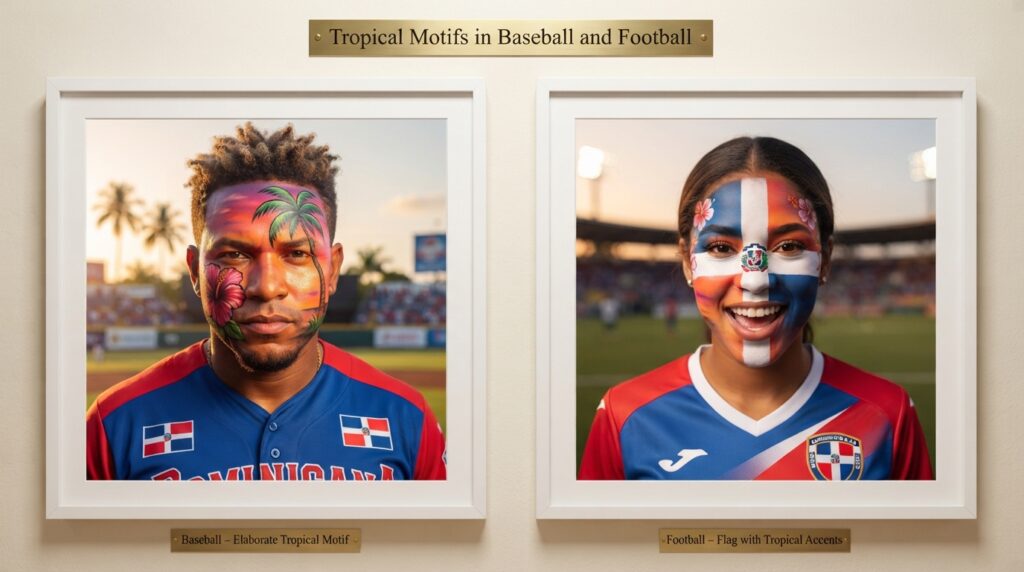
Figure 6. Tropical Motifs in Baseball and Football
A side-by-side comparison of Dominican baseball and football fans. The baseball fan has an elaborate hibiscus and palm tree design covering their full face, while the football fan has a simpler flag design with tropical color accents.
4. Unique Artistic Analysis
The artistry of tropical motifs in Dominican face paint lies in their ability to transform the human face into a living, breathing celebration of the island’s natural beauty and cultural identity.
I. The Aesthetics of the Hibiscus
- Bold Petals: The large, dramatic petals of the cayena flower create a striking visual impact on the face.
- Vibrant Colors: The deep red of the “Sangre de Cristo” variety symbolizes passion and good luck.
- Organic Flow: The natural curves of the flower’s petals complement the contours of the human face.
II. The Palm Tree as a Graphic Element
- Vertical Line: The tall trunk of the palm creates a strong vertical element on the forehead or cheek.
- Sweeping Fronds: The curved fronds add movement and energy to the design.
- Symbolic Depth: The palm represents victory, freedom, and resilience.
III. The Sunset as a Color Palette
- Gradient Blends: The smooth transitions from orange to pink to purple create a sense of depth and warmth.
- Golden Highlights: Gold accents catch the stadium lights, creating a luminous effect.
- Emotional Resonance: The sunset evokes feelings of home, beauty, and pride.
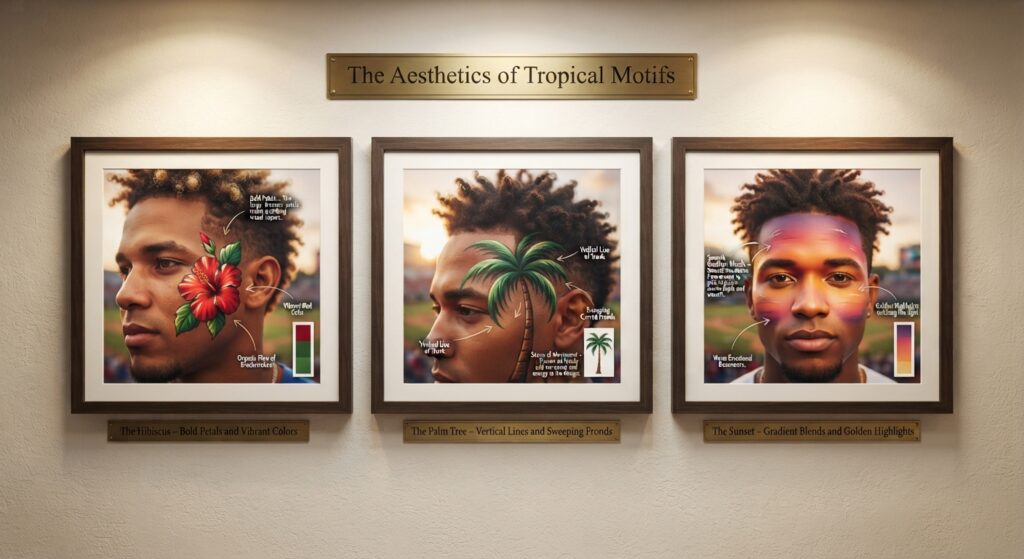
Figure 7. The Aesthetics of Tropical Motifs
A three-panel educational display illustrating the aesthetic principles of tropical motifs in Dominican face paint: The Hibiscus (bold petals and vibrant colors), The Palm Tree (vertical lines and sweeping fronds), and The Sunset (gradient blends and golden highlights).
5. Artistic Transformation and Future Creatio
Artistic Interpretation I: Sculpture – “The Flower and the Face”
Concept: A series of traditional wood sculptures featuring life-sized busts of Dominican baseball fans, with hibiscus flowers and palm trees carved directly into the surface of the wood. The sculptures are created using traditional wood carving techniques, with the natural grain of the wood enhancing the organic forms of the tropical motifs. Each bust captures the expression of a fan – pride, passion, determination – while the carved flowers and palms celebrate the natural beauty of the Dominican Republic.
Visual Highlight: The warm, rich tones of the wood bring warmth and life to the carved faces. The hibiscus flowers are carved with flowing, organic lines, their petals seeming to bloom from the wood itself. The palm trees rise from the foreheads, their fronds sweeping across the cheeks. The natural grain of the wood adds texture and depth, making each sculpture unique. The contrast between the smooth skin of the face and the carved floral elements creates a striking visual tension.
Future Vision: A collection of carved wood busts displayed in a museum gallery, representing the diversity of Dominican baseball fans – young and old, male and female, each with a different tropical motif. The sculptures become a permanent celebration of Dominican identity, connecting the tradition of wood carving to the vibrant culture of baseball fandom. Over time, the collection grows, with new busts added to represent each generation of fans.
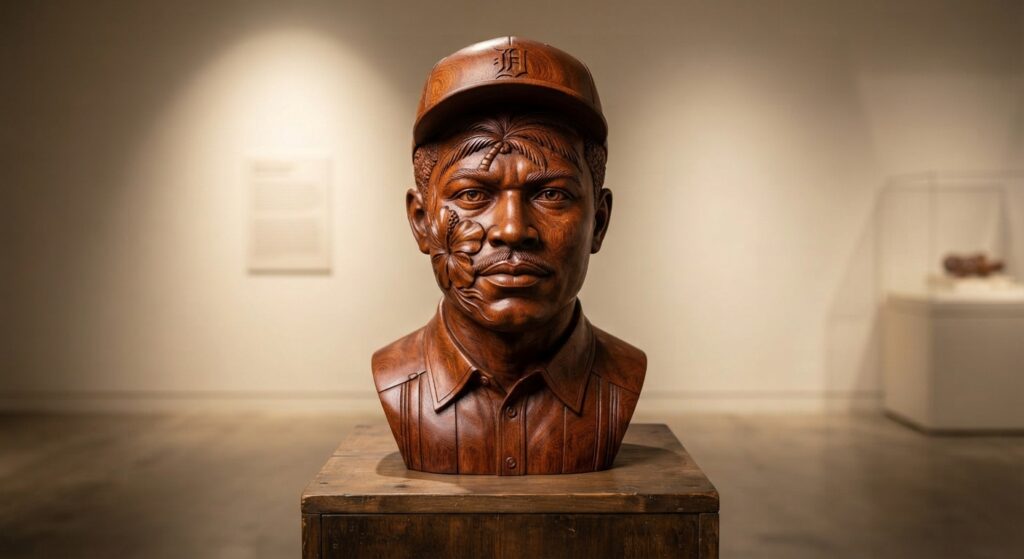
Figure 8. “The Flower and the Face” – Wood Sculpture Series
Artistic Interpretation II: Digital Mask – “The Customizable Caribbean Canvas”
Concept: A full-face mask featuring a flexible, bent LED or e-ink display that covers the entire front surface of the mask. Visitors can connect their cell phones to the mask via Bluetooth, Wi-Fi, or NFC and upload any image they choose – a tropical sunset, a hibiscus flower, a palm tree silhouette, a Dominican flag, a player’s face, a personalized message, or any design that expresses their Dominican pride. The mask becomes a dynamic, digital canvas that allows fans to switch their “face paint” instantly.
Visual Highlight: The mask’s curved display wraps around the contours of the face, creating a seamless, immersive visual experience. The images displayed are vibrant, high-resolution, and can be animated – sunsets shift colors, flowers bloom, palm fronds sway, and flags wave. The bent LED or e-ink technology makes the mask lightweight and comfortable to wear, while the visual impact is breathtakingly realistic. The mask can be customized for each fan’s unique identity, making it a powerful tool for personal expression.
Future Vision: At stadiums, fans wear these customizable masks with synchronized displays – entire sections of fans upload the same team logo, creating a unified visual statement. Fans can switch between designs in real-time: a hibiscus flower for the national anthem, a player’s face for a home run celebration, a Caribbean sunset for the seventh-inning stretch. The masks become a new medium for fan creativity, connecting the digital and physical worlds.
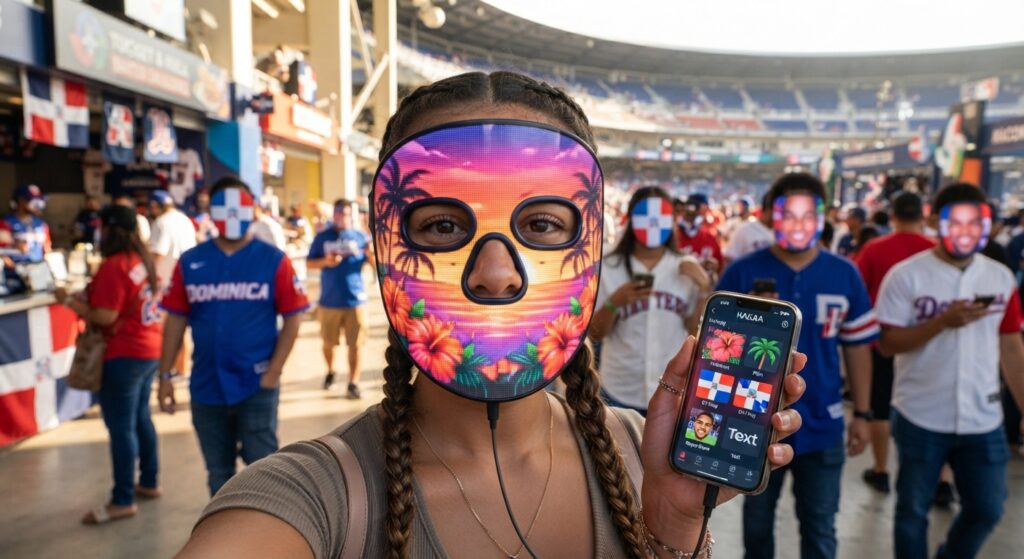
Figure 9. “The Customizable Caribbean Canvas” – Digital Mask
6. Art & SAT Education
7. Game Zone
Activity: “Tropical Face – Design Your Island Motif”
In this interactive zone, visitors become tropical face artists and design their own Dominican-inspired face paint.
Bonus Challenge: “Tropical Match” – Visitors match tropical motifs to their cultural meanings in a timed quiz.
References
De la Rosa, R. (2023). Historia del Licey: 1907–2023. Santo Domingo: Editorial Búho.
El Ocoeño. (2026, March 14). Con faja de campeón y pancartas virales: el fanático ocoeño que capta la atención en el Clásico Mundial, apoyando a RD. El Ocoeño.
Hoy.com.do. (2006, January 18). Liceístas y aguiluchos dos fanaticadas muy especiales. Hoy.
iDominicanas. (2026, March 10). La fiebre del World Baseball Classic desata la creatividad dominicana. iDominicanas.
Listín Diario. (2015, October 9). ¿Listo para el juego del béisbol? Listín Diario.
Listín Diario. (2022, January 31). Los colores del Caribe mezclados con el béisbol en la serie. Listín Diario.
MarilynPeralta.com. (2016, January 21). Cayena o Hibisco. Marilyn Peralta.
The Island Pins. (n.d.). Flor de Cayena. The Island Pins.
Wanderlog. (n.d.). Santo Domingo attractions. Wanderlog